
The French Rearguard at Dunkirk
In the last days of Operation Dynamo, the evacuation continues, but the German noose tightens around Dunkirk. To allow the re-embarkation of the last troops, the defensive perimeter of the pocket must keep being held as it shrinks hour by hour under Wehrmacht pressure.
The French soldiers still present face a bitter choice. Holding the line at all costs covers the embarkation of the others, but reduces their own chances of being re-embarked in time. To seek to embark as quickly as possible is to risk opening a breach and compromising the whole operation. Inter-Allied solidarity, already strained by weeks of rout, is put to the test.
The French command may order them to hold the perimeter to the end, at the probable cost of captivity. It may order a withdrawal towards the beaches to try to be evacuated. Or it may negotiate a surrender to spare the men once the evacuation of the others is complete. The fate of tens of thousands of men is at stake in this rearguard.
Should the French rearguard hold the perimeter to the end, withdraw towards the beaches, or negotiate its surrender?
The French troops largely carry out A: they hold the Dunkirk perimeter in the final days, covering the re-embarkation — including that of many British, whose bulk had already departed. In all, Operation Dynamo evacuates around 338,000 men, of whom a significant proportion are French in the last rotations (1–4 June). But some 35,000 to 40,000 French rearguard soldiers, for want of ships and time, are captured at the fall of Dunkirk on 4 June. Their sacrifice, long downplayed in the British narrative of Dunkirk, was essential to the success of the evacuation. It will also feed a lasting French resentment over the priority given to British troops.
Learn more about this event
Related polls
10
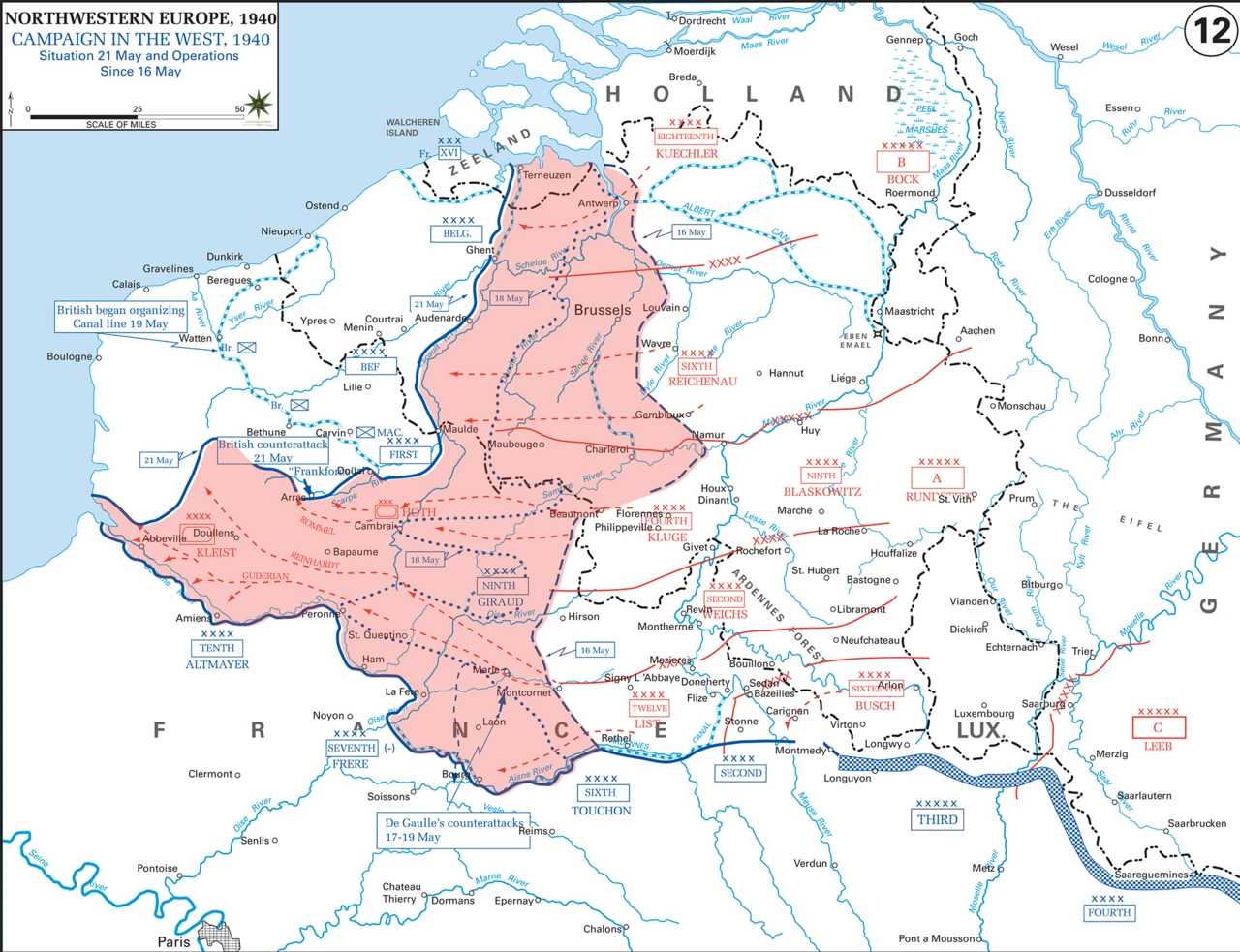
Boulogne — Fox-Pitt and the Guards facing the port
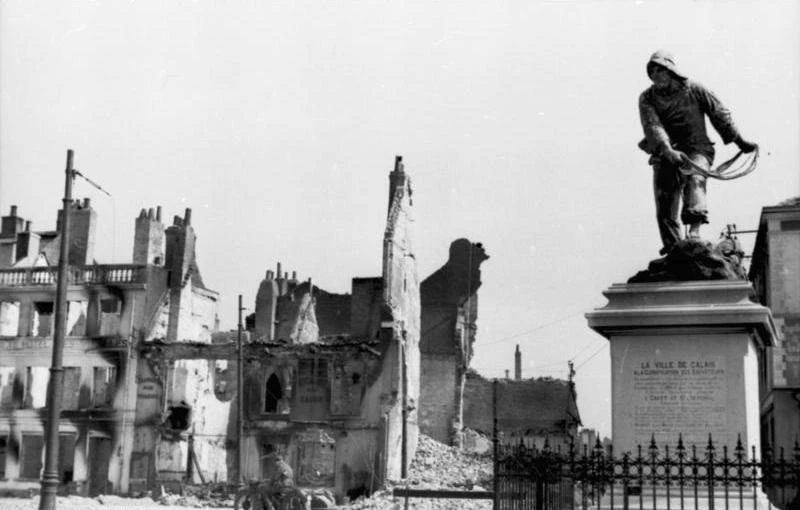
Calais — Nicholson facing the ultimatum
The Defence of Boulogne
The Weygand Line on the Somme
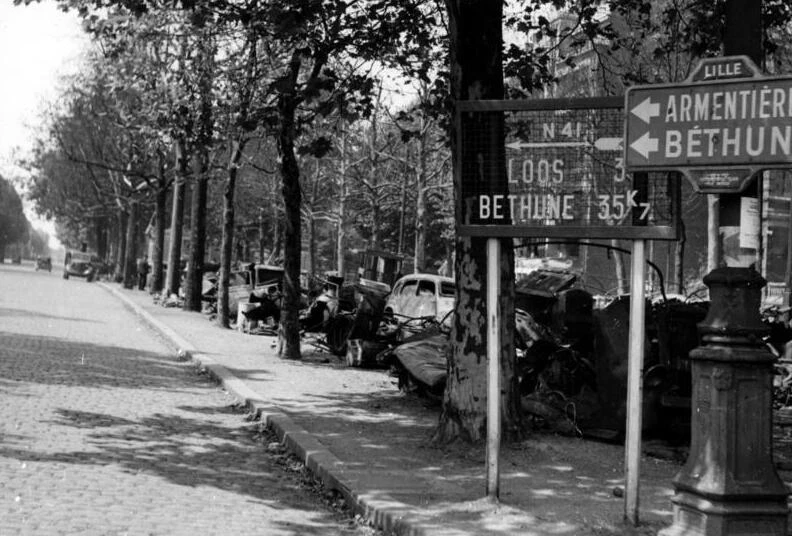
The Lille Pocket
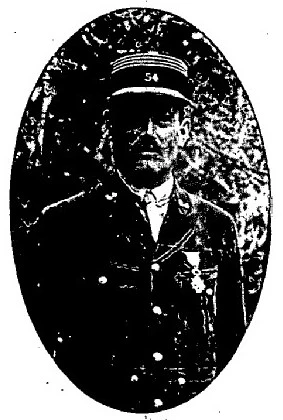
Touchon on the Aisne — Fall Rot
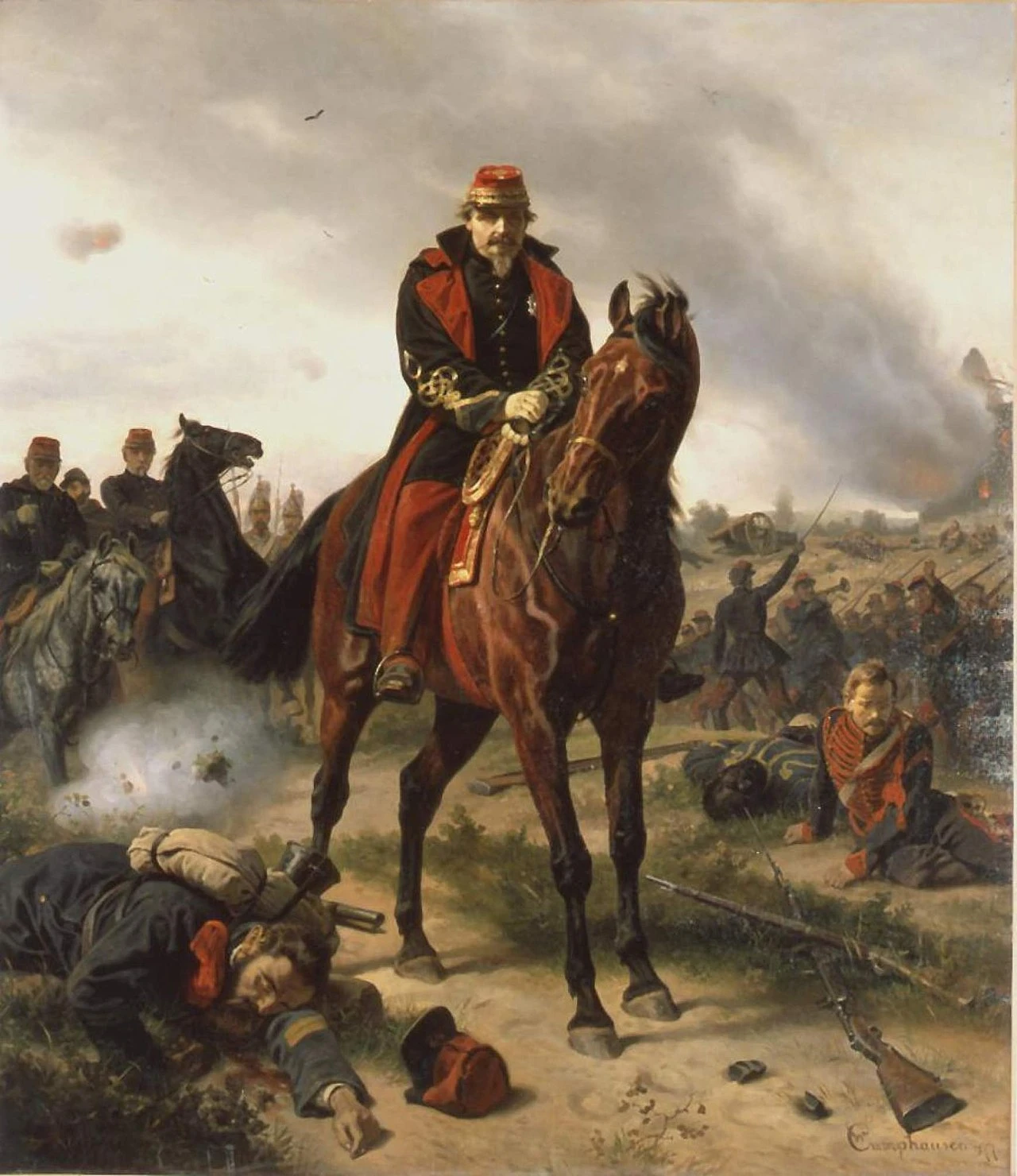
Bulson — Lafontaine and the 02:00 rumour
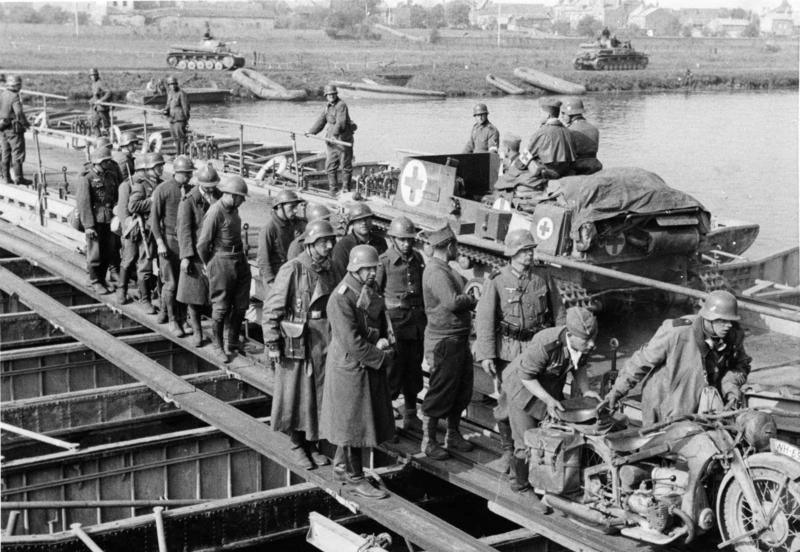
The French engineers at Sedan
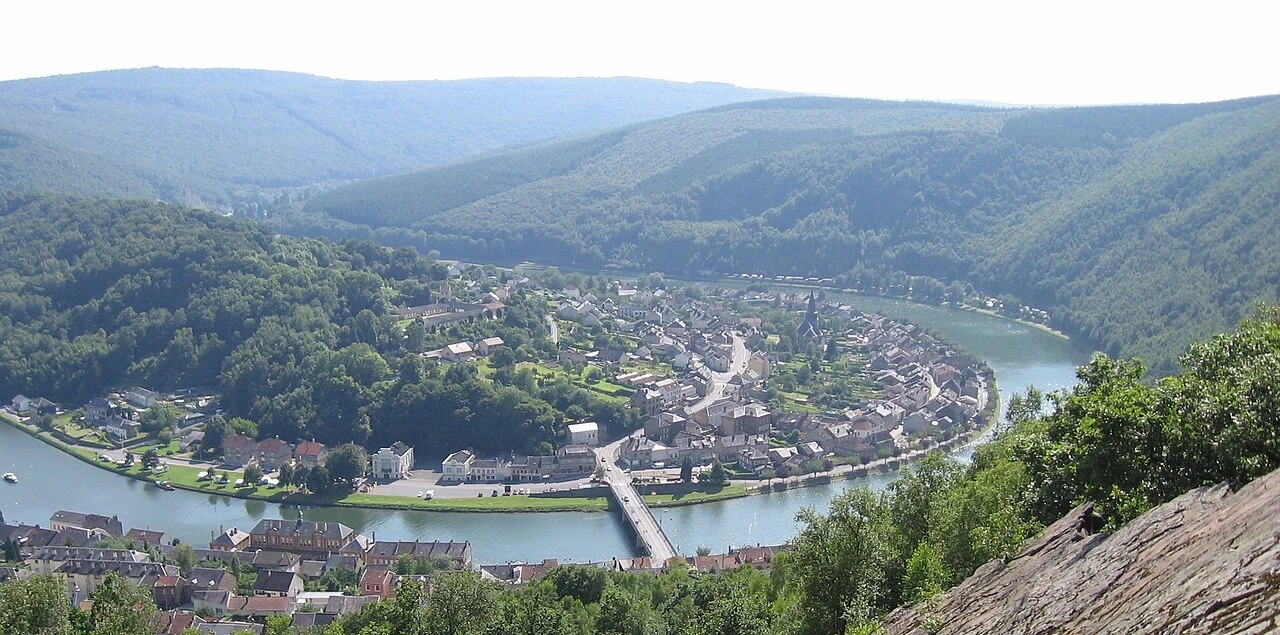
Monthermé — Portzert in the Meuse loop
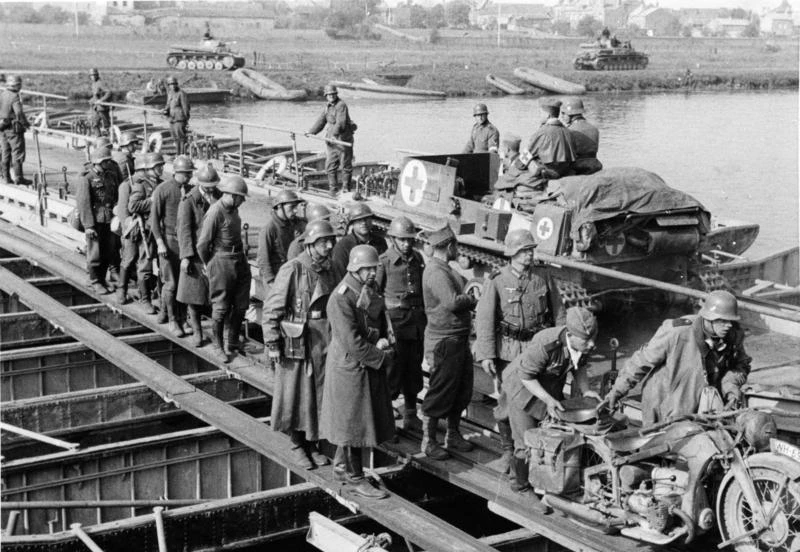
The panic of Bulson
Boulogne — Fox-Pitt and the Guards facing the port
Calais — Nicholson facing the ultimatum
The Defence of Boulogne
The Weygand Line on the Somme
The Lille Pocket
Touchon on the Aisne — Fall Rot
Bulson — Lafontaine and the 02:00 rumour
The French engineers at Sedan
Monthermé — Portzert in the Meuse loop