
Manstein at Liegnitz — the October memorandum
(), 52, is one of the most respected strategic minds of the Wehrmacht. Chief of staff of since 24 October 1939, based at Liegnitz (Legnica, annexed Polish Silesia). His superior is Generaloberst .
On 19 October 1939, the OKH under Brauchitsch and Halder finalized the Fall Gelb plan for the offensive in the West: a rough reproduction of the 1914 Schlieffen Plan, principal axis through the Netherlands and Belgium ( under Bock), secondary axis of fixation in the centre ( under Rundstedt) and in the south ( under Leeb on the Maginot Line). Manstein, reading the plan, judges it strategically mediocre: total predictability, exposure to the same blockages as in 1914.
Manstein proposes an alternative conception. Hypothesis: the bulk of the French and British forces will deploy as expected by the Allied command on the Dyle-Breda line (preventive advance into Belgium in case of invasion). This will open a strategic window: if the Wehrmacht engages through the Ardennes (zone reputed impassable by armoured forces according to Gamelin) with its principal armoured concentration, it can break through at Sedan, cut the Allied forces in two, and encircle the French 1st Army Group and the British BEF in Belgium. Tactical boldness without precedent.
Manstein, working with , drafts a memorandum in the OKH format (31 October 1939), which he transmits to Halder. Halder rejects it as "adventurous." Manstein insists — between October 1939 and February 1940, he drafts six successive memoranda, all rejected. He seeks the support of Rundstedt (who supports) and (who validates the technical feasibility for armour).
How can Manstein push his idea up to Hitler over the heads of the OKH?
Manstein applies B. In January 1940, the Mechelen affair (10 January 1940: Major makes a forced landing in Belgium with a copy of the Fall Gelb plans in his briefcase) compromises the official plan — it absolutely must be rethought. Manstein, transferred to Stettin (a disguised demotion orchestrated by Halder), requests an audience with Hitler through the intermediary of aide-de-camp Schmundt (, head of Hitler's Military Personnel Office). Audience granted on 17 February 1940 at the Reich Chancellery. Manstein presents his plan in 90 minutes. Hitler — who had already had similar intuitions about a breakthrough through the Ardennes — adopts the plan at once. On 24 February 1940, the OKH publishes the new Fall Gelb Directive incorporating Manstein's Sichelschnitt ("sickle cut"). The offensive of 10 May 1940 will apply this plan and succeed beyond expectations: French collapse in 6 weeks. Manstein becomes the intellectual architect of the Western victory of 1940. Promoted Generalfeldmarschall in July 1942. Commands in the USSR, victor at Stalingrad (missed), Kharkov 1943, loser at Kursk. Sacked by Hitler in March 1944. Hamburg trial 1949 by the British, 18 years in prison for war crimes, released 1953. Adviser to Chancellor Adenauer for the creation of the Bundeswehr. Dies in 1973. The historiographical debate on Manstein remains lively: strategic genius or war criminal complicit in the eastern Holocaust?
Learn more about this event
Related polls
10
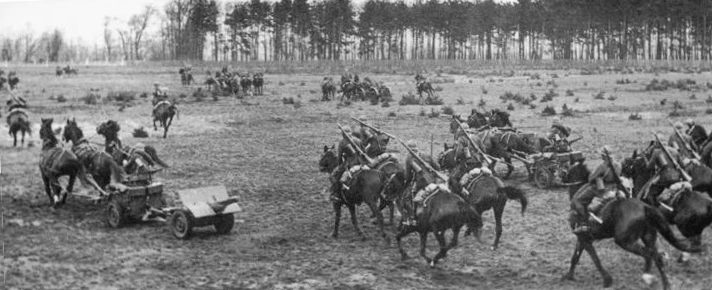
The Bzura — Kutrzeba faces the trap
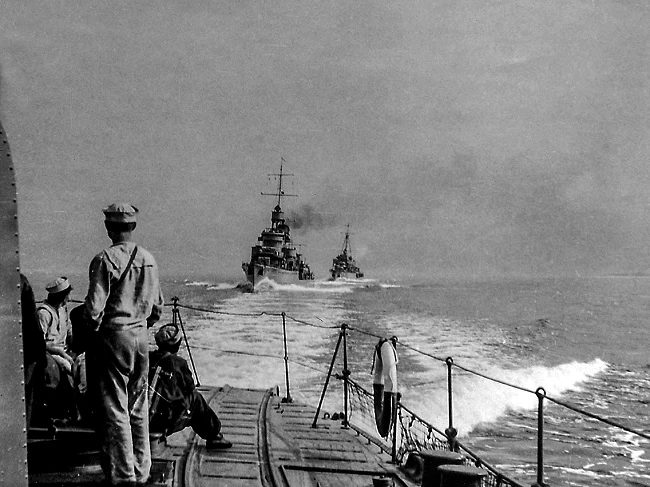
Operation Peking — Stankiewicz Facing the Sound
Rydz-Śmigły at Kuty — the directive of 17 September
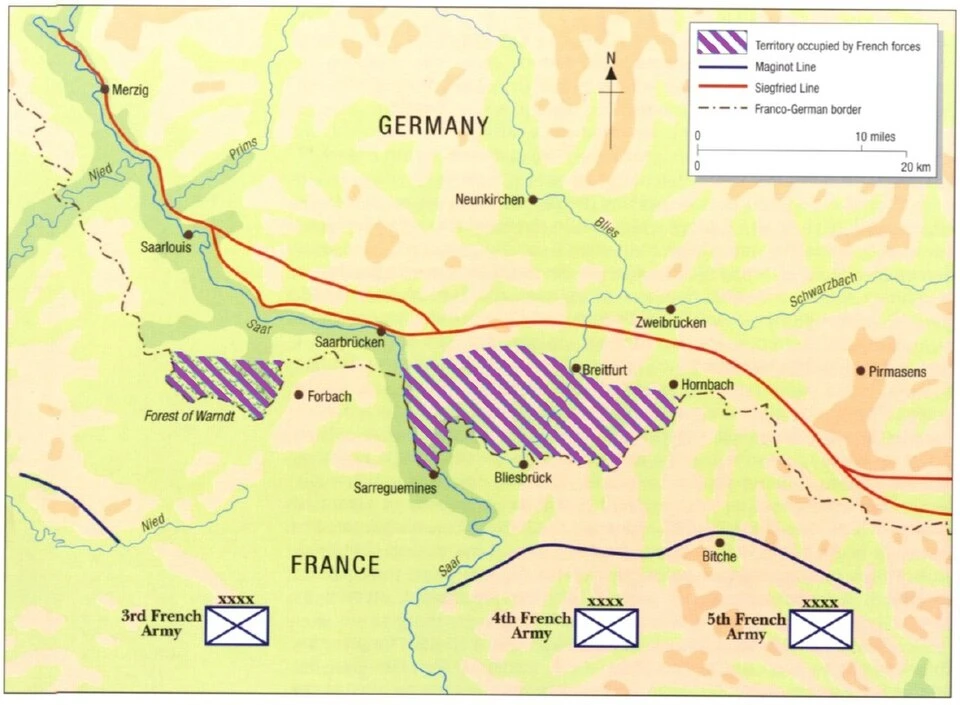
The Saar Offensive — Gamelin at Vincennes
Sosabowski — Coëtquidan, November 1939

Borakowski and the merchant fleet
Brześć — Plisowski faces Guderian
Commanding a battle without radio
De Gaulle calls on Churchill — 9 June
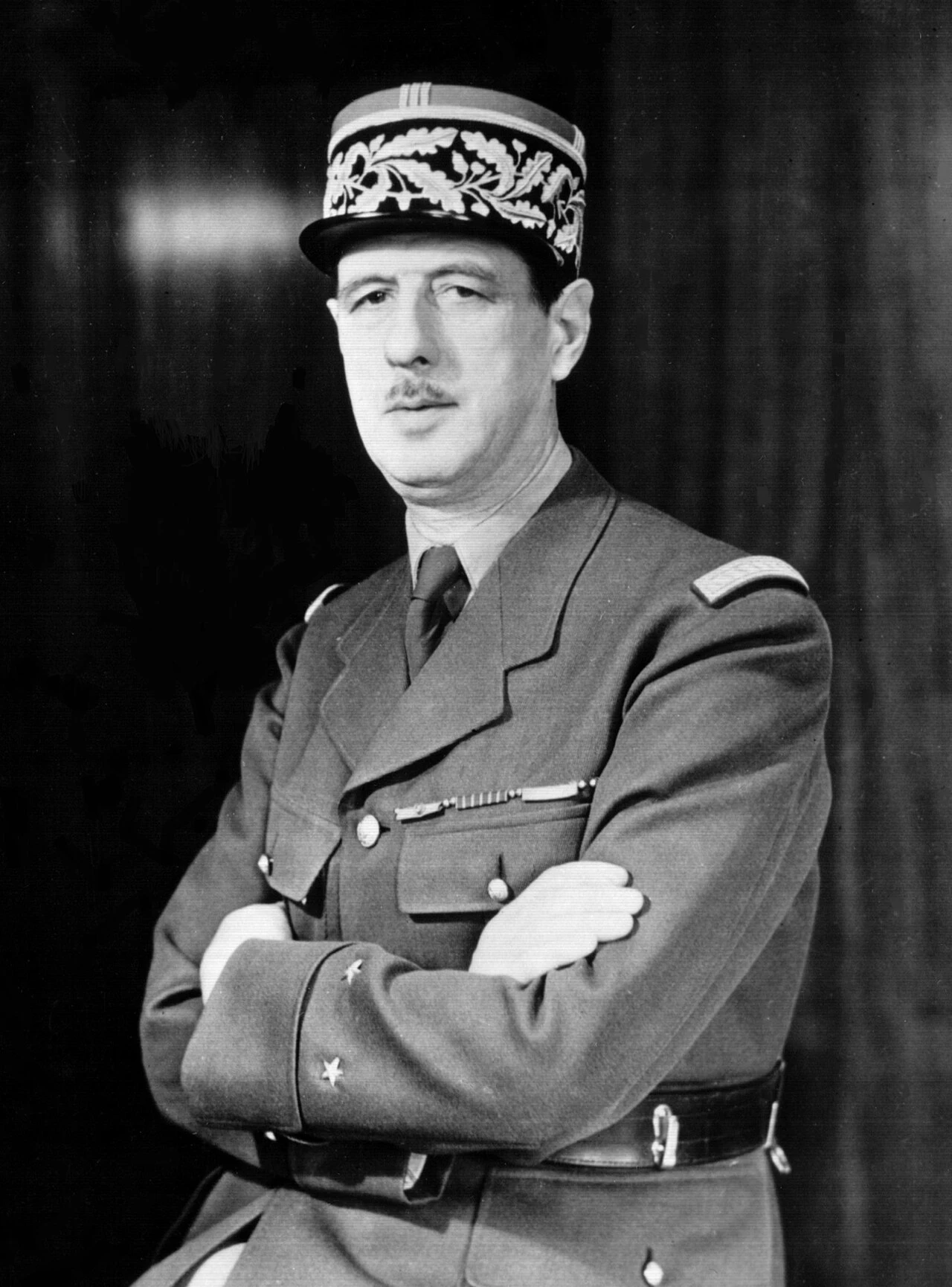
De Gaulle joins the government — 5 June
The Bzura — Kutrzeba faces the trap
Operation Peking — Stankiewicz Facing the Sound
Rydz-Śmigły at Kuty — the directive of 17 September
The Saar Offensive — Gamelin at Vincennes
Sosabowski — Coëtquidan, November 1939
Borakowski and the merchant fleet
Brześć — Plisowski faces Guderian
Commanding a battle without radio
De Gaulle calls on Churchill — 9 June