
Haunted by the memory of the poison gas of 1914–1918 and by the theory that 'the bomber will always get through', the British dread above all an aerial gas attack against their cities. Even before the war, the government organises a mass civil defence: the distribution of gas masks reaches tens of millions, trenches and Anderson shelters are dug in gardens, and blackout drills are scheduled.
For families, these preparations impose concrete, daily choices. The threat appears at once imminent and abstract; the effort demanded is real.
You are a London family. Should you take all the instructions seriously — wearing masks at all times, installing a shelter in the garden, signing up for the evacuation schemes, scrupulously observing the coming blackout — at the price of a life upended by fear? Stick to the legal minimum, hoping nothing happens? Or ignore preparations judged alarmist, at the risk of being caught off guard? The decision determines the safety of your home if war breaks out.
Should our family seriously comply with the civil defence instructions, or judge them excessive?
Most British families fall in with A or B: on the eve of the war, tens of millions of gas masks have been distributed, hundreds of thousands of Anderson shelters installed, and the population enrolled in a vast civil defence organisation (ARP). Gas, so dreaded, will in the end never be used against Britain; but conventional bombing, for its part, will strike hard. These preparations, sometimes mocked as excessive in 1939, will shape the 'home front' and the spirit of collective resilience that will mark the war. The fear of gas will have mobilised an entire nation even before the first shot was fired.
Learn more about this event
Related polls
10
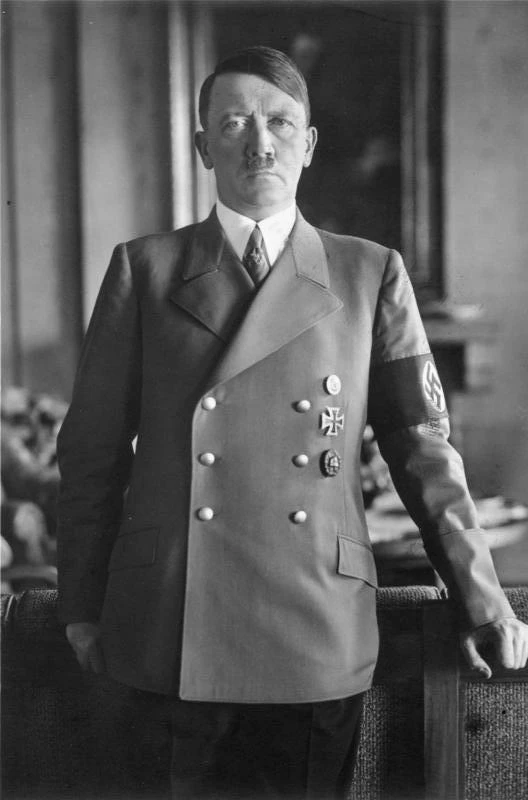
Coventry — the night of November 14
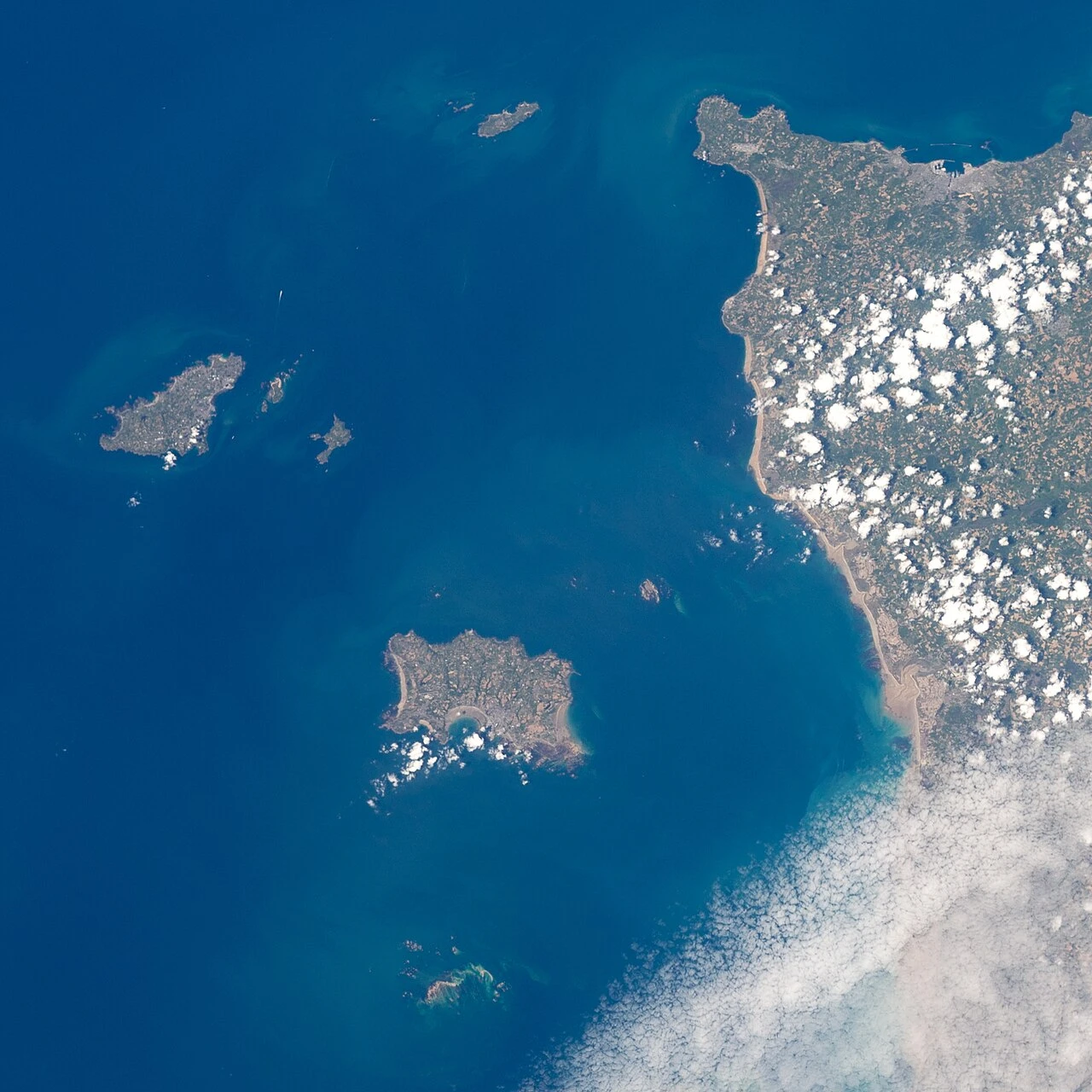
The Channel Islands — open city?
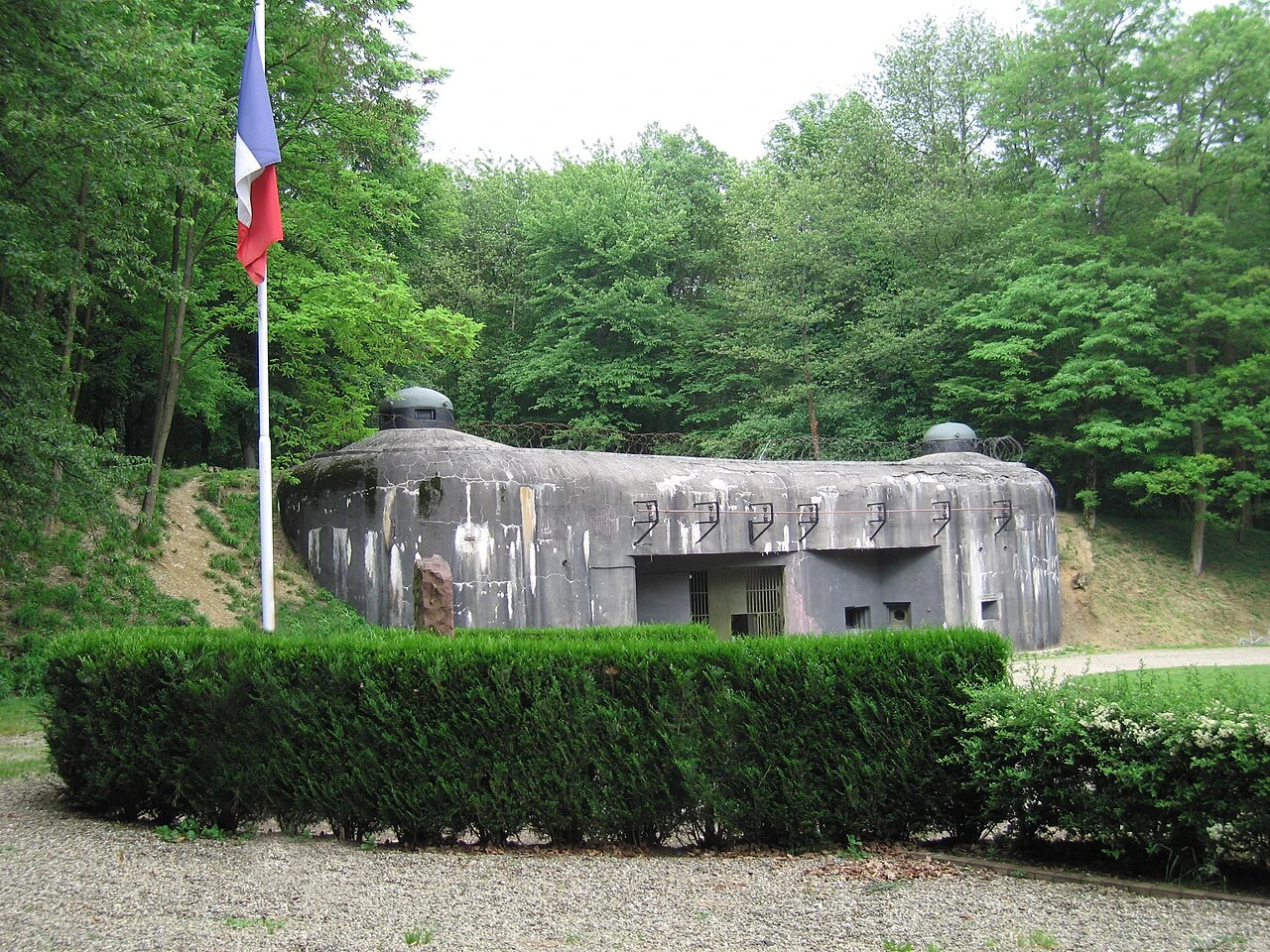
The Forbidden Zone of Alsace — what to do with the civilians of the Rhine?

The Conscientious Objector
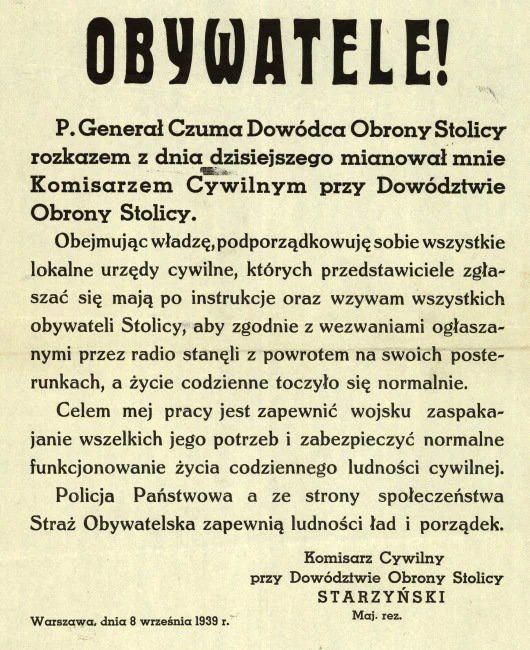
Warsaw Under Siege: Feeding the City or the Front
Warsaw Under Siege — Operating Without Morphine
Cambridge, 1939: The Evacuated LSE Student and Conscription
The Evacuation of the Children
British Coal for the Winter of 1939
Operation Pied Piper — Womersley and the evacuation
Coventry — the night of November 14
The Channel Islands — open city?
The Forbidden Zone of Alsace — what to do with the civilians of the Rhine?
The Conscientious Objector
Warsaw Under Siege: Feeding the City or the Front
Warsaw Under Siege — Operating Without Morphine
Cambridge, 1939: The Evacuated LSE Student and Conscription
The Evacuation of the Children
British Coal for the Winter of 1939