
Hitler at the Sportpalast — 30 January, 8 pm
Each 30 January since the seizure of power in 1933, Hitler delivered a commemorative speech at the Berlin Sportpalast — the iconic hall of Nazism, a venue of mass propaganda. The 30 January 1940 marked the 7th anniversary of the accession.
Audience: 25,000 people in the Sportpalast, broadcast on all German and neutral frequencies. Preparation: Hitler personally drafted the speech over 5 days (16-21 January), with reworking by Goebbels.
Context: the Phoney War was paralysed in the West (Hitler had just postponed Fall Gelb once again), Poland was militarily destroyed but administratively complex, the Soviet-Finnish Winter War was humiliating the USSR ally, and the United States was openly rearming (Cash and Carry). Hitler had to: - Reassure German opinion (worried about a prolonged war and tightened rationing) - Threaten the Allies without triggering the invasion (still postponed) - Justify the extermination policies in the East (Frank, Greiser) without naming them publicly - Glorify his own stature
Hitler had to choose the speech's dominant tone.
What dominant tone does Hitler adopt in the speech?
Hitler combined B and C. The speech lasted 1 hour 47 minutes. Key passages: - Restatement of his "prophecy" of 30 January 1939: "If international Jewry inside and outside Europe were to succeed in plunging the peoples once again into a world war, the result will be (...) the annihilation of the Jewish race in Europe" — repeated almost word for word - Attacks on the British pluto-democracy ("Britain controls 40 million km², Germany 600,000 — and that is what they call 'freedom'?") - Not a word on the Soviet-Finnish Winter War (an awkward alliance) - Vague evocation of "harsh measures" in Poland without naming Frank or the - Final apotheosis: "The 7th anniversary of our seizure of power finds us stronger than ever. This war, we will win."
Reception: prolonged ovation, intensively exploited by Goebbels' propaganda. The "prophecy" repeated on 30 January 1940 would be invoked regularly by Hitler himself as retrospective justification for the Final Solution (see Goebbels' diary, 12 December 1941). The speech of 30 January 1940 is regarded today by historians () as one of the explicit public announcements of the extermination project — though its scope was not understood at the time as a genuine plan.
Learn more about this event
Related polls
10
Welles with Hitler — 2 March 11:00
Hitler — the Reichstag Speech
Berlin, October 1941: The Words of Victory
Brauchitsch — Reich Chancellery, 5 November
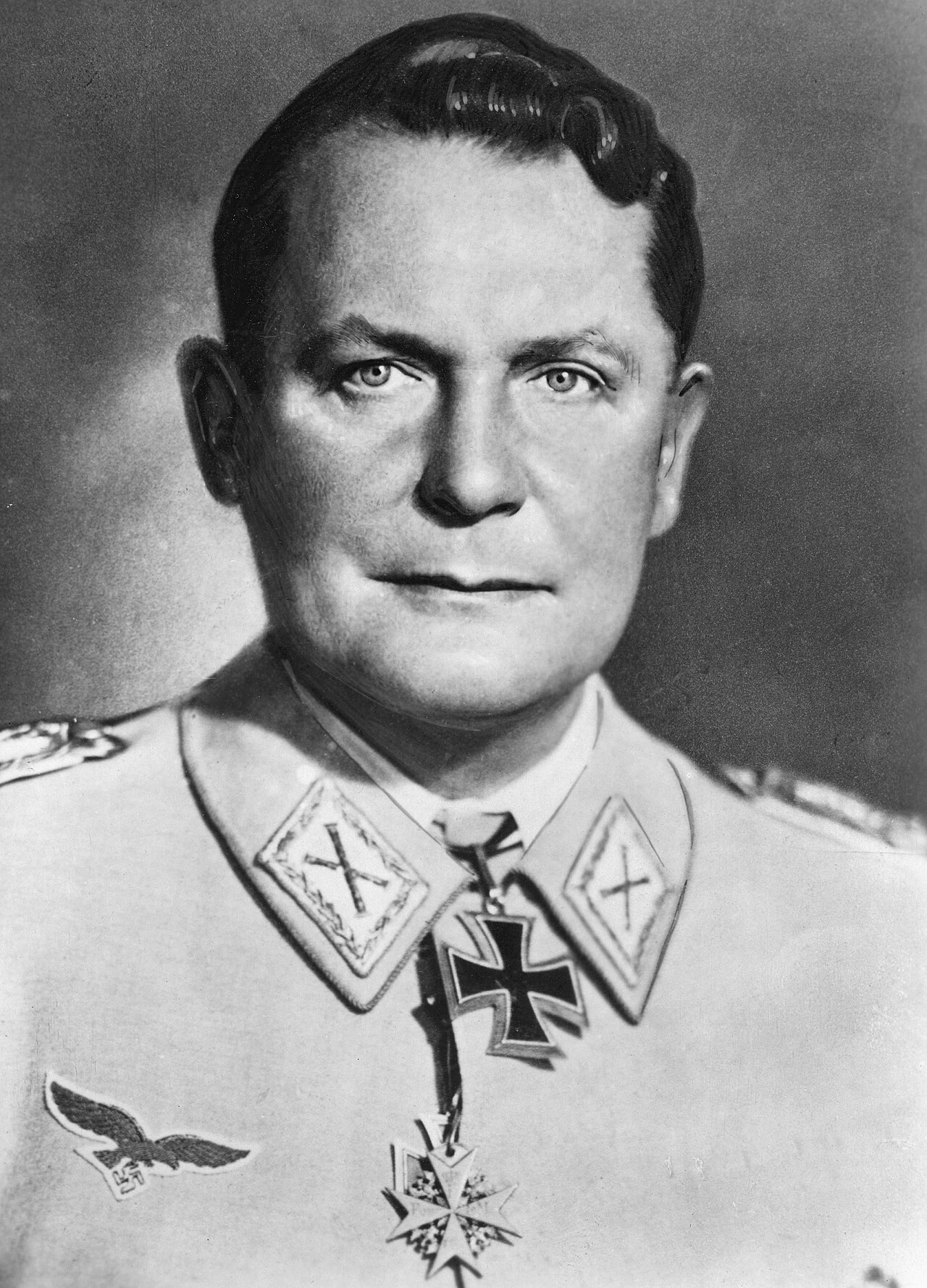
Goering at Carinhall — the promise to Hitler
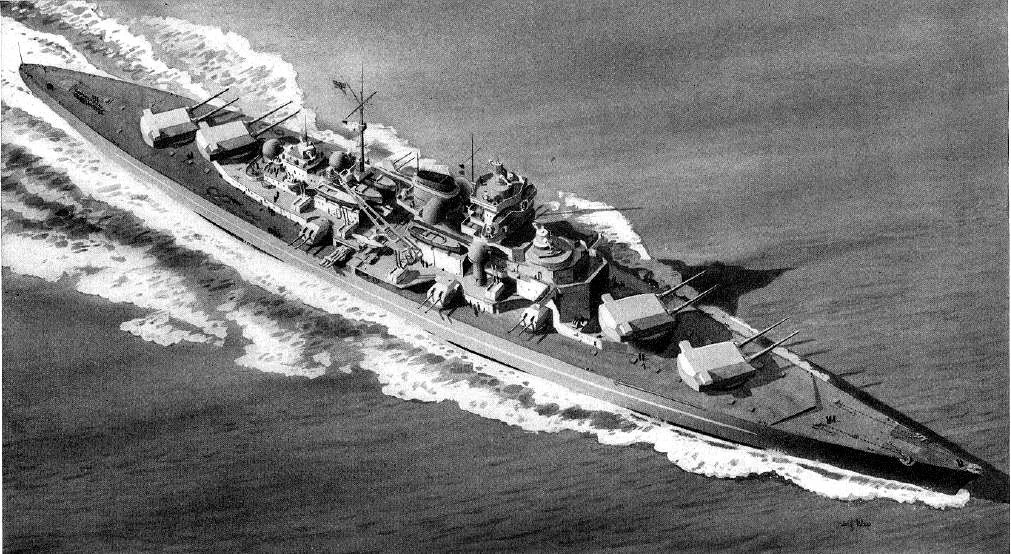
Goering — the economic mobilization plan
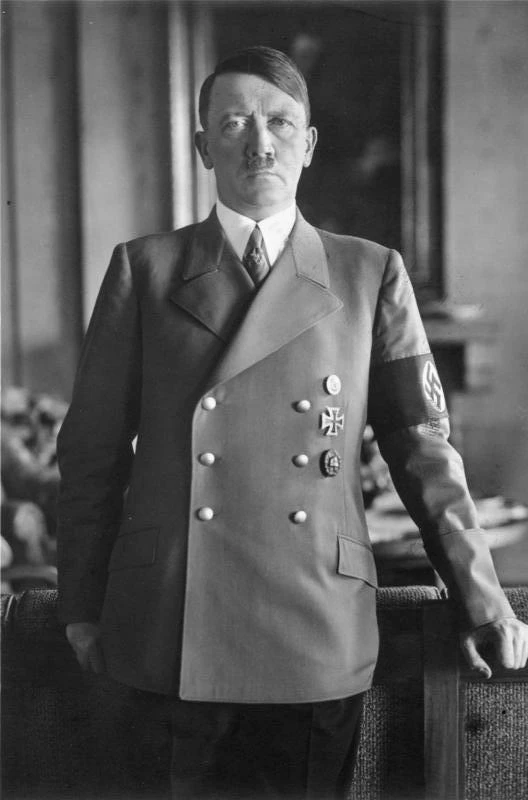
Hitler at Compiègne — 22 June 4:30 p.m.
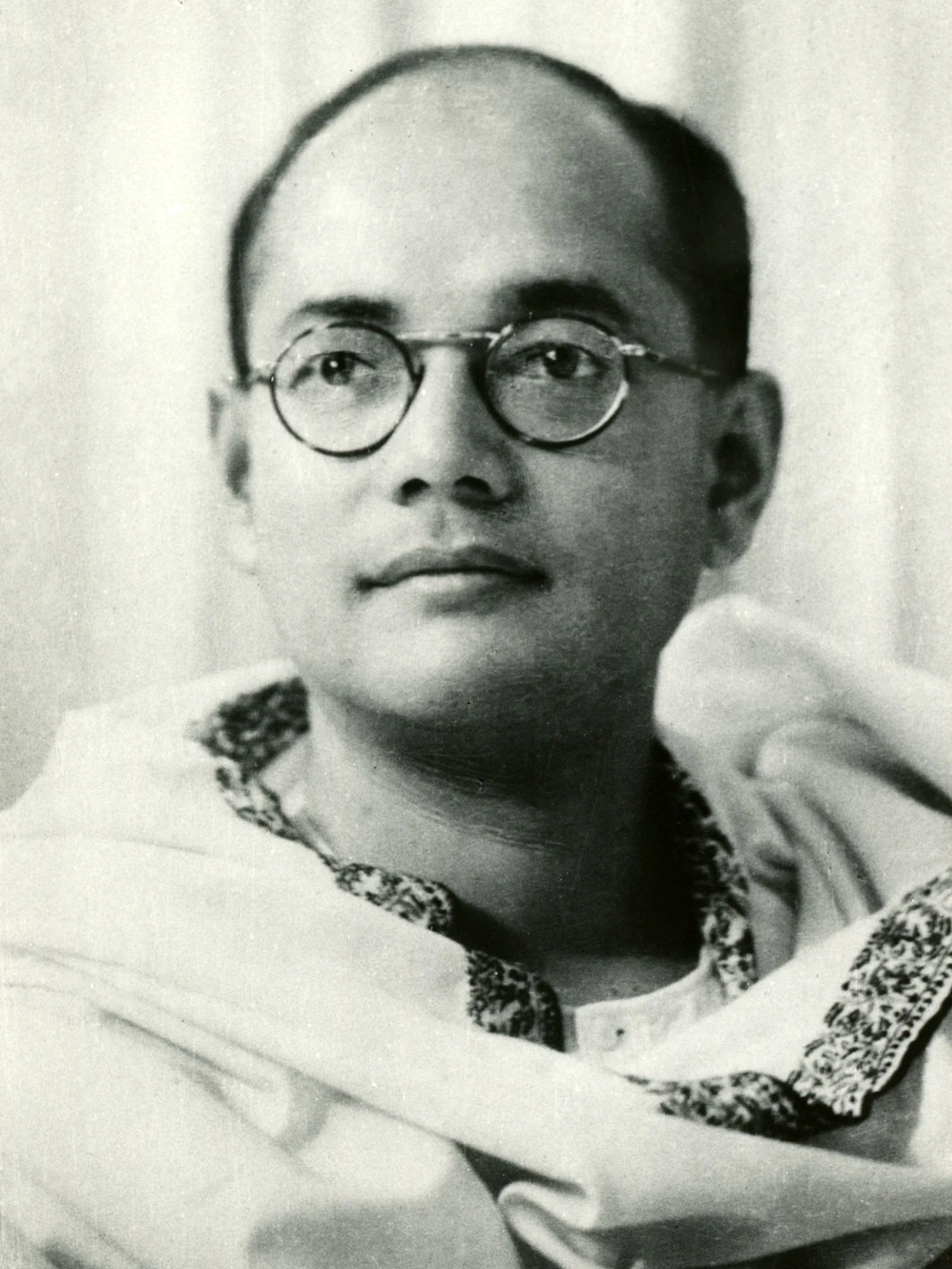
The Indische Legion — Subhas Chandra Bose in Berlin
Speer at headquarters - Todt's portfolio
Stalin at 60 — Hitler at the Kremlin
Welles with Hitler — 2 March 11:00
Hitler — the Reichstag Speech
Berlin, October 1941: The Words of Victory
Brauchitsch — Reich Chancellery, 5 November
Goering at Carinhall — the promise to Hitler
Goering — the economic mobilization plan
Hitler at Compiègne — 22 June 4:30 p.m.
The Indische Legion — Subhas Chandra Bose in Berlin
Speer at headquarters - Todt's portfolio