
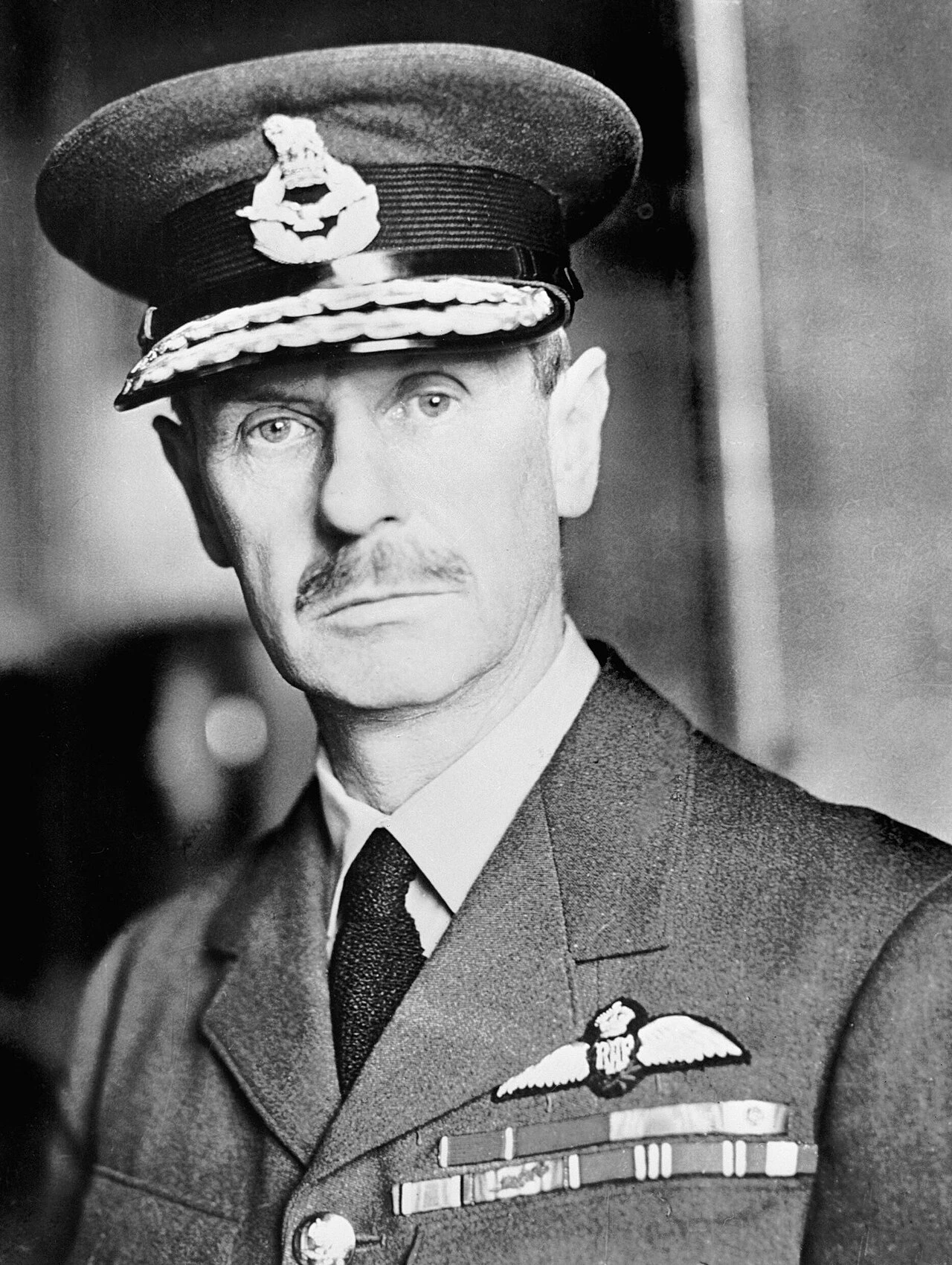
While the French front collapses, Paul Reynaud's government begs London to send more fighter squadrons to support the Battle of France. The head of Fighter Command, Air Chief Marshal , must arbitrate a crucial question: how many Hurricane and Spitfire fighters should be committed to the continent?
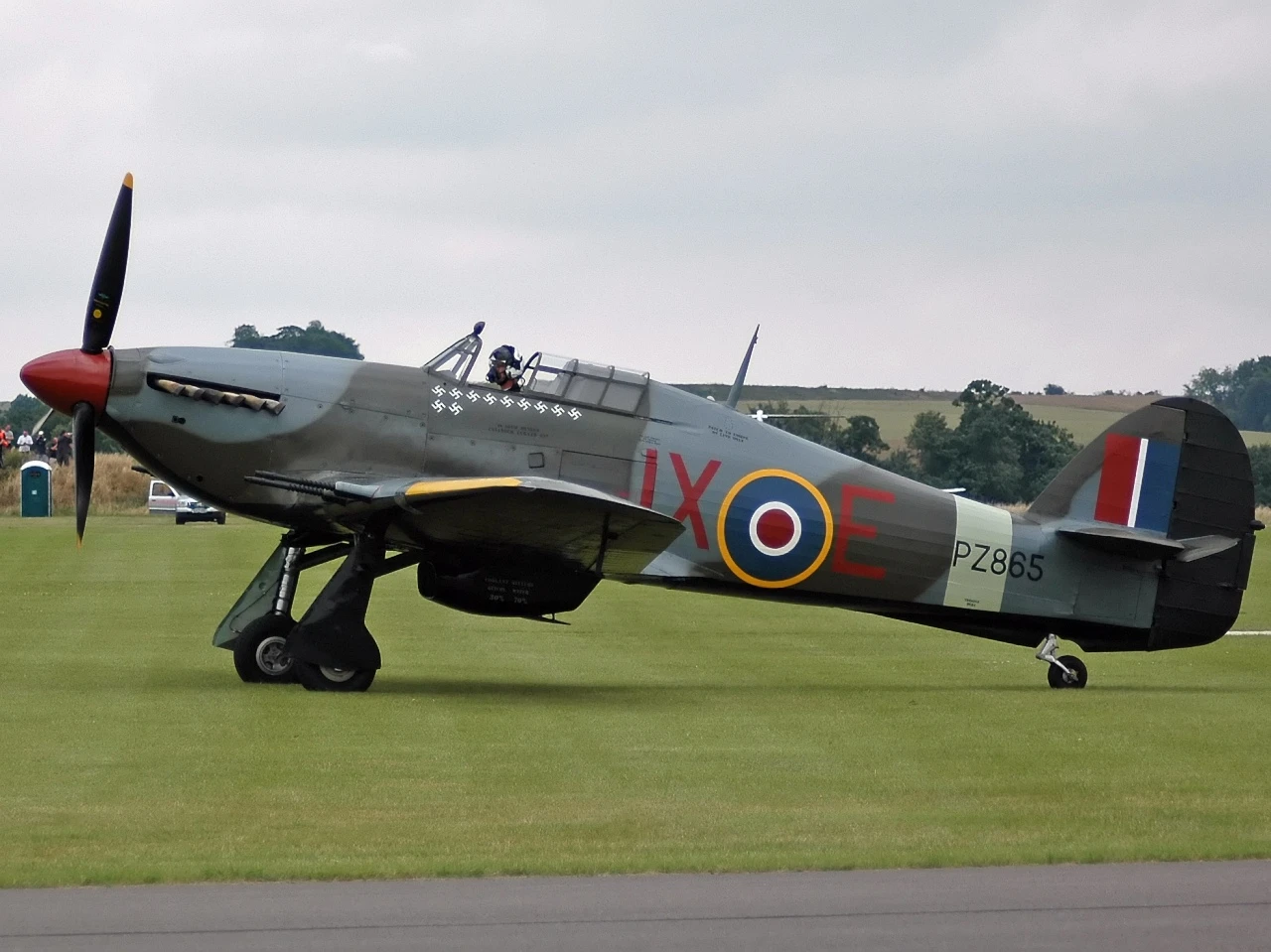
The dilemma is strategic. Sending fighters to France en masse might help to check the German advance, but at the risk of bleeding the squadrons white in a battle that is perhaps already lost — and of leaving the United Kingdom without air defence for what is to come. Holding them back preserves the defence of the island, but may be seen as abandoning the French ally.
Dowding can commit the fighters to France en masse to support the ally. Strictly limit reinforcements to preserve the air defence of the United Kingdom. Or find a compromise by sending units in small numbers. He is convinced that sacrificing his fighters in France would mean losing the next battle, that of Britain — which he knows to be inevitable.
Should Dowding commit the fighters to France en masse, preserve them for the United Kingdom, or split the difference?
Dowding imposes B: he refuses to commit the bulk of his fighters to the Battle of France, which he judges lost, and preserves his Spitfire squadrons for the defence of the United Kingdom. His firmness, against the urgent appeals of the French and of certain British officials, is one of the weightiest — and most clear-sighted — decisions of 1940: without this intact reserve of fighters, the Battle of Britain that summer would probably have been lost. On the French side, this refusal feeds the feeling of British abandonment. But Dowding was right on the essential point: the defence of the island, the last rampart, depended on the preservation of his fighters. A cruel arbitration between immediate solidarity and future survival.
Learn more about this event
Related polls
10
Dowding — Keep the Fighters?
Bombing London — and the reply on Berlin

The RAF Bombs Germany
The RAF — Fighters or Bombers
Baku in the crosshairs — Operation Pike
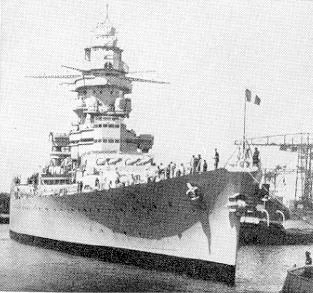
The Admiralty and the Strasbourg Rumour
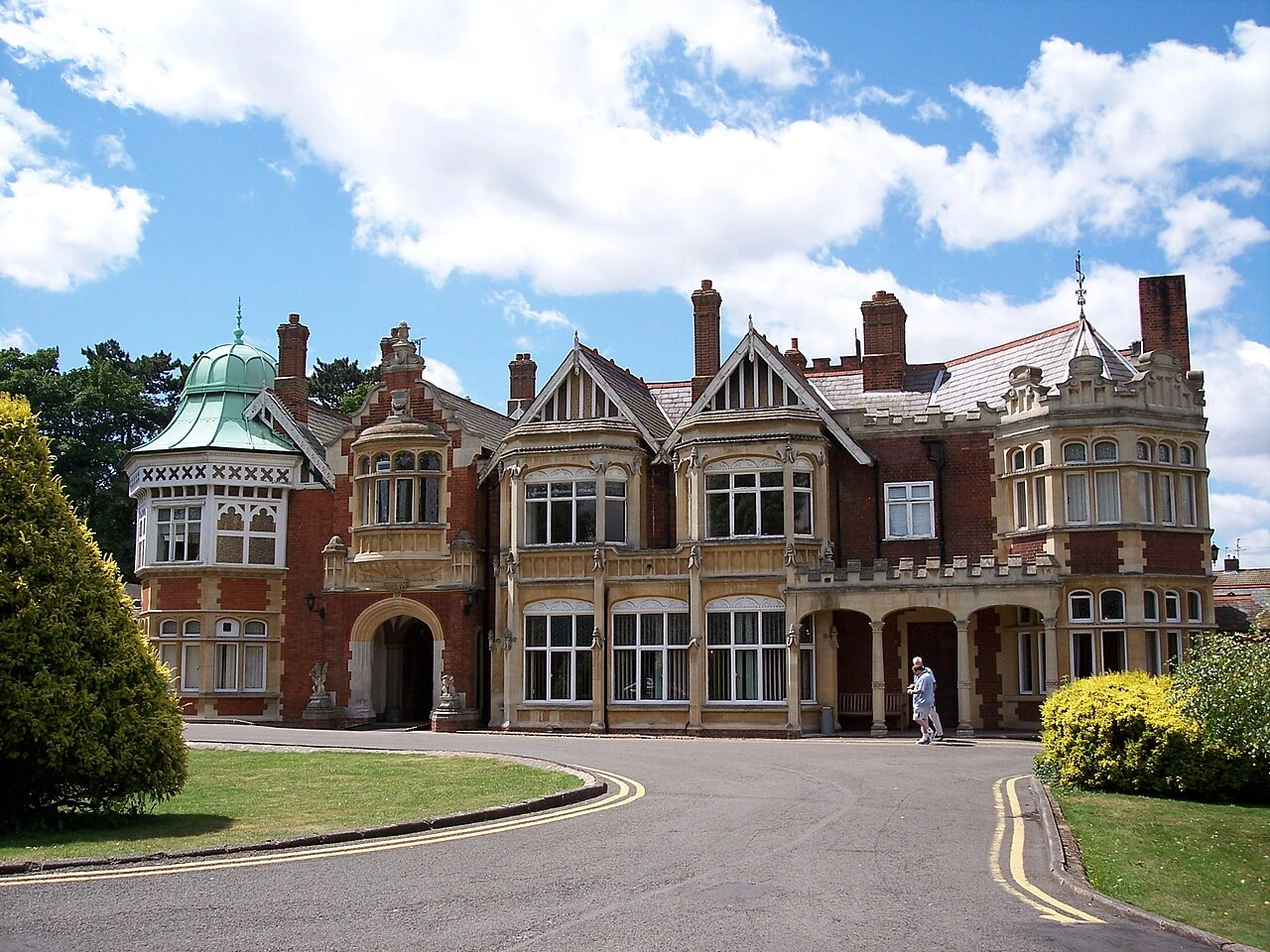
Bletchley breaks the Norway Enigma
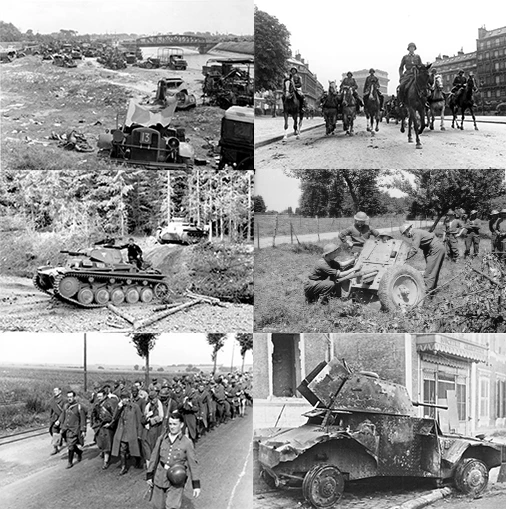
The War Cabinet — Negotiate or Carry On
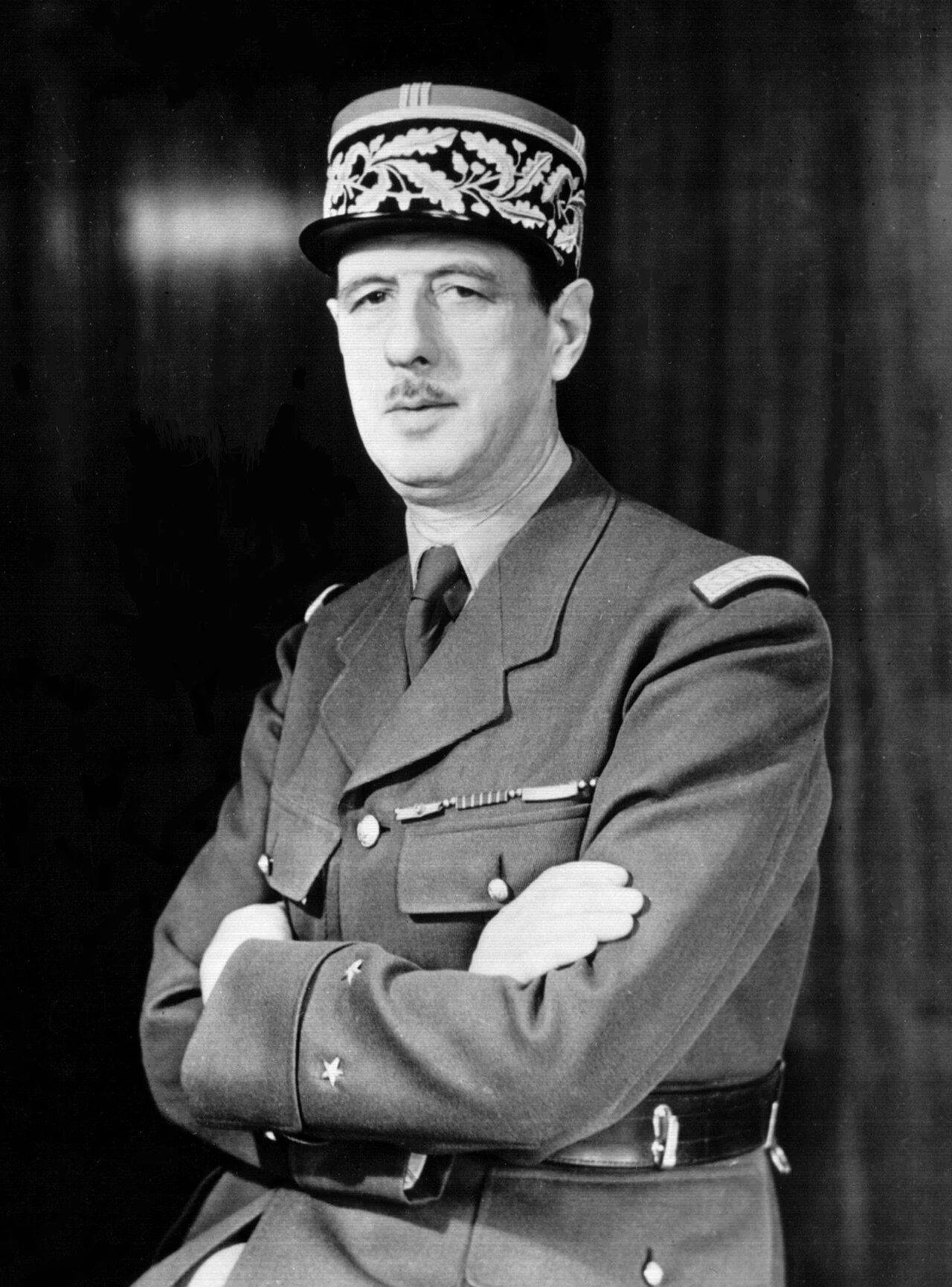
De Gaulle calls on Churchill — 9 June
Joining the free air forces
Dowding — Keep the Fighters?
Bombing London — and the reply on Berlin
The RAF Bombs Germany
The RAF — Fighters or Bombers
Baku in the crosshairs — Operation Pike
The Admiralty and the Strasbourg Rumour
Bletchley breaks the Norway Enigma
The War Cabinet — Negotiate or Carry On
De Gaulle calls on Churchill — 9 June