
De Valera — Leinster House, 2 September
, fifty-seven, has been Taoiseach (Prime Minister) of Eire since 1937 — the year of the new Constitution establishing Ireland as a fully sovereign state, an "external associate" of the British Commonwealth. A veteran of the Easter Rising of 1916, of the War of Independence of 1919-1921, of the Irish Civil War of 1922-1923, he is one of the founders of the Irish state and its most striking political leader. A fervent Catholic, a nationalist, a Gaelicist.
His foreign policy is dominated by two issues: Northern Ireland (the six counties left under British sovereignty at the time of partition in 1921) and neutrality (a doctrine of defence of Irish sovereignty against all British interference).
In 1938, by the Chamberlain-de Valera agreement, the United Kingdom returned the Treaty Ports (the Atlantic ports of Berehaven, Queenstown/Cobh, Lough Swilly) hitherto held by the Royal Navy. Those ports would have been crucial in a submarine war in the Atlantic. Churchill, then a backbencher, had vigorously protested against the return — he saw in it "one of the most unconceivable and irresponsible acts of any British government."
On 1 September 1939, at the invasion of Poland, de Valera must determine the official stance. Irish opinion is divided: the Catholic community in the north and the IRA lean towards a neutrality hostile to London, even tacit support for Germany (the logic of "my enemy's enemy"). A part of moderate Catholic opinion and business circles would prefer a discreet alignment with Britain.
What stance to announce on 2 September 1939?
De Valera officially announces A to the Dáil Eireann (Parliament) on 2 September 1939, the stance confirmed by unanimous vote. Eire's neutrality is maintained throughout the conflict — "the Emergency," as the Irish call it. But in practice, de Valera applies B. Substantial secret cooperation with London: sharing of meteorological intelligence (crucial for Allied aviation), unpublicised return of Allied airmen who fell on Irish soil (180 cases), strict internment of German soldiers who landed (200 cases), intelligence sharing through the G2 secret services (Comdt ). But on one point, categorical refusal: no authorisation for Allied ships to use the Treaty Ports, which gravely complicates the Battle of the Atlantic and costs thousands of British and Canadian lives. De Valera maintains a strict protocol: in May 1945 he officially presents his condolences to the German government on the death of Hitler — a diplomatically correct gesture, politically disastrous for Irish reputation. The decision will earn him Churchill's lasting contempt. Nevertheless, at the end of the war, Irish neutrality is widely seen as a success — preservation of national sovereignty, no occupation, no mass deaths of Irish civilians. De Valera remains politically dominant into the 1970s, dying in 1975.
Learn more about this event
Related polls
10
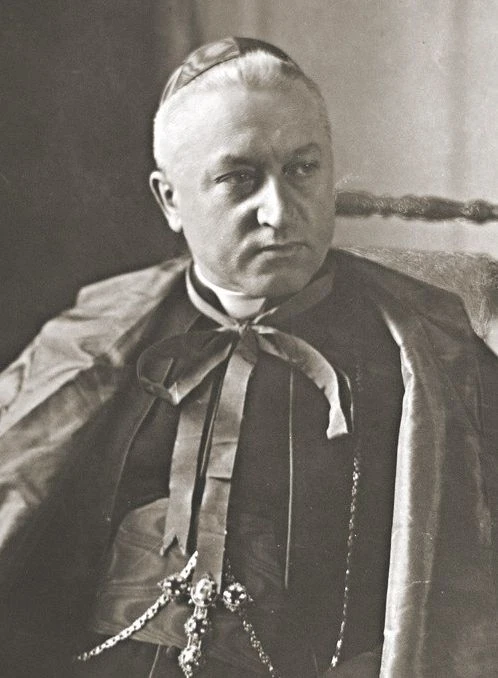
Cardinal Hlond — the Vatican's instruction
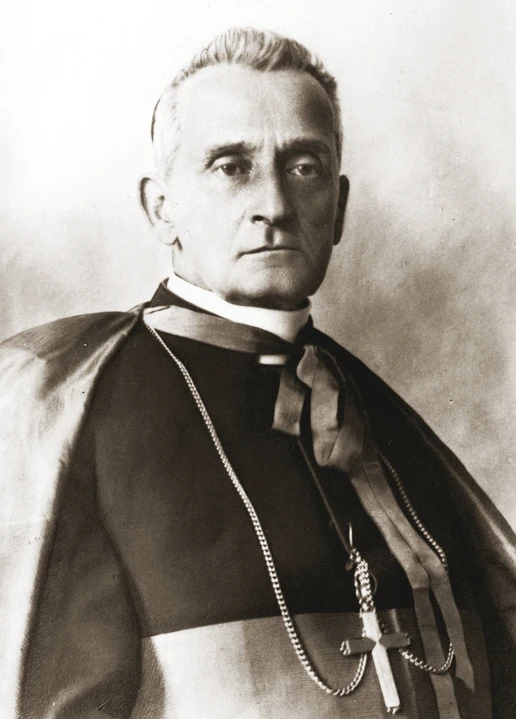
Cardinal Sapieha — Krakow under Occupation
Chamberlain — 11:15 BST
Christian X — Amalienborg, 1 September
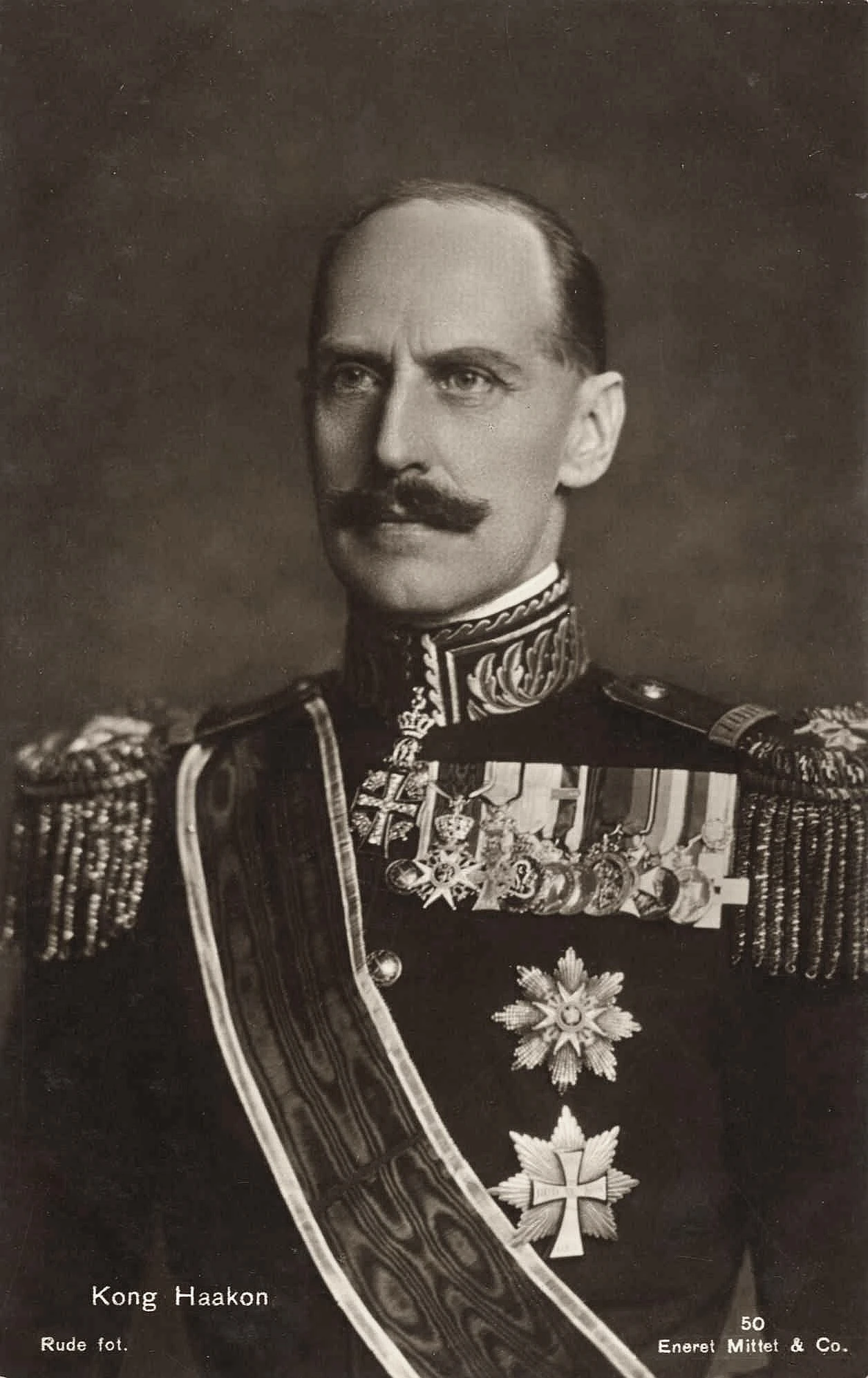
Haakon VII — Facing the Cross-Pressures
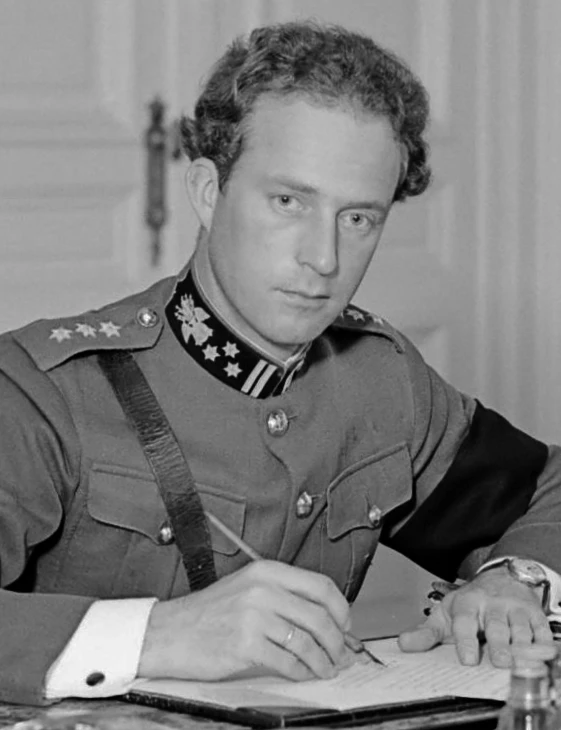
Leopold III — Brussels, 3 September
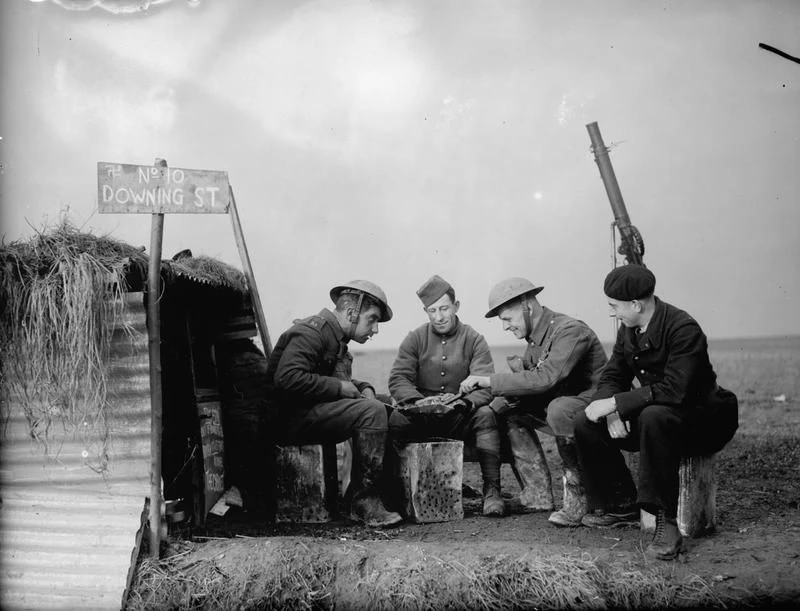
Maurras and the phoney war
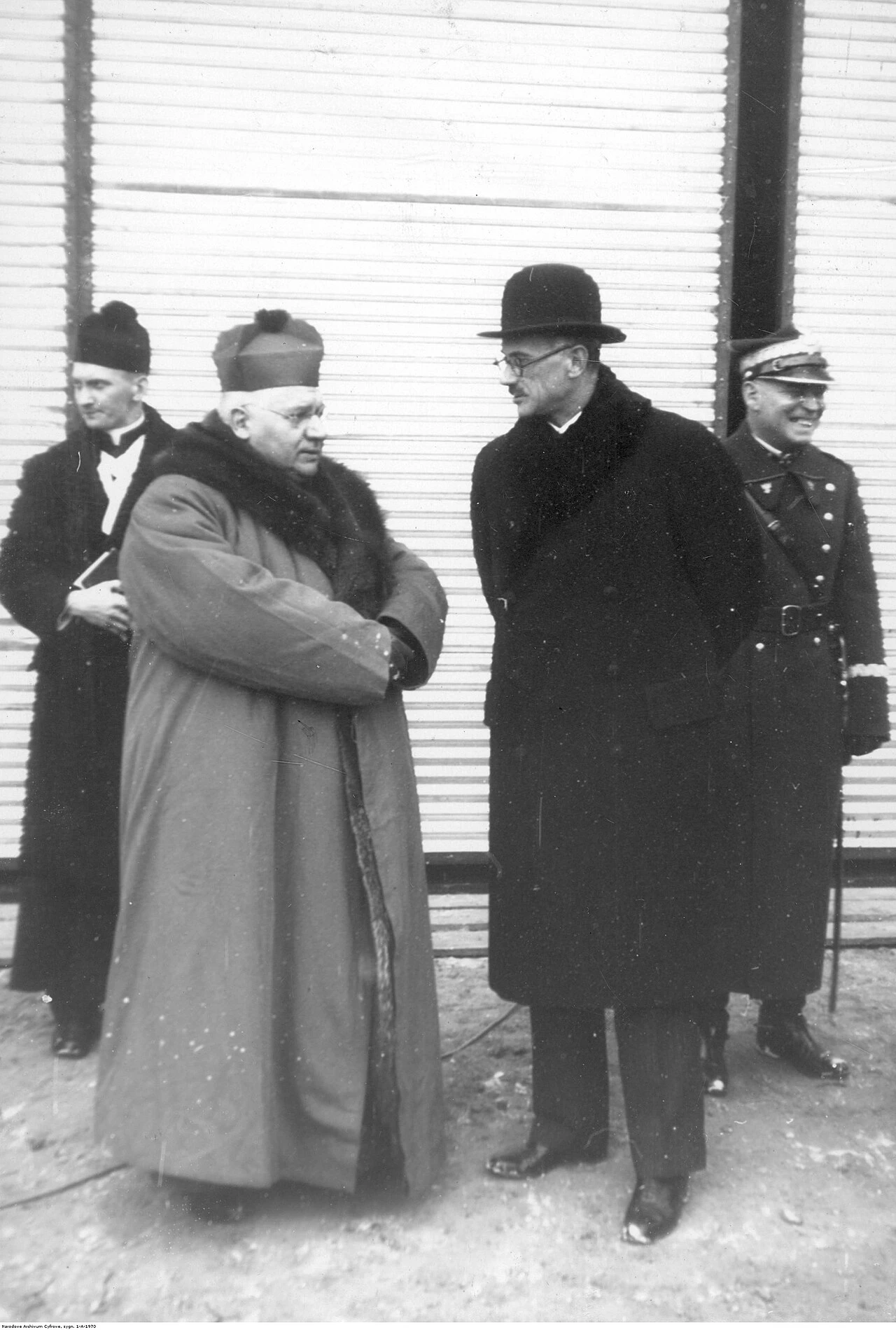
Bishop Adamski in annexed Katowice
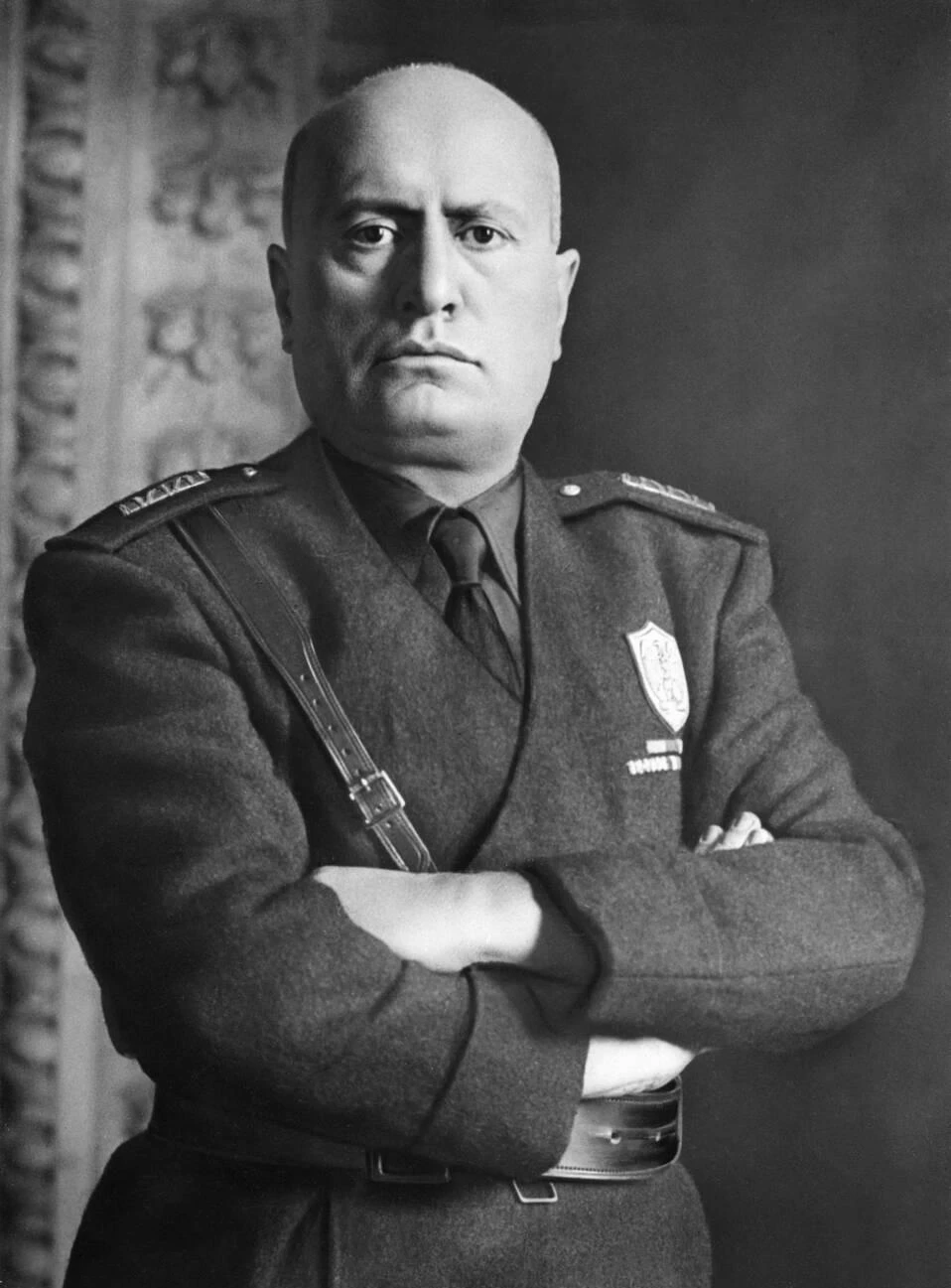
Mussolini — Palazzo Venezia, 1 September
The Gold of the Bank of Poland — the destination of the SS Eocene
Cardinal Hlond — the Vatican's instruction
Cardinal Sapieha — Krakow under Occupation
Chamberlain — 11:15 BST
Christian X — Amalienborg, 1 September
Haakon VII — Facing the Cross-Pressures
Leopold III — Brussels, 3 September
Maurras and the phoney war
Bishop Adamski in annexed Katowice
Mussolini — Palazzo Venezia, 1 September