
The Mechelen incident (captured plans)
On 10 January 1940, a German liaison aircraft, lost in the fog, made an emergency landing on Belgian soil near Maasmechelen. On board, an officer was carrying documents: part of the plans for the German offensive in the West ("Fall Gelb"), which at that point envisaged an attack through Belgium. The officer tried to burn the papers, but the Belgians recovered compromising fragments.
The Belgian high command thus held a major — but explosive — piece of intelligence. Belgium was officially neutral: to exploit these plans openly, share them with the Allies and reinforce the defence would risk provoking Germany and breaking neutrality. To ignore them would be to expose itself to an attack whose direction was now known.
The command could discreetly alert the Allies and coordinate the defence, while reinforcing its dispositions. It could reinforce the defence alone, sharing nothing, to preserve neutrality. Or it could change nothing, fearing a trap or German deception. The incident raised the whole question of the Belgian dilemma: to prepare for invasion without ceasing to be neutral.
Should the Belgian command alert the Allies and reinforce the defence, act alone, or change nothing?
Belgium adopted a cautious course close to A and B: it raised its alert level, partially shared the information with the Allies and increased its vigilance, without abandoning its neutrality or authorising the pre-emptive entry of Franco-British troops. On the German side, the Mechelen incident sowed doubt about the security of the Fall Gelb plan and was among the factors that, a few weeks later, would push Hitler to adopt the Manstein plan — the breakthrough through the Ardennes, further south. Paradoxically, the leak thus helped to redirect the offensive away from the axis that the Belgians now believed they knew.
Learn more about this event
Related polls
10
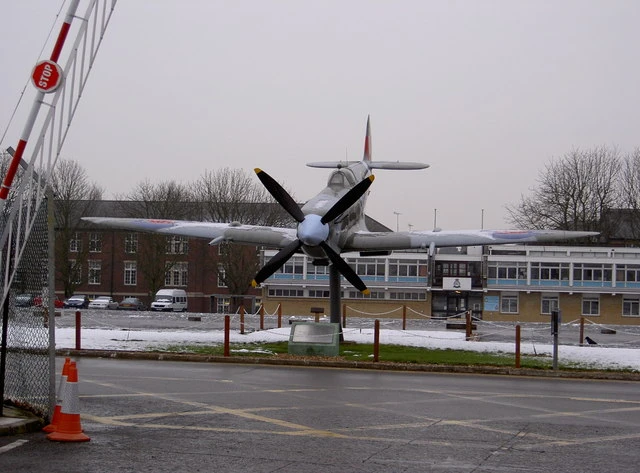
The Uxbridge plotter
The abatis of the Chasseurs Ardennais

The Belgian air force on the ground
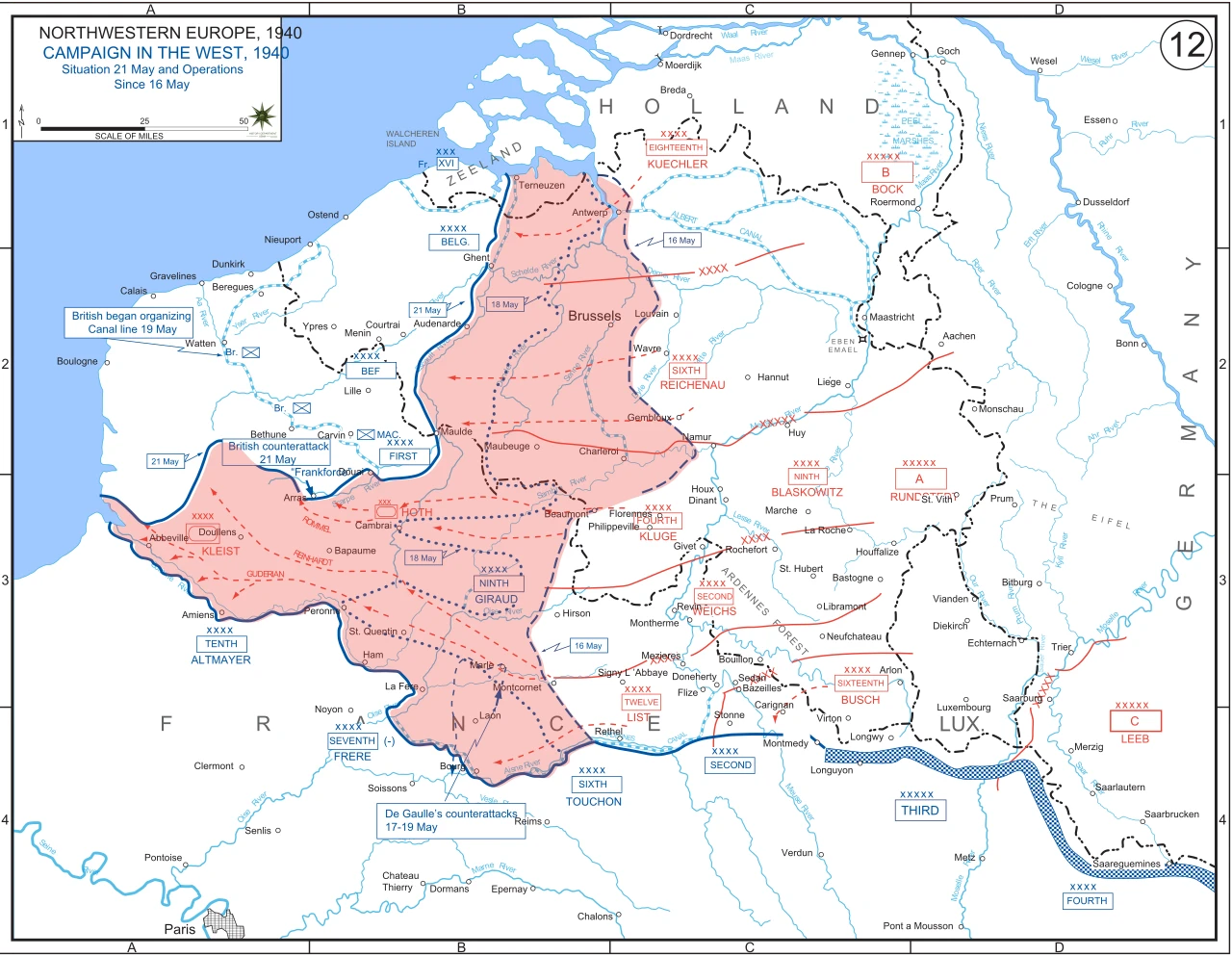
The Battle of the Lys
The Last Stand on the Lys
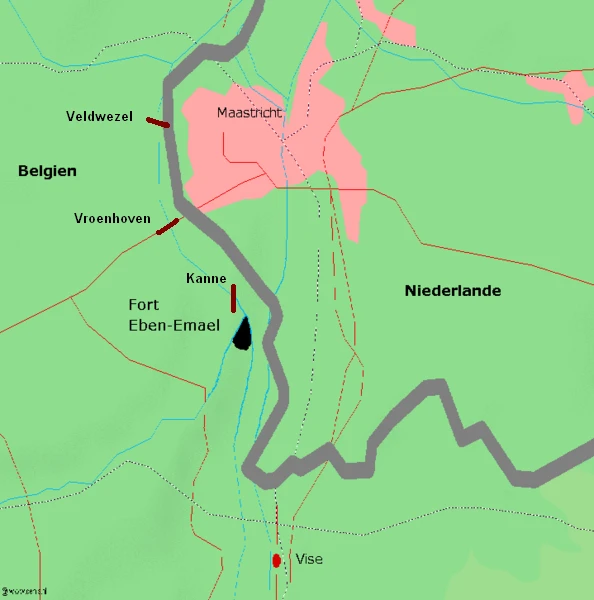
The bridges of the Meuse
Eben-Emael — Jottrand under the explosions
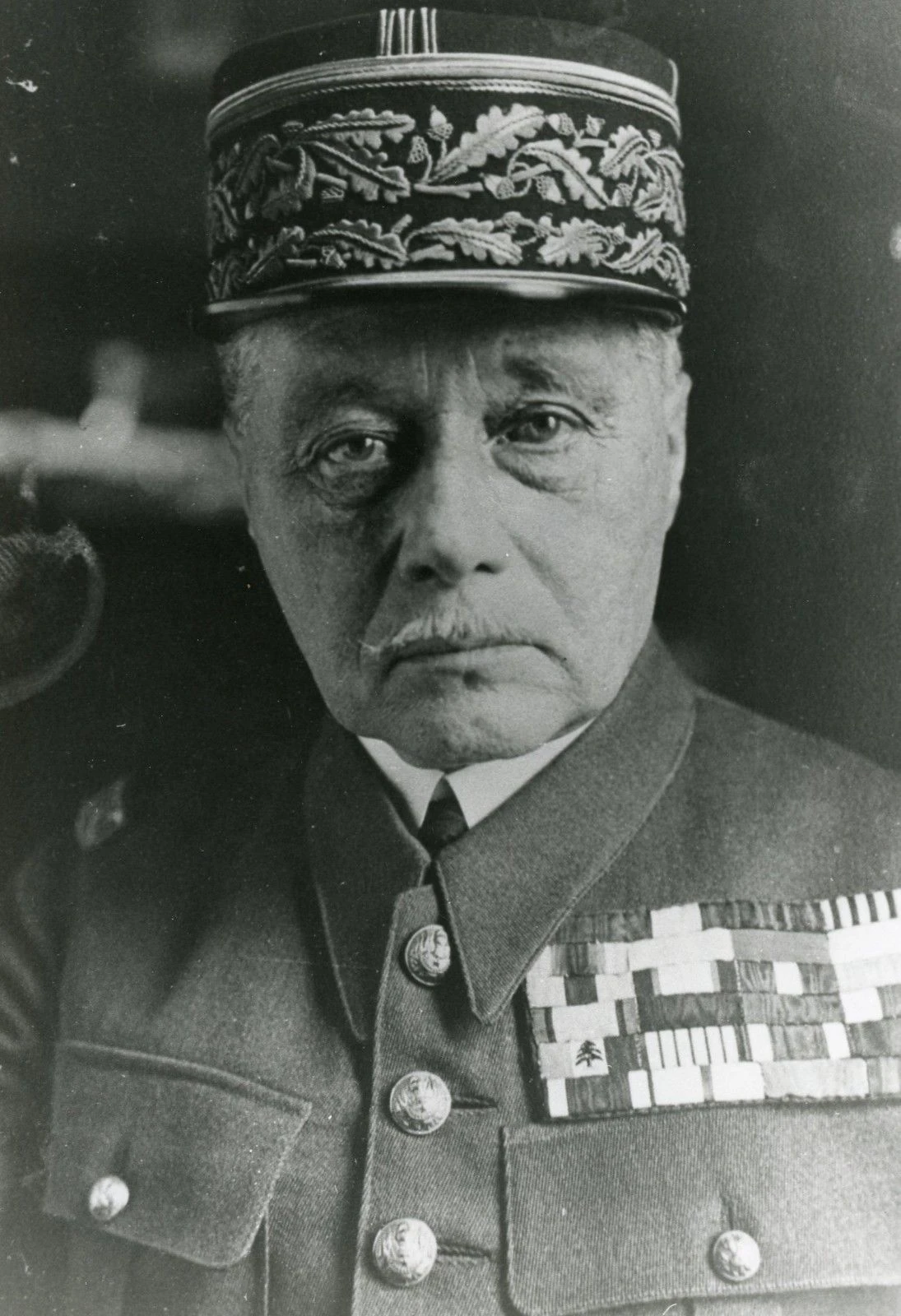
Gamelin and the defensive posture
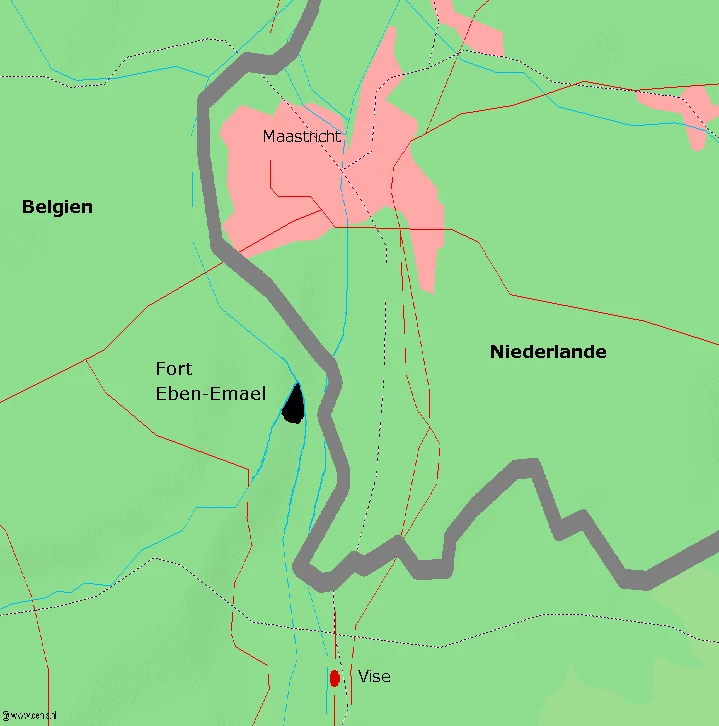
The garrison of Ében-Émael
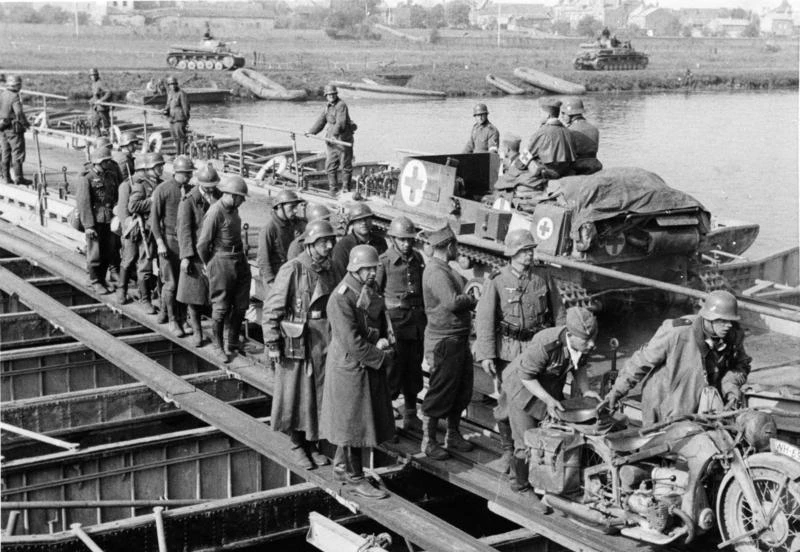
The charges are set beneath the deck
The Uxbridge plotter
The abatis of the Chasseurs Ardennais
The Belgian air force on the ground
The Battle of the Lys
The Last Stand on the Lys
The bridges of the Meuse
Eben-Emael — Jottrand under the explosions
Gamelin and the defensive posture
The garrison of Ében-Émael