
North of Dinant, at Houx, the Meuse presents a peculiarity: an old weir-and-lock, extended by a dike, reaches an islet in the middle of the river, offering a passage on foot — narrow, slippery, but crossable without bridge or boat. During the night of 12–13 May, the German advance guard (motorcyclists and reconnaissance elements of Rommel's division) spotted this route.
The French defence of the sector, convinced that the Meuse was a secure obstacle, kept poor watch over this singular point, at the junction of two units. The German advance guard had to decide. It could attempt at once, by night and in silence, to send infantry across by the dike to establish a bridgehead on the west bank. It could wait for the regular crossing equipment (boats, bridges) and artillery support. Or it could simply report the passage without committing to it.
The stakes were considerable: a bridgehead, however tiny, established by surprise during the night would undermine the entire defence of the Meuse north of Dinant, at the poorly guarded hinge between two French armies.
Should the German advance guard cross the Meuse by night via the Houx weir, wait for the regular equipment, or merely report the passage?
The Germans chose A: during the night of 12–13 May, infantry slipped across by the Houx weir and the islet, establishing one of the first German bridgeheads on the west bank of the Meuse — even before the main thrust of Rommel's effort at Dinant. The passage, neglected by a French defence poorly articulated at the junction of two units, illustrates how the Meuse obstacle, deemed secure, contained flaws that German daring and initiative exploited. Widened in the following hours, this bridgehead contributed to the collapse of the 's front. Houx shows how a detail of terrain, poorly watched, can decide a battle.
Learn more about this event
Related polls
10
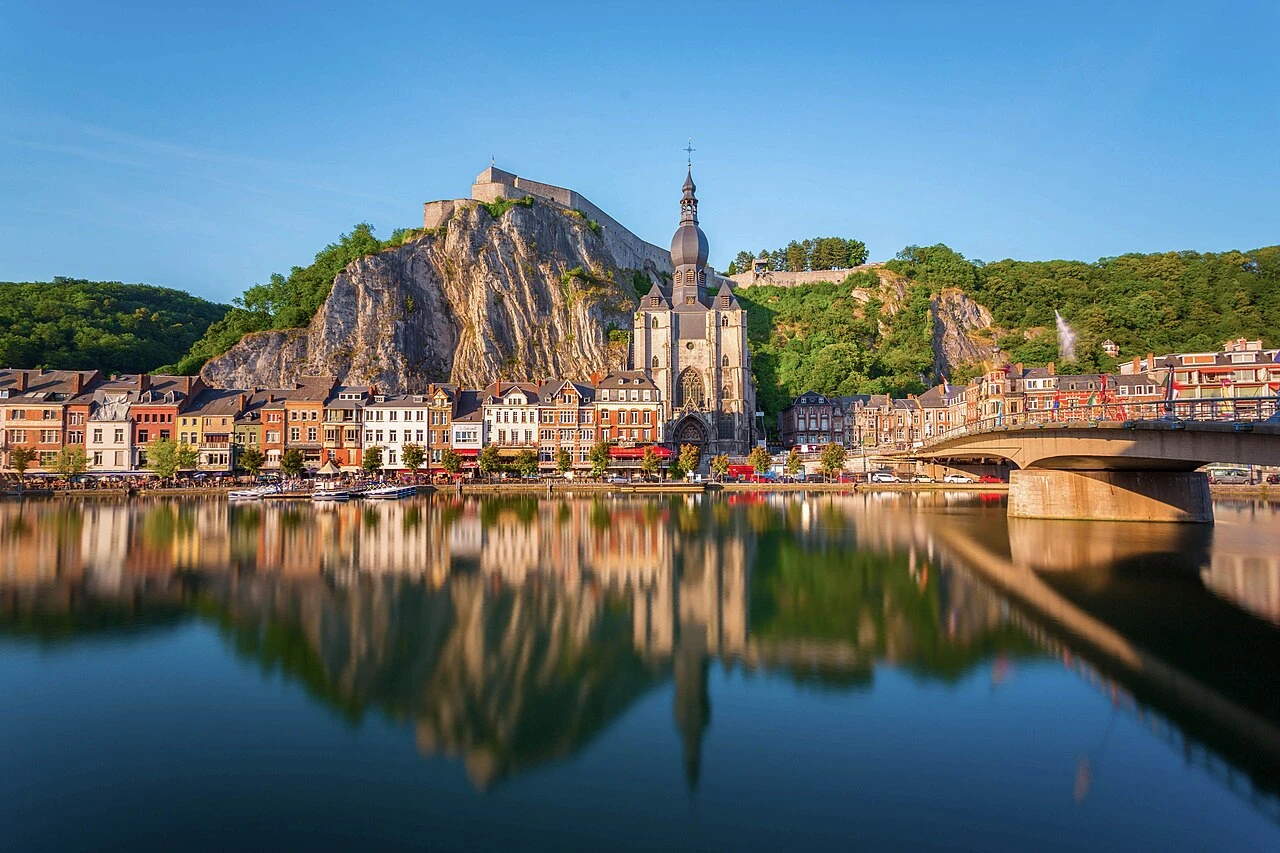
The crossing of the Meuse at Dinant
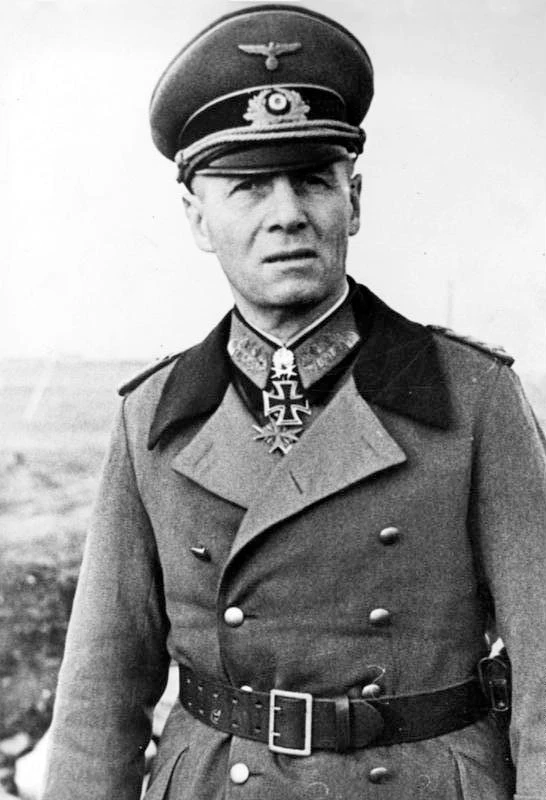
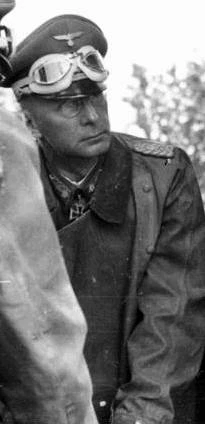
Rommel before the Meuse — Dinant, 13 May
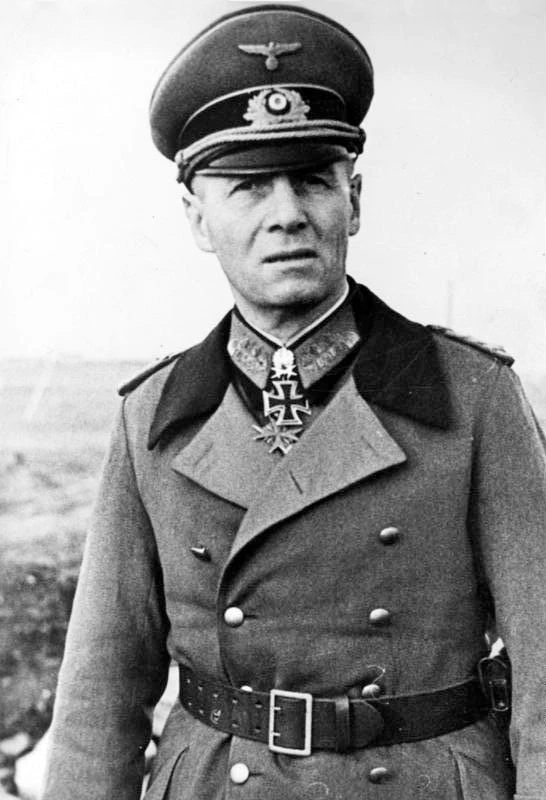
Rommel before the Serre — the Crécy bridge
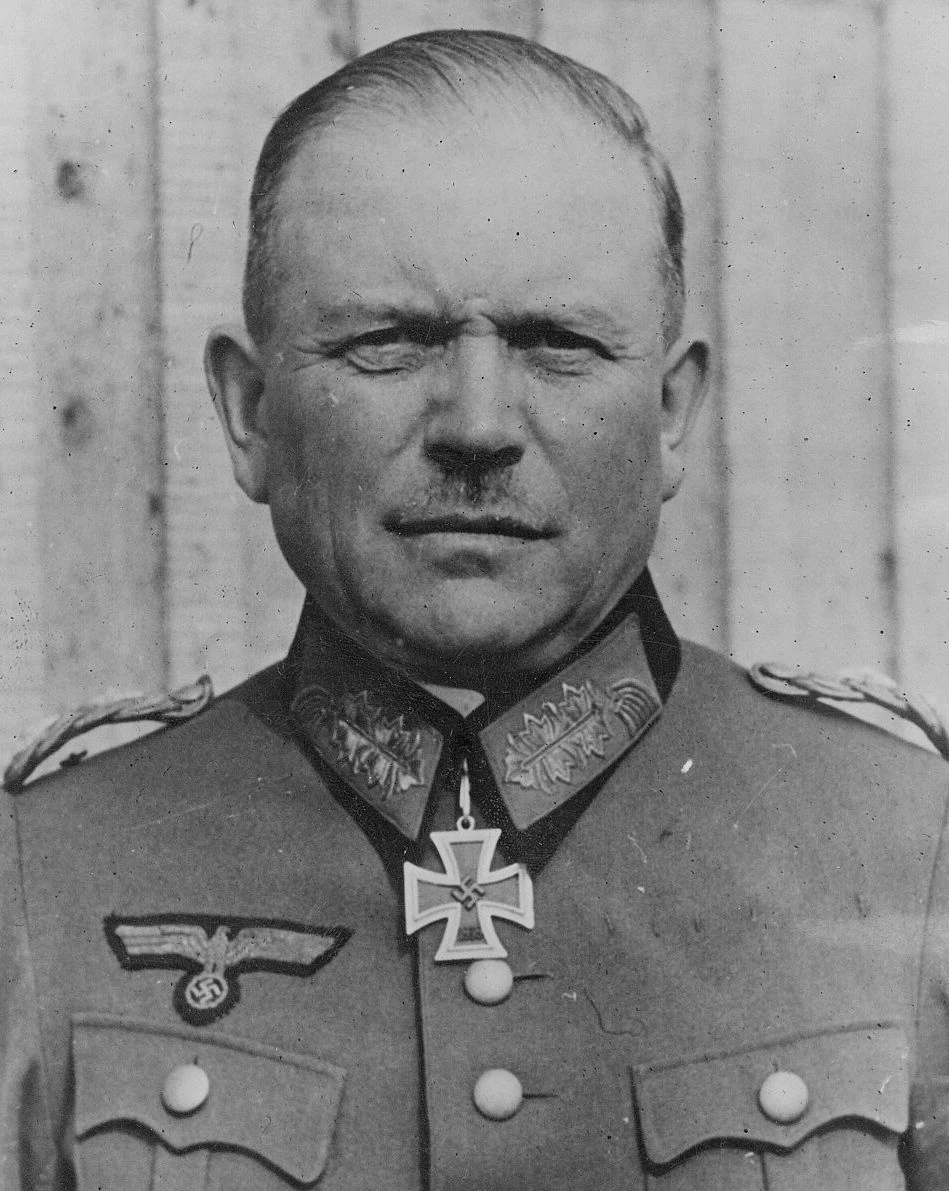
Sedan — Guderian on the Meuse
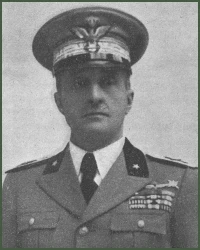
Pintor in the Alps — 21 June
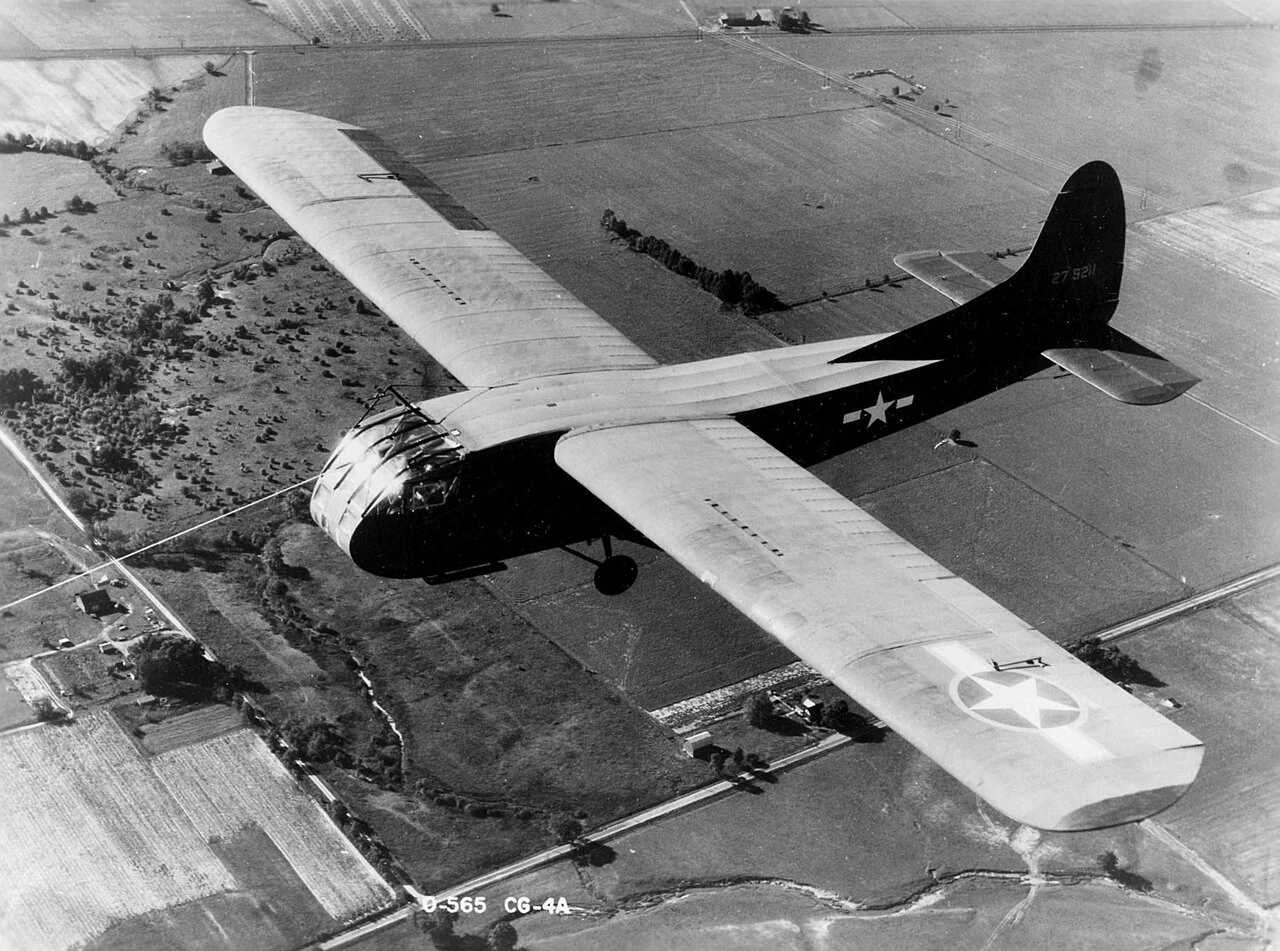
The coup de main on Ében-Émael
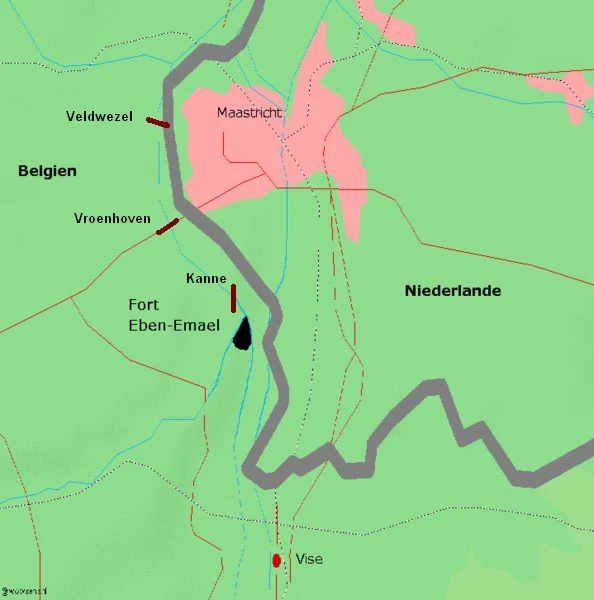
Eben-Emael — gliders on the roof
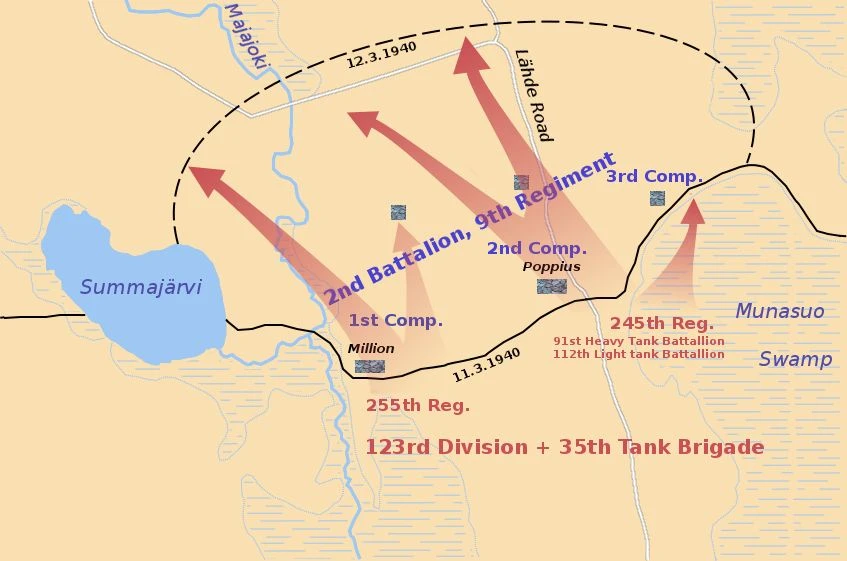
Lähde — Yakovlev against the Mannerheim bolt
Reinhardt stuck in the Ardennes — 11 May
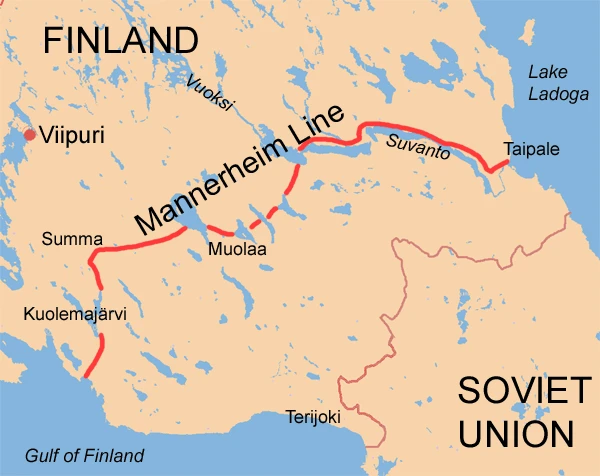
Timoshenko at Summa — 11 February
The crossing of the Meuse at Dinant
Rommel before the Meuse — Dinant, 13 May
Rommel before the Serre — the Crécy bridge
Sedan — Guderian on the Meuse
Pintor in the Alps — 21 June
The coup de main on Ében-Émael
Eben-Emael — gliders on the roof
Lähde — Yakovlev against the Mannerheim bolt
Reinhardt stuck in the Ardennes — 11 May