
Ciano summons the ambassadors — 10 June
, 37, son-in-law of Mussolini and Foreign Minister since 1936, is one of the most prominent men of the fascist regime — brilliant, worldly, ambitious. On 10 June 1940 Italy has resolved to enter the war alongside Germany, and it falls to Ciano, as head of the diplomacy, to formally notify the ambassadors of France and Britain at the Palazzo Chigi.
Yet Ciano is privately hostile to this war. His diary, kept day by day, has shown for months his mistrust of the German alliance: he would prefer a rapprochement with London and judges the Italian army poorly prepared. And he depends entirely on his father-in-law, whose favour alone secures his position.
The scene is shaped by diplomatic protocol, but it binds Ciano's personal future as much as Italy's. To notify the declaration himself is to associate publicly with a decision he disapproves of; to dodge it or resign is to break with Mussolini and condemn himself politically.
Should Ciano deliver the declaration of war, or distance himself from Mussolini's decision?
Ciano chooses A: at 16:45 he summons to the Palazzo Chigi the French ambassador and the British ambassador to hand them the declaration of war, which takes effect at midnight. He remains at the Foreign Ministry until February 1943. His growing hostility to the war will lead him, on 24 July 1943, to vote at the Grand Council of Fascism for the motion that brings down Mussolini. Arrested afterwards by the Italian Social Republic, he is shot at Verona on 11 January 1944 on Mussolini's own orders — his father-in-law sacrificing his son-in-law. His widow Edda, the Duce's daughter, will succeed in saving the manuscript of the Diary, published after the war: it remains one of the major sources on Axis diplomacy. François-Poncet, for his part, will later be interned by the Germans.
Learn more about this event
Related polls
10
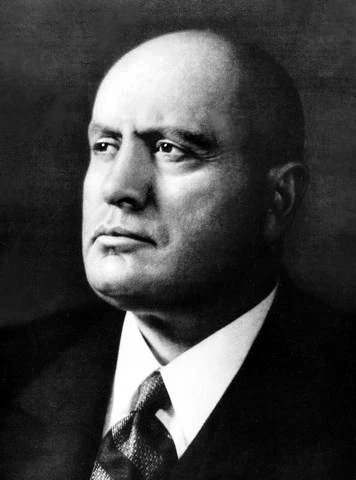
Mussolini on the balcony — 10 June, 18:00
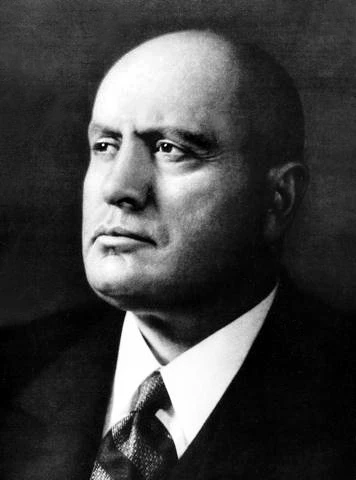
Mussolini on the Riviera — 21 June
Hannah Arendt, Stateless and Interned, Facing Exile
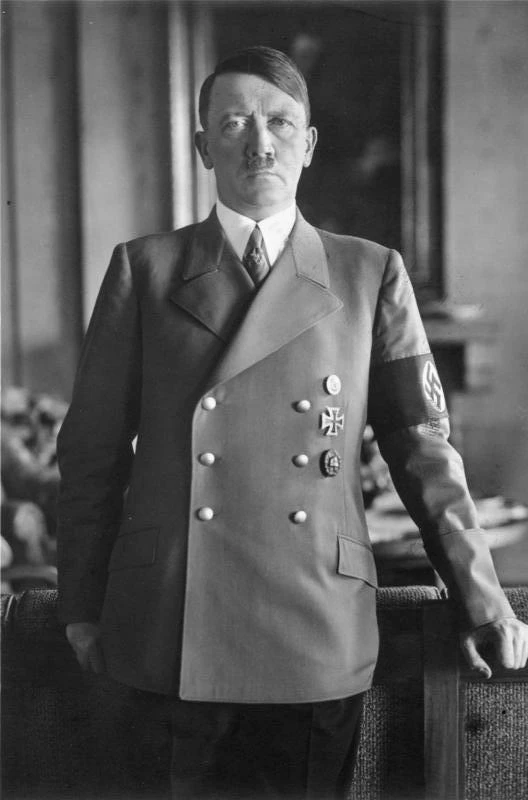
Hitler at Compiègne — 22 June 4:30 p.m.
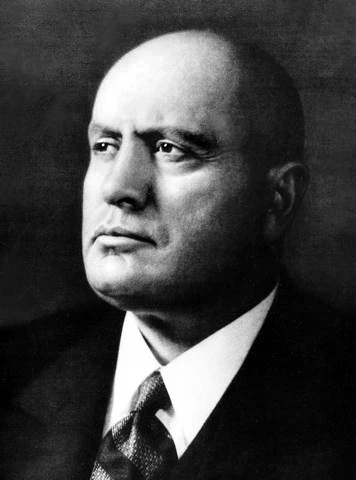
Mussolini in the winter of debacle
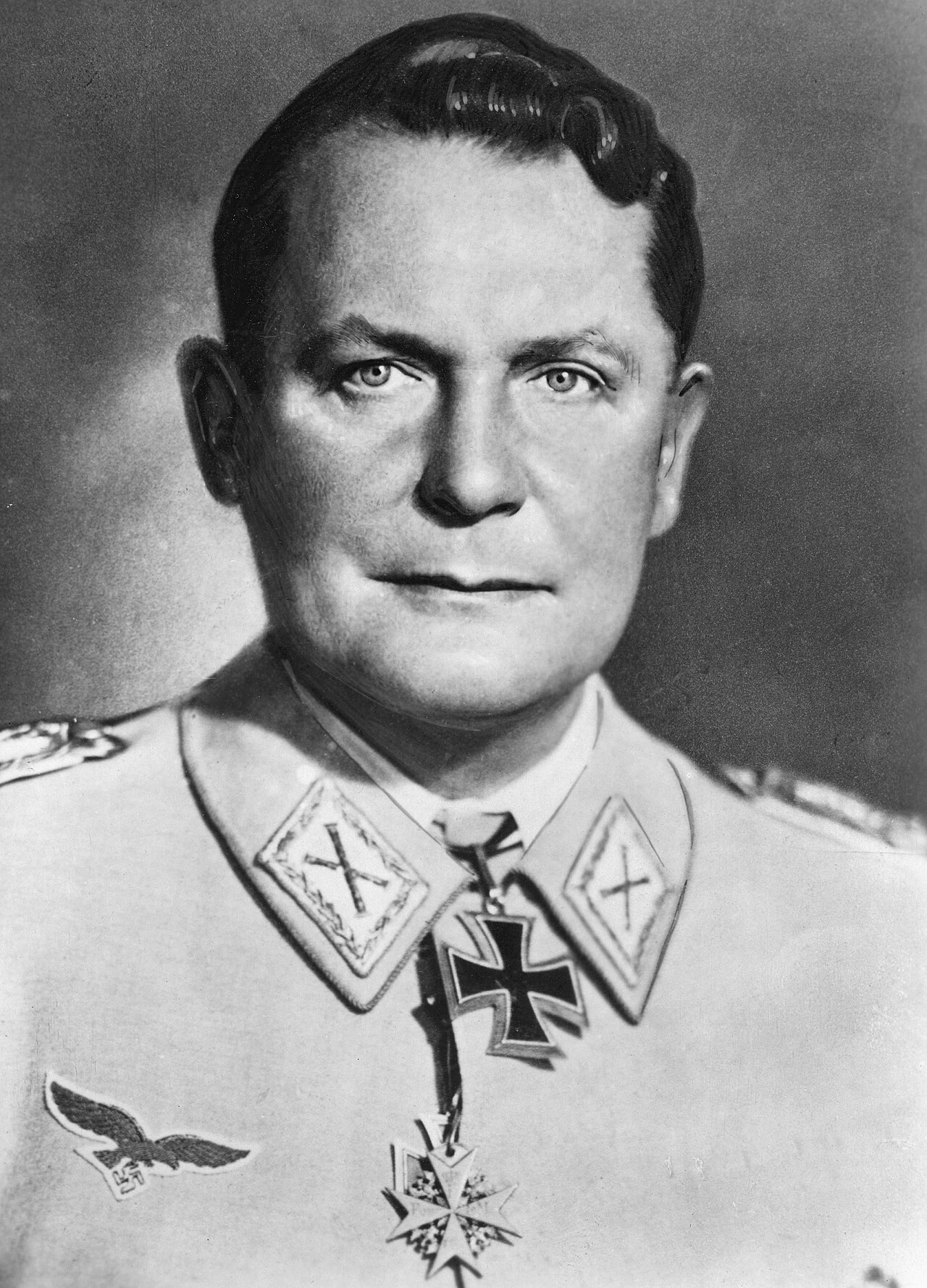
Goering at Carinhall — the promise to Hitler
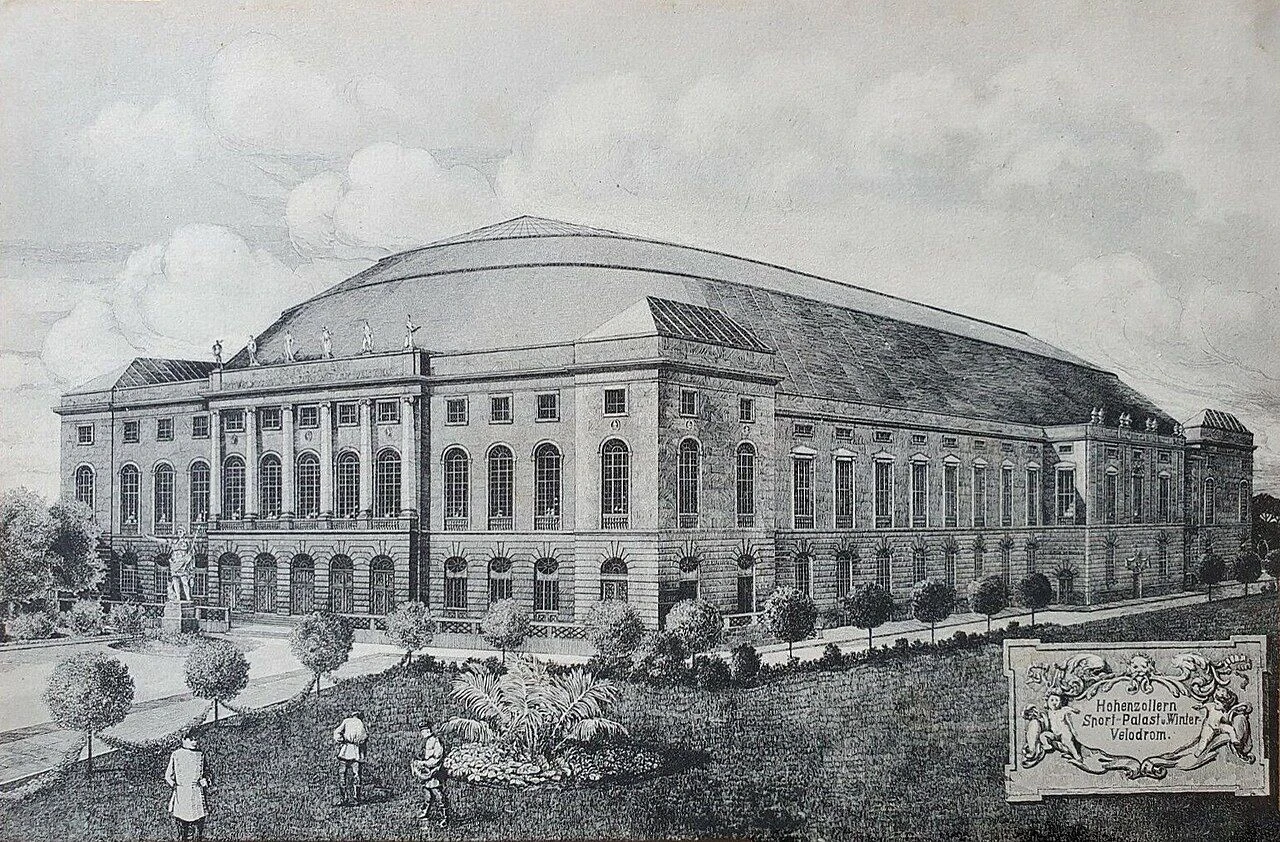
Hitler at the Sportpalast — 30 January, 8 pm
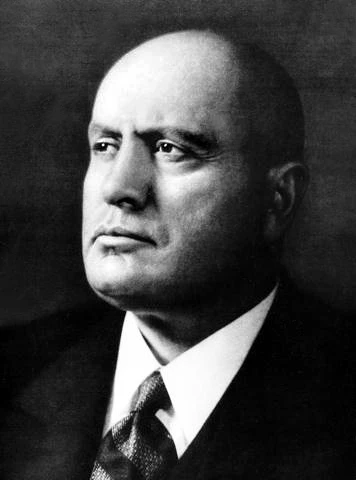
Mussolini at the Palazzo Venezia — early June
Stalin at 60 — Hitler at the Kremlin
Welles with Hitler — 2 March 11:00
Mussolini on the balcony — 10 June, 18:00
Mussolini on the Riviera — 21 June
Hannah Arendt, Stateless and Interned, Facing Exile
Hitler at Compiègne — 22 June 4:30 p.m.
Mussolini in the winter of debacle
Goering at Carinhall — the promise to Hitler
Hitler at the Sportpalast — 30 January, 8 pm
Mussolini at the Palazzo Venezia — early June
Stalin at 60 — Hitler at the Kremlin