
Anders in the Lubyanka
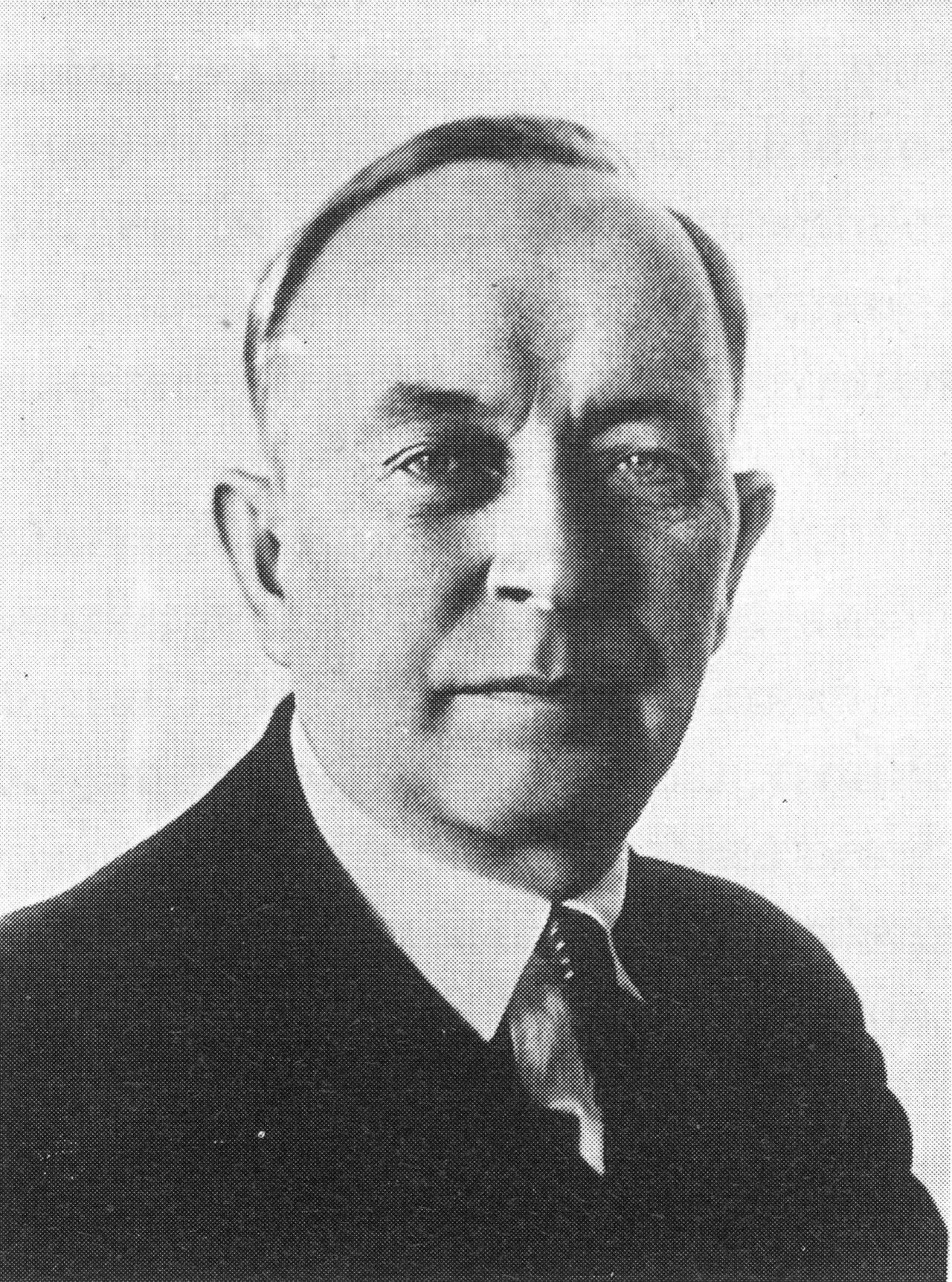
, 47, commanded the — one of the most prestigious formations of the Polish cavalry. A veteran of the Polish-Soviet War of 1919-1921 (where he had fought Tukhachevsky). In September 1939 his unit held the Lwów-Tarnopol sector before attempting to break through to Hungary. Anders was wounded twice: in the left leg by shell fragment on 27 September, in the chest by bullet on 29 September. He was captured unconscious by the Soviets on 30 September 1939 near Sambor (eastern Galicia).
Soviet military hospital at Lwów from October to December 1939. The local NKVD was already putting cooperation proposals to him. Transferred on 23 December 1939 to the NKVD prison at Lwów, then to Moscow in February 1940. Interned in the Lubyanka — the NKVD's central headquarters. A solitary cell. Daily interrogations by Commissar Beria himself, by General and by .
The Soviet strategy: convert Anders as a military cadre for a future pro-Soviet Polish army. For eighteen months (October 1939 - August 1941) Anders was held in the Lubyanka under correct conditions (solitary cell, regular meals, access to newspapers) but cut off entirely from the outside world.
He had to decide his posture before his interrogators.
What could Anders do to preserve his future role?
Anders applied A without concession. He refused every political conversation, demanded prisoner-of-war status, and demanded evacuation to Great Britain under the Geneva Convention (which the USSR had not signed). For eighteen months nothing moved. The German invasion of the USSR on 22 June 1941 changed everything. On 30 July 1941 came the Sikorski-Maisky agreement: the release of all Polish prisoners in the USSR. Anders was freed from the Lubyanka on 4 August 1941. Sikorski appointed him commander-in-chief of the Polish Army in the USSR (the future "Anders Army"). Over eighteen months he gathered 115,000 soldiers (out of the roughly 1.7 million Poles deported to the USSR). Evacuation to Iran (March-August 1942), then Palestine, then the in Italy (Monte Cassino in May 1944, where his troops took the monastery — a symbol). He refused to return to communist Poland in 1945. He emigrated to London. Stripped of his Polish citizenship by the communist regime in 1946. He died in London in 1970. Rehabilitated by the Polish Republic in 1989.
Learn more about this event
Related polls
10
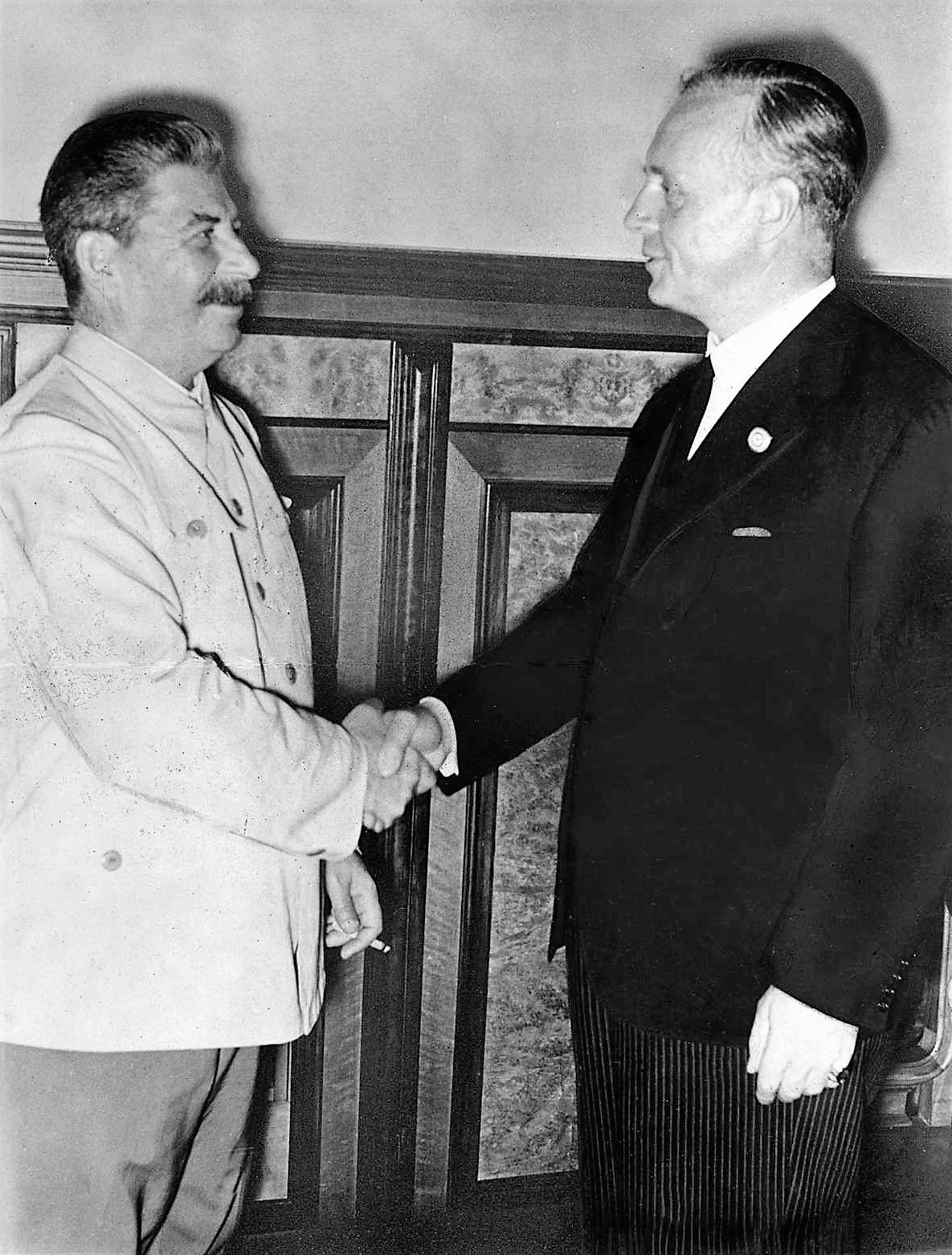
Ribbentrop in Moscow — the Accord of 28 September
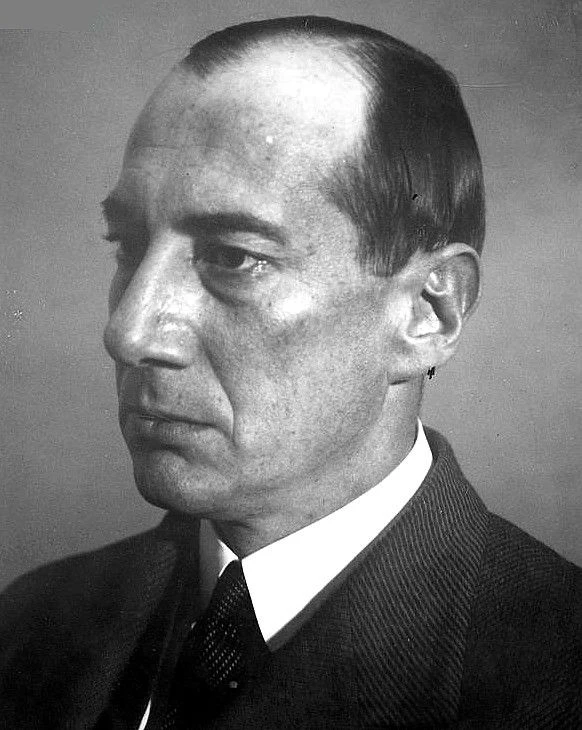
Beck in Bucharest — the Internee
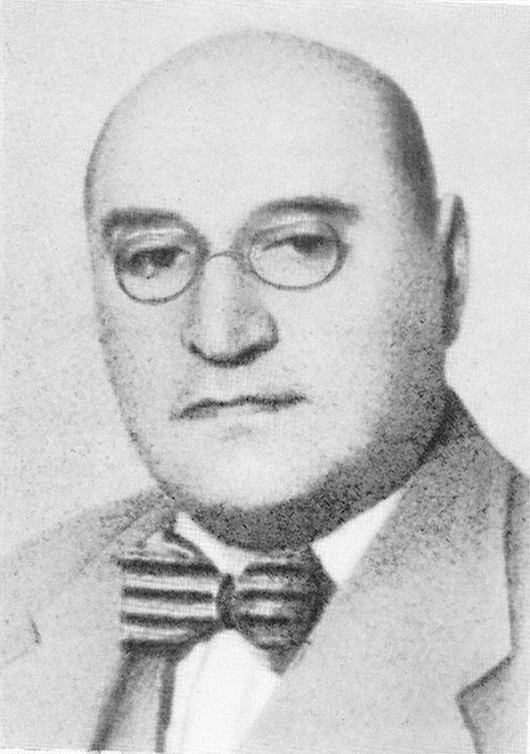
Czerniaków — the offer of the Judenrat

Daladier — Thorez's Defection
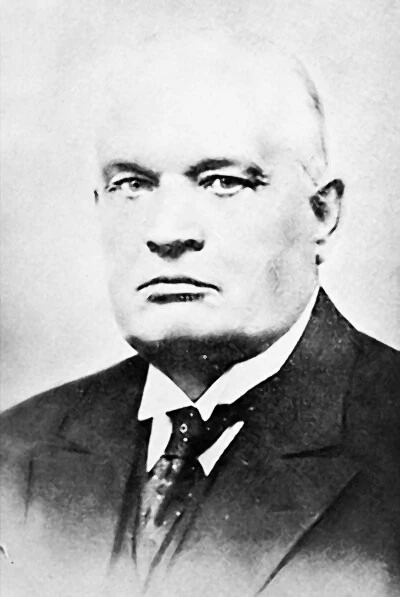
Estonia — Päts Facing the Ultimatum
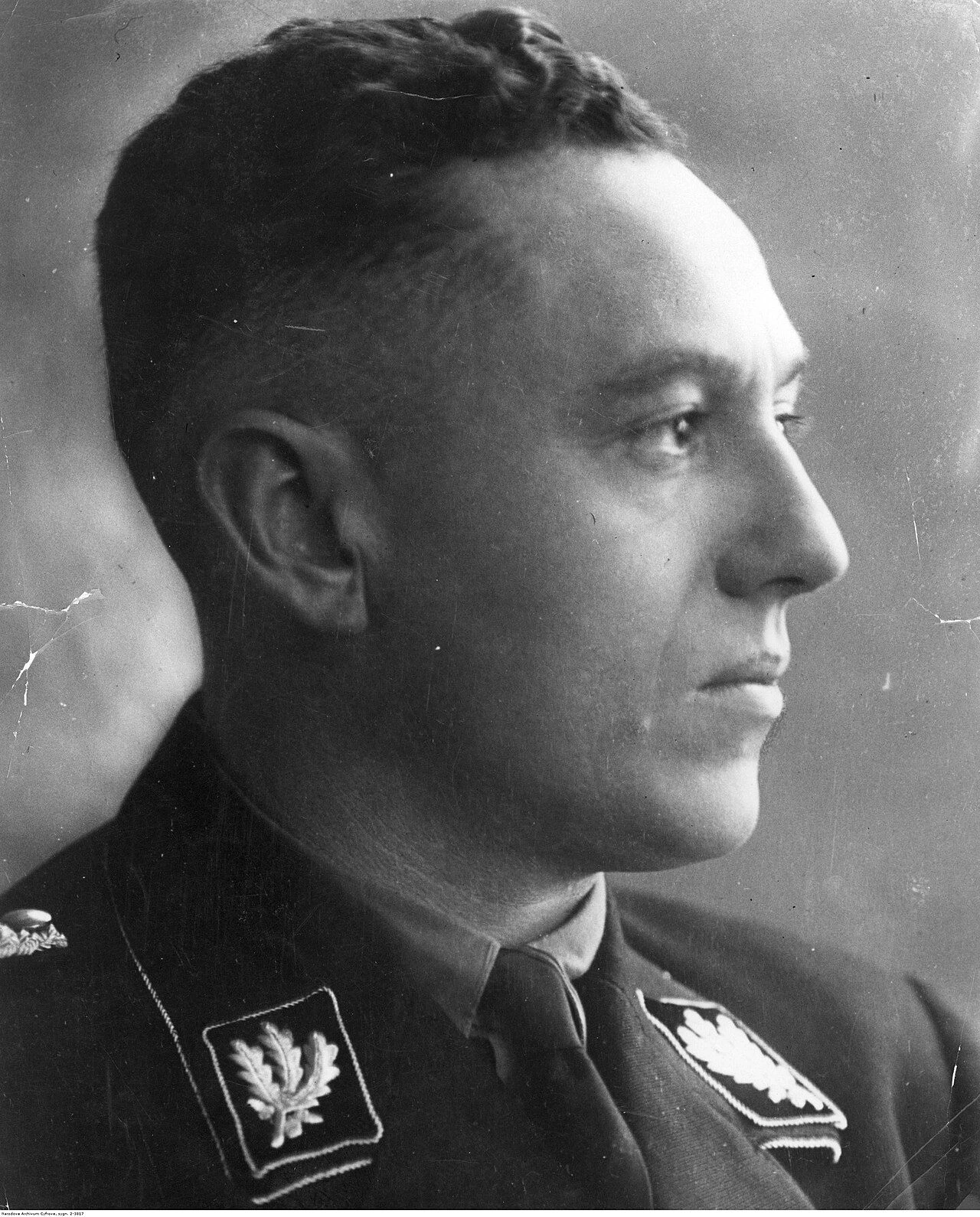
Forster — Kashubians and Kociewiacy
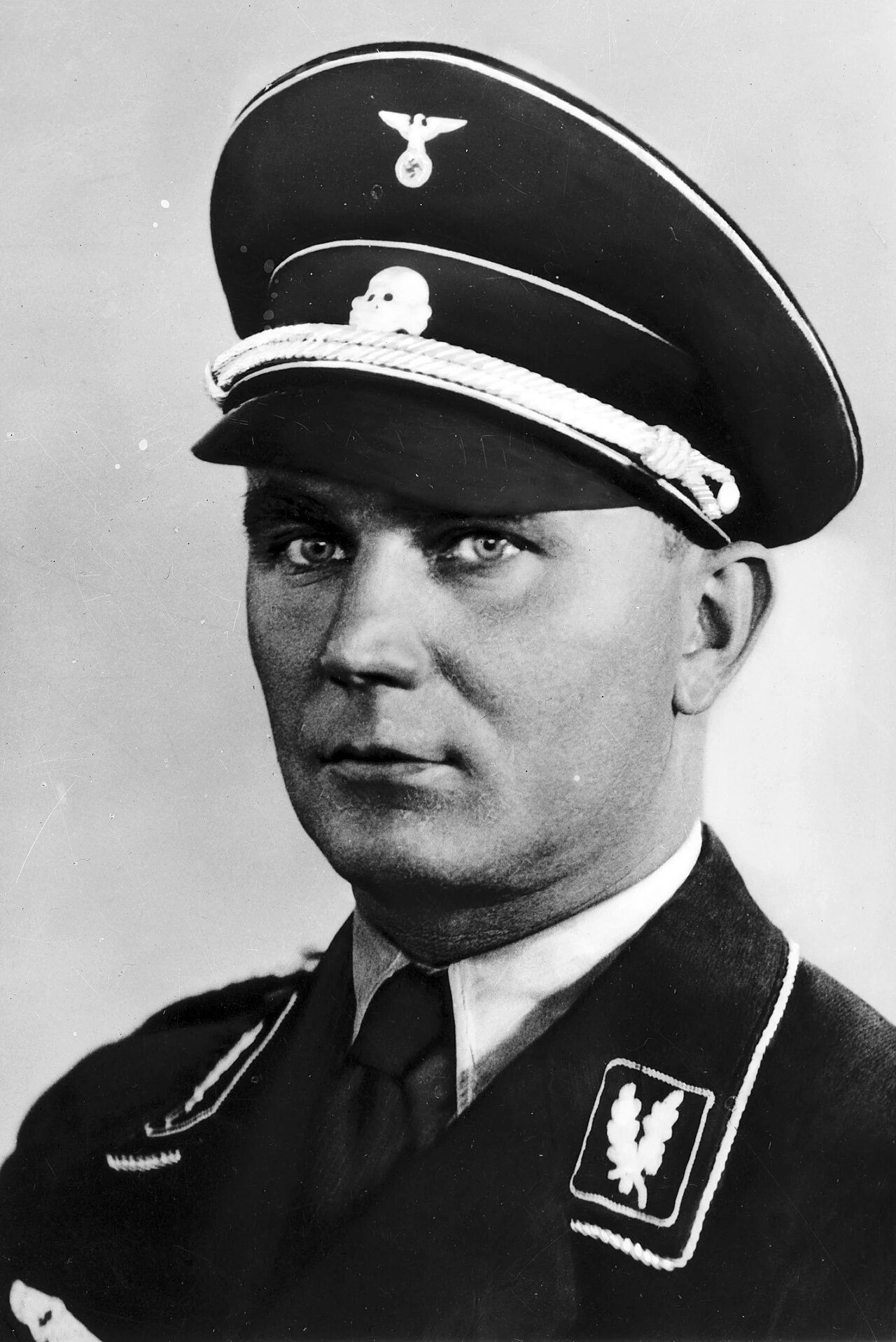
Greiser — the Priority of the Wartheland
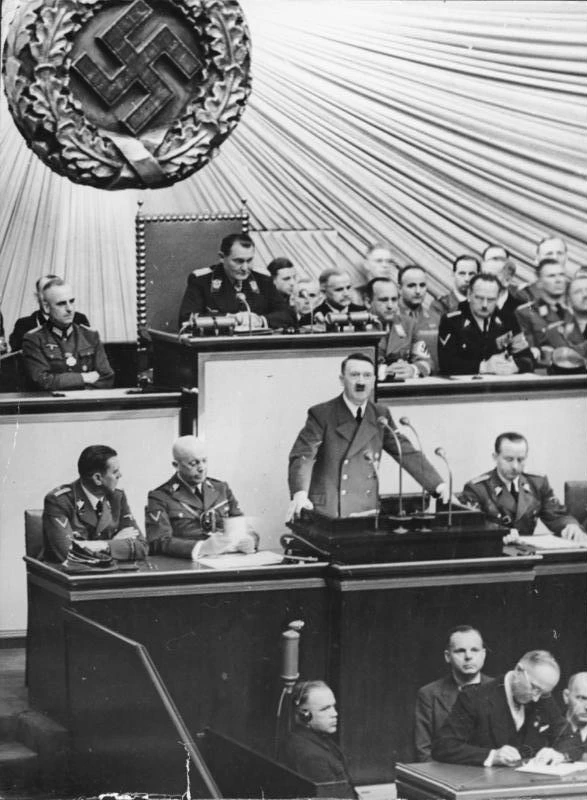
Hitler — the Reichstag Speech
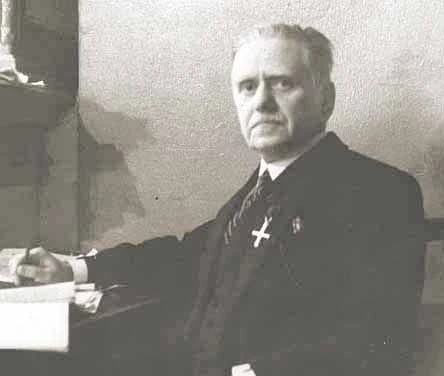
Horthy — faced with the German demand
Kuusinen — Terijoki, 1 December
Ribbentrop in Moscow — the Accord of 28 September
Beck in Bucharest — the Internee
Czerniaków — the offer of the Judenrat
Daladier — Thorez's Defection
Estonia — Päts Facing the Ultimatum
Forster — Kashubians and Kociewiacy
Greiser — the Priority of the Wartheland
Hitler — the Reichstag Speech
Horthy — faced with the German demand