
The Memel territory (Klaipėda), wrested from Germany after 1918 and attached to Lithuania, holds a large German-speaking population that the Reich stirs up. A week after the occupation of Prague, Berlin acts.
On 20 March 1939, Ribbentrop delivers an oral ultimatum to the Lithuanian foreign minister, : Lithuania must cede the Klaipėda territory, failing which the Wehrmacht will invade the country and bomb the capital, Kaunas. The Klaipėda Convention of 1924 guaranteed the status quo — but its signatories stay silent and offer no help.
The Lithuanian government stands alone against an overwhelming power. To yield to the ultimatum is to lose its only deep-water port and suffer a national humiliation, but to spare the country war. To resist is honour, but assured invasion and bombing, with no ally to come to the rescue. Appealing to the guarantors of 1924 seems vain, given their silence. Urbšys and the government must answer within hours, under direct threat. The fate of Lithuania's last maritime outlet, and the credibility of international commitments, is decided in a few hours.
Should Lithuania cede Klaipėda under the ultimatum, or resist with no ally at all?
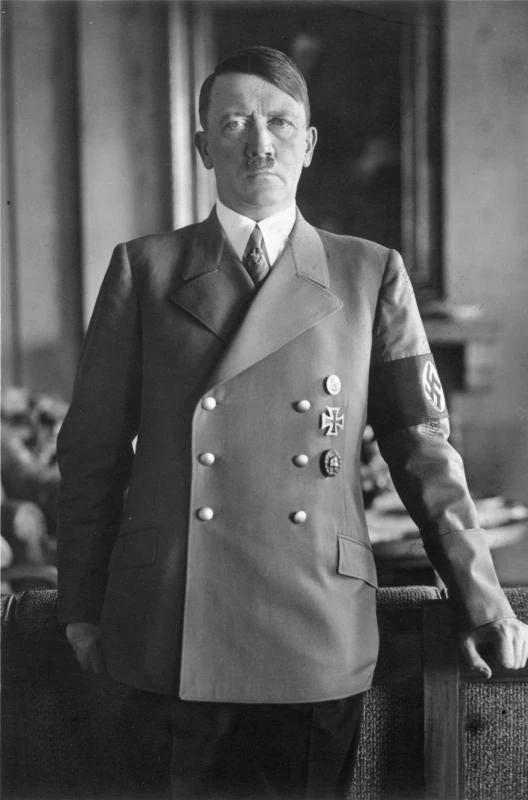
Lithuania chooses A: in the night of 22–23 March 1939, Urbšys signs the treaty ceding the Klaipėda territory to the Reich, effective 22 March. Hitler, aboard the battleship Deutschland, makes his triumphal entry into Memel. For want of the slightest international support, Lithuania has yielded without fighting. It is the last German territorial acquisition before the war, and a heavy blow to Lithuanian economy and morale. The episode confirms, a week after Prague, that pre-war guarantees are worth nothing without the force to back them — a lesson that Warsaw and London will ponder.
Learn more about this event
Related polls
10
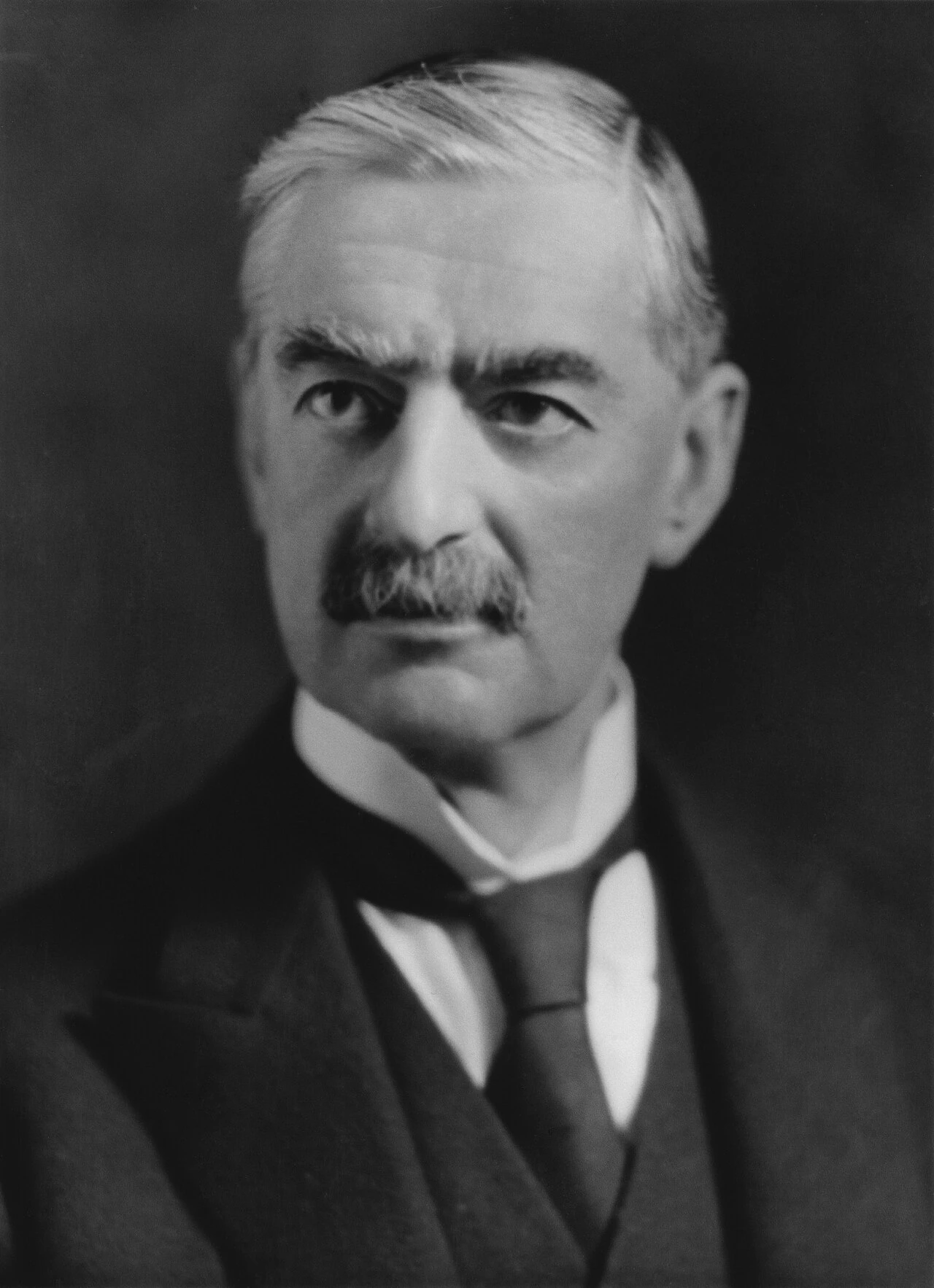
The Guarantee to Poland
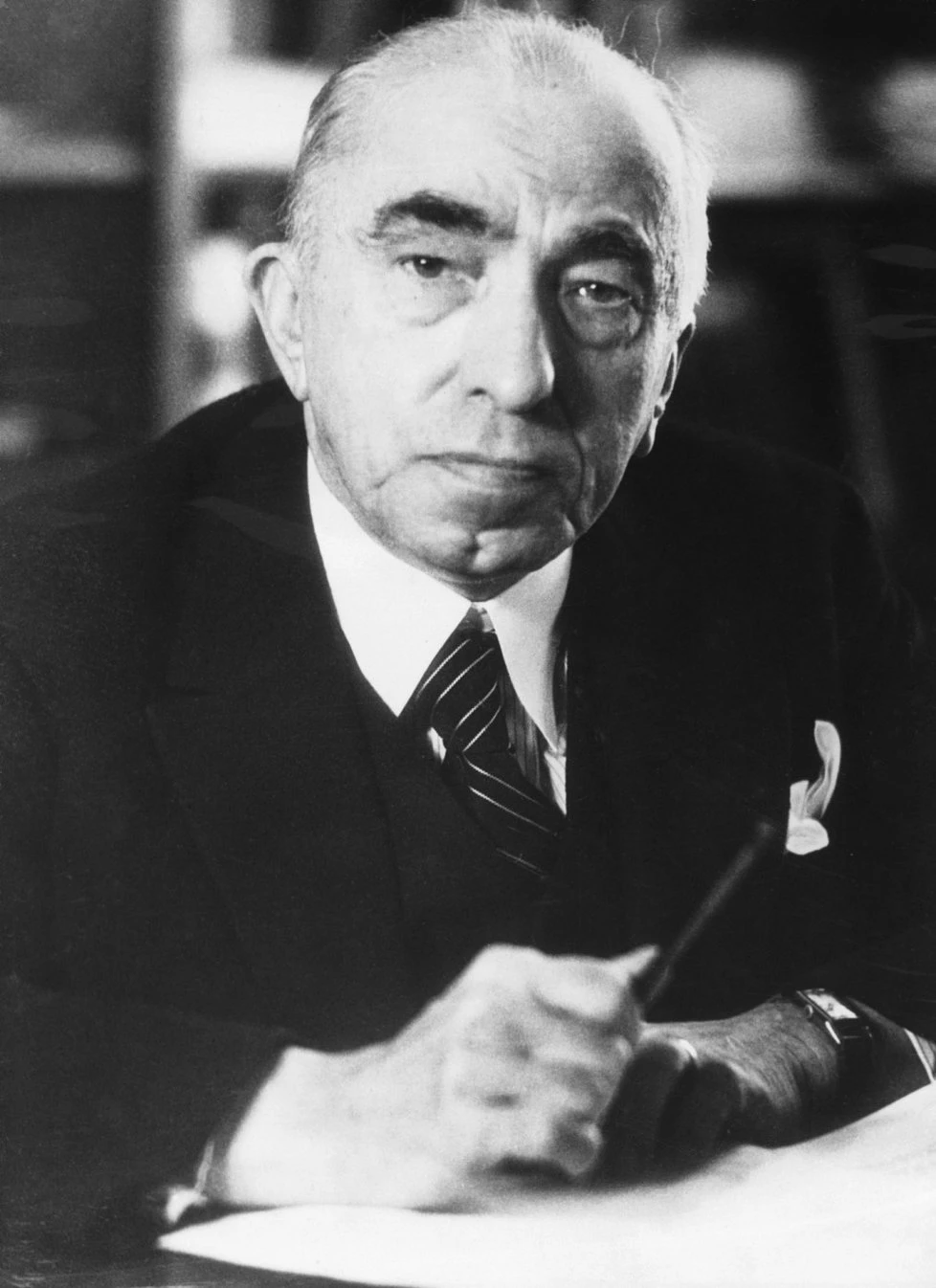
Hácha in Berlin
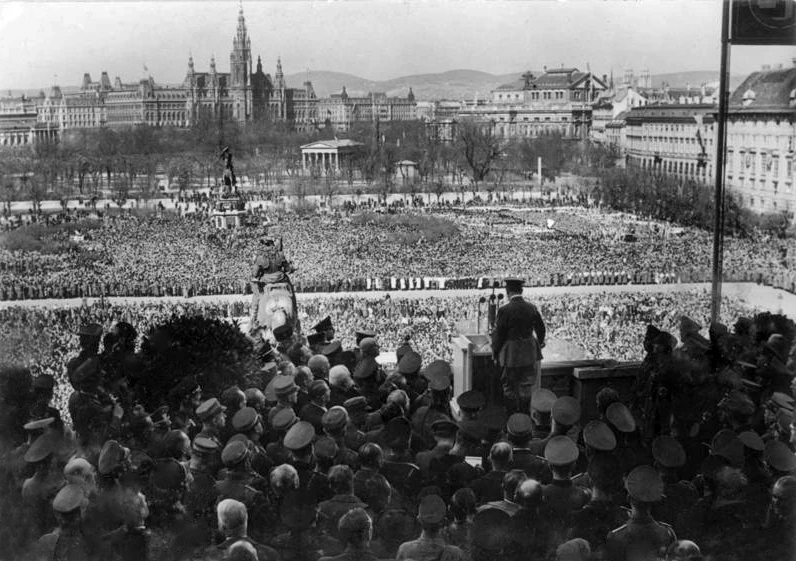
The Austrian Railwayman and the Party Card
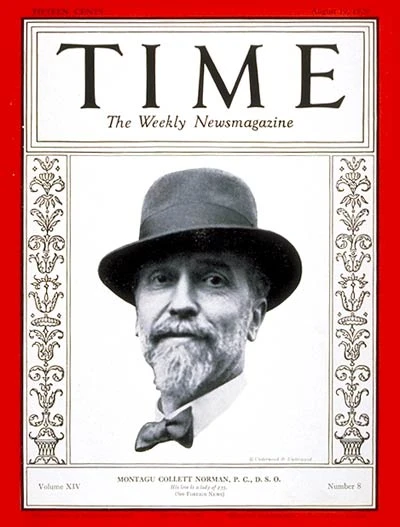
The Czech Gold
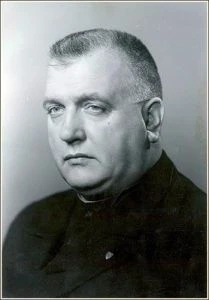
Tiso and Slovak Independence

Join the Party?
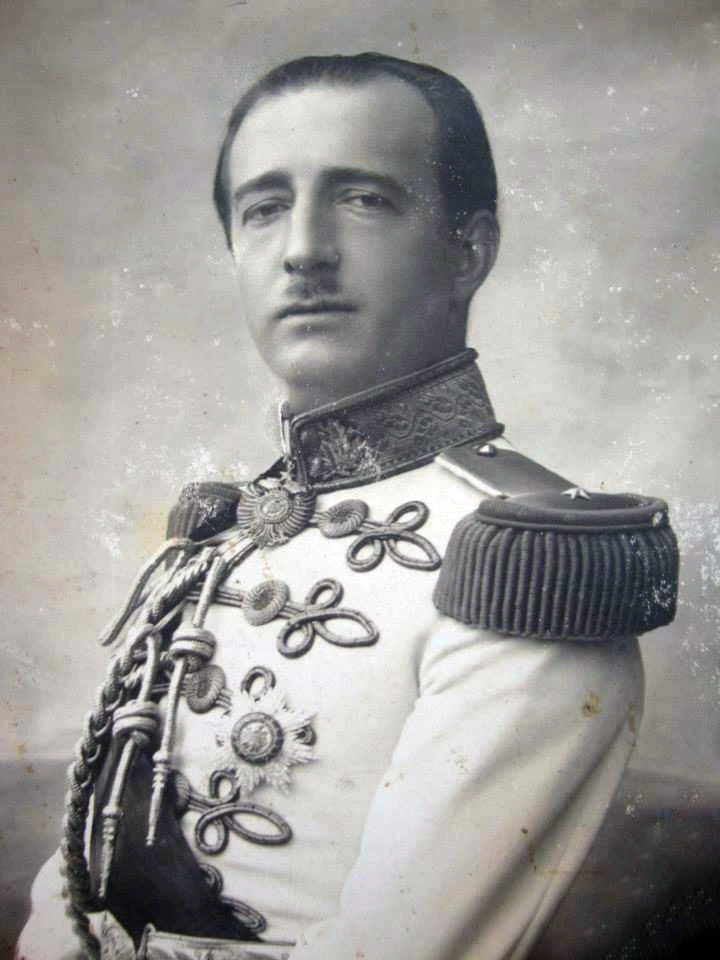
Albania Invaded — King Zog
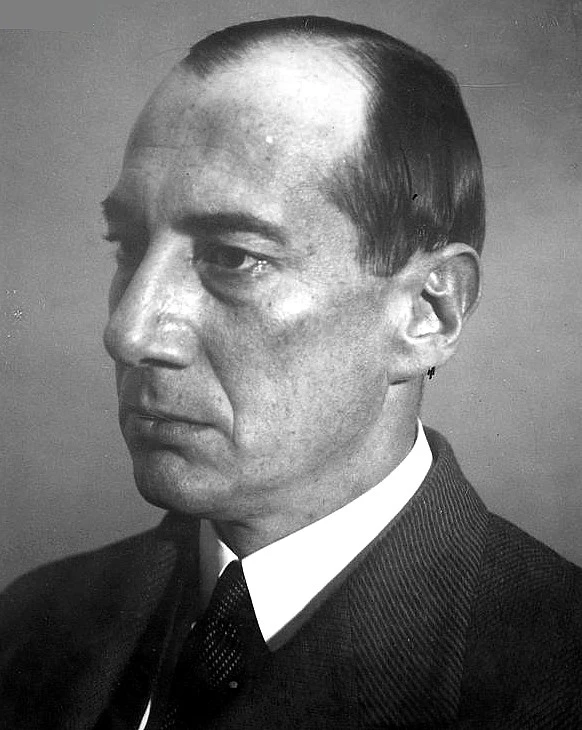
Beck Before the Sejm
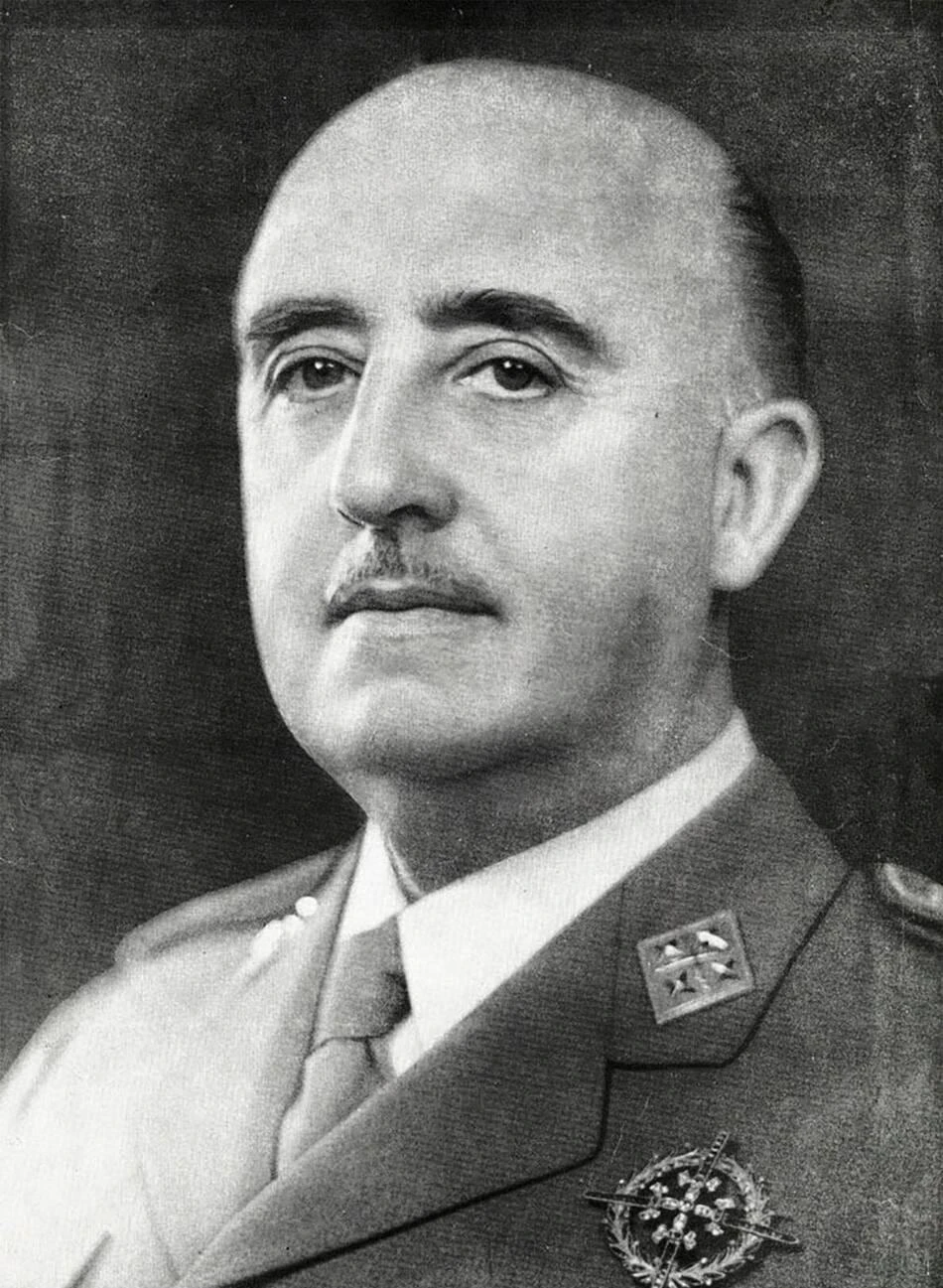
The Victory Parade in Madrid
The Prophecy Speech
The Guarantee to Poland
Hácha in Berlin
The Austrian Railwayman and the Party Card
The Czech Gold
Tiso and Slovak Independence
Join the Party?
Albania Invaded — King Zog
Beck Before the Sejm
The Victory Parade in Madrid