
The Sinking of the Lancastria
After Dunkirk, tens of thousands of British soldiers and Allied civilians remained to be evacuated from the ports of western France: this was Operation Aerial. On 17 June 1940, at Saint-Nazaire, the large liner Lancastria came forward to take on board a throng of refugees and servicemen anxious to flee the advancing enemy.
The command faced a cruel dilemma peculiar to emergency evacuations. To load the ship massively, far beyond its normal capacity, in order to save as many people as possible in a single voyage, at the risk that a catastrophe might cause thousands of casualties at once. To limit the number embarked to safety standards, leaving men on shore facing the approaching enemy. Or to wait for an escort and safer conditions, at the cost of precious time under the threat from the air.
The urgency — the Germans were very near, France was capitulating — argued for embarking the maximum number. But the port and the roadstead were exposed to attacks by the Luftwaffe, and a crowded ship without protection would be terribly vulnerable. What should the command decide?
Should the command overload the Lancastria, limit the boarding, or wait for an escort?
It was A that prevailed, and it turned to disaster: overloaded with perhaps six to nine thousand people, the Lancastria was attacked by German bombers and sank in about twenty minutes on 17 June 1940. The toll, never established with certainty, lies within a range of around 3,500 to 5,800 dead — the worst maritime disaster in British history, deadlier than the Titanic and the Lusitania combined. Churchill, finding the news unbearable after the fall of France, banned its publication; the scale of the tragedy would not be known until much later. The sinking of the Lancastria illustrates the dramatic human cost of emergency evacuations — and the weight of the choices made in the panic of June 1940.
Learn more about this event
Related polls
10
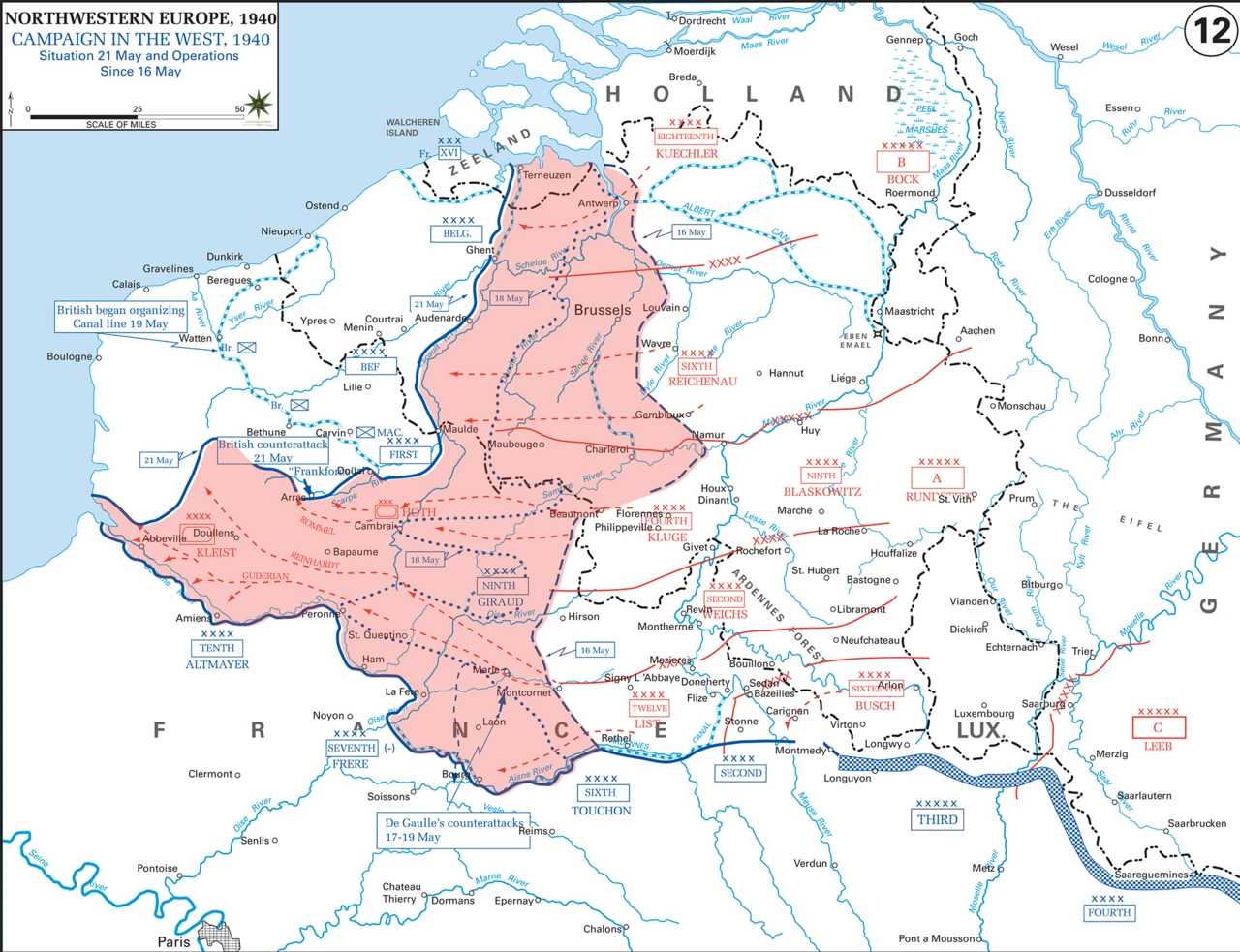
Boulogne — Fox-Pitt and the Guards facing the port
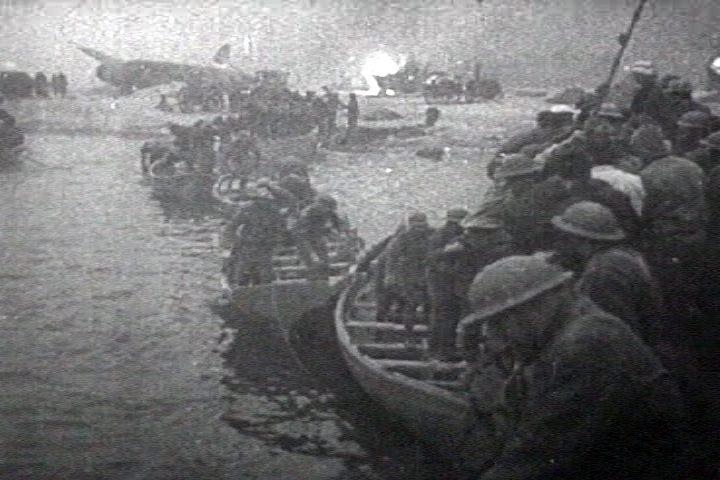
Dunkirk — Tennant and the devastated port
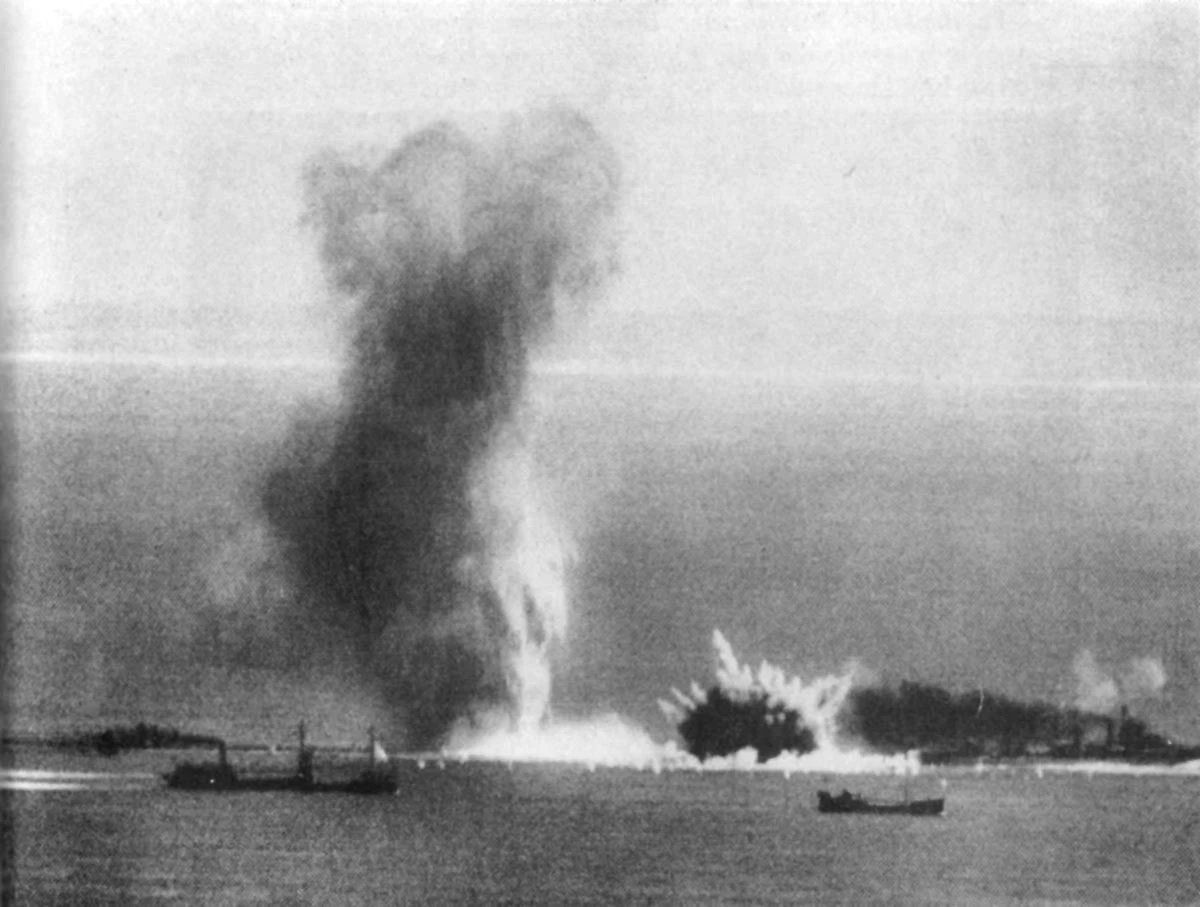
The Kanalkampf — withdraw the destroyers?
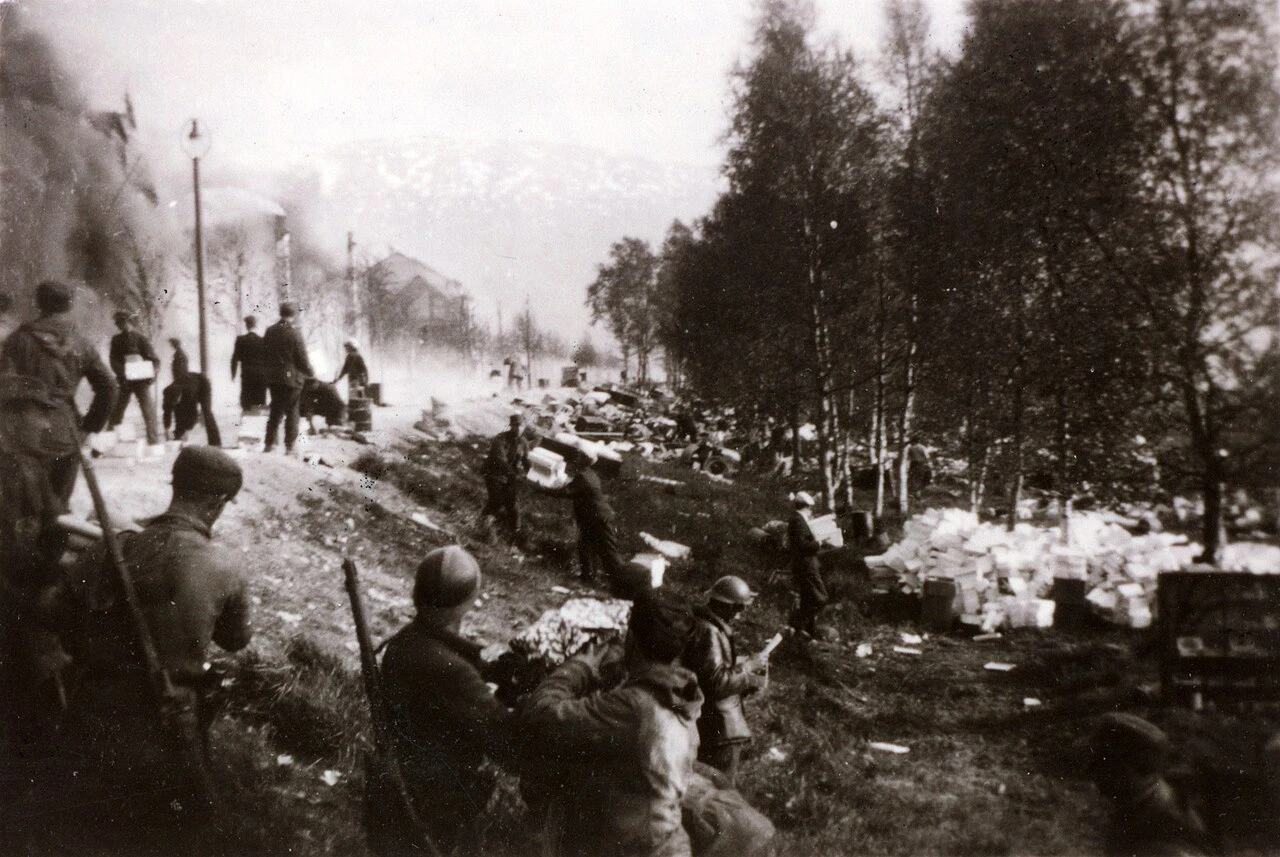
Narvik — the Allied withdrawal
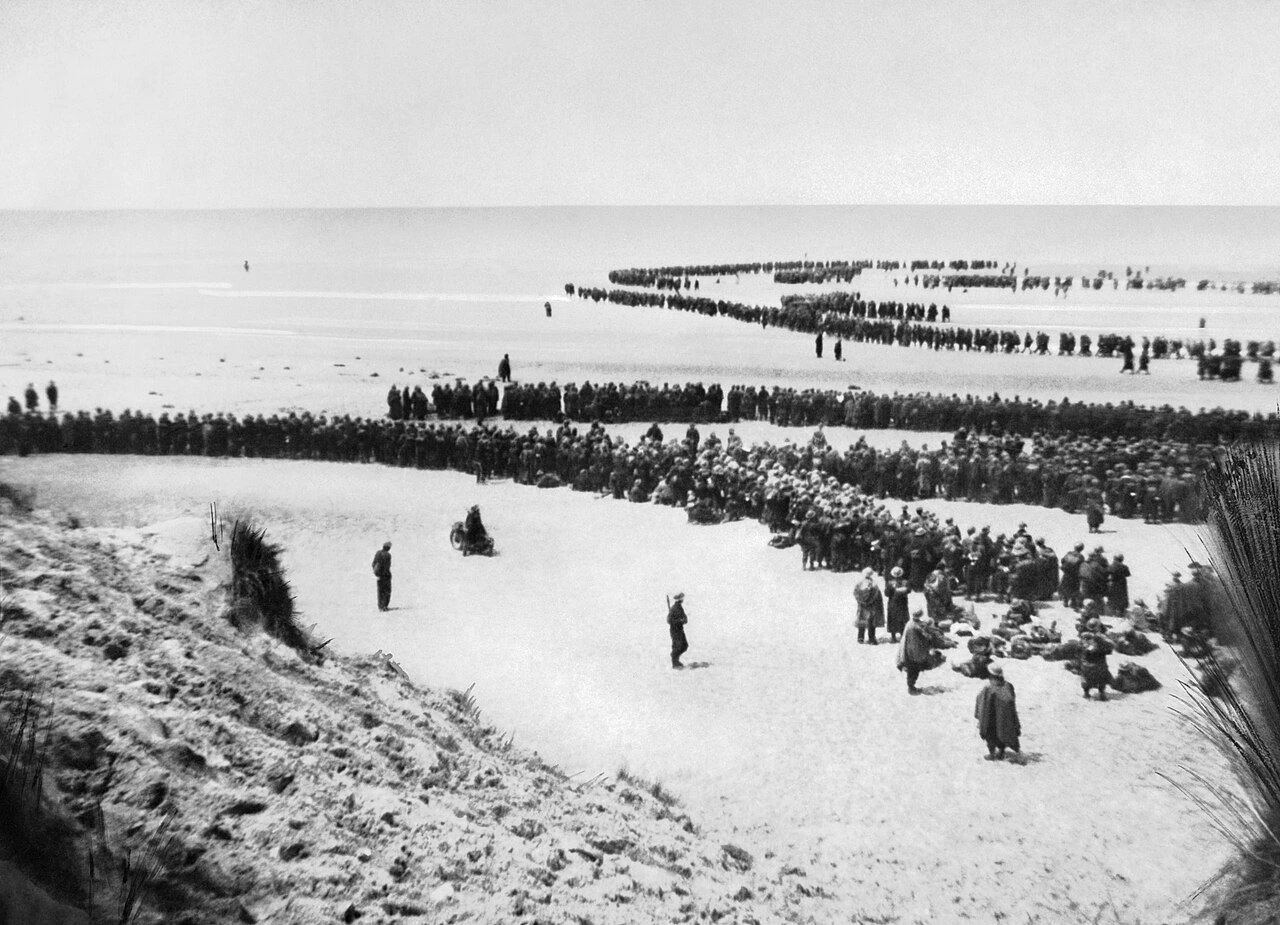
Ramsay at Dover Castle — Dynamo
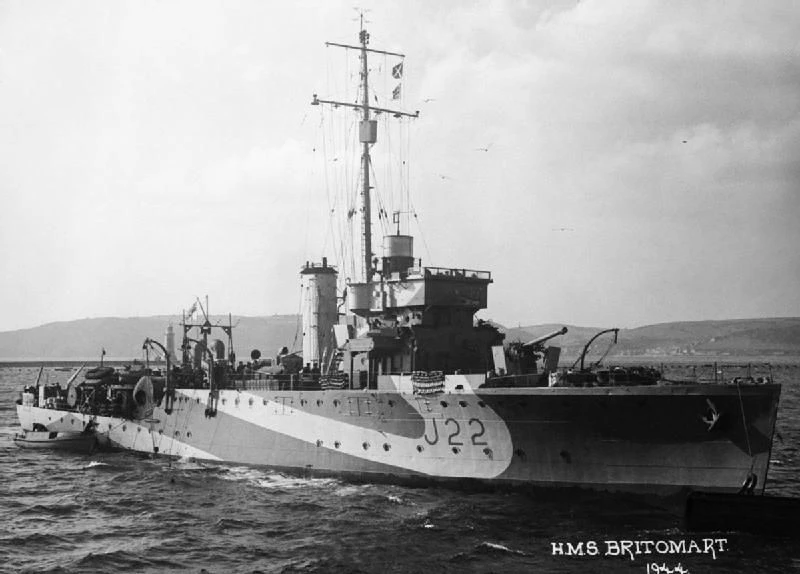
HMS Sphinx at Kinnaird Head
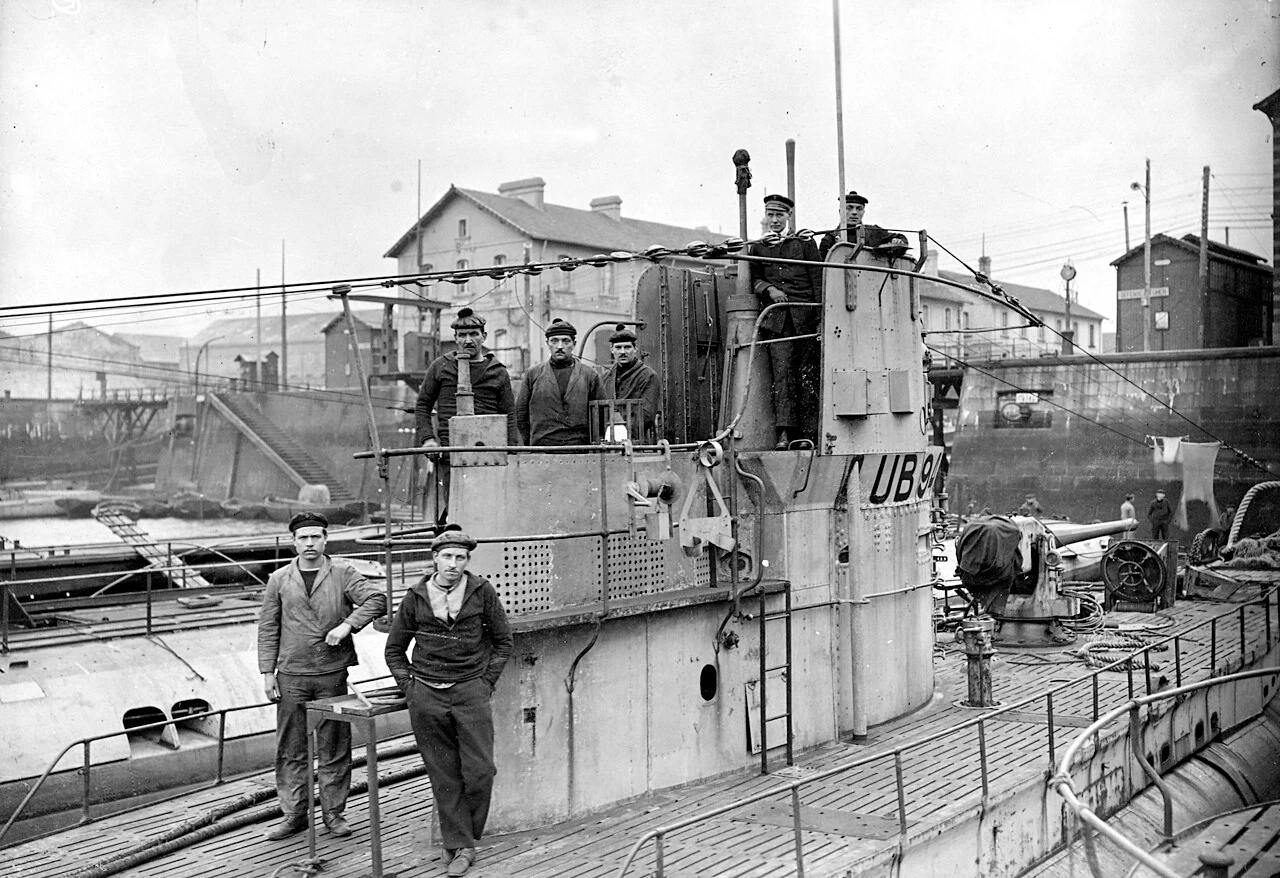
The Cherbourg arsenal in the face of Rommel
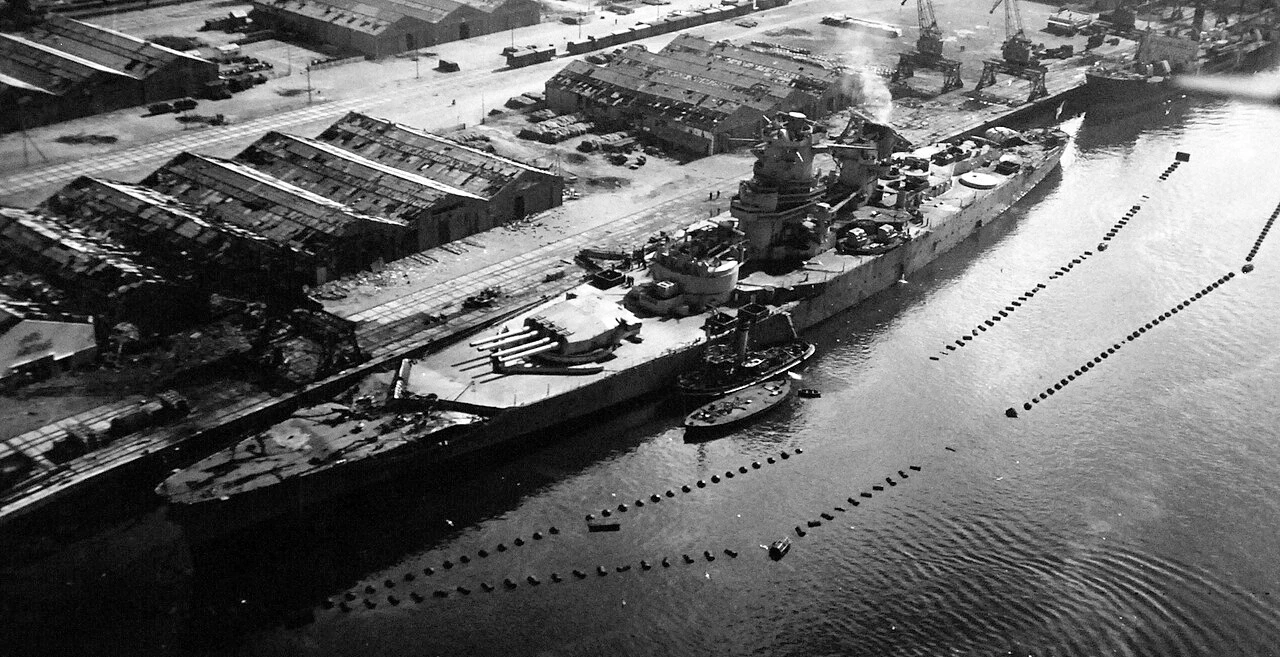
The Unfinished Battleship of Saint-Nazaire
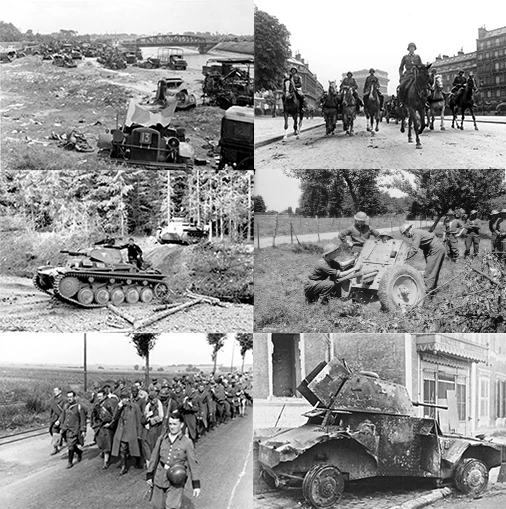
The Weygand Line on the Somme
Odderoya — an identity in the mist
Boulogne — Fox-Pitt and the Guards facing the port
Dunkirk — Tennant and the devastated port
The Kanalkampf — withdraw the destroyers?
Narvik — the Allied withdrawal
Ramsay at Dover Castle — Dynamo
HMS Sphinx at Kinnaird Head
The Cherbourg arsenal in the face of Rommel
The Unfinished Battleship of Saint-Nazaire
The Weygand Line on the Somme