
In the spring of 1941, Stalin dreads above all a war on two fronts. To the west, the German threat grows, even if he refuses to believe in it fully. To the east, imperial Japan — the USSR's adversary in the bloody border clashes at Khalkhin Gol in 1939 — remains a sword of Damocles over Siberia and the Soviet Far East.
The Japanese foreign minister, , is touring Europe. After passing through Berlin and Rome, he stops in Moscow. Japan, too, has an interest in covering itself: bogged down in China and eyeing the resources of South-East Asia and the Pacific, it does not want to expose itself to a conflict with the USSR at its back.
The interests converge. A neutrality pact would clear the rear of both powers: Stalin could, should the need arise, bring his Siberian divisions back to the west; Tokyo would have its hands free to the south. The points of contention remain — Manchuria, Mongolia, the old rivalry.
In mid-April, the draft agreement is on the table. Stalin must decide whether to seal this pact with an enemy of yesterday.
Should Stalin sign the neutrality pact with Japan, which would secure his eastern flank?
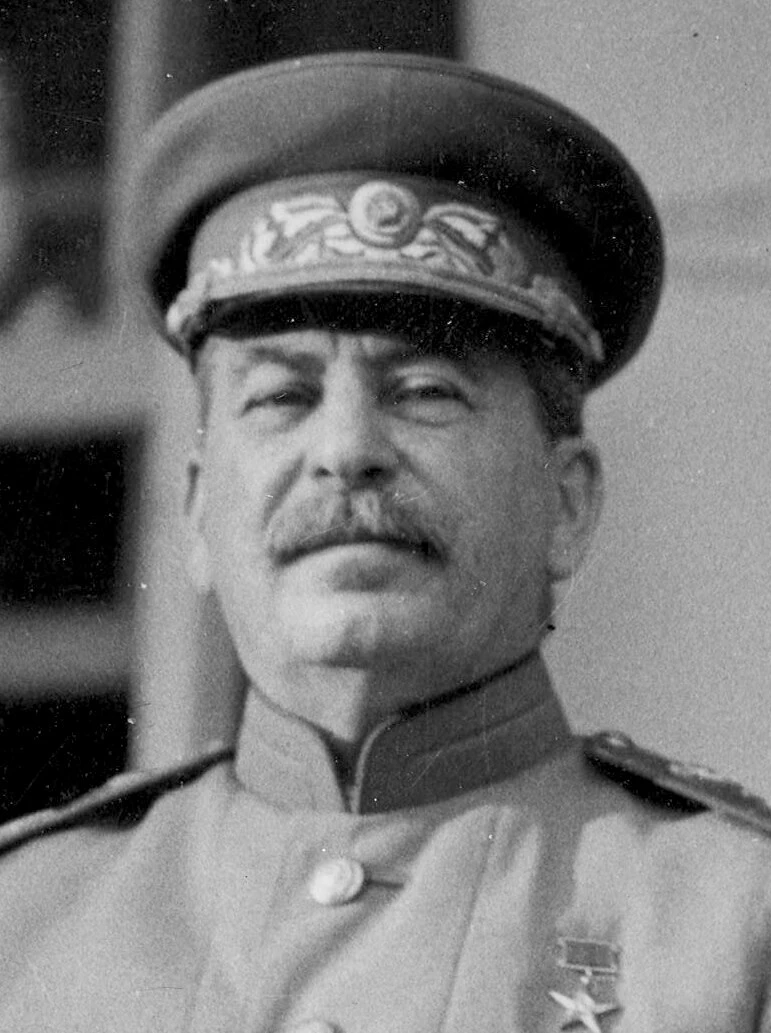
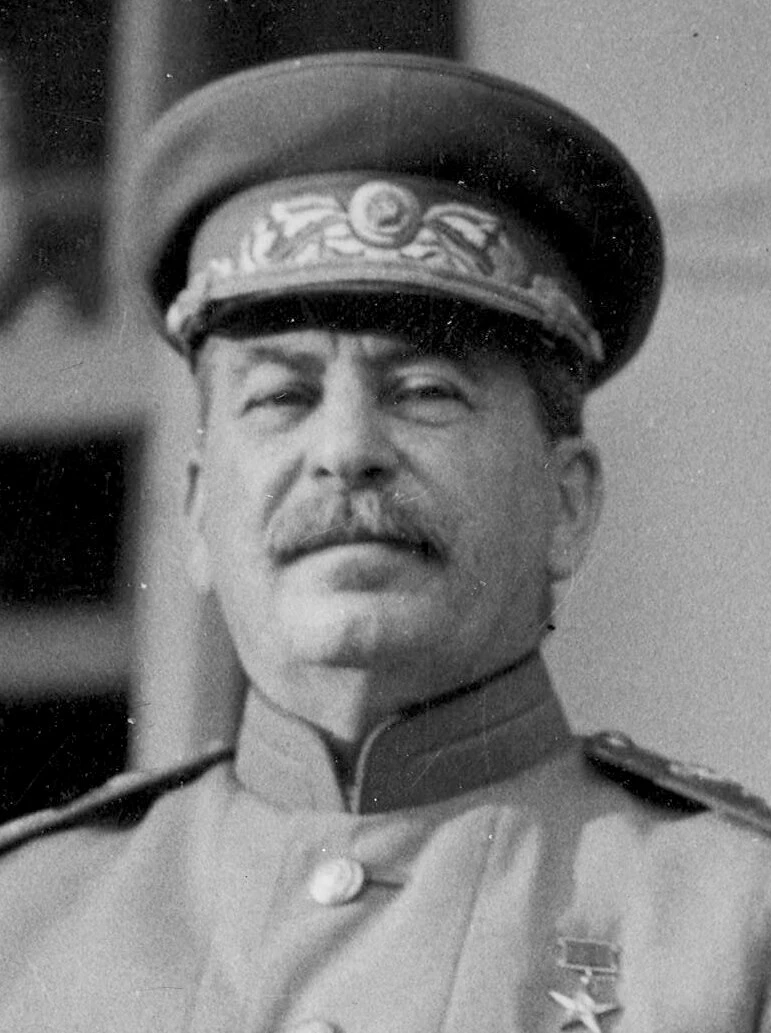
Stalin chose A: on 13 April 1941, the Soviet-Japanese neutrality pact was signed in Moscow by Molotov for the USSR and by Matsuoka for Japan. The agreement bound each party to remain neutral if the other were attacked by a third power, for five years; an attached declaration mutually recognised the status quo in Manchukuo and Mongolia. Stalin, who rarely showed himself before foreign diplomats, accompanied Matsuoka to the station himself — a calculated gesture to underline the weight of the treaty. The significance was considerable: after the launch of Barbarossa, this pact would allow Stalin to transfer his Far Eastern divisions to Moscow in the autumn of 1941, helping to save the capital. Japan, for its part, would turn towards the Pacific and strike Pearl Harbor.
Learn more about this event
Related polls
10
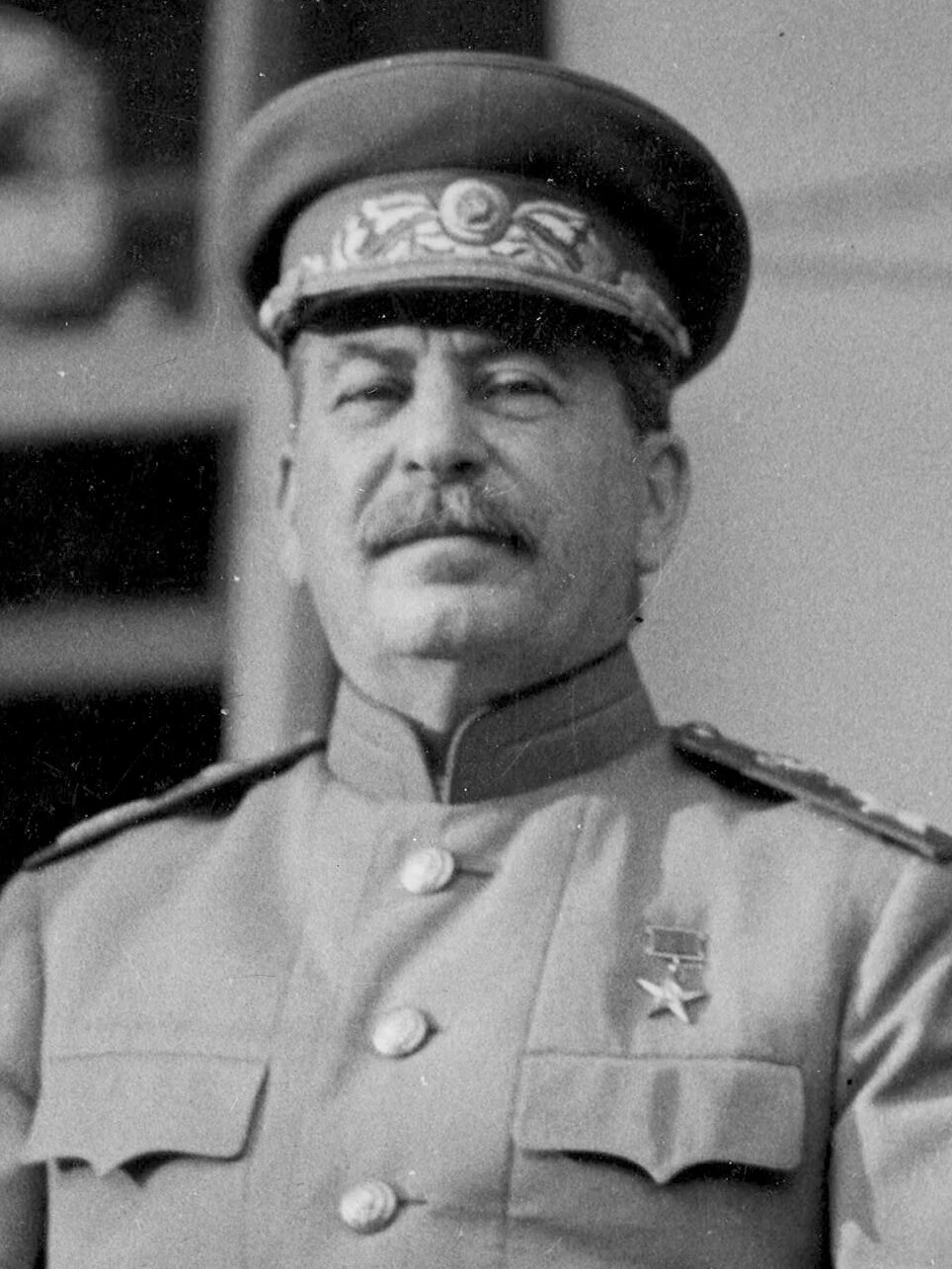
Above all, do not provoke Berlin
Harriman in Moscow, Face to Face with Stalin
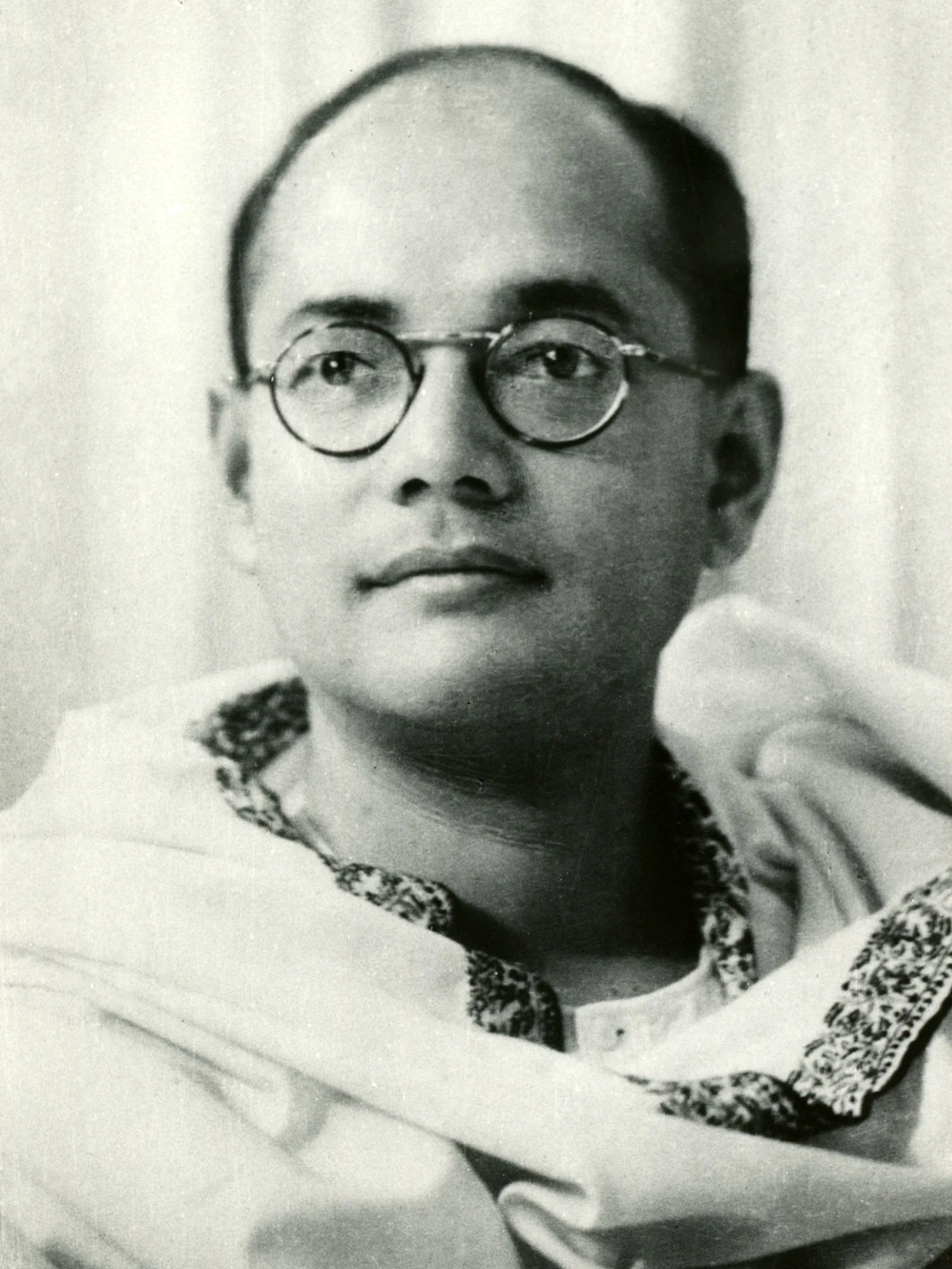
The Indische Legion — Subhas Chandra Bose in Berlin
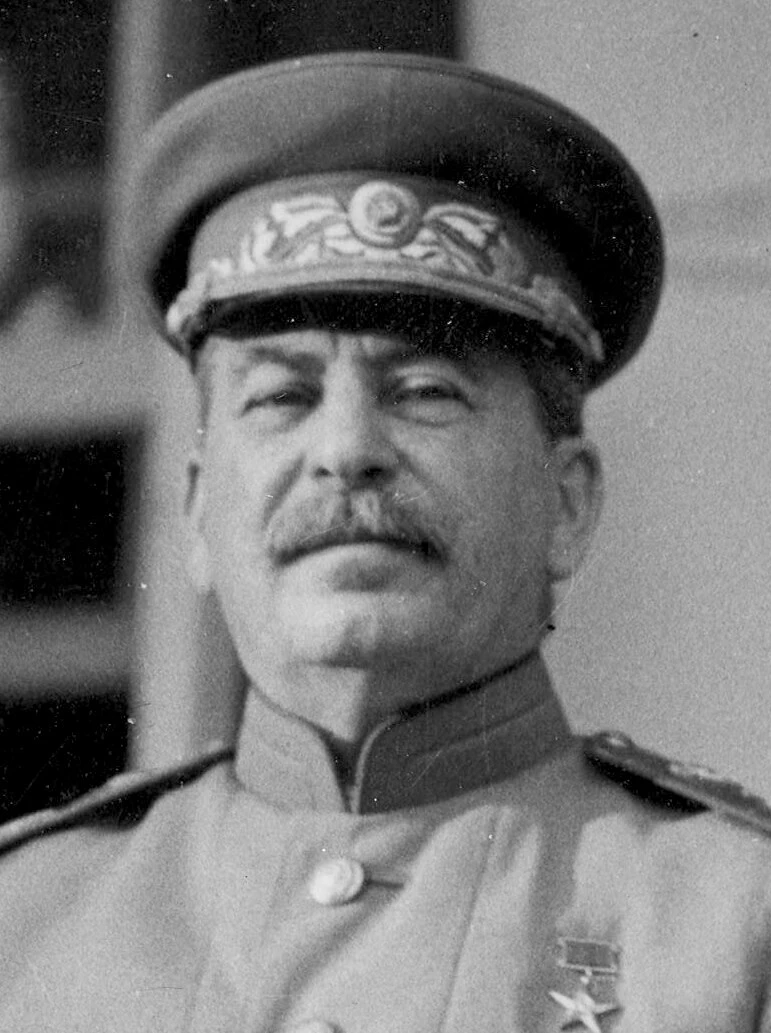
Stalin at the microphone — 'brothers and sisters'
Spanish Wolfram
The Nazi-Soviet Pact
The Moscow Talks
The Dismissal of Litvinov
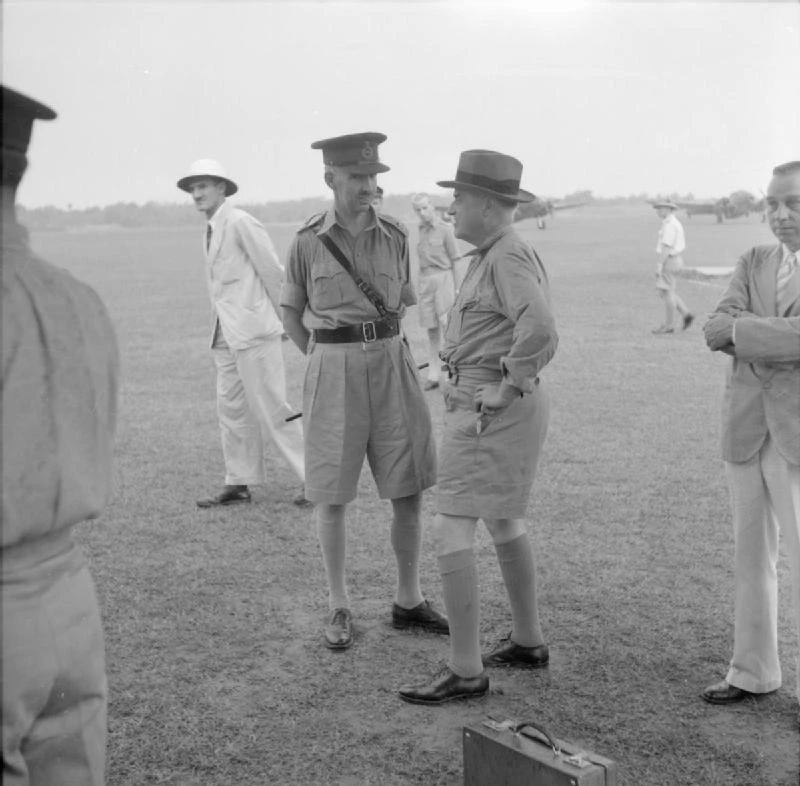
Auchinleck replaces Wavell
Bulgaria: lock of the Balkans, a price to pay
Above all, do not provoke Berlin
Harriman in Moscow, Face to Face with Stalin
The Indische Legion — Subhas Chandra Bose in Berlin
Stalin at the microphone — 'brothers and sisters'
Spanish Wolfram
The Nazi-Soviet Pact
The Moscow Talks
The Dismissal of Litvinov
Auchinleck replaces Wavell