
Forster — Kashubians and Kociewiacy
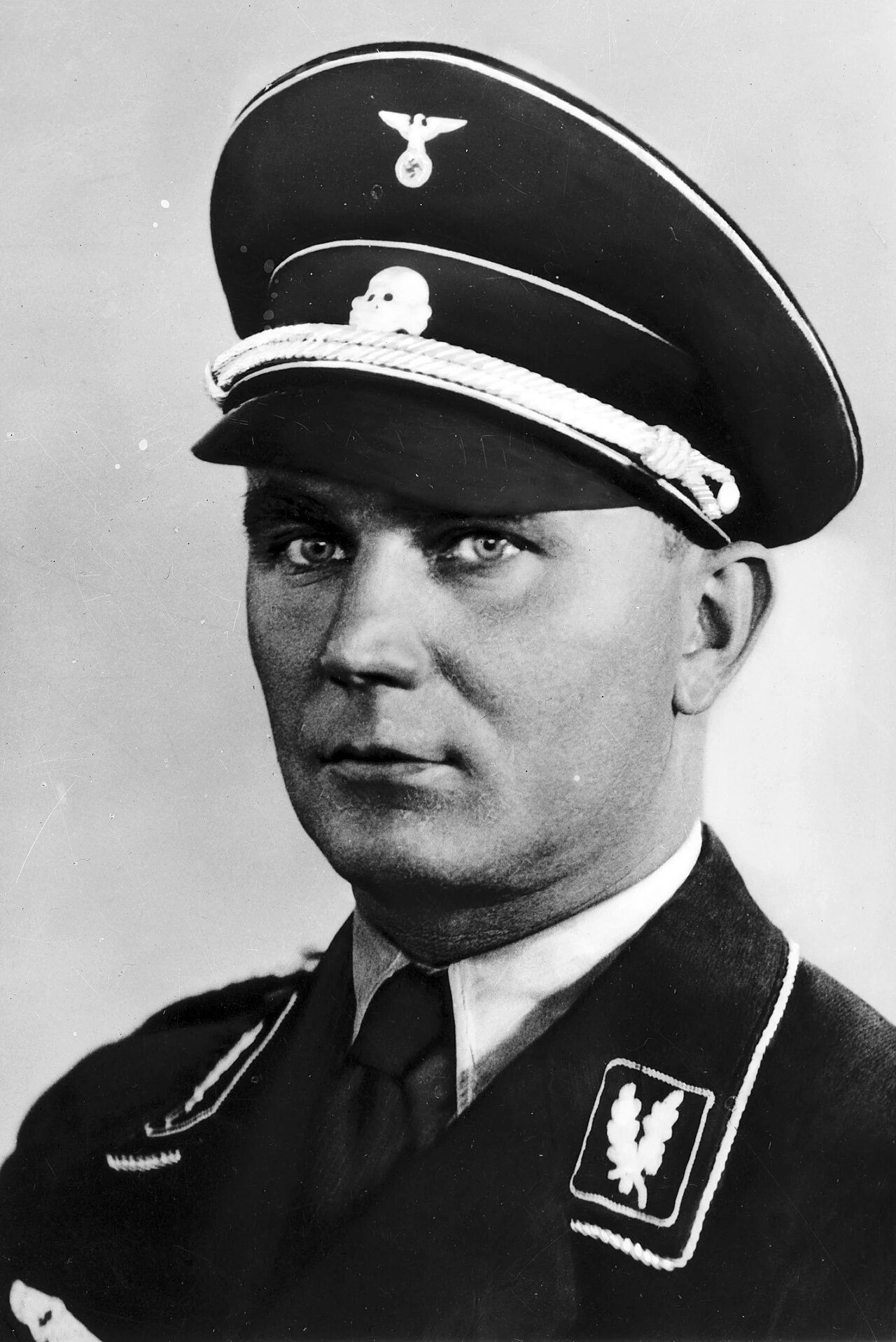
, thirty-seven, has been Gauleiter of Danzig since 1930 — leader of the NSDAP in the Free City, where he had orchestrated political nazification during the 1930s. On 1 September 1939, within the hour of the invasion, the Danzig Senate proclaims the attachment of the Free City to the Reich, and Forster becomes Reichsstatthalter, its governor. On 8 October, Hitler creates by annexation the Reichsgau Danzig-Westpreußen, which unites Danzig, the former Polish Pomerania — the "Corridor" — and part of East Prussia: 26,000 square kilometres and 2.2 million inhabitants.
Forster and Greiser, master of the Wartheland, are rivals and embody two competing schools of occupation policy: germanisation through mass expulsion on one side, assimilation through administrative and cultural constraint on the other — a divergence that is the object of regular arbitration at the Reich Chancellery.
From October 1939, Forster institutes the German Nationality List (Deutsche Volksliste, DVL), which divides the population into four categories: Volksdeutsche, Eindeutschungsfähige — the "germanisable" —, Schutzangehörige, and Poles. Polish is banned from public space, the property of Poles in categories III and IV confiscated, the Pomeranian elites physically liquidated: the mass executions at Piasnica, from October 1939 to February 1940, take 12,000 to 14,000 victims; those at Mniszek and Szpegawsk 10,000 dead; the Stutthof concentration camp has opened as early as 2 September 1939. One difficult question remains: what to do with the Kashubians and the Kociewiacy, Pomeranian Slavic groups distinct from ethnic Poles?
What classification policy to adopt for the Kashubians and Kociewiacy (Slavic ethnic groups of Pomerania distinct from the ethnic Poles)?
Forster chooses to classify the Kashubians and the Kociewiacy as Eindeutschungsfähige (category III, germanisable under tutelage), with imposed choice. The Kashubians (some 350,000 people) are massively ranged in DVL category III or IV, compelled to sign an undertaking of germanisation. The unintended consequence: from 1941, some 150,000 Kashubians are conscripted into the Wehrmacht (often against their will). A few thousand of them desert and pass to the Polish resistance or to the Allied forces (notably via Monte Cassino, where 100,000 Poles fight under Anders in 1944 — a quarter of them former Kashubian or Silesian Wehrmacht). Forster's policy is thus less directly murderous than Greiser's, but provokes profound identity traumas that will last to the end of the twentieth century. Forster also organises the Piasnica (executions of 12,000-14,000 people — Polish and Jewish elites, the mentally ill) from October 1939, in combination with the local . After the war, captured by the British, delivered to Poland, tried at Danzig in April 1948, sentenced to death, hanged on 28 February 1952 at Warsaw.
Learn more about this event
Related polls
10
Greiser — the Priority of the Wartheland
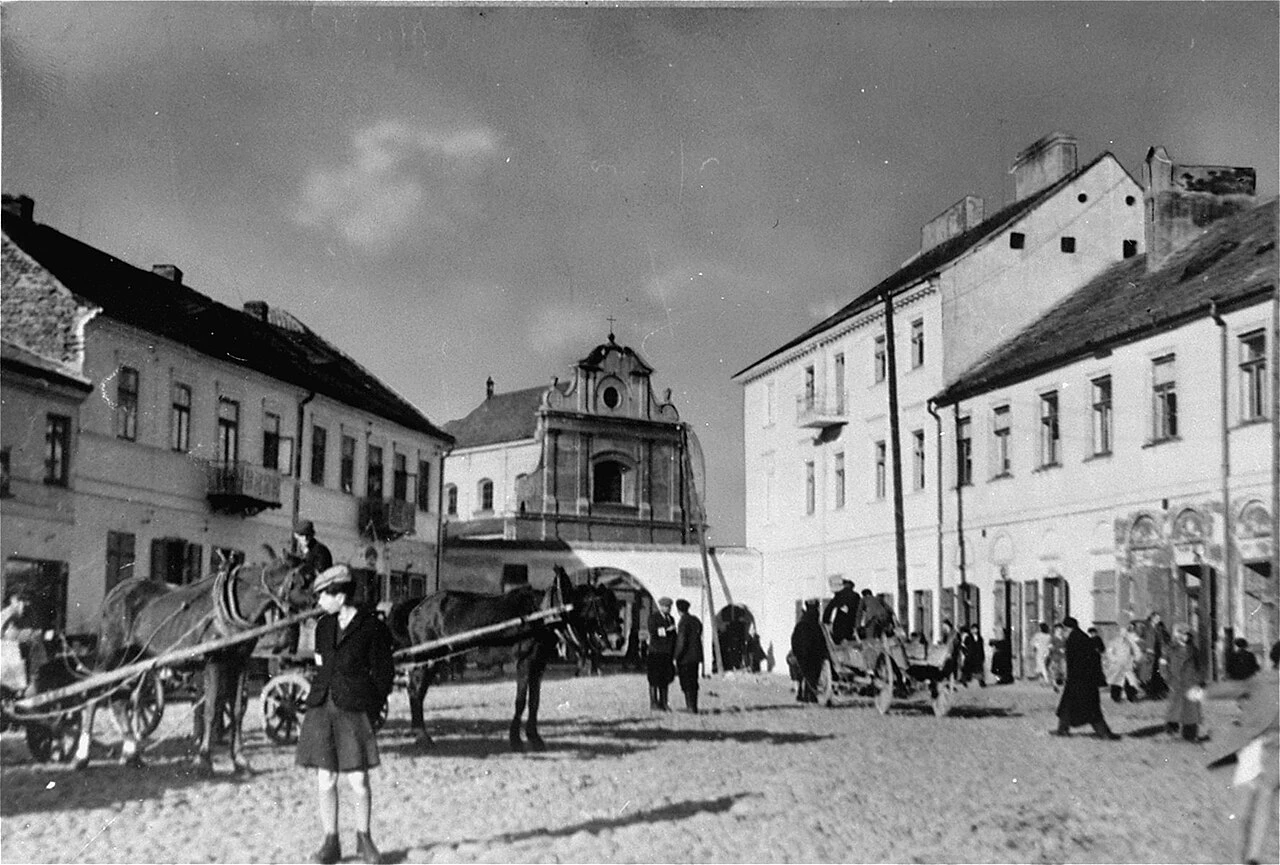
Piotrkow — Tenenberg Facing the Judenrat
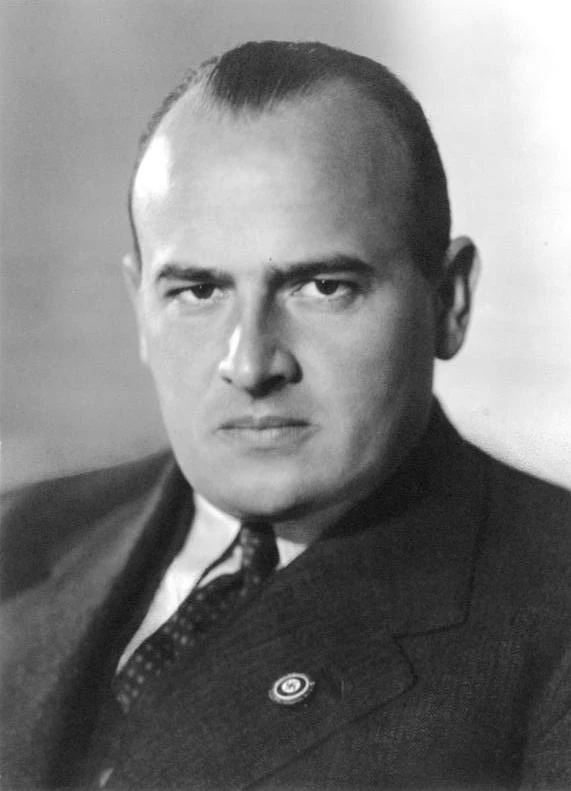
AB Aktion — planning at the Wawel
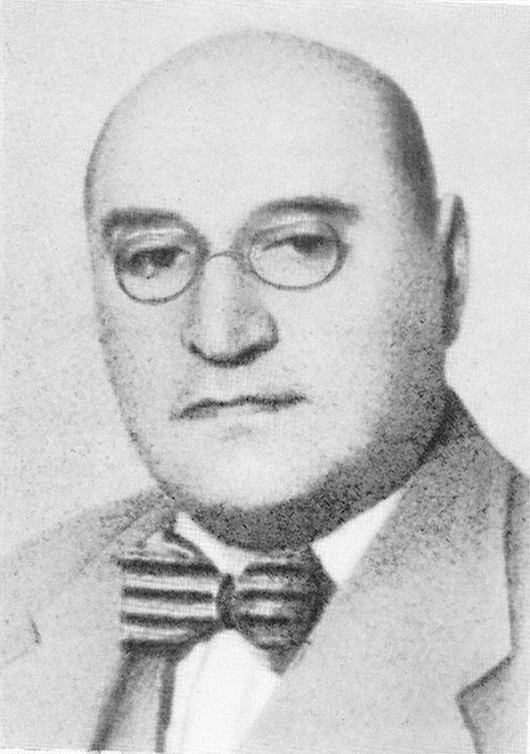
Czerniaków — the offer of the Judenrat
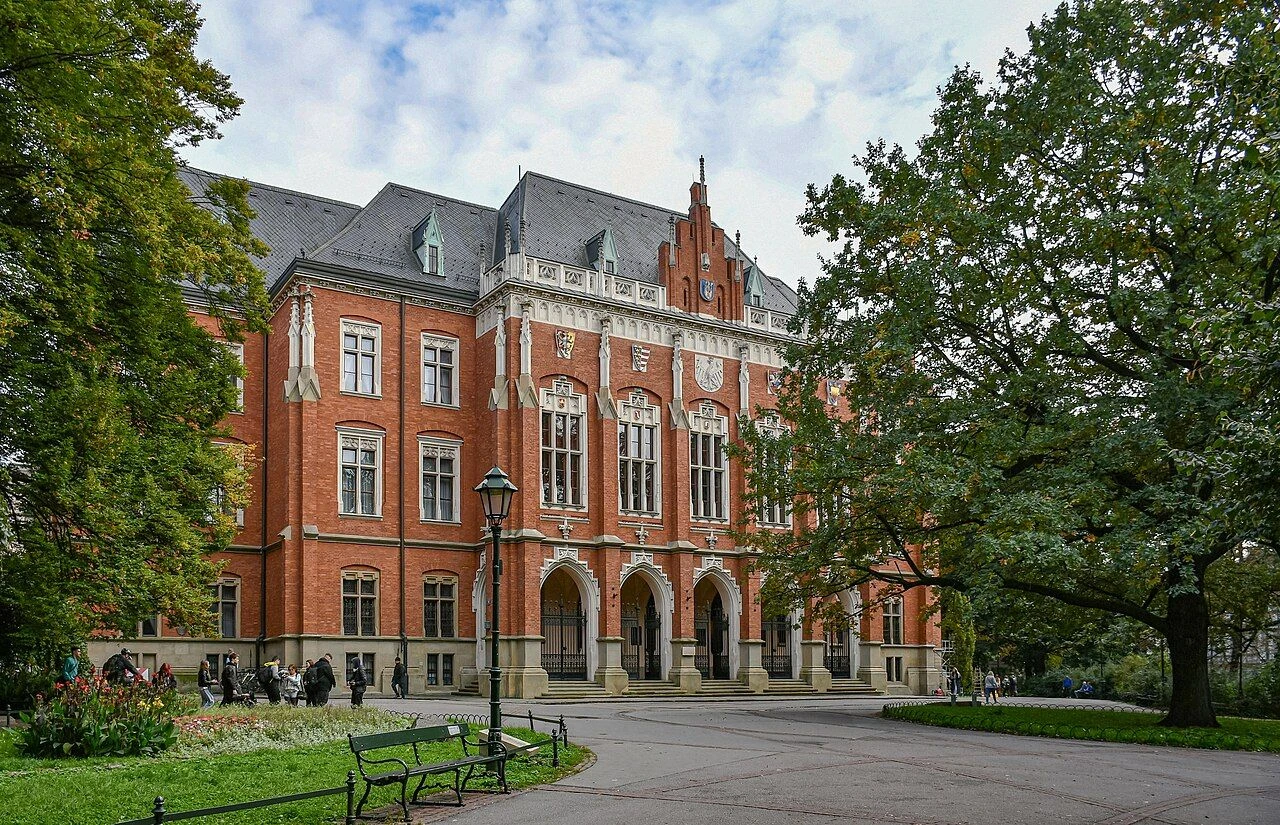
Hans Frank — the taking of the Wawel
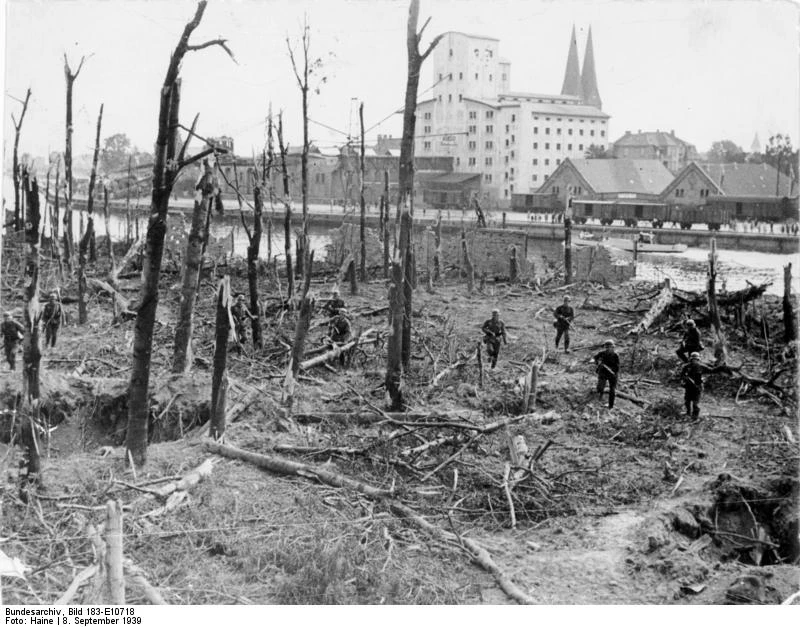
A Danzig Customs Officer on the Day of Annexation
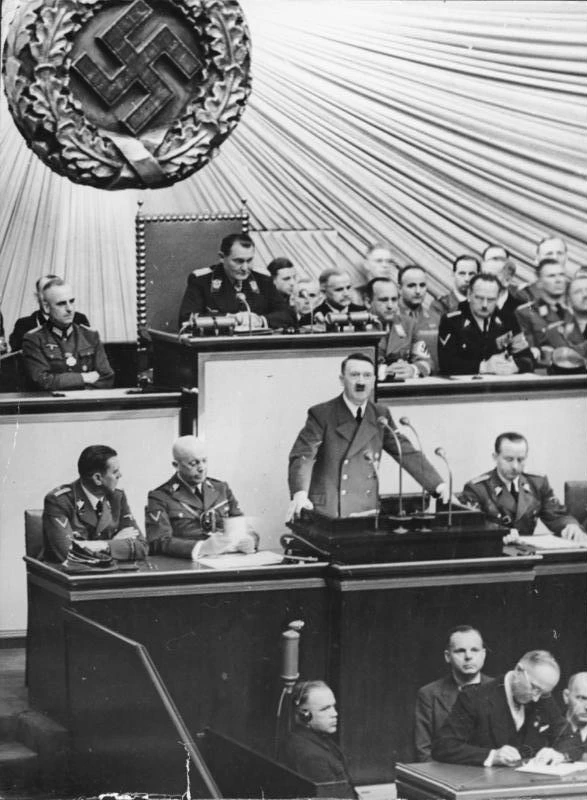
Hitler — the Reichstag Speech
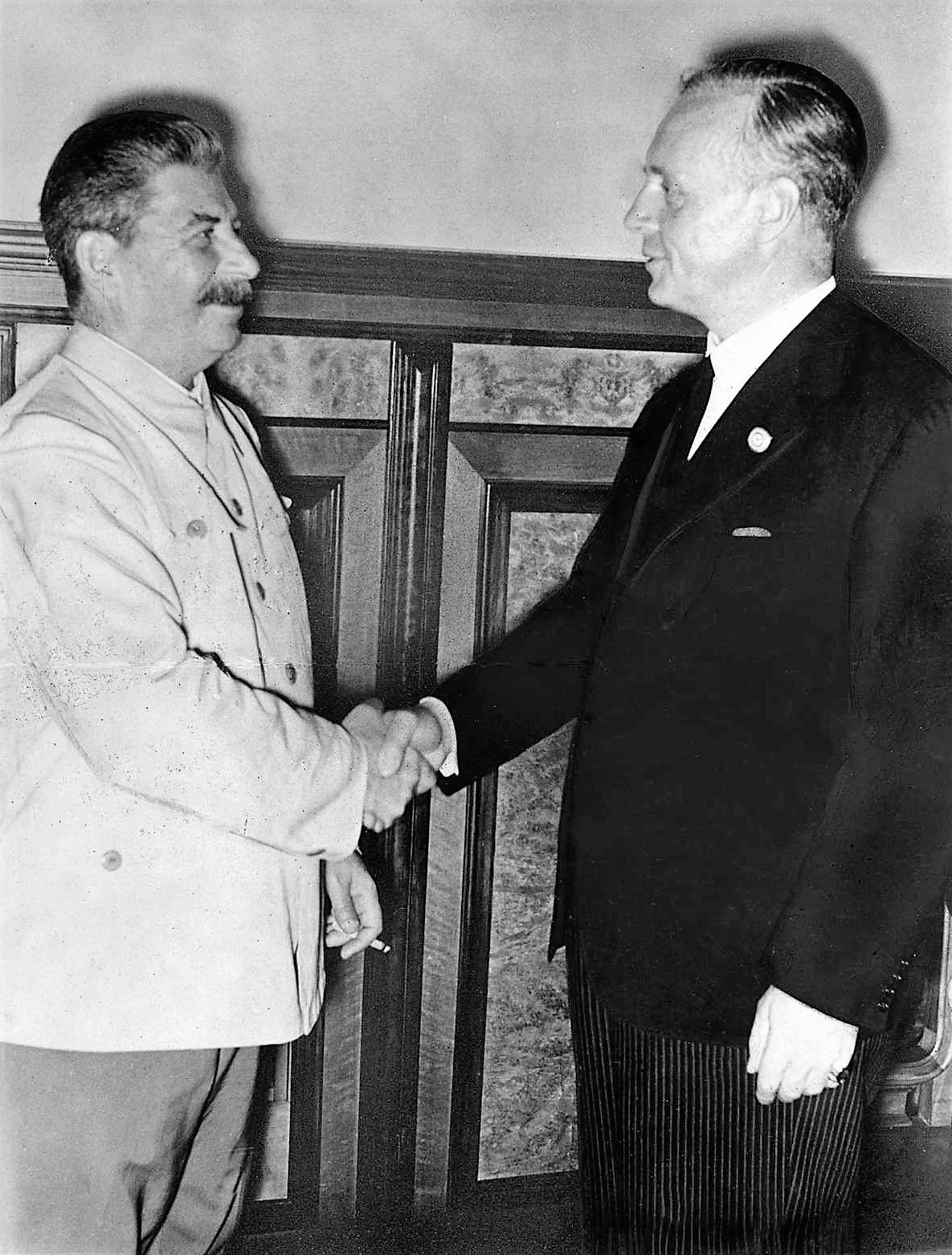
Ribbentrop in Moscow — the Accord of 28 September
Selbstschutz — Alvensleben in Pomerania
Serov — 10 February 06:00 at Lwów
Greiser — the Priority of the Wartheland
Piotrkow — Tenenberg Facing the Judenrat
AB Aktion — planning at the Wawel
Czerniaków — the offer of the Judenrat
Hans Frank — the taking of the Wawel
A Danzig Customs Officer on the Day of Annexation
Hitler — the Reichstag Speech
Ribbentrop in Moscow — the Accord of 28 September
Selbstschutz — Alvensleben in Pomerania