
Wallenius — defending 700 km of Lapland
, 46, commands the — a hasty formation covering 700 km of Finno-Soviet frontier north of the Arctic Circle. Strength: 23,000 men spread over that enormous front, indifferent equipment, supplied by a single railway (Kemi-Rovaniemi-Sodankylä). Mission: prevent the from reaching Sweden through the Arctic forests — a strategic fissure that could cut Finland off from Swedish iron ore.
Wallenius inherits a murky political situation. He commanded the Tornio garrison in 1932 during the Lapua rebellion (a Finnish far-right movement that sought to overthrow the parliamentary government) — an initial sympathiser, he distanced himself when Lapua turned to attempted putsch. The general staff distrusts him. But in November 1939 his Arctic combat experience makes him indispensable.
He must decide how to distribute his 23,000 men over the Lapland front.
How should Wallenius distribute his 23,000 men?
Wallenius applies B. His decision drew initial criticism from Mannerheim — but it proved effective. None of the three Soviet penetrations (Petsamo, Salla, Kuhmo-Suomussalmi) reached Sweden or the Gulf of Bothnia. The front held despite the 5:1 odds. Wallenius was promoted divisional general in March 1940. But his career stopped there: he left the active army in 1941, becoming a writer — he published Eteenpäin ihmisten ja jumalan kanssa ("Forward with men and with God", 1945), a controversial autobiography touching on past links with Lapua. Politically discredited after the war, he died in 1984 aged 91.
Learn more about this event
Related polls
10
Pajari at Tolvajärvi — 12 December, 04:00
Salla — Lagus against the 9th Army
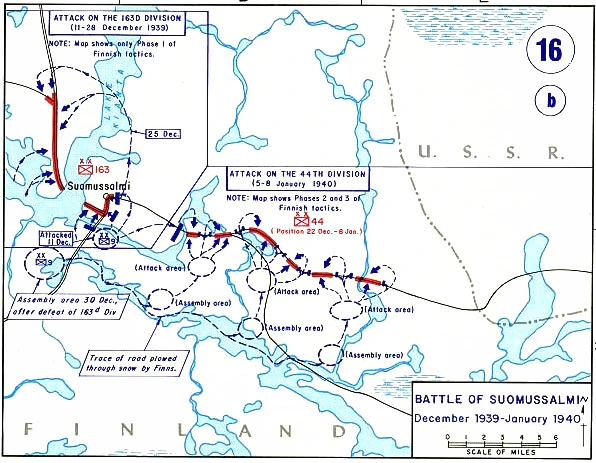
Suomussalmi — Siilasvuo against the 163rd
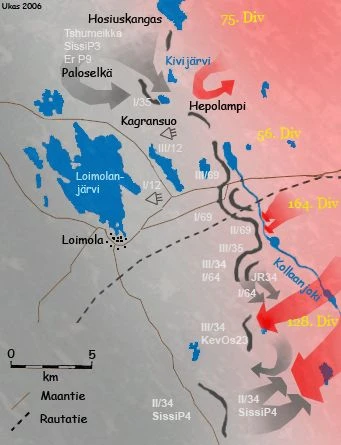
Svensson on the Kollaa front
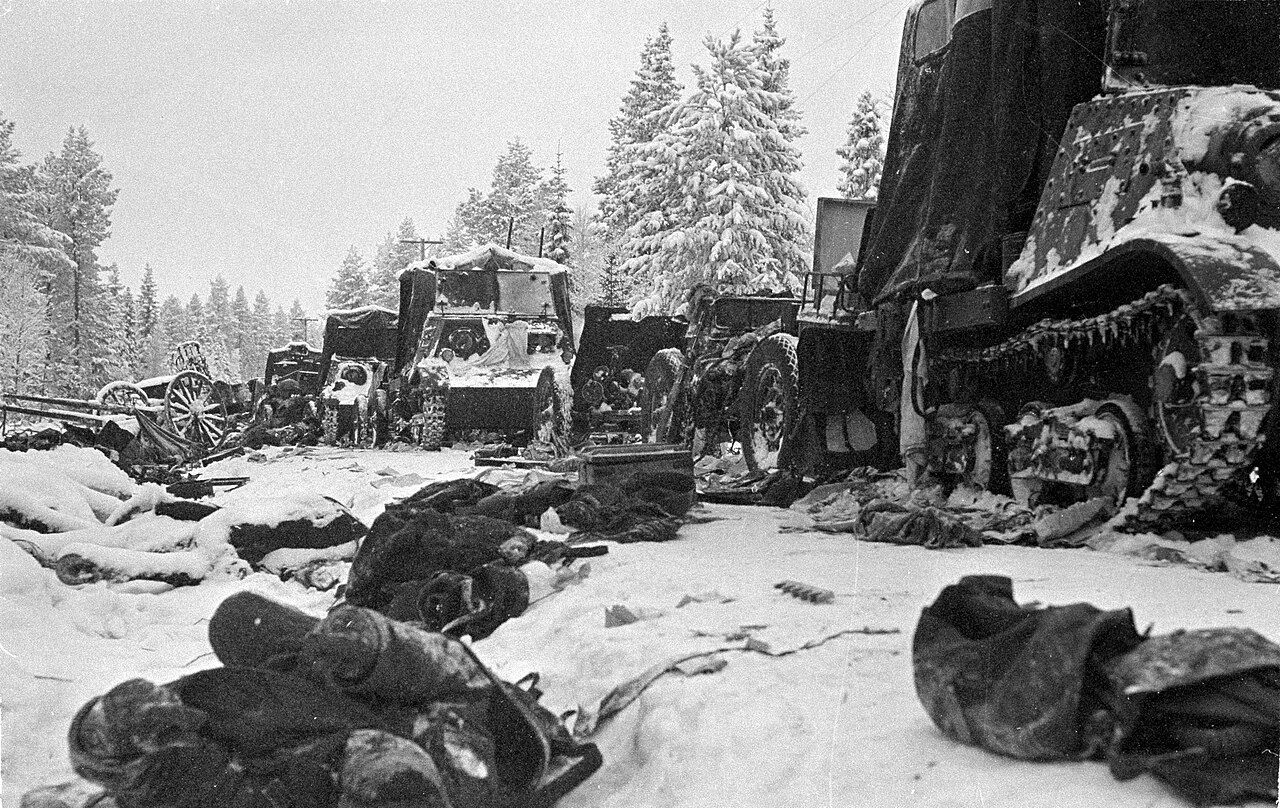
Raate — Vinogradov on the frozen road
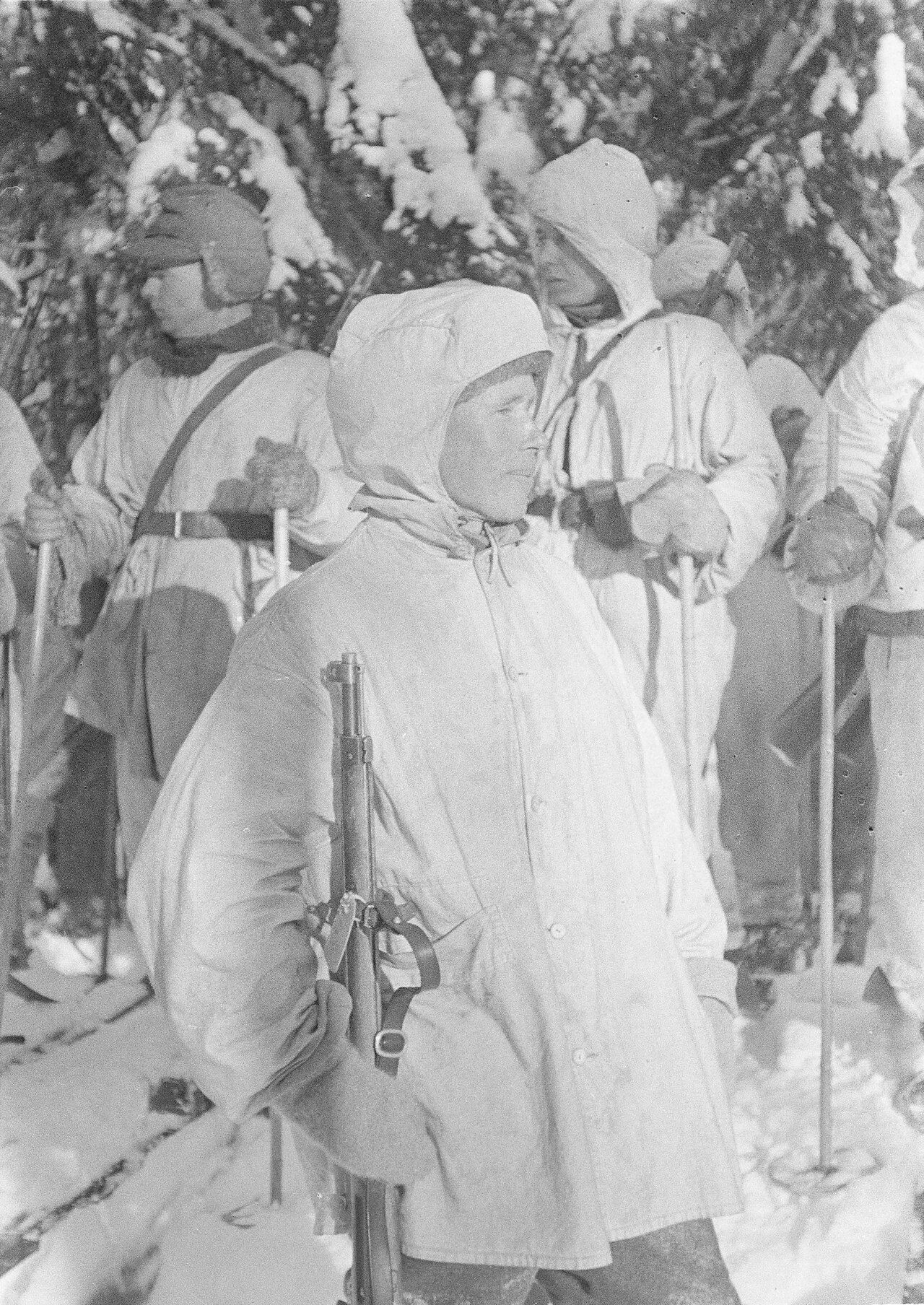
Häyhä — the marksman of Kollaa
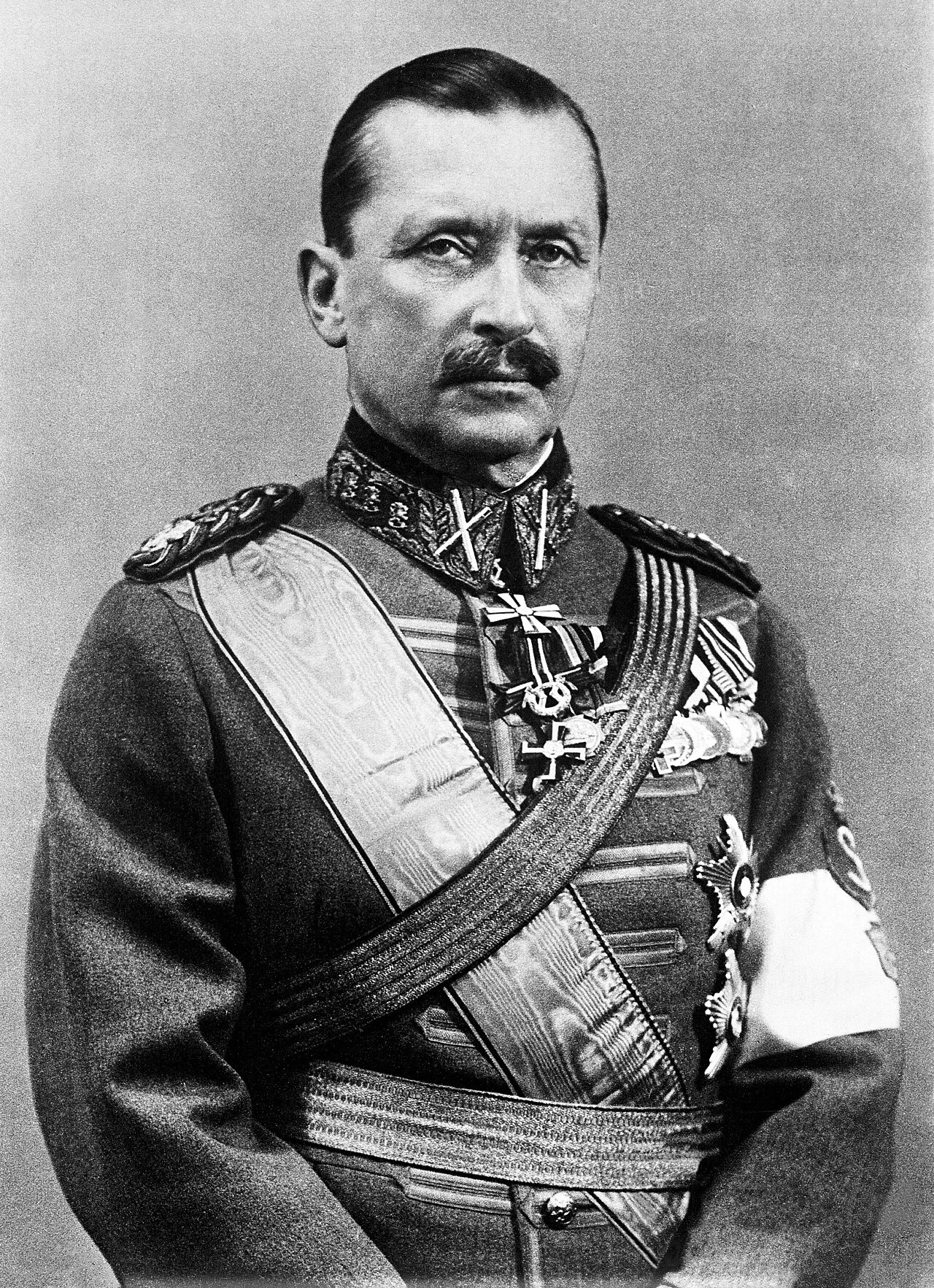
Mannerheim — the order facing Viipuri
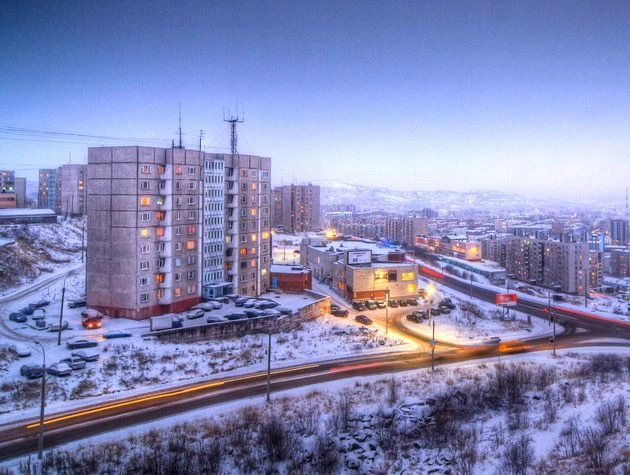
Petsamo — Pennanen on the Arctic coast
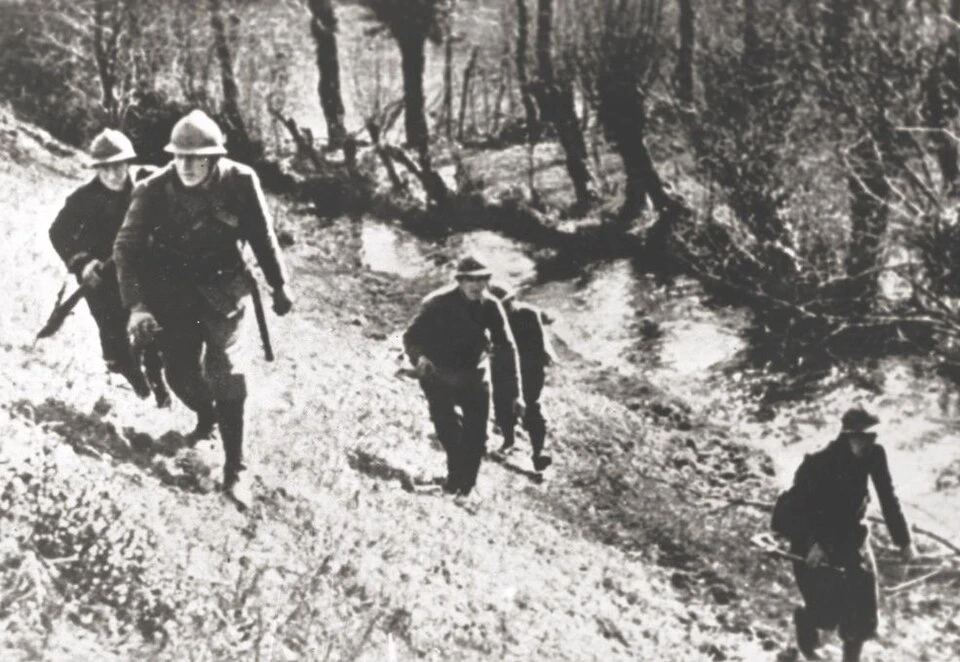
Kock — Kleeberg on the morning of 6 October
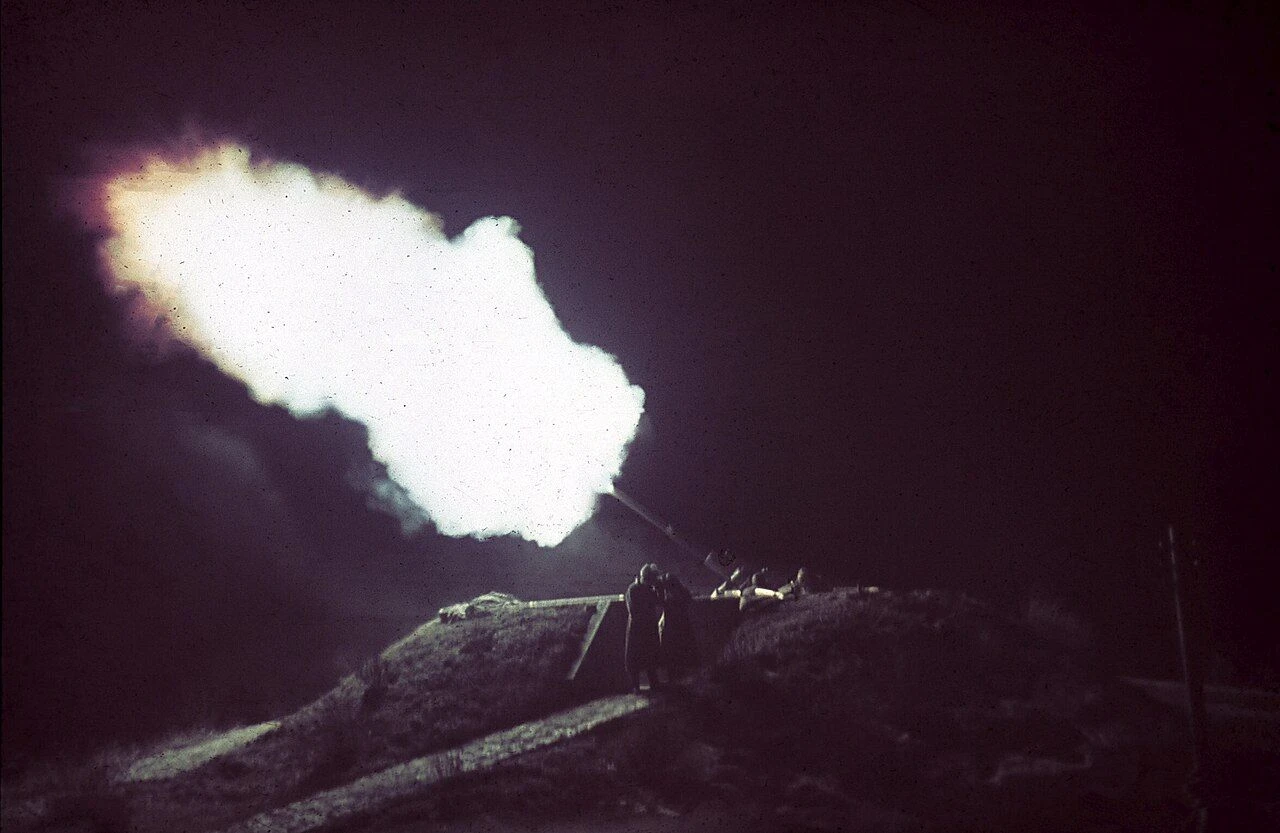
Aalto-Setälä — passive defence
Pajari at Tolvajärvi — 12 December, 04:00
Salla — Lagus against the 9th Army
Suomussalmi — Siilasvuo against the 163rd
Svensson on the Kollaa front
Raate — Vinogradov on the frozen road
Häyhä — the marksman of Kollaa
Mannerheim — the order facing Viipuri
Petsamo — Pennanen on the Arctic coast
Kock — Kleeberg on the morning of 6 October