
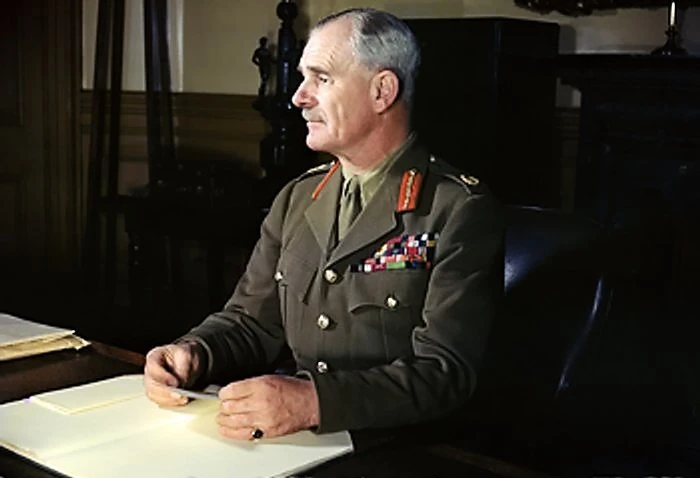
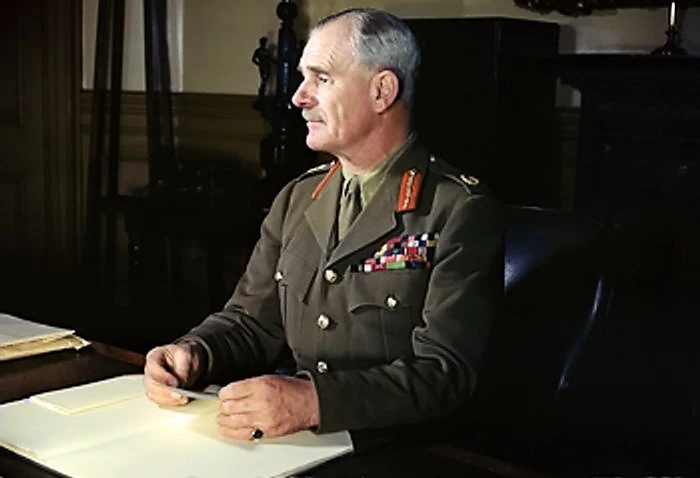
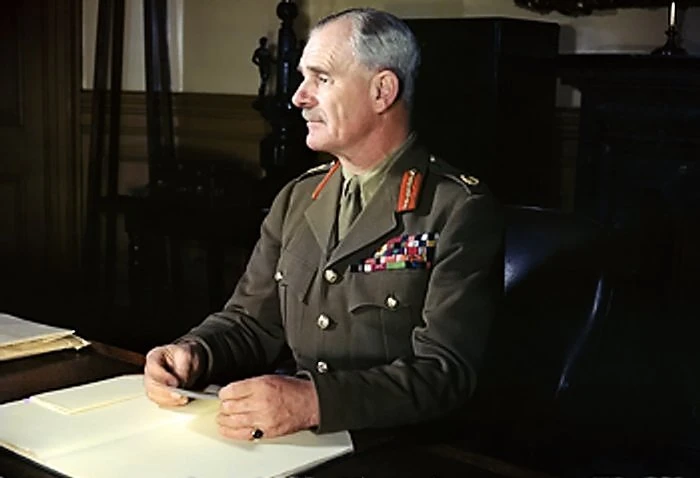
By mid-February 1941 Operation Compass has reached El Agheila and annihilated the Italian : the whole of Cyrenaica is conquered, the road to Tripoli appears open. The Commander-in-Chief Middle East, General , must decide what to do next, under conflicting pressures.
His victorious field commander O'Connor wants to drive on Tripoli: taking the capital of Italian Libya would clear the Axis out of North Africa for good and offer airfields to strike at Sicily and Italy. But in London, Churchill has another priority: rescue Greece, threatened by imminent German invasion, by sending an expeditionary force drawn from the forces in Libya.
Wavell knows the limits of his means: his armor is worn out, his supply lines immense, the Royal Navy stretched, and the Luftwaffe now in Sicily. He must arbitrate between three options: push on to Tripoli to complete the African victory; halt and hold Cyrenaica with a minimum of forces to free troops for Greece; or divide the effort between the two, at the risk of being too weak everywhere.
Should Wavell push on to Tripoli or halt to rescue Greece?
Wavell chose B, in line with London's priority: the advance halted at El Agheila, Cyrenaica was held by a small and inexperienced garrison, and the best units (Australians, New Zealanders, armor) were redirected to Greece. The decision was doubly unfortunate: the Greek expedition would fail in April against the Germans, while Rommel, arrived in the meantime, would exploit the weakness of the Cyrenaican garrison to reconquer almost all the ground in a few weeks — O'Connor himself would be captured in April. The choice of February 1941 illustrates the British strategic dilemma: dispersing inadequate means across too many fronts. O'Connor, convinced that a total victory had been snatched from him, remained bitter.
Learn more about this event
Related polls
10
Wavell Against the 150,000 Italians — Egypt, September 1940
Platt before Kassala — January 1941
Wavell and the 'butcher's bill'
Wavell in the face of Rommel's storm

Germany first, even before the war
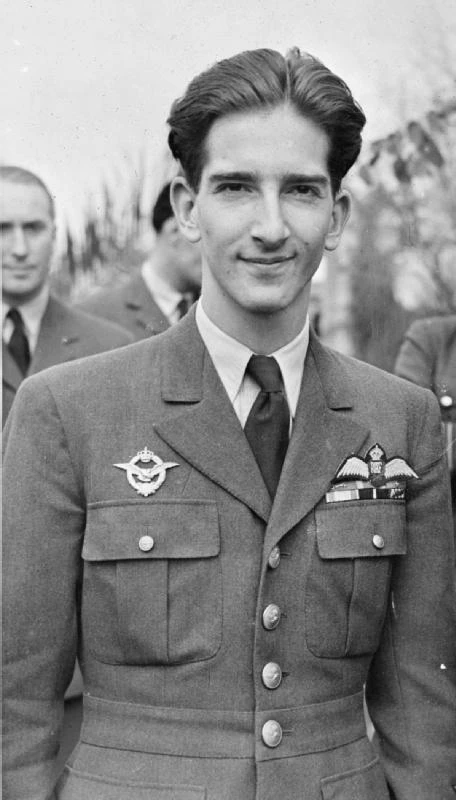
The Belgrade coup
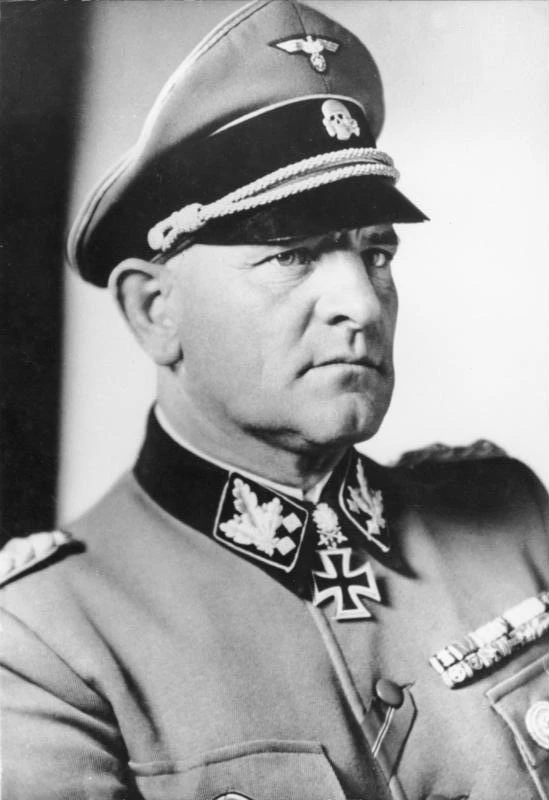
Hitler signs the Barbarossa directive
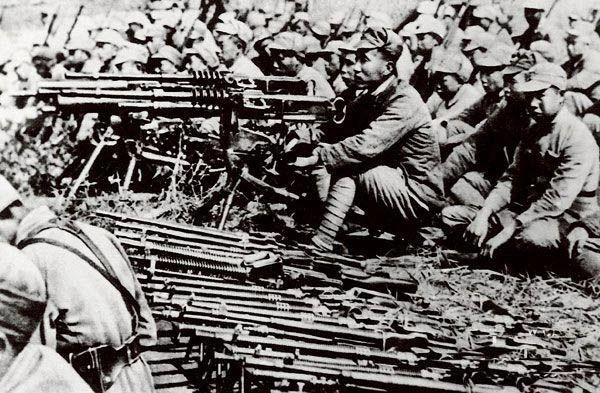
The New Fourth Army Incident
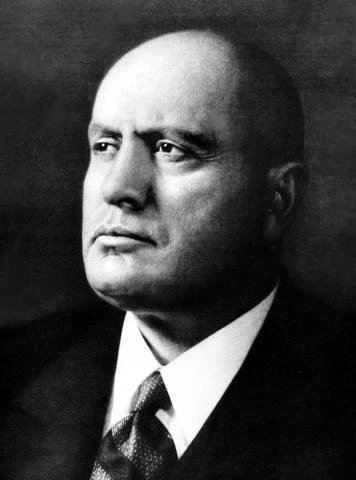
Hold the bastion or save the divisions?
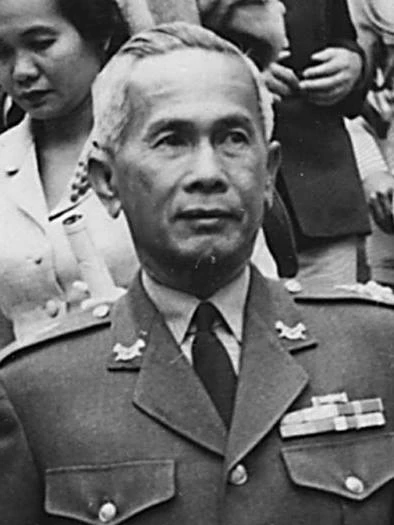
Bangkok Eyes the Lost Provinces of the Mekong
Wavell Against the 150,000 Italians — Egypt, September 1940
Platt before Kassala — January 1941
Wavell and the 'butcher's bill'
Wavell in the face of Rommel's storm
Germany first, even before the war
The Belgrade coup
Hitler signs the Barbarossa directive
The New Fourth Army Incident
Hold the bastion or save the divisions?