
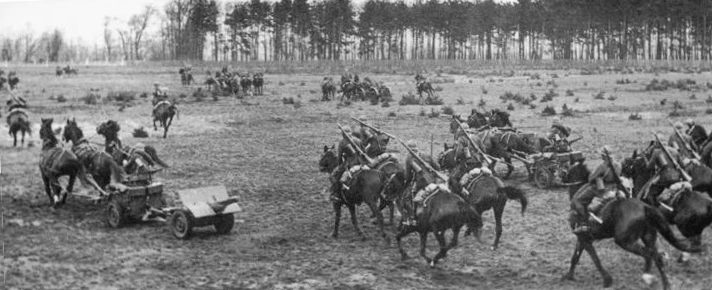
In late August 1939, the imminence of the German attack is hardly in doubt any longer for the Polish command. For an army to be ready to fight, it must be mobilised in time: recalling reservists, moving up units, arming the positions. Every day of delay is paid for in lives and in ground.
But Warsaw is under strong pressure from its allies. France and the United Kingdom, which are pursuing final diplomatic démarches, fear that a visible Polish general mobilisation might be interpreted as a provocation and furnish Hitler with a pretext. They press Poland to play for time.
Marshal Rydz-Śmigły and the government face an agonising choice. Decree general mobilisation without delay, in the name of the military imperative, even at the cost of crossing the allies? Defer under Franco-British pressure, to preserve the chances of diplomacy, at the risk of falling behind? Or order a partial and discreet mobilisation, a lame compromise between the two? Each hour lost or gained in this race against the clock could be measured, when the moment comes, in territories and in lives.
Should Poland decree general mobilisation without delay, or defer it under pressure from the Allies?
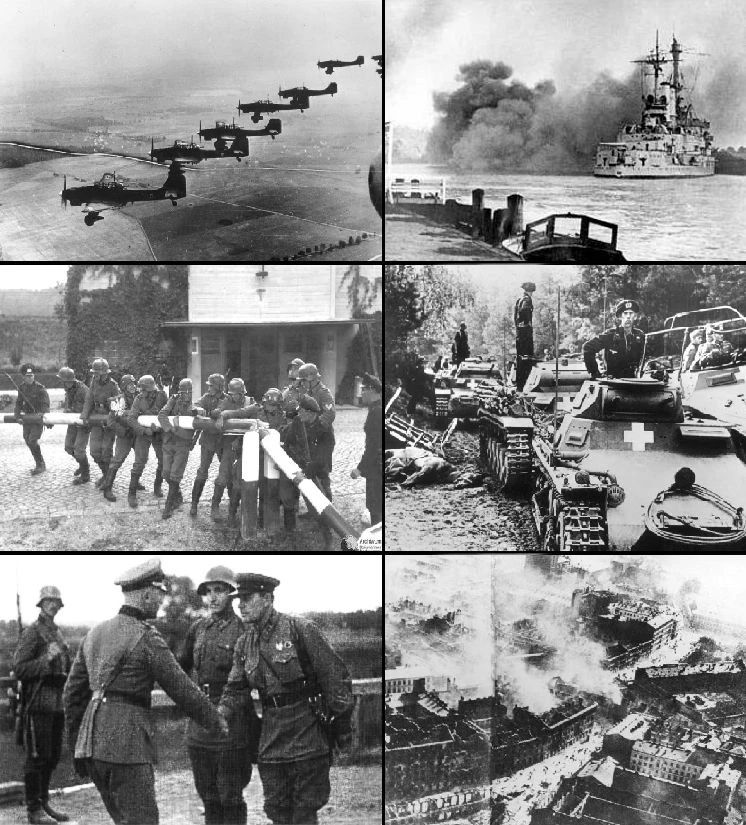
Poland suffers the worst of both worlds: having begun general mobilisation on 29-30 August, it briefly suspends it at the urgent request of France and the United Kingdom, before resuming it on 31 August. This setback, imposed by Allied diplomacy, disorganises the timetable and loses precious hours just as the German army prepares to strike. When the attack comes on 1 September, part of the Polish units have not completed their deployment. The thwarted mobilisation of late August illustrates the tension between military logic and diplomatic calculations — here to Poland's detriment.
Learn more about this event
Related polls
10
Rydz-Śmigły at Kuty — the directive of 17 September
Brussels, September 1939: a small country's tightrope walk
Borakowski and the merchant fleet
The Bzura — Kutrzeba faces the trap
The Supreme Allied Council faces Finland
Operation Peking — Stankiewicz Facing the Sound
The Polish Army and the Deployment
Baku in the crosshairs — Operation Pike
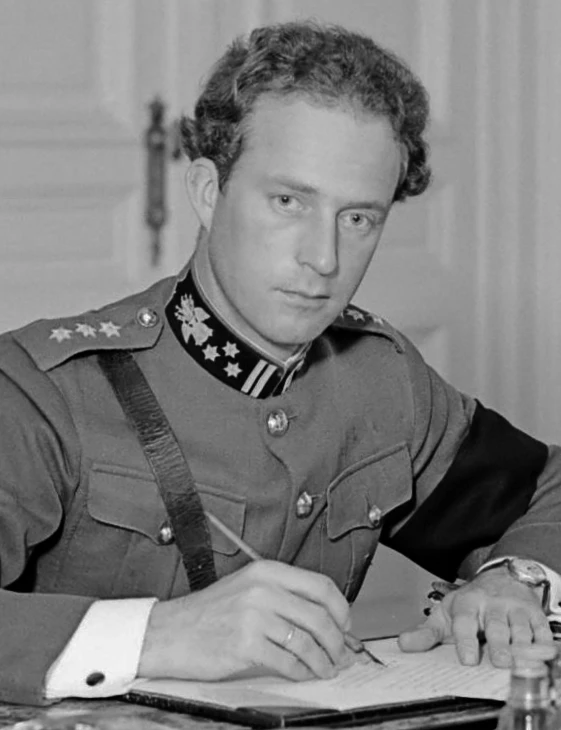
Neutral Belgium — let the Allies in?
Bombing London — and the reply on Berlin
Rydz-Śmigły at Kuty — the directive of 17 September
Brussels, September 1939: a small country's tightrope walk
Borakowski and the merchant fleet
The Bzura — Kutrzeba faces the trap
The Supreme Allied Council faces Finland
Operation Peking — Stankiewicz Facing the Sound
The Polish Army and the Deployment
Baku in the crosshairs — Operation Pike
Neutral Belgium — let the Allies in?