
Lwów — Langner between two occupiers
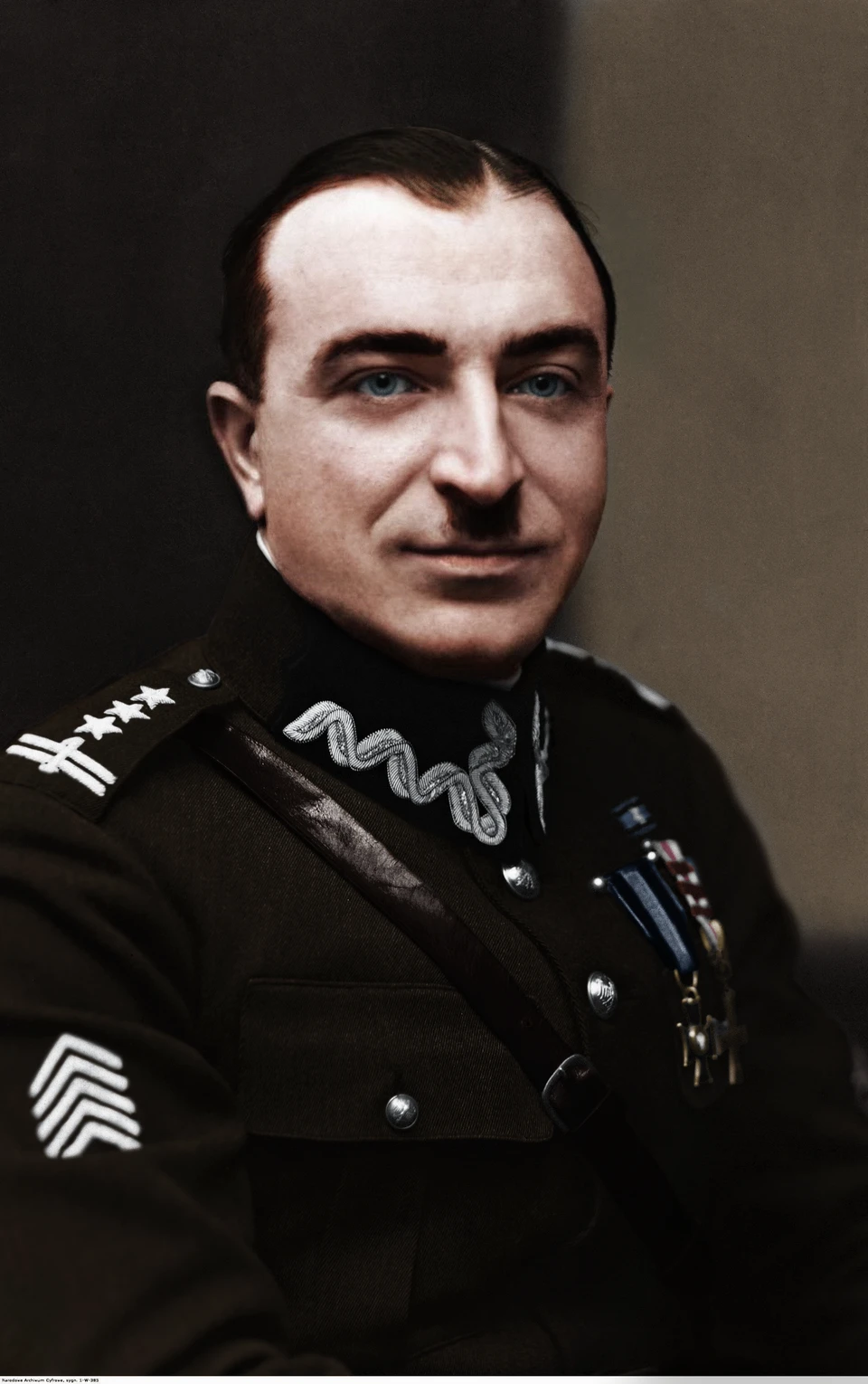
, 42, has been Army Inspector at Lwów since 1937. Lwów (in Ukrainian Lviv) is the principal city of Eastern Galicia — 320,000 inhabitants, of whom 50 percent are Poles, 33 percent Jews, 16 percent Ukrainians. A cultural and university capital (Jan Kazimierz University, the Polytechnic). An industrial centre for the east (the Drohobycz oil refineries are close by).
By 7 September, the German advance from Slovakia reaches the outskirts. Langner organises the defence: 32,000 men (remnants of the , the regular garrison, civilian volunteers), 150 guns, 11 light tanks, two armoured trains (Bartosz Głowacki, Pierwszy Marszałek). From 12 to 18 September, the German (General ) attacks from the west and the south. The Polish defenders hold.
On 17 September, the Soviet invasion changes everything. On 19 September, the Soviet (General ) reaches the eastern outskirts of Lwów. For the first time in history, two belligerent armies are besieging the same city at once. On 20 September a chance armed clash between German and Soviet patrols (Winniki) leaves three Soviets and two Germans dead.
On 21 September two envoys present themselves to Langner: the German Colonel von Schobert and the Soviet kombrig Yakovlev. The Reich offers an honourable evacuation toward Hungary through German lines. The Soviets demand surrender to them, threatening to attack if Langner gives way to the Germans.
To whom should he surrender the city?
Langner chooses B. On 22 September at 10:00 he signs the surrender to the Soviets. The terms promised by Yakovlev: officers free, soldiers released on parole, humane treatment. None of these promises is kept. All the officers are arrested. About 10,000 of them would end up in the mass graves of Katyn, Starobielsk and Kharkov in the spring of 1940 — including almost the entirety of Langner's staff. Langner himself is imprisoned but escapes in November 1939, crosses into Hungary, joins Sikorski in France. He commands the Polish division in Scotland, then serves in British air defence. After the war, exile in the United Kingdom. He dies at Newark in 1972. Lwów passes to the USSR, becomes Lviv in 1991 (independent Ukraine). Langner's decision remains one of the most controversial of September 1939 — founded on a misplaced trust in international law against a power that did not respect it.
Learn more about this event
Related polls
10
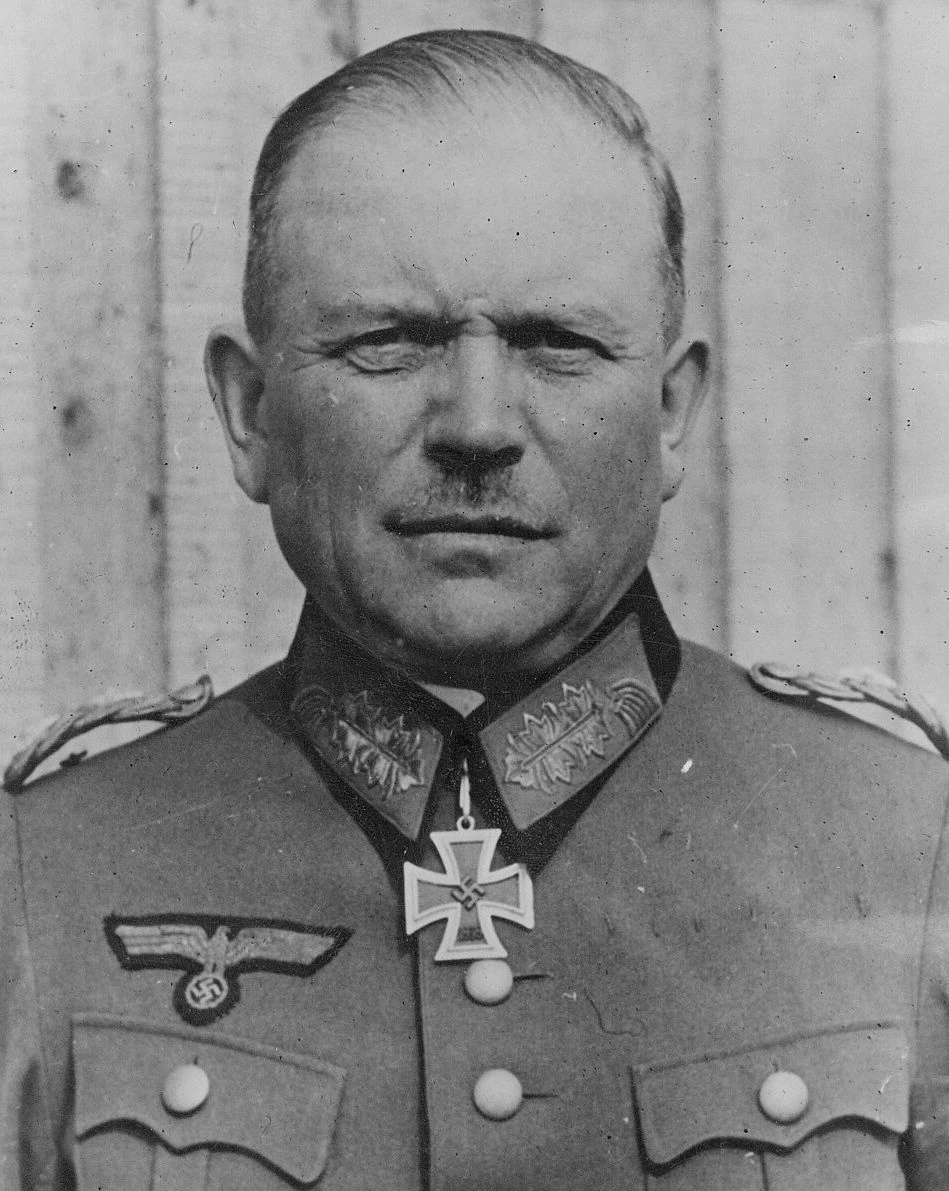
Brześć — Plisowski faces Guderian
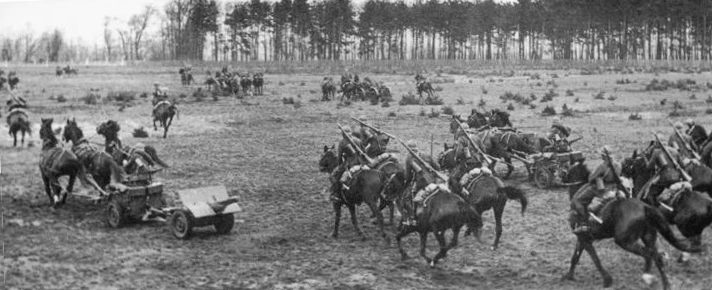
The Bzura — Kutrzeba faces the trap
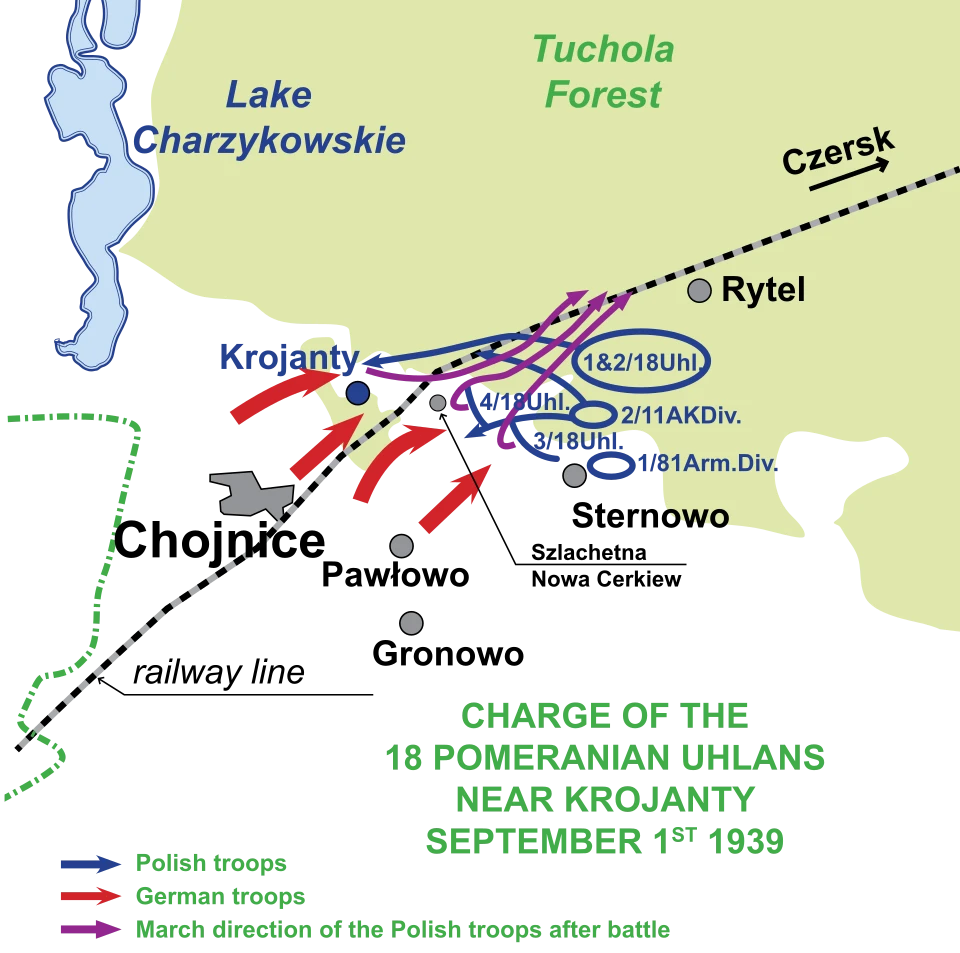
Krojanty — Mastalerz and the 18th Uhlans
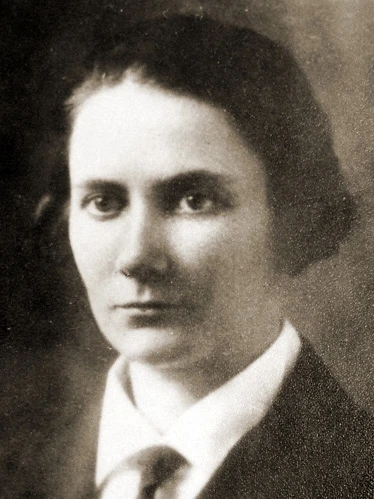
Maria Wittek — Wzgórze Wuleckie
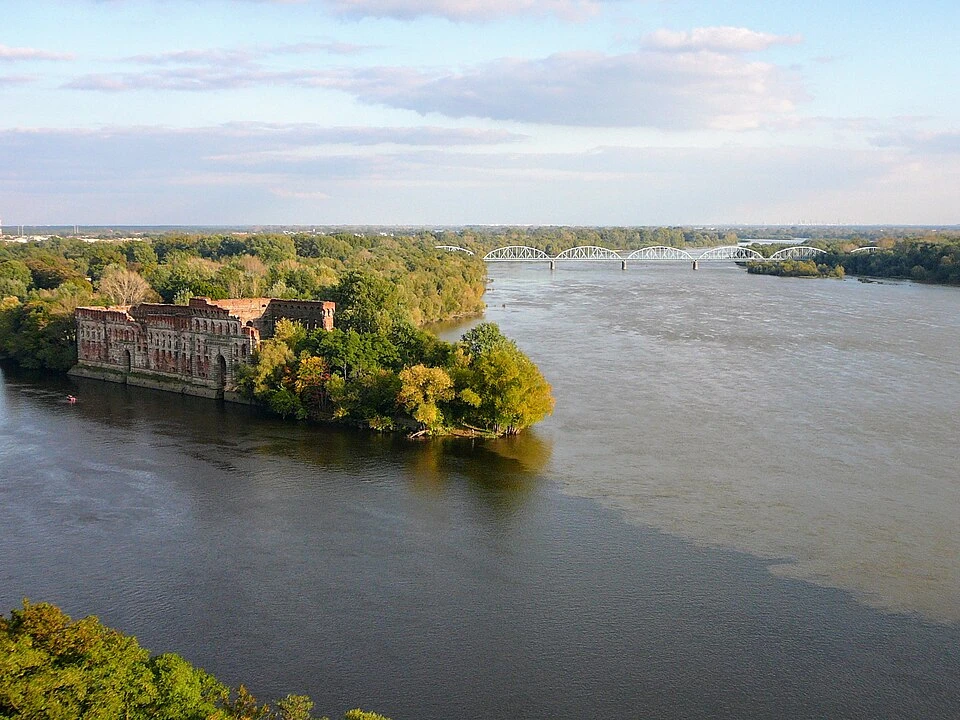
Modlin — Thommée at the last fortress
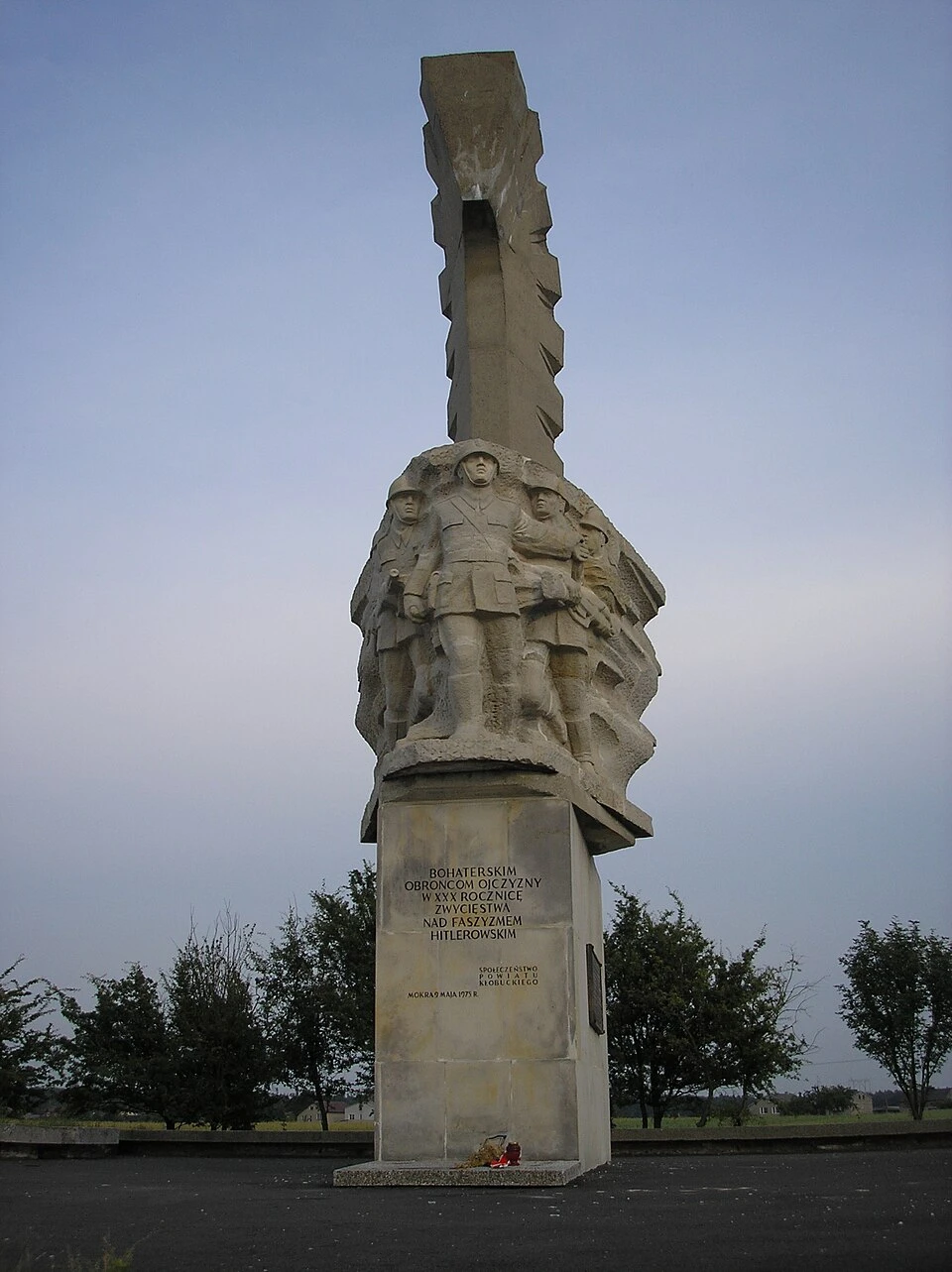
Mokra — Filipowicz and the Volhynian Brigade
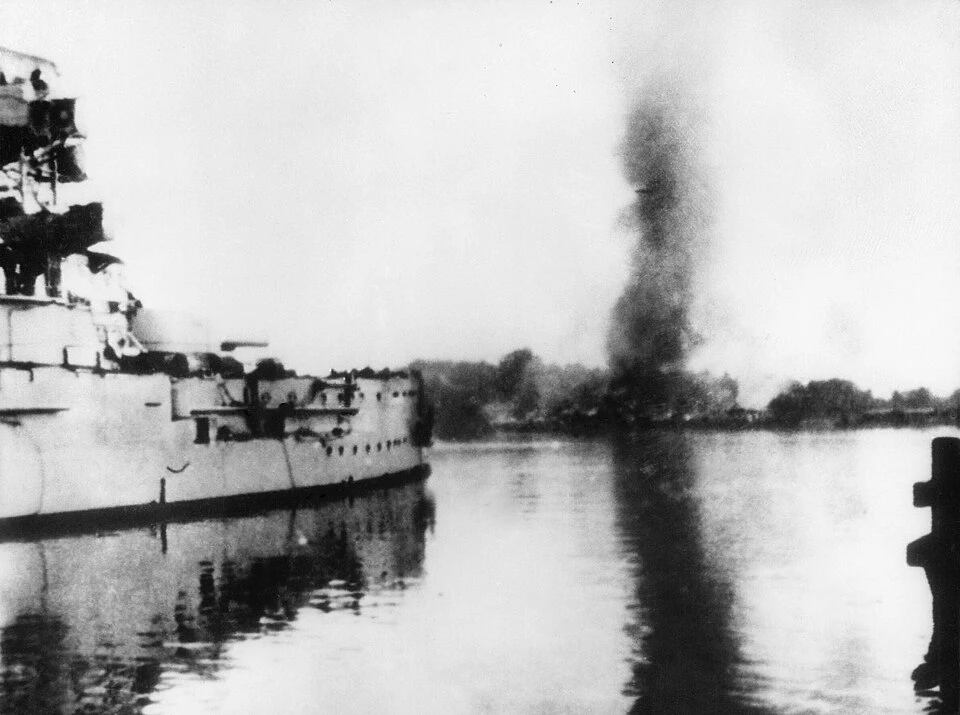
Westerplatte — Sucharski under the Schleswig-Holstein's guns
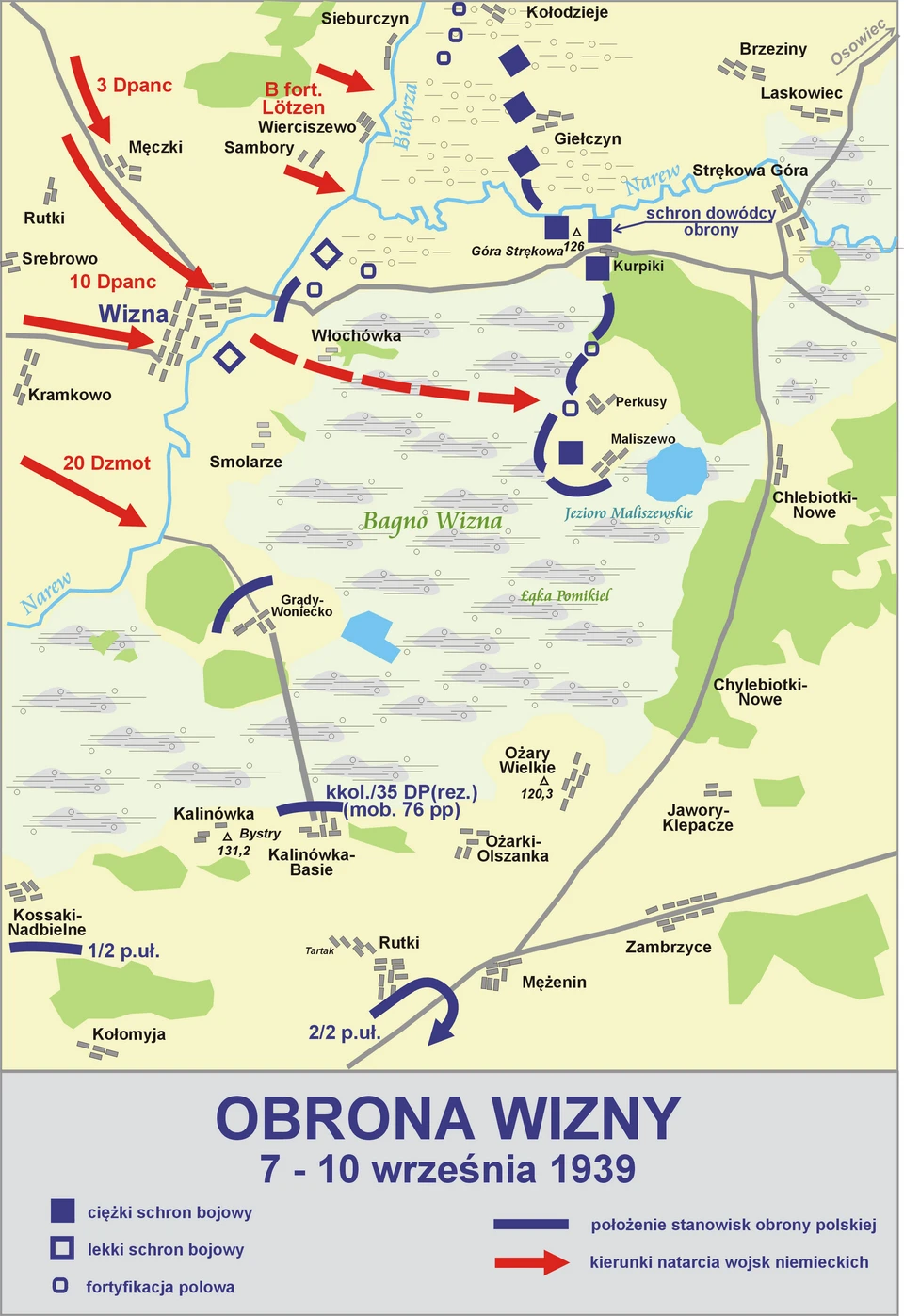
Wizna — Raginis in the Górka bunker
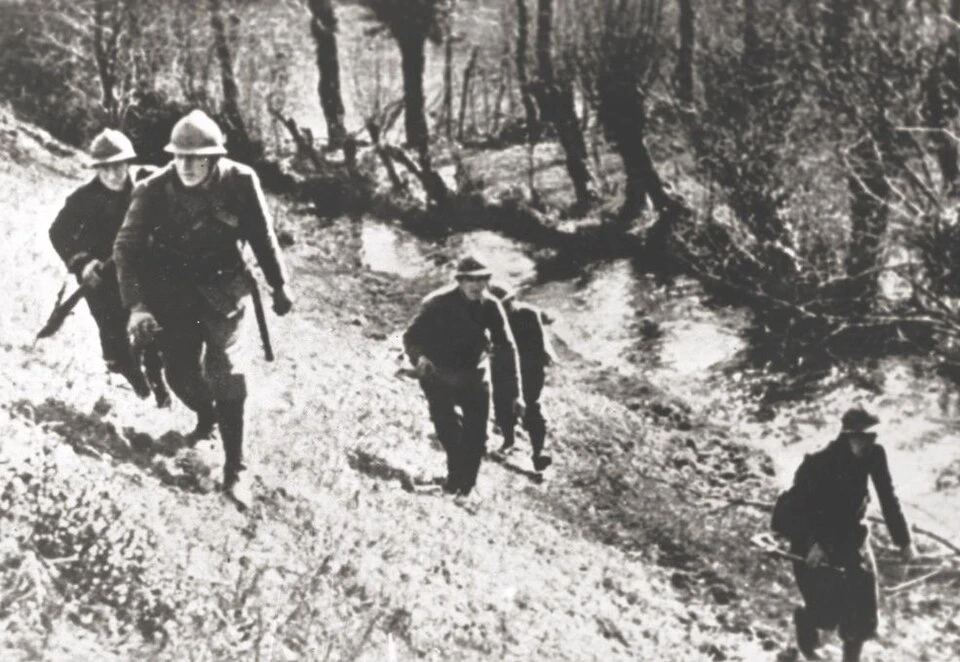
Kock — Kleeberg on the morning of 6 October
Wytyczno — Orlik-Rückemann after Szack
Brześć — Plisowski faces Guderian
The Bzura — Kutrzeba faces the trap
Krojanty — Mastalerz and the 18th Uhlans
Maria Wittek — Wzgórze Wuleckie
Modlin — Thommée at the last fortress
Mokra — Filipowicz and the Volhynian Brigade
Westerplatte — Sucharski under the Schleswig-Holstein's guns
Wizna — Raginis in the Górka bunker
Kock — Kleeberg on the morning of 6 October