
The Cambridge mathematician sworn to secrecy at Bletchley
In the spring of 1941, a brilliant mathematics student from Cambridge received a discreet summons. He was sent to Bletchley Park, a Victorian manor in Buckinghamshire housing the Government Code and Cypher School. Even before learning the nature of his work, he was presented with the Official Secrets Act to sign: the oath never to reveal, to anyone and for life, what was done behind those walls. Should he commit to this absolute silence, decline, or speak of it to his family?
Behind the barbed-wire fence a decisive secret battle was being waged: the breaking of the German Enigma machine. In Hut 8, the team of the mathematician tackled the naval version, the most complex, which protected the U-boats devastating the Atlantic convoys. On 9 May 1941, during Operation Primrose, the Royal Navy captured the submarine U-110 and recovered an intact Enigma machine and its codebooks.
The master weapon was the "Bombe," an electromechanical machine designed by Turing and improved by , which tested thousands of rotor settings at high speed. The site, at first a few dozen people, numbered nearly ten thousand at its peak, the majority of them women. Mathematicians, linguists, chess champions, and crossword enthusiasts were recruited there in the utmost secrecy.
Should this young mathematician sign the pledge of absolute secrecy required by the Official Secrets Act, refuse the post, or tell his loved ones about his mission?
All of Bletchley Park's recruits signed the Official Secrets Act and kept silent, often until their death. The secret of the breaking of Enigma held until the publication of The Ultra Secret by in 1974. The work of Hut 8 on the naval Enigma, fed by the capture of U-110 in May 1941 and by the Bombe machines, provided the "Ultra" intelligence that helped win the Battle of the Atlantic, without the thousands of architects of that victory ever being able to speak of it for decades.
Learn more about this event
Related polls
10
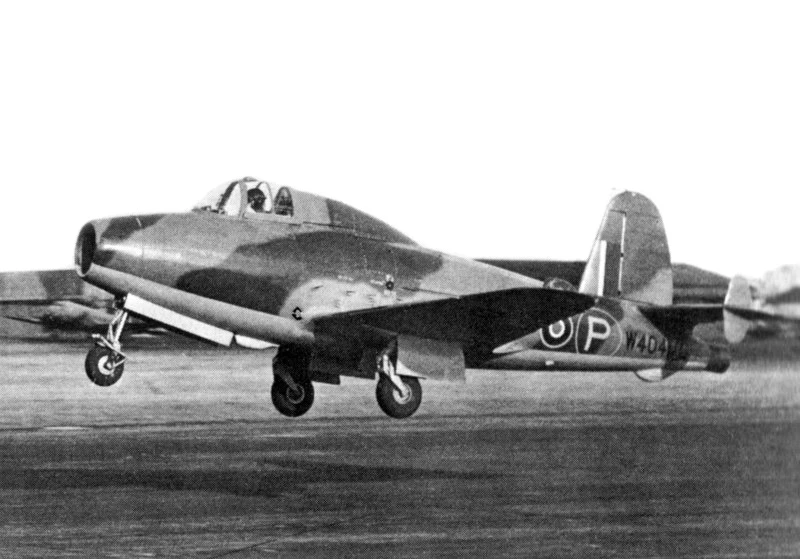
Whittle, his jet engine and the rebellious combustion chamber
The Polish Second Bureau in Besieged Warsaw
Sorge in Tokyo: The Net Tightens
U-110 — a U-boat abandoned but afloat
Enigma — the Pyry conference
Breaking the night Blitz: who owns the darkness?
The Lutterworth Turbine
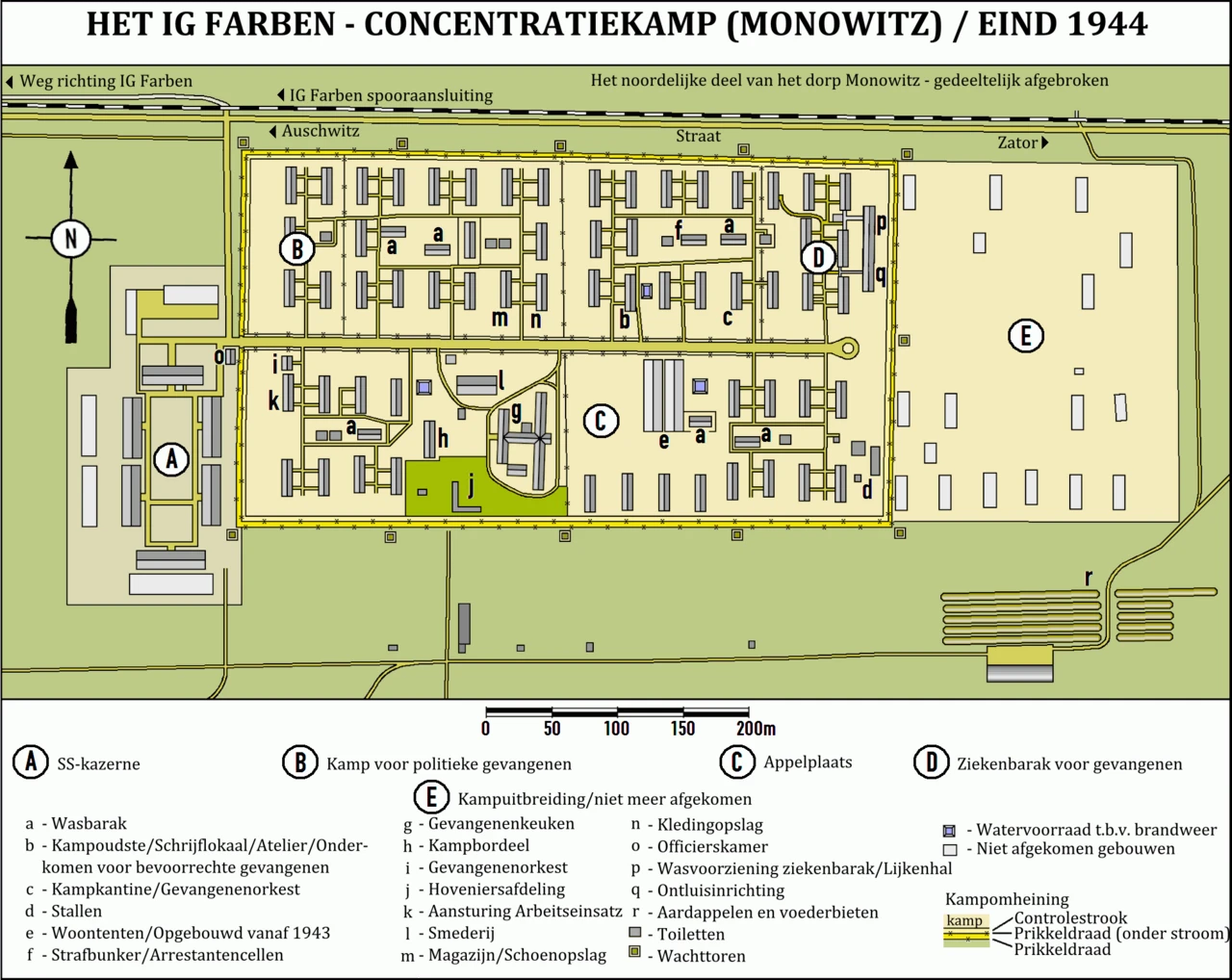
The Monowitz Construction Site
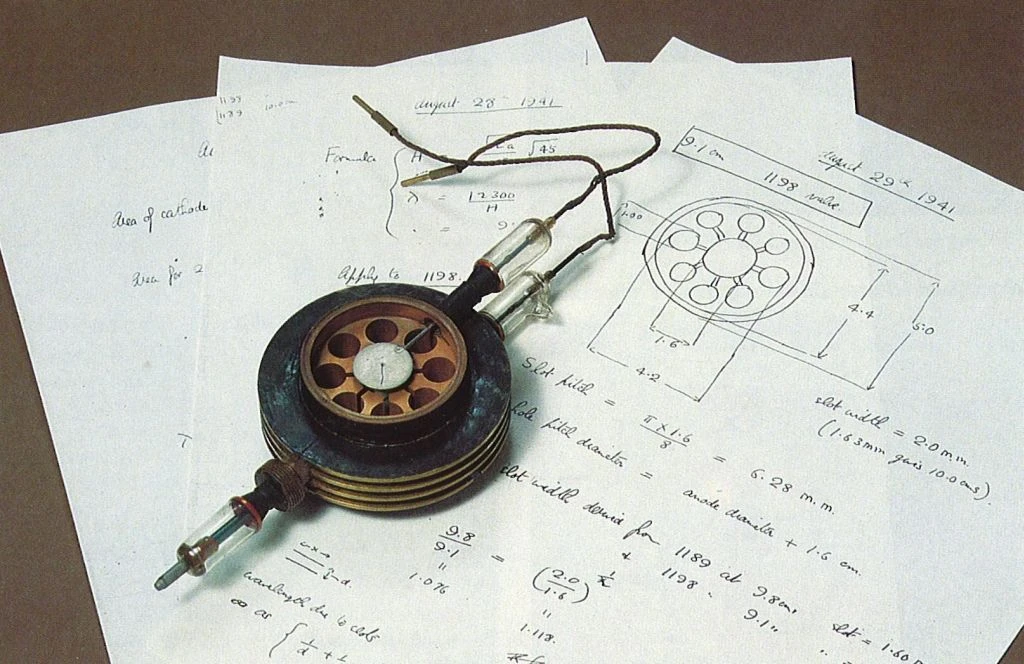
The Tizard Mission's Trunk for America
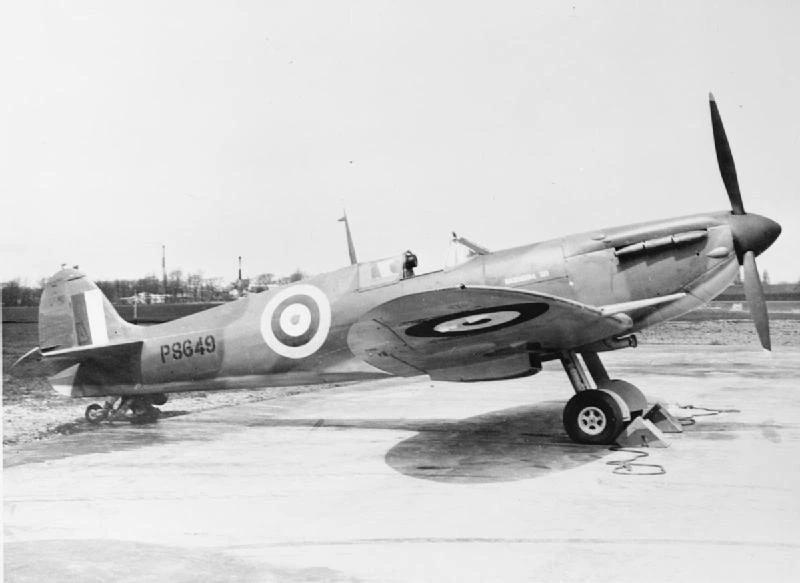
The Shadow Factories
Whittle, his jet engine and the rebellious combustion chamber
The Polish Second Bureau in Besieged Warsaw
Sorge in Tokyo: The Net Tightens
U-110 — a U-boat abandoned but afloat
Enigma — the Pyry conference
Breaking the night Blitz: who owns the darkness?
The Lutterworth Turbine
The Monowitz Construction Site
The Tizard Mission's Trunk for America