
has been Atatürk's successor in the Turkish presidency since 1938. A veteran of the war of independence, he knows better than anyone the price of a conflict waged by a young and disarmed nation. His line can be summed up in a single word: neutrality.
Yet in early March 1941, war is knocking at the door. On 1 March, Bulgaria joins the Tripartite Pact, and the Wehrmacht at once crosses the Danube to deploy on Bulgarian soil, right up to the edges of Turkish Thrace. London, which is at the same moment landing an expeditionary corps in Greece, presses Ankara to join a common front in the Balkans.
Both camps vie in their seductions. On 4 March, Ambassador hands İnönü a personal letter from Hitler: the Führer swears he harbours no design against Turkey and asserts that he has kept his troops far from the frontier. The Foreign Office, for its part, multiplies 's visits to Ankara, dangling the promise of an alliance and material support.
İnönü has a numerous but under-equipped army, encircled by powers at war. Should he mobilise alongside London, or reply courteously and preserve his neutrality?
Should İnönü commit alongside the British in the Balkans, or keep Turkey out of the conflict?
İnönü chose B: he kept Turkey out of the war. To Eden, who came to plead the Allied cause, he repeated unfailingly that the Turks would not join the British forces in Greece and would enter the war only if Germany attacked Turkey directly. The calculation was cold: a poorly armed army had nothing to gain by provoking the Wehrmacht. German diplomacy capitalised on this caution; on 18 June 1941, Ankara would even sign a German-Turkish treaty of friendship, four days before Barbarossa. Turkey would remain neutral until February 1945, declaring war on the Axis only in order to figure among the founders of the UN. İnönü's gamble would spare his country the devastation that struck its Balkan neighbours.
Learn more about this event
Related polls
10
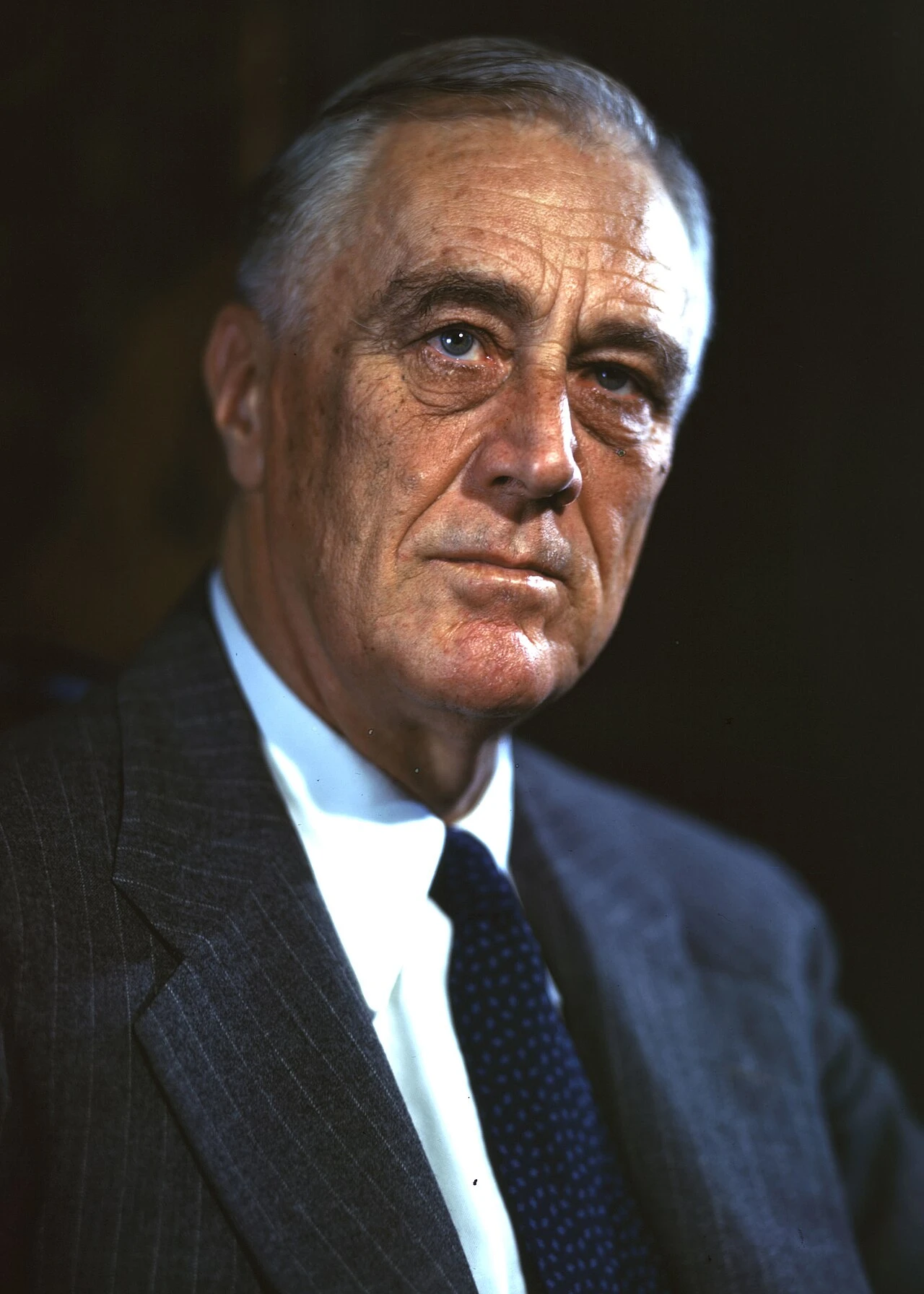
Roosevelt — signing Lend-Lease
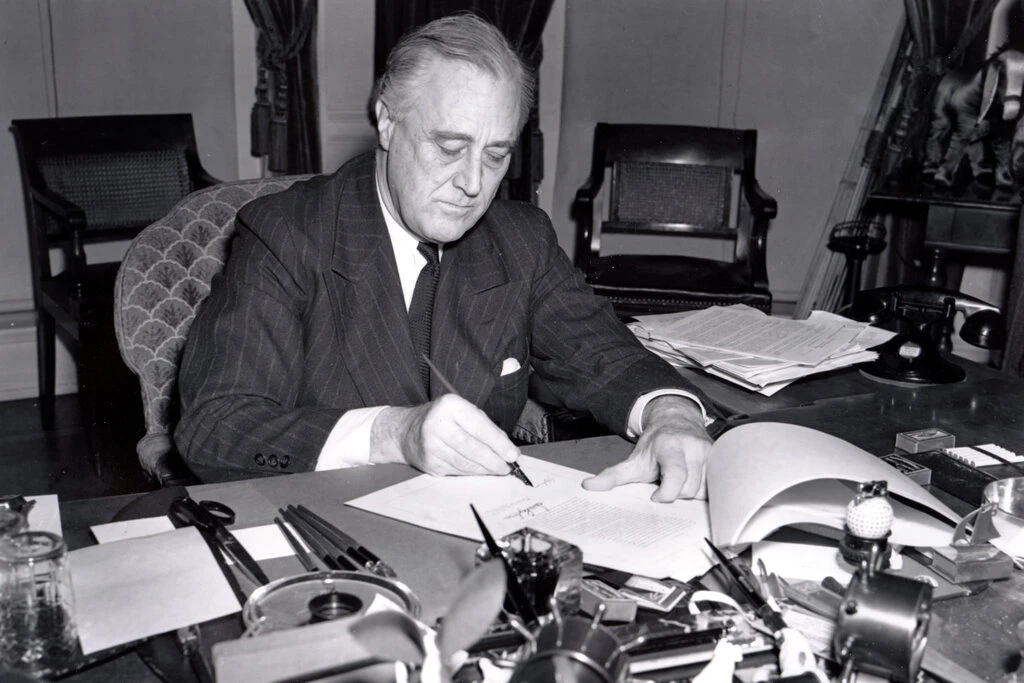
Washington, March 1941: Arming Without Entering the War
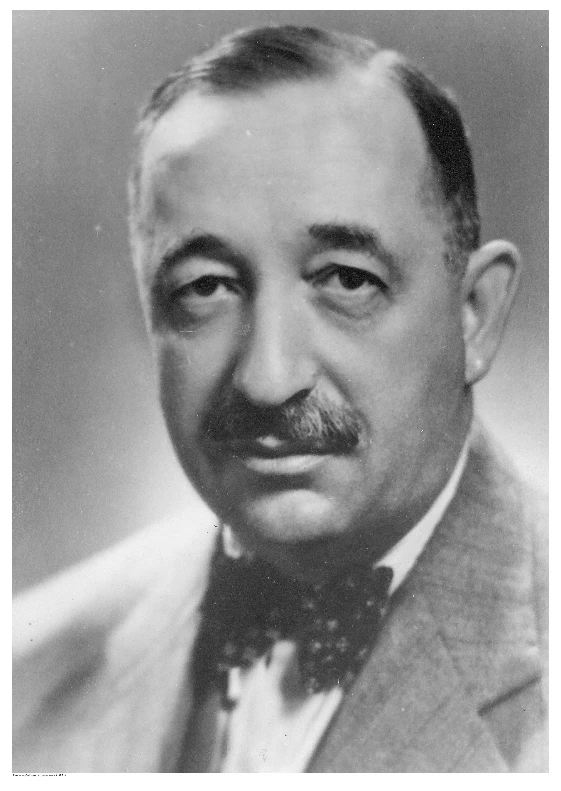
Bulgaria: lock of the Balkans, a price to pay
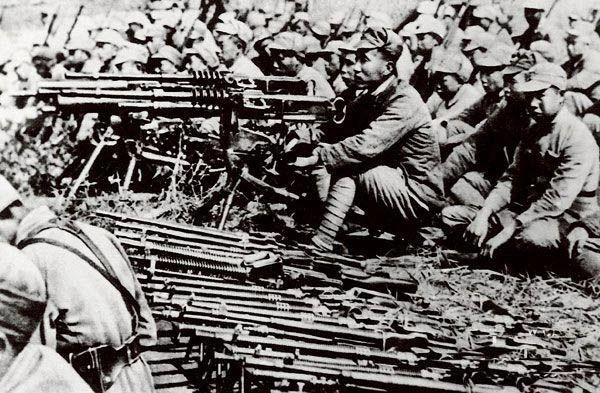
The New Fourth Army Incident
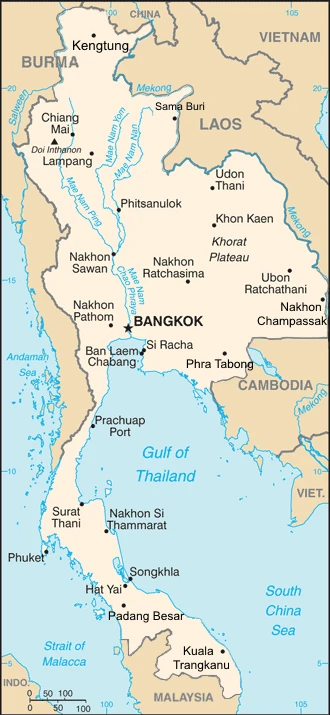
Japan enters southern Indochina
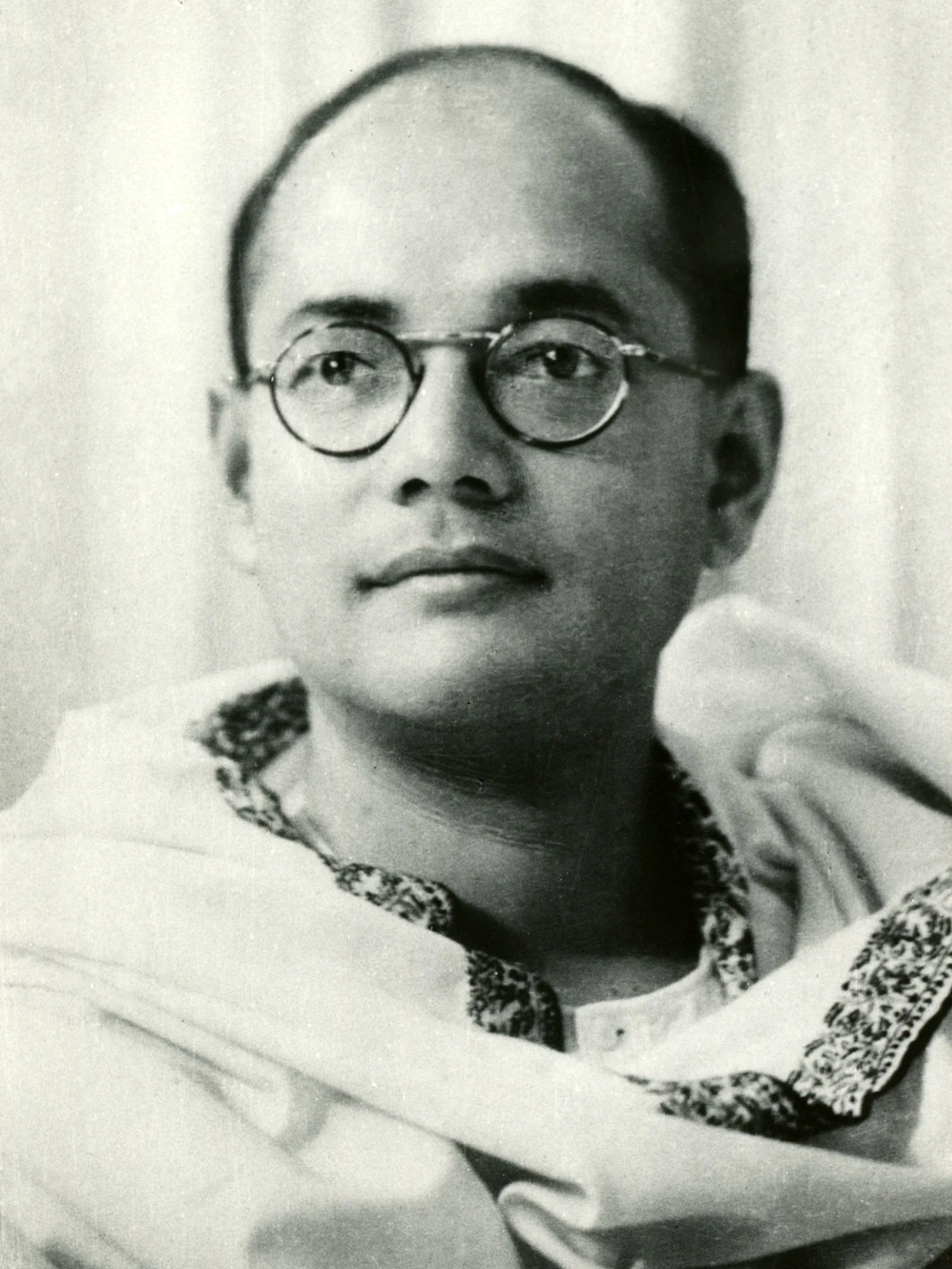
The Indische Legion — Subhas Chandra Bose in Berlin
The death of Metaxas — Athens
Above all, do not provoke Berlin
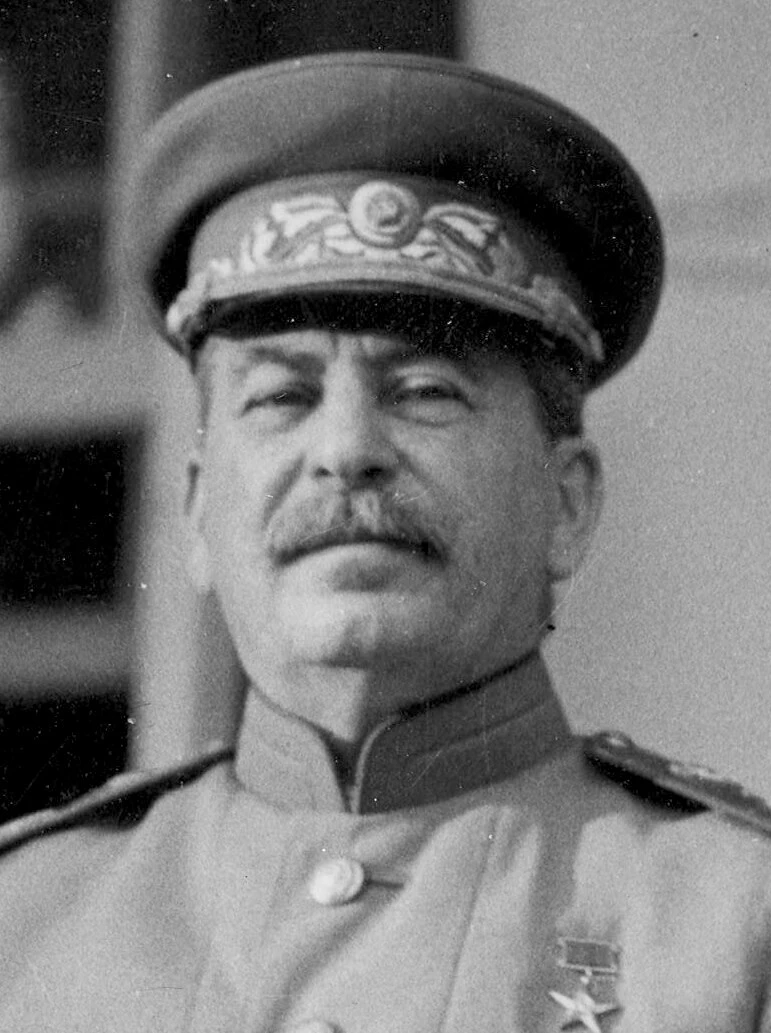
Stalin extends a hand to Japan
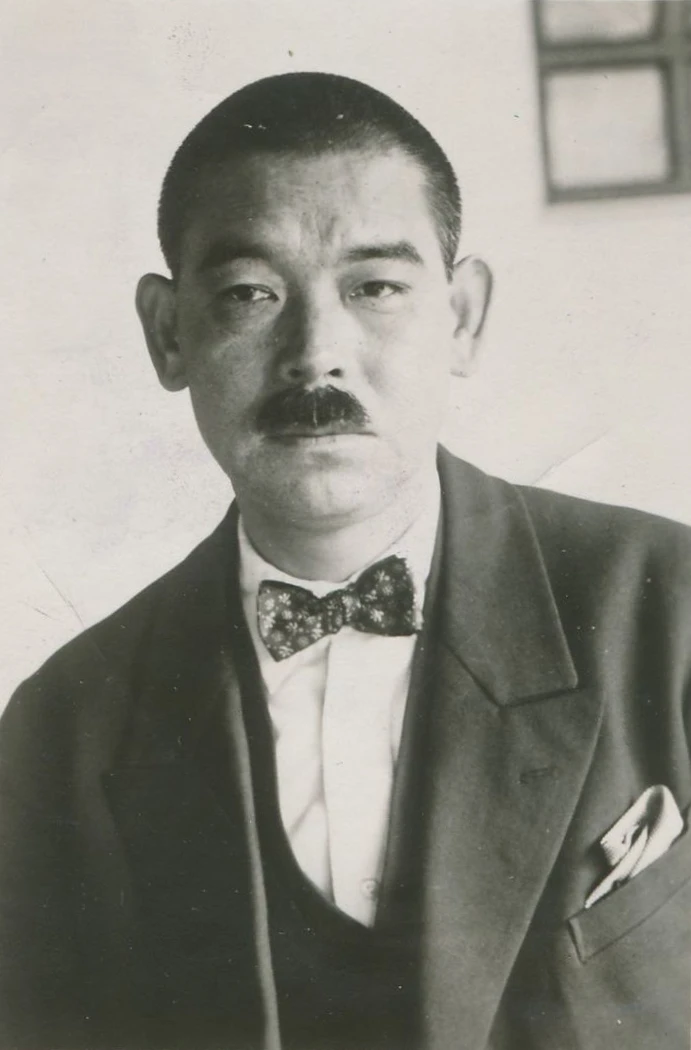
Tokyo — Japan and the Tripartite Pact
Roosevelt — signing Lend-Lease
Washington, March 1941: Arming Without Entering the War
Bulgaria: lock of the Balkans, a price to pay
The New Fourth Army Incident
Japan enters southern Indochina
The Indische Legion — Subhas Chandra Bose in Berlin
The death of Metaxas — Athens
Above all, do not provoke Berlin
Stalin extends a hand to Japan