
The ANZACs at Thermopylae
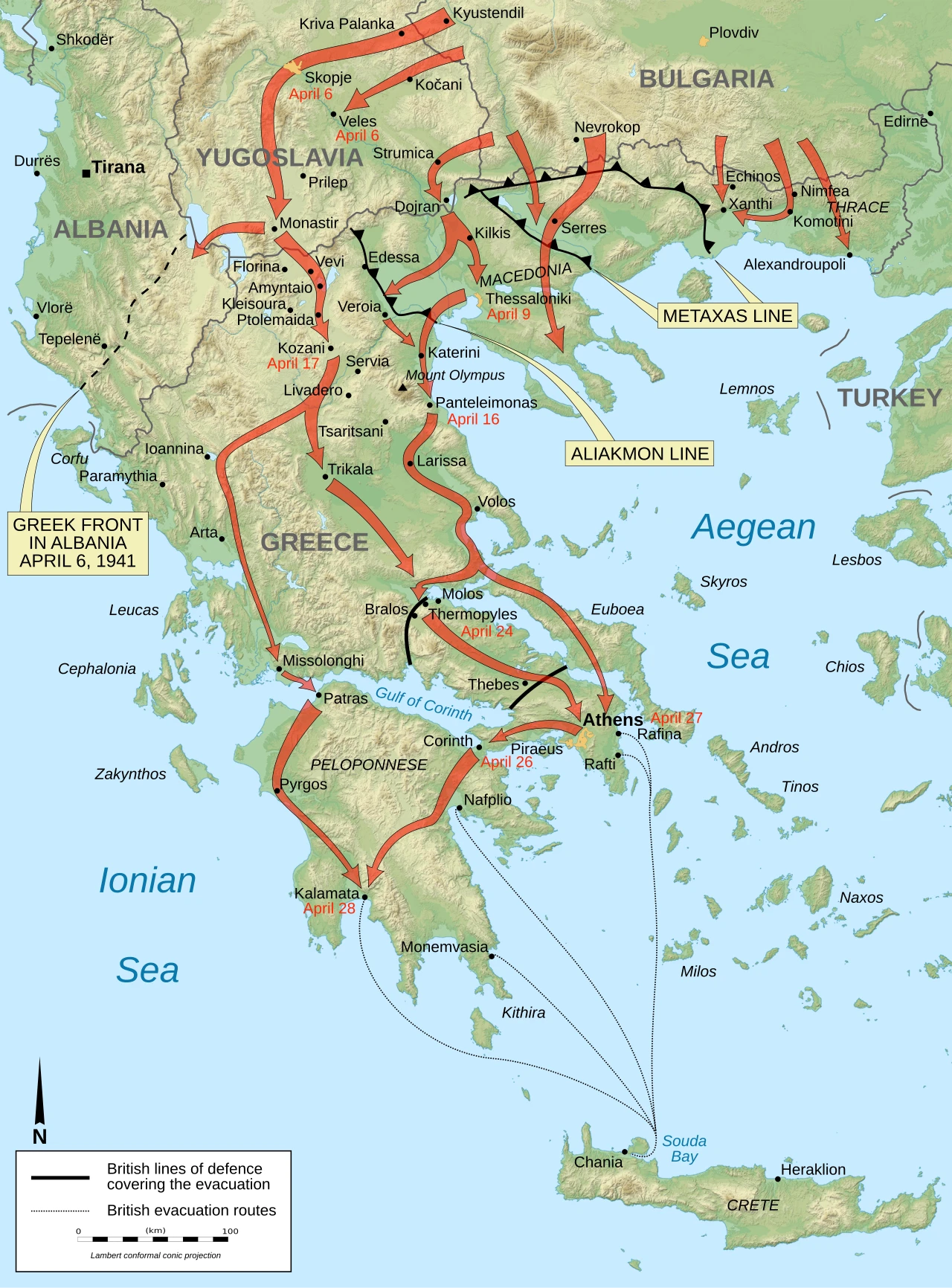
Three weeks after the invasion, mainland Greece was lost. The British and Commonwealth expeditionary corps — mostly Australians and New Zealanders (the '') — was falling back south under crushing German air superiority, seeking embarkation beaches for Crete and Egypt. Covering this evacuation required holding blocking positions for as long as needed.
The choice of bottleneck fell on a place charged with symbolism: the pass of Thermopylae, where Leonidas and his Spartans had delayed the Persian army in 480 B.C. The terrain — a defile between mountain and sea — lent itself to defence by small forces against a superior enemy. New Zealand and Australian units, under Freyberg's responsibility and that of their commanders, were to stop the Panzers there.
The rearguard faced a classic but cruel dilemma: hold the pass to the last to gain the maximum time, at the risk of being wiped out or captured; fight a measured delaying action then break contact in time to reach the beaches; or fall back as quickly as possible, even at the risk of exposing the bulk of the expeditionary corps to being caught.
How should the rearguard hold the pass of Thermopylae?
The rearguard applied B. On 24-25 April 1941, the New Zealand and Australian gunners and infantry held the pass of Thermopylae for an entire day, breaking the first German armoured attacks, then broke contact at night according to a meticulous plan — sacrificing a few guns and rearguards to save the essential. This delaying action, like others at the Platamon Pass and Brallos, allowed the embarkation of around 50,000 men to Crete and Egypt (Operation Demon), though all heavy equipment was lost. The defence of Thermopylae, by its historical resonance, became a symbol of the epic — and the defeat — of the expeditionary corps in Greece. Many of these men would find themselves, a few weeks later, defending Crete.
Learn more about this event
Related polls
10
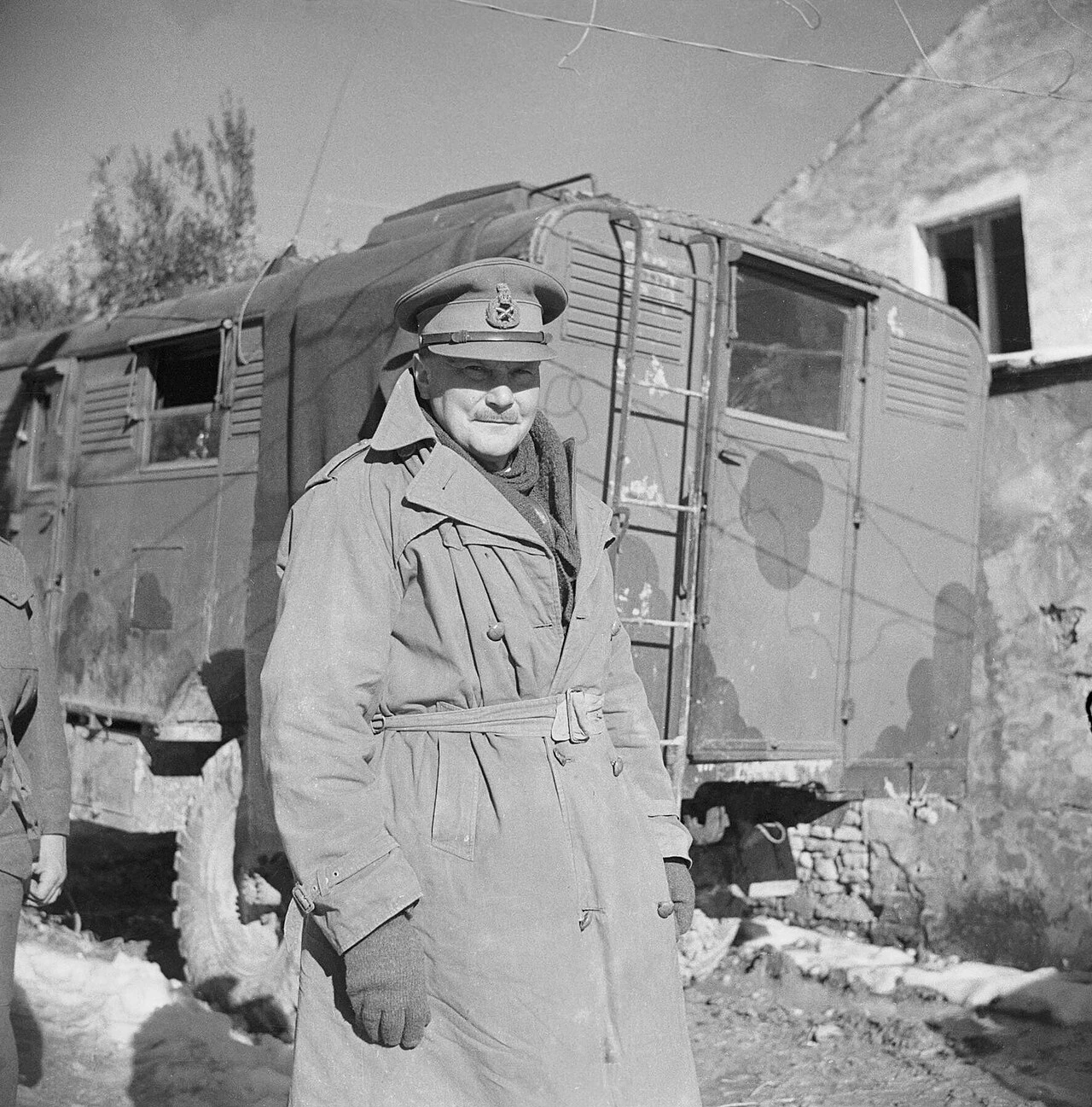
Freyberg at Maleme
'Fortresses do not surrender'
Davakis in the Pindus
Barbarossa — 3:15 a.m.
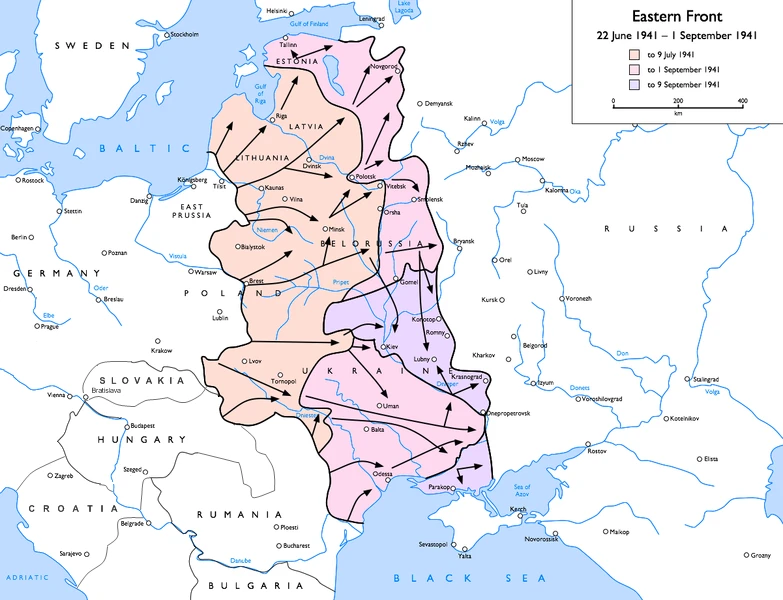
Brest — the Encircled Fortress
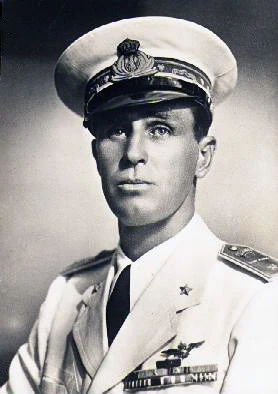
Amba Alagi — the Duke of Aosta encircled
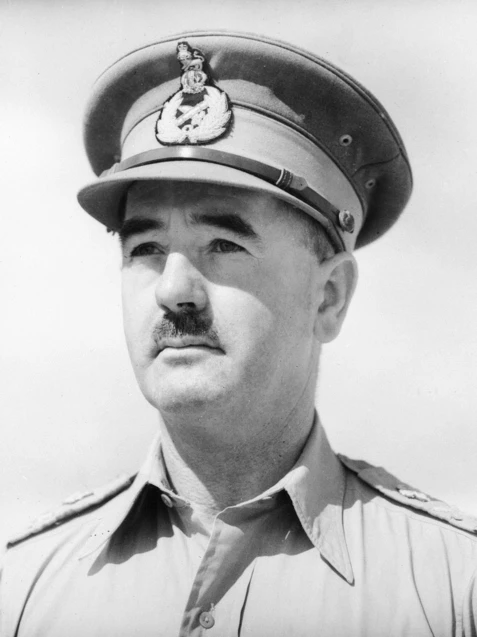
Morshead — Tobruk encircled, 10 April
The abatis of the Chasseurs Ardennais
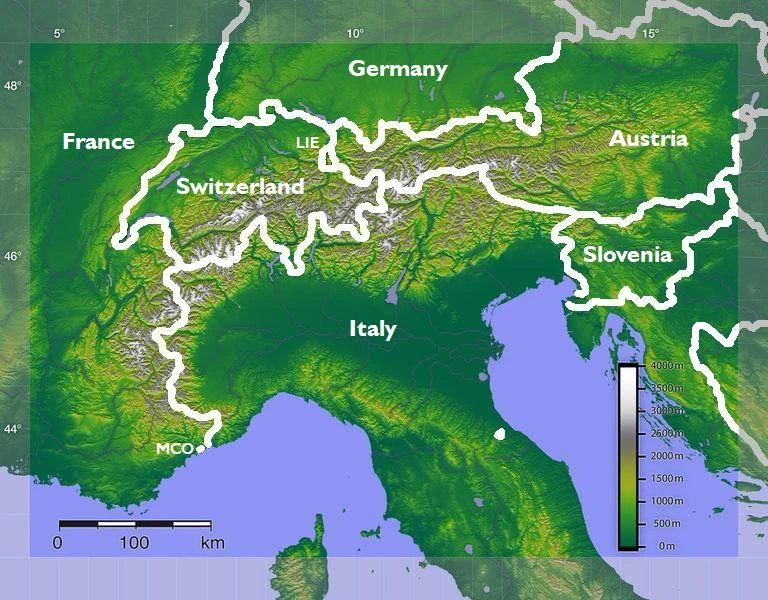
The Army of the Alps against the Italians
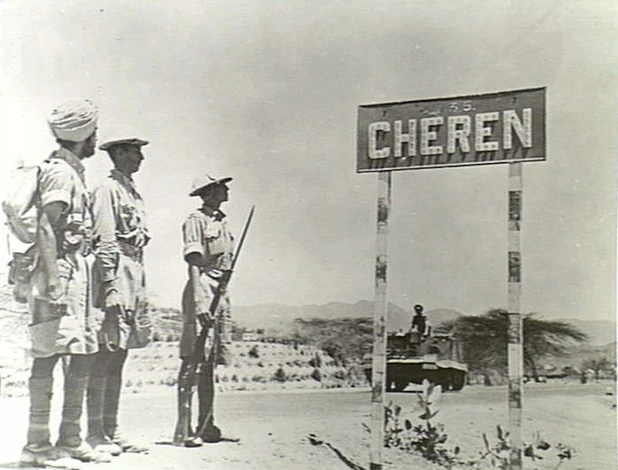
The Battle of Keren — Eritrea
Freyberg at Maleme
'Fortresses do not surrender'
Davakis in the Pindus
Barbarossa — 3:15 a.m.
Brest — the Encircled Fortress
Amba Alagi — the Duke of Aosta encircled
Morshead — Tobruk encircled, 10 April
The abatis of the Chasseurs Ardennais
The Army of the Alps against the Italians