
China produces the most abundant tungsten in the world, a metal indispensable to armament steels and cutting tools. Since 1936, the Nationalist government has made it a state monopoly managed by the National Resources Commission: all the ore from Jiangxi and Hunan passes through its hands.
In 1939, this stockpile is the main bargaining chip of a country without foreign currency. The German barter contract that, until 1937, delivered weapons and machinery in exchange for the ore has collapsed: Berlin has drawn closer to Tokyo, recognized Manchukuo, and recalled its advisers. Meanwhile, Moscow is granting massive credits repayable in goods.
In Chongqing, the Commission must decide: to which partner should the tungsten be committed in order to buy weapons, trucks, and aircraft, while the coastal ports are in Japanese hands?
To which partner should the Nationalist government give priority in allocating its monopolized tungsten to finance the war?
The Nationalist government allocated the bulk of its tungsten to the repayment of Soviet credits. As early as March 1938, the USSR — which became China's principal military supplier between 1938 and 1941 — had opened several tranches of credit (totaling on the order of 173 to 250 million dollars, at 3% interest), repayable in Chinese products including tungsten, antimony, tin, tea, and wool. The ore was transported overland via the "Northwest route" across Soviet Central Asia. The German barter, politically untenable after Berlin's alignment with Japan, was abandoned; exports to the Western Allies via the Burma Road did not take on real significance until later.
Learn more about this event
Related polls
10
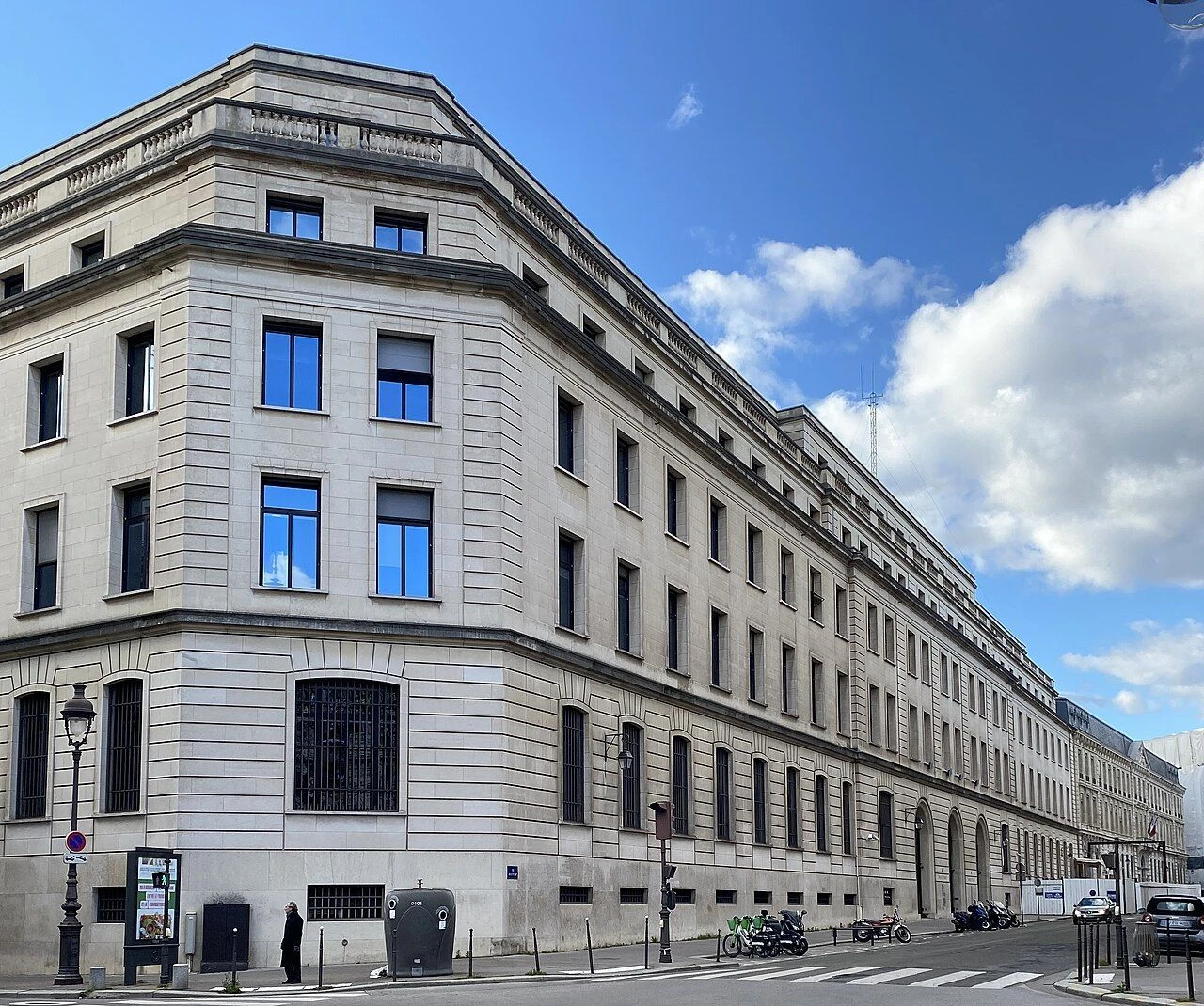
Baumgartner and the gold of the Banque de France
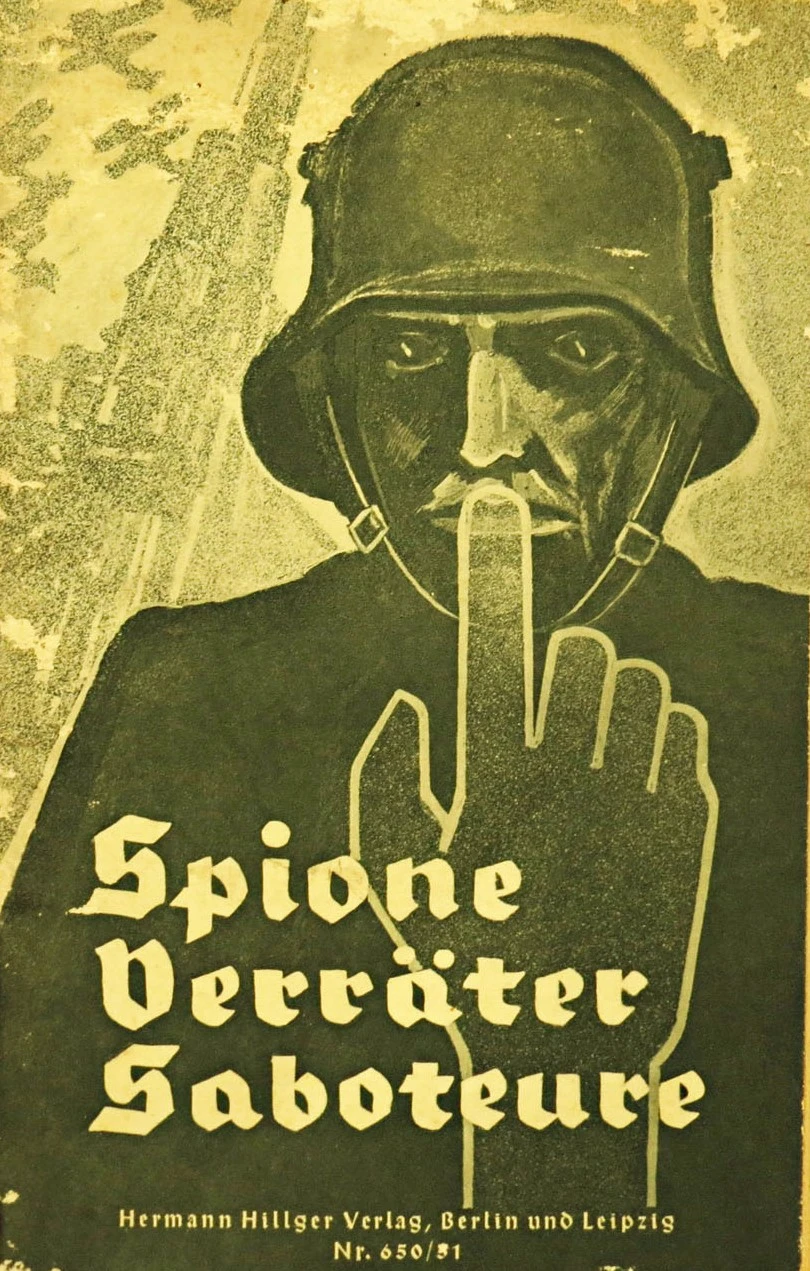
The Karten: Rationing Germany at War
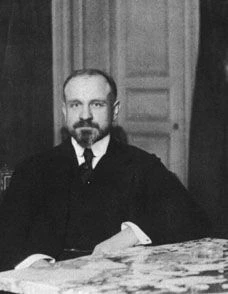
Nogara and the Vatican portfolio
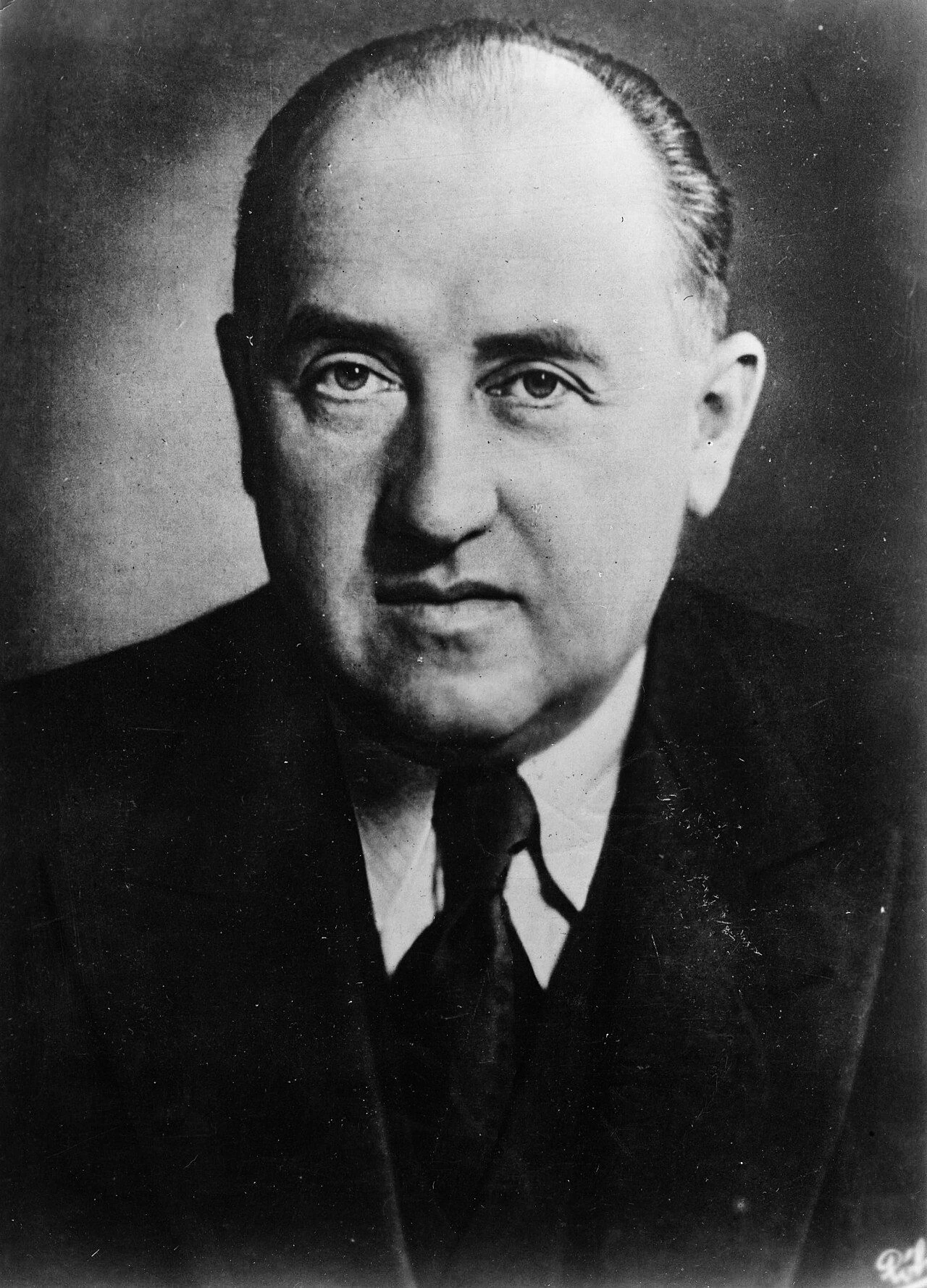
The Gold of the Bank of Poland — the destination of the SS Eocene
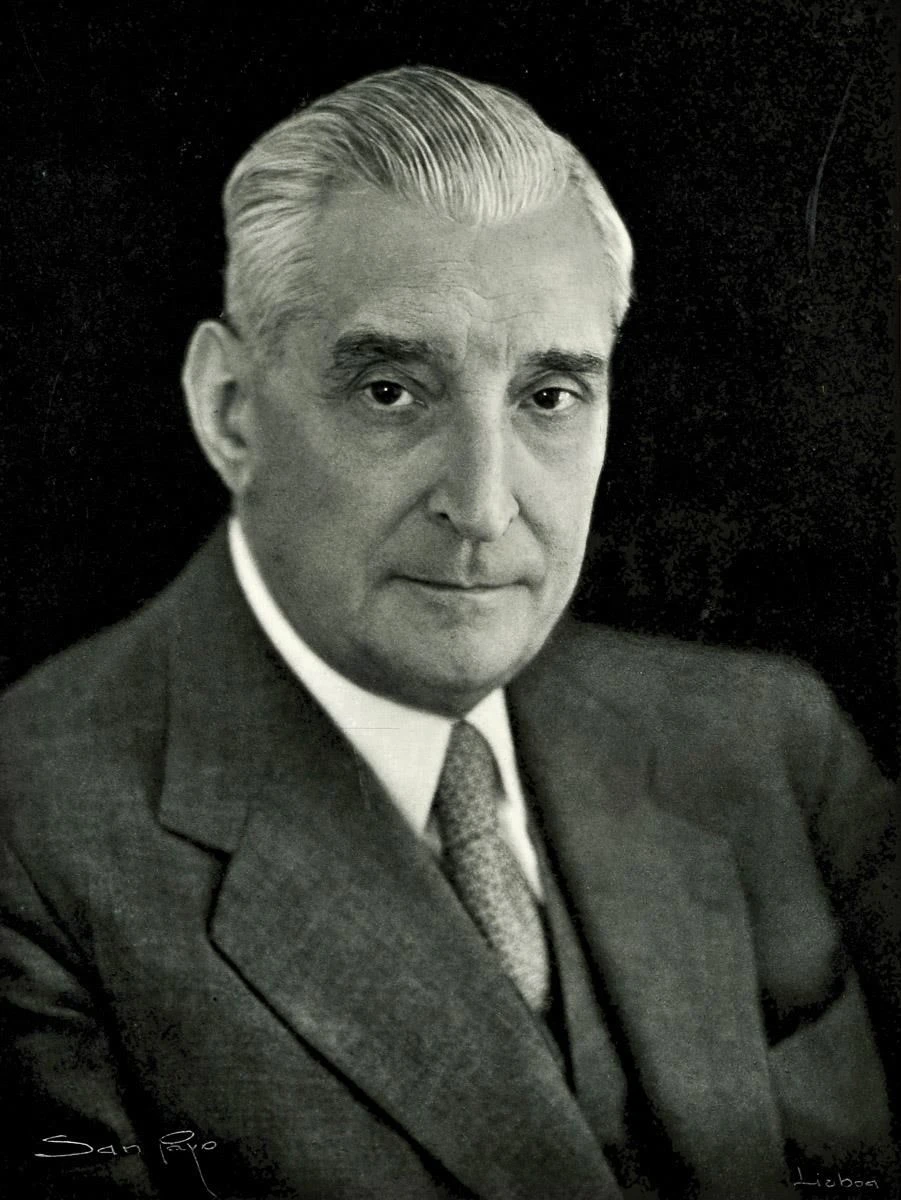
Salazar in Lisbon — under triple pressure
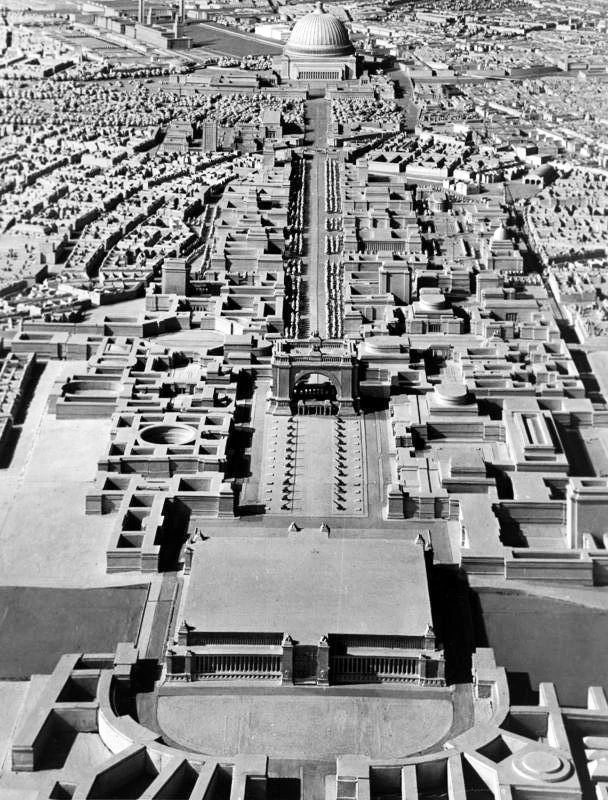
Speer and the Germania trade-off
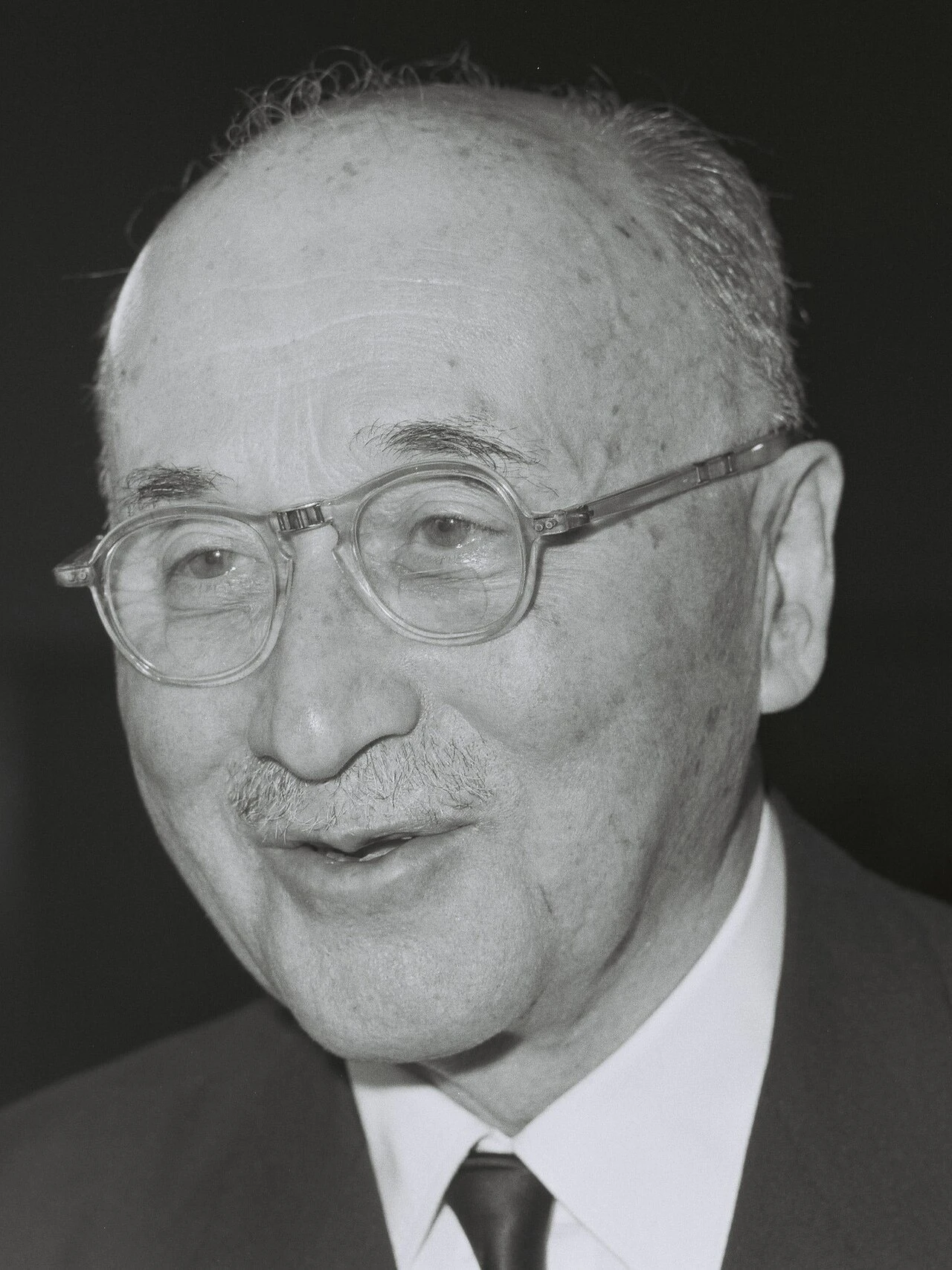
Buy Each for Themselves or with a Single Voice
Borakowski and the merchant fleet
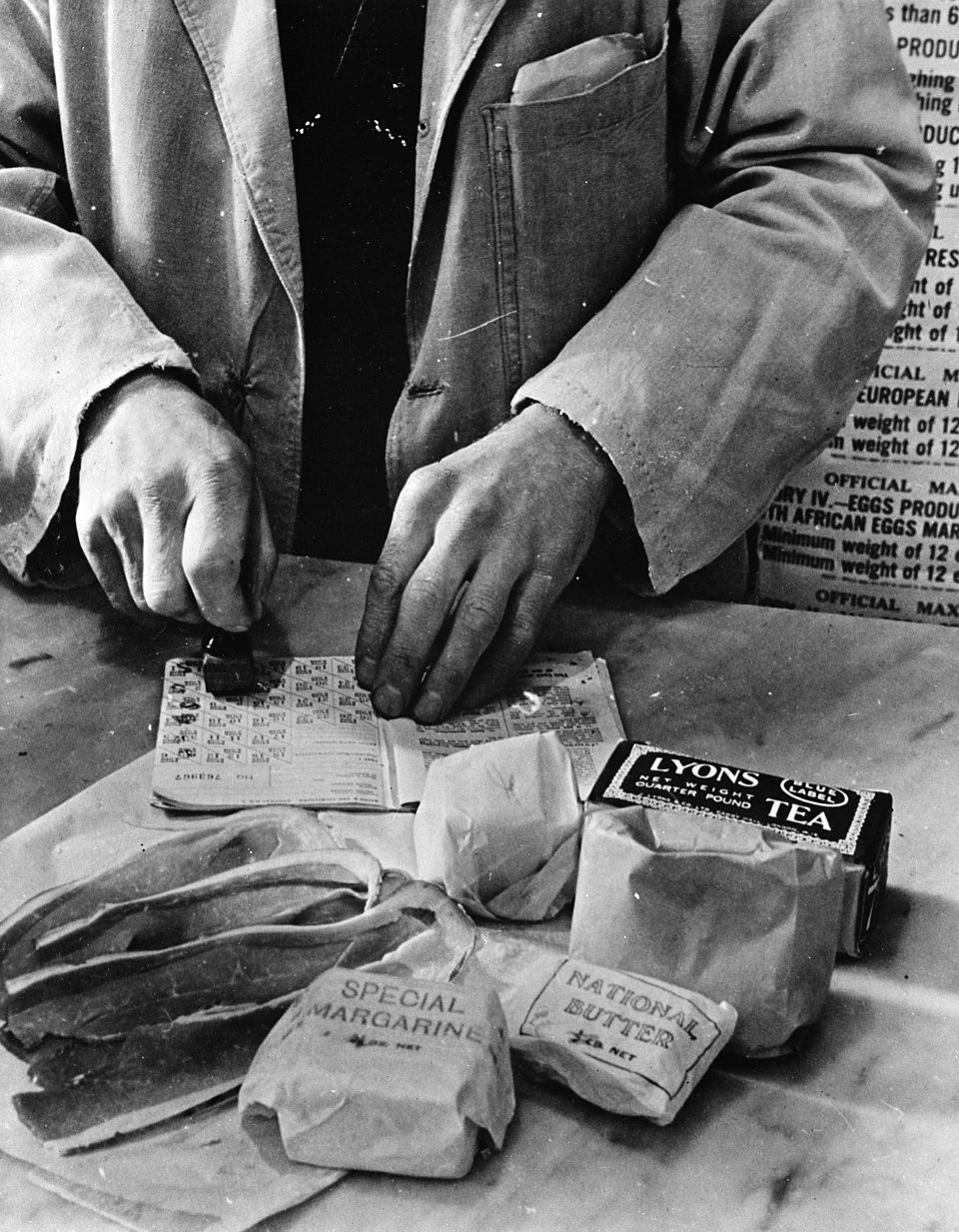
British rationing — Morrison and the principle
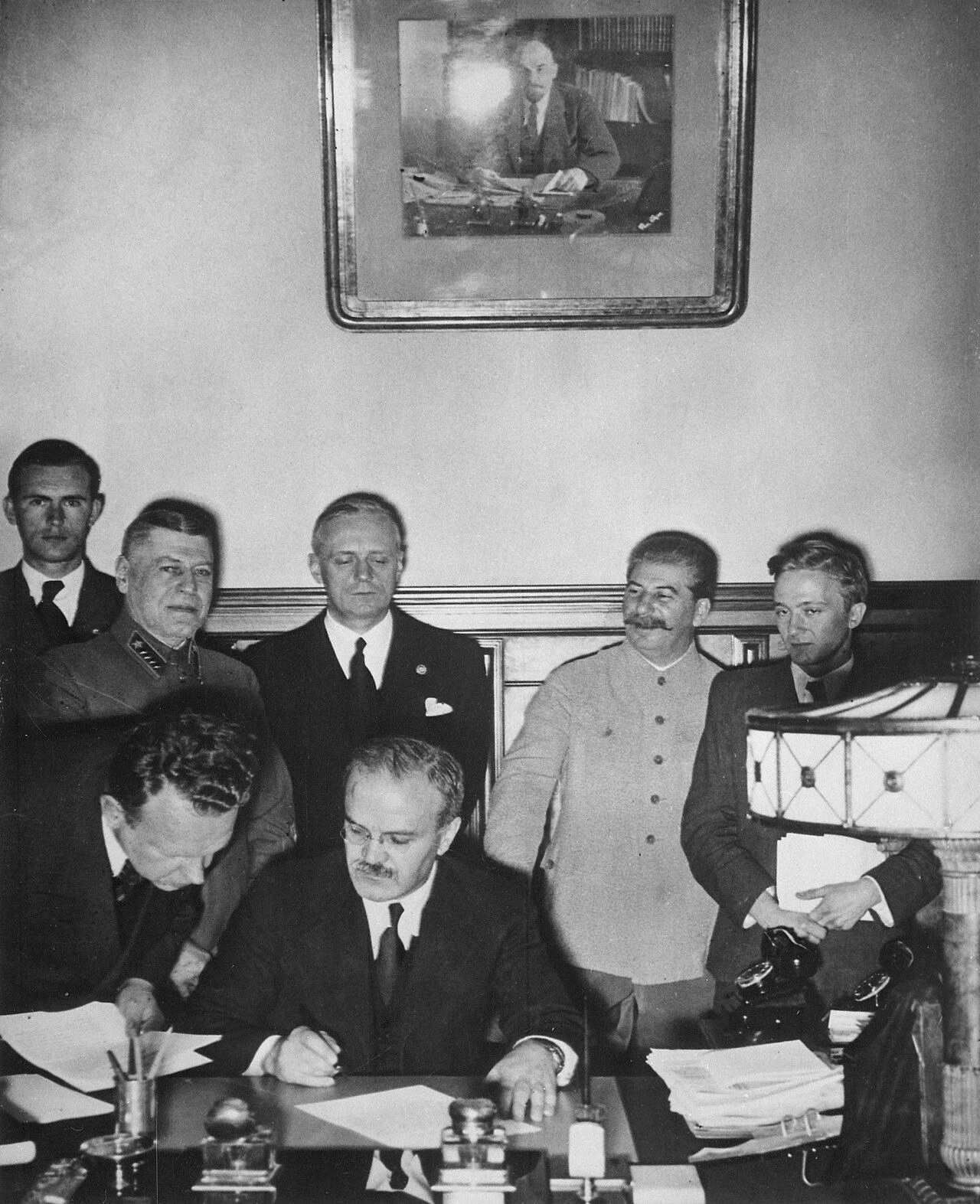
Schnurre in Moscow — the Commercial Agreement
Baumgartner and the gold of the Banque de France
The Karten: Rationing Germany at War
Nogara and the Vatican portfolio
The Gold of the Bank of Poland — the destination of the SS Eocene
Salazar in Lisbon — under triple pressure
Speer and the Germania trade-off
Buy Each for Themselves or with a Single Voice
Borakowski and the merchant fleet
British rationing — Morrison and the principle