
Henri Frenay at Marseille — August 1940
, 35, a regular captain who has been through the École de Guerre, was taken prisoner in June 1940 in Alsace, then escaped from a Stalag within a few weeks. He arrives in Marseille, in the free zone, in August 1940, and finds himself reinstated in the 'Armistice Army' that Vichy is authorised to retain (100,000 men).
Frenay has reached two convictions. First, that Vichy is not a mere tactical retreat but a regime change committed to collaboration. Second, that no organised resistance movement yet exists in the southern zone in the summer of 1940. In Marseille he drafts a 'manifesto' analysing the situation and calling for the struggle against Vichy to be organised.
The strategic choice before him will structure the nascent resistance: shift at once into total clandestinity to build a network, stay in the army to recruit and hide there, or reach London to become Free French. Each path commits a different conception of the struggle.
How should Frenay organise his fight against Vichy?
Frenay chooses B at first: he stays in the Armistice Army until early 1942, discreetly recruiting the first militants of what will become the Combat movement. In January 1942, he goes into total clandestinity and becomes one of the three great leaders of the Resistance in the southern zone, with and ; the three movements will merge into the MUR. Frenay will be Commissioner (Minister) for Prisoners, Deportees and Refugees in the provisional government in 1943-1945. His trajectory, from the Marseille manifesto of summer 1940, illustrates the slow and difficult birth of an interior resistance, at first isolated and groping.
Learn more about this event
Related polls
10
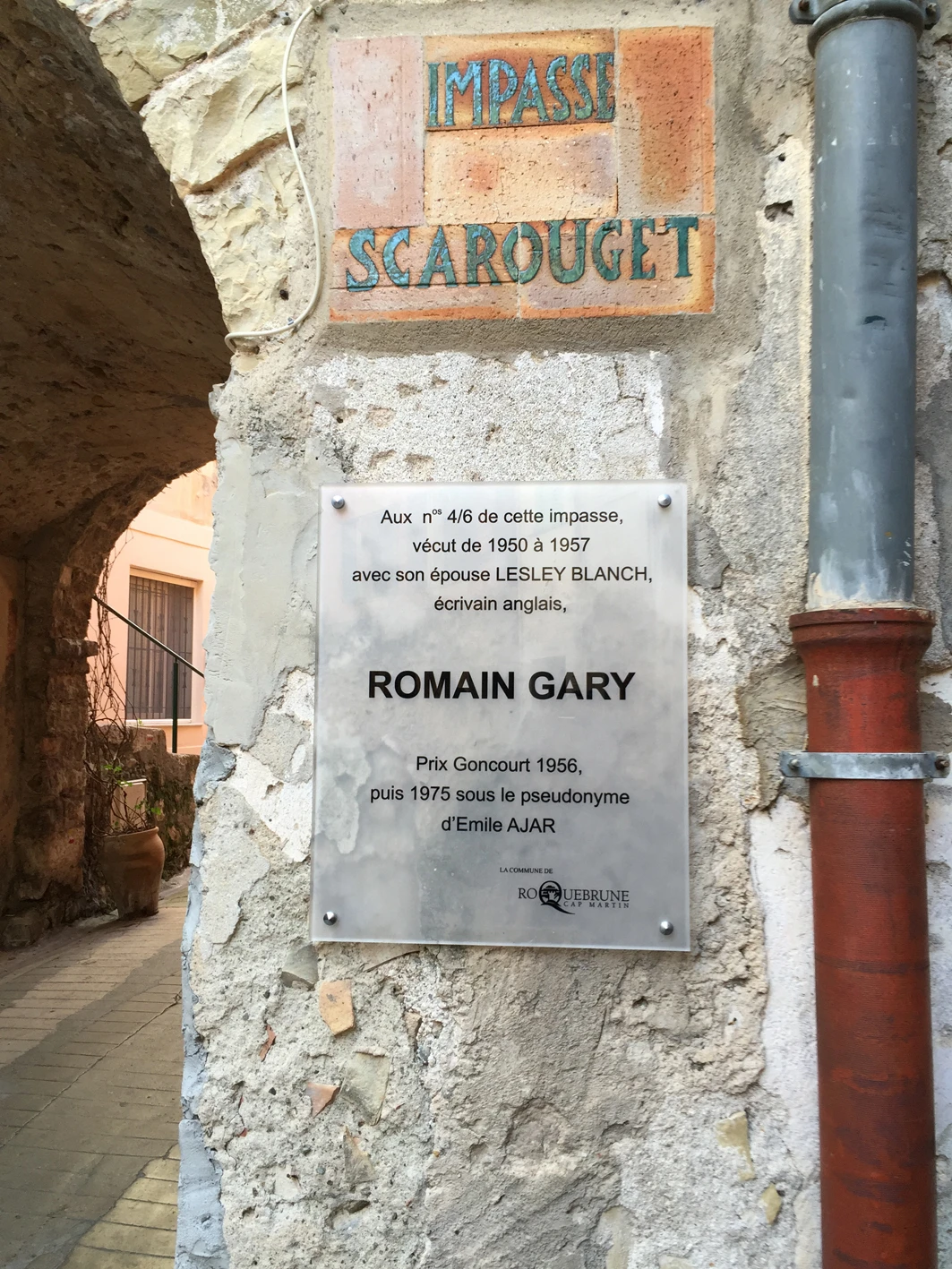
Romain Gary at Salon — 17 June
Edmond Michelet — Brive leaflet, 18 June
Gilbert Renault — the road to London
Jean Moulin — Chartres, 17 June
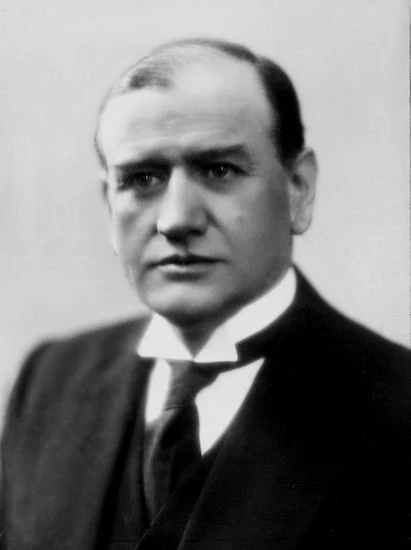
The Massilia — Bordeaux 21 June
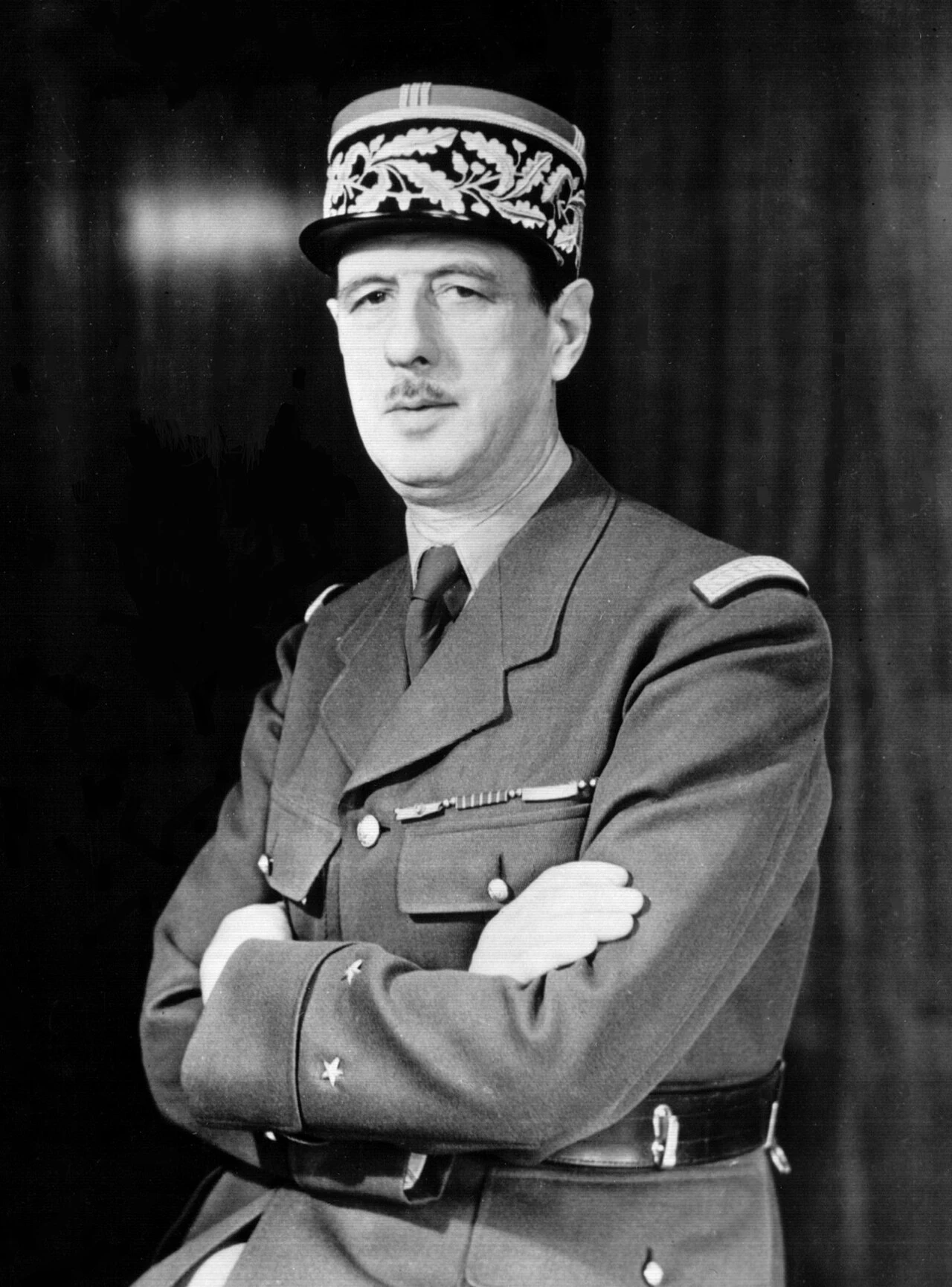
De Gaulle at the BBC microphone — 18 June, 18:00
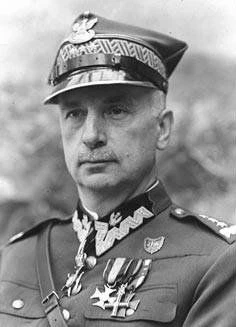
Sosnkowski — KSK, 27 November
Carmille and the Vichy Punch Cards
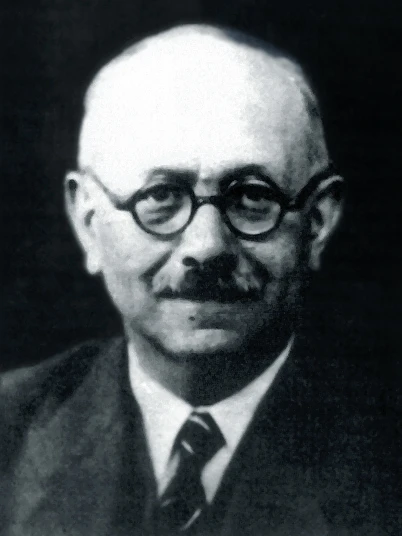
Marc Bloch Writes — Guéret Summer 1940
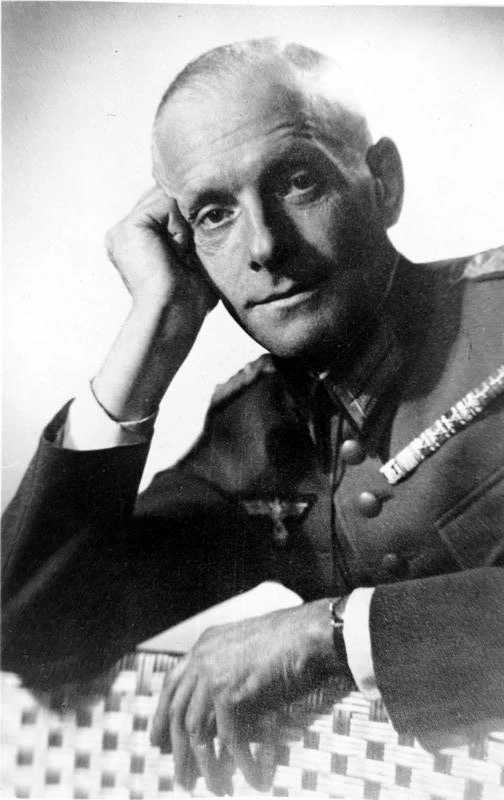
Oster picks up the telephone
Romain Gary at Salon — 17 June
Edmond Michelet — Brive leaflet, 18 June
Gilbert Renault — the road to London
Jean Moulin — Chartres, 17 June
The Massilia — Bordeaux 21 June
De Gaulle at the BBC microphone — 18 June, 18:00
Sosnkowski — KSK, 27 November
Carmille and the Vichy Punch Cards
Marc Bloch Writes — Guéret Summer 1940