
On the Khalkhin Gol, the first clashes of May have swelled. The commits growing forces there and holds the ground east of the river. Moscow, which wishes neither to lose face before its Mongol ally nor to let Japan dictate the border, decides to send a man of iron.
In early June 1939, General is dispatched to the spot to take in hand the Soviet-Mongol forces. He finds a degraded situation: failing command, poorly coordinated troops, local Japanese superiority in places.
Zhukov must choose a posture. Content himself with holding the west bank and containing the Japanese, at the risk of letting a distant and costly conflict fester? Conduct a swift and limited riposte to push back the adversary without committing further? Or methodically prepare, in secret, a great combined-arms offensive — tanks, artillery, aircraft — capable of annihilating the Japanese disposition and settling the question by a decisive victory? The choice depends on the means he will be able to bring up thousands of kilometres from anywhere.
Should Zhukov confine himself to containing the Japanese, or prepare a decisive combined-arms offensive?
Zhukov chooses C: he reorganises the command, has masses of tanks, artillery and ammunition brought up by road over hundreds of kilometres, and methodically prepares an offensive of encirclement, multiplying the decoys to deceive the Japanese as to his intentions. This patient build-up, combined with a bold combined-arms doctrine, prepares the August counter-offensive that will crush the . Khalkhin Gol reveals Zhukov's talent and inflicts on Japan a major strategic lesson, which will weigh in its later choice to avoid a war against the USSR. The secrecy surrounding this preparation will contribute to the decisive effect of surprise of the offensive launched a few weeks later.
Learn more about this event
Related polls
10
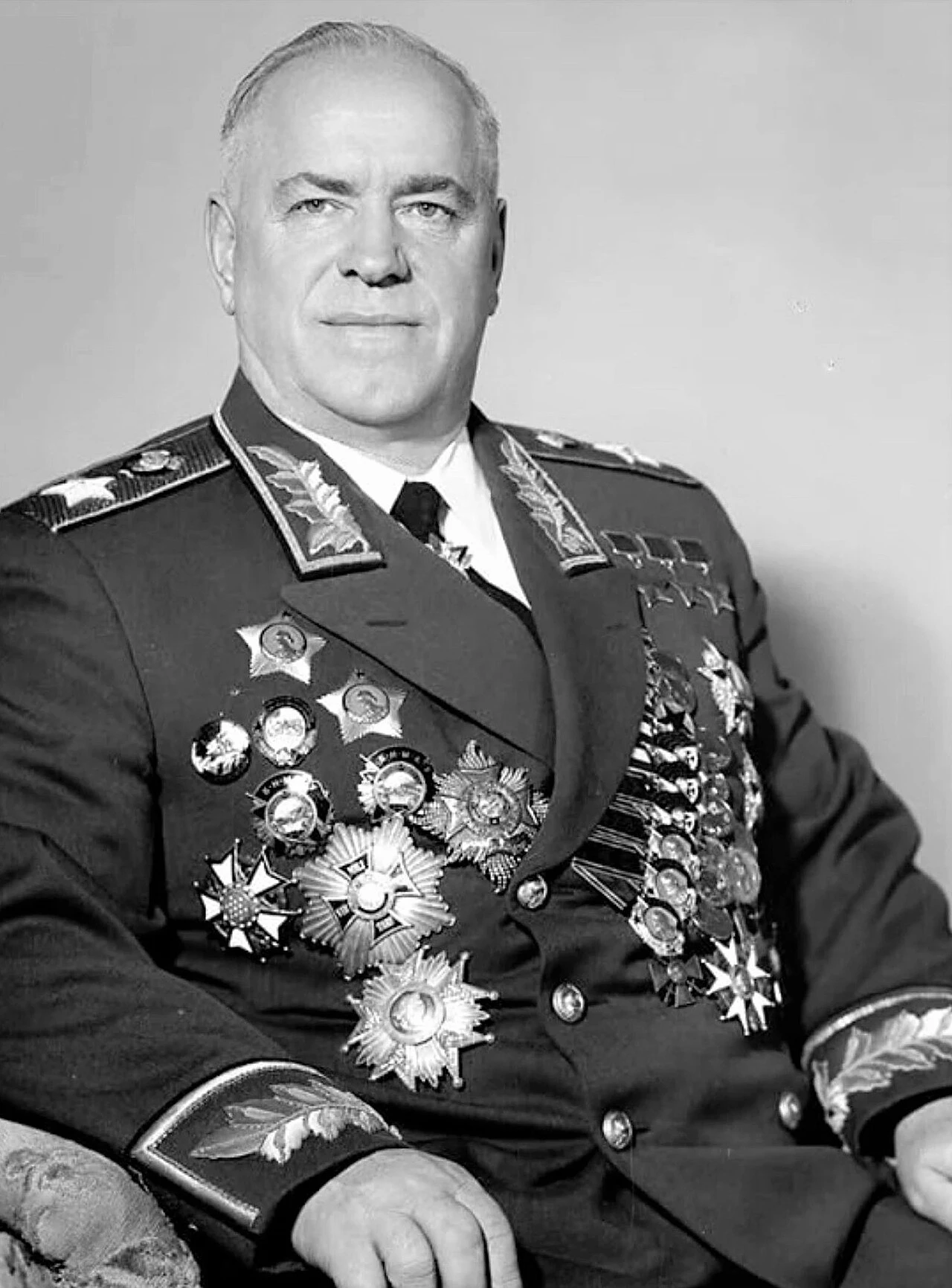
Khalkhin Gol — Baïn-Tsagan
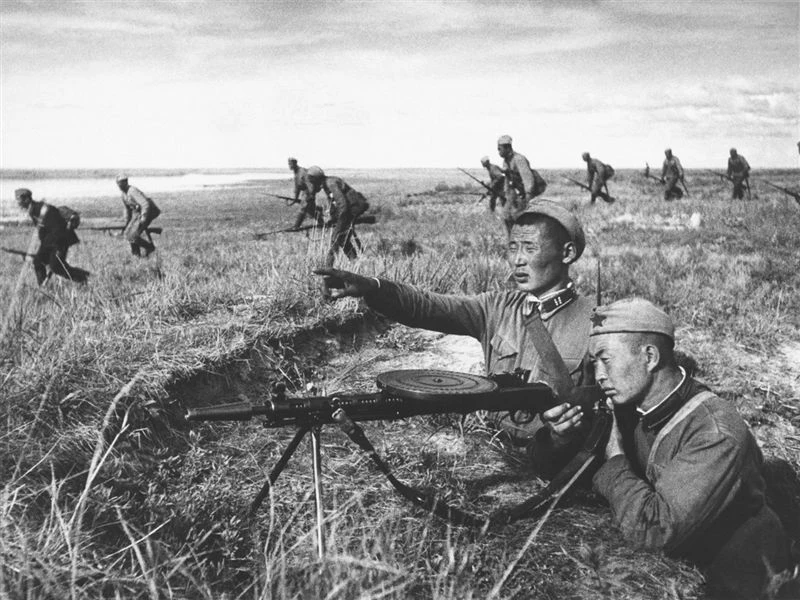
Khalkhin Gol — the First Clash
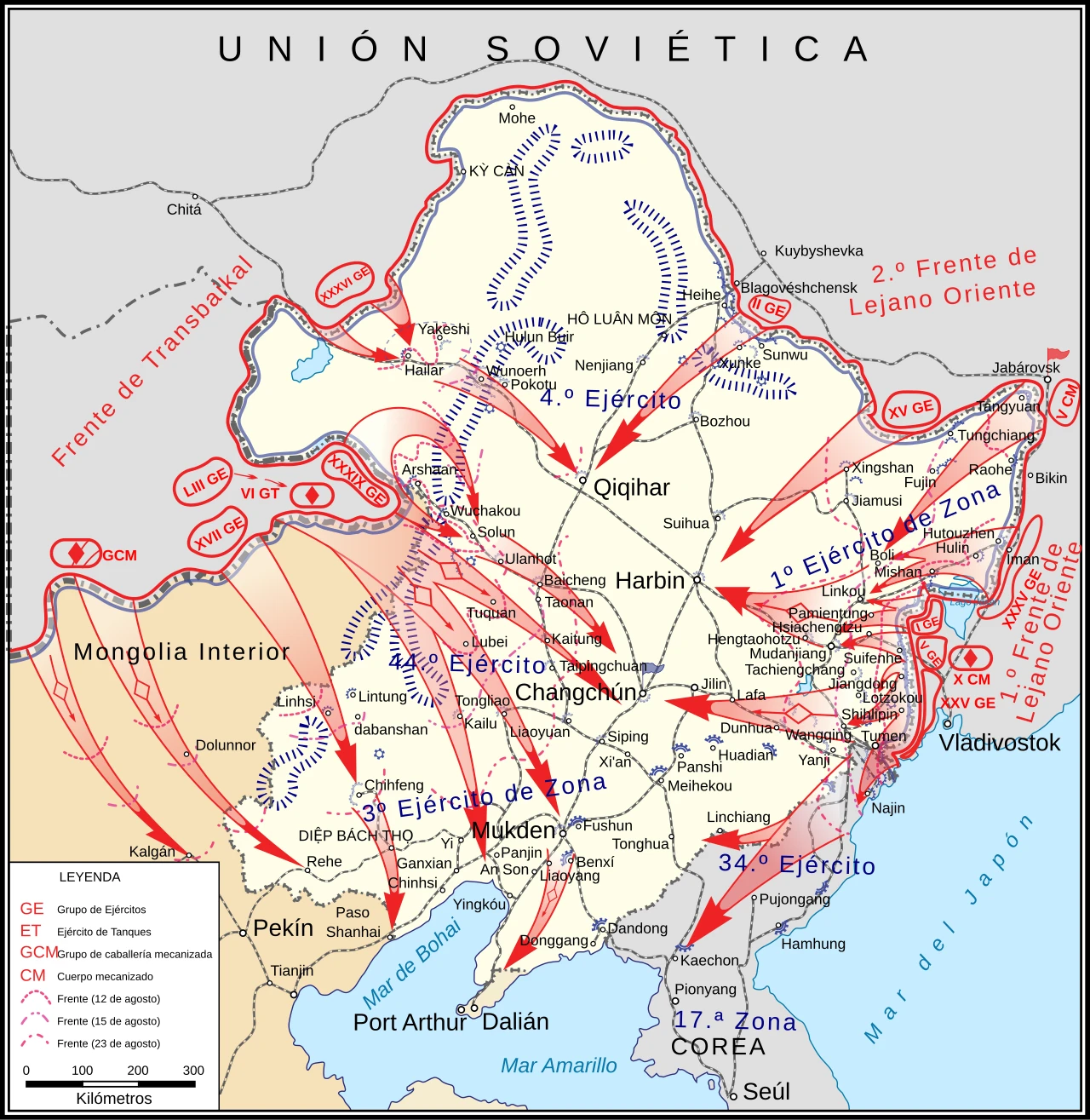
Zhukov Counterattacks

The Houx weir
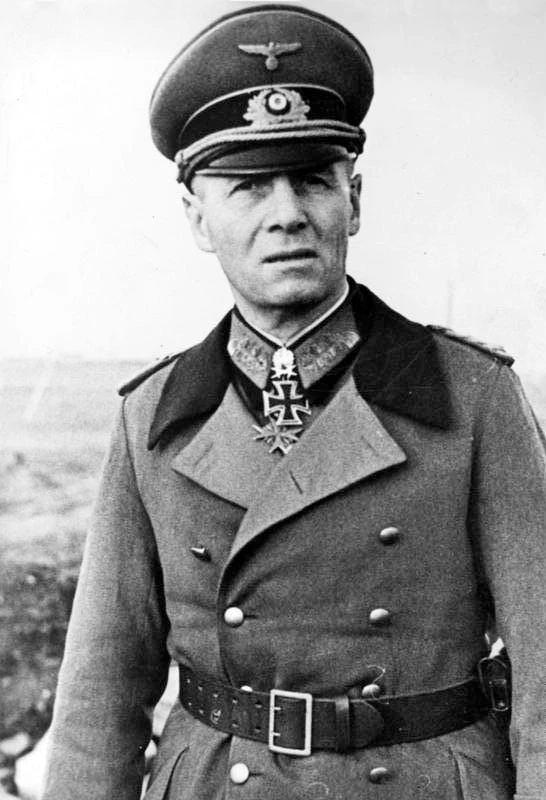
Rommel's ghost division
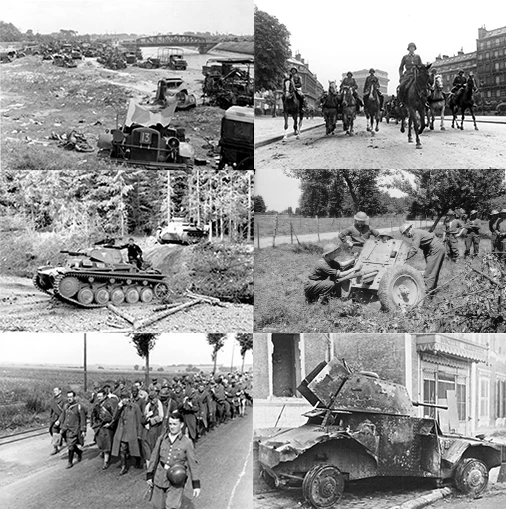
Fall Gelb — the order of 9 May 20:00
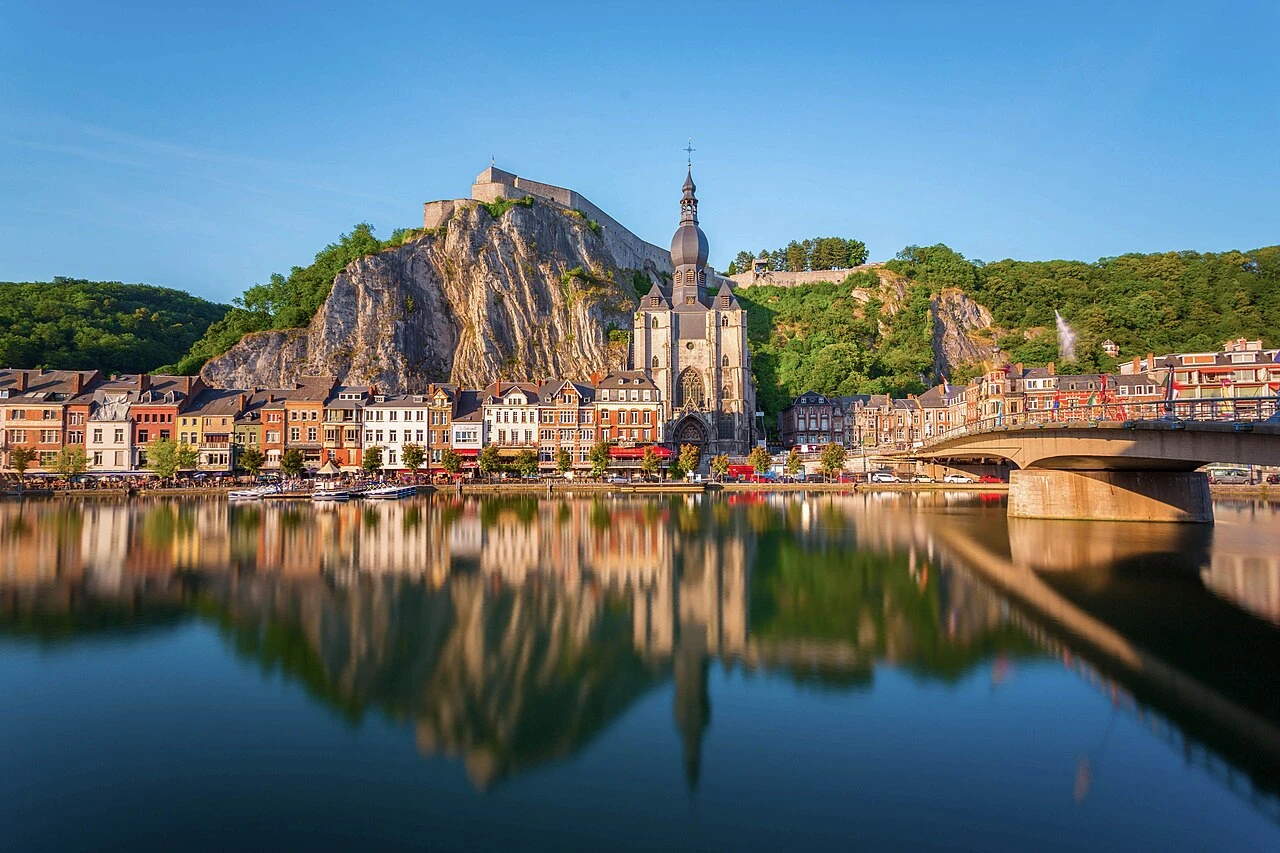
The crossing of the Meuse at Dinant
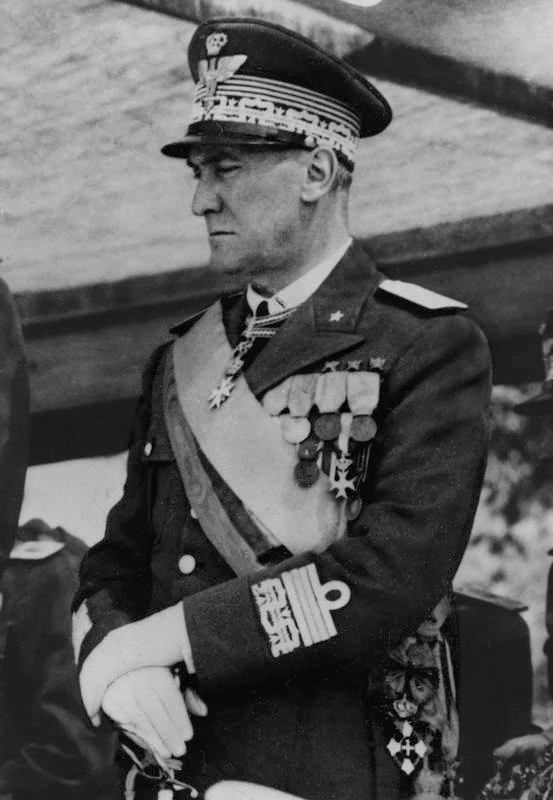
Graziani enters Egypt — Sidi Barrani
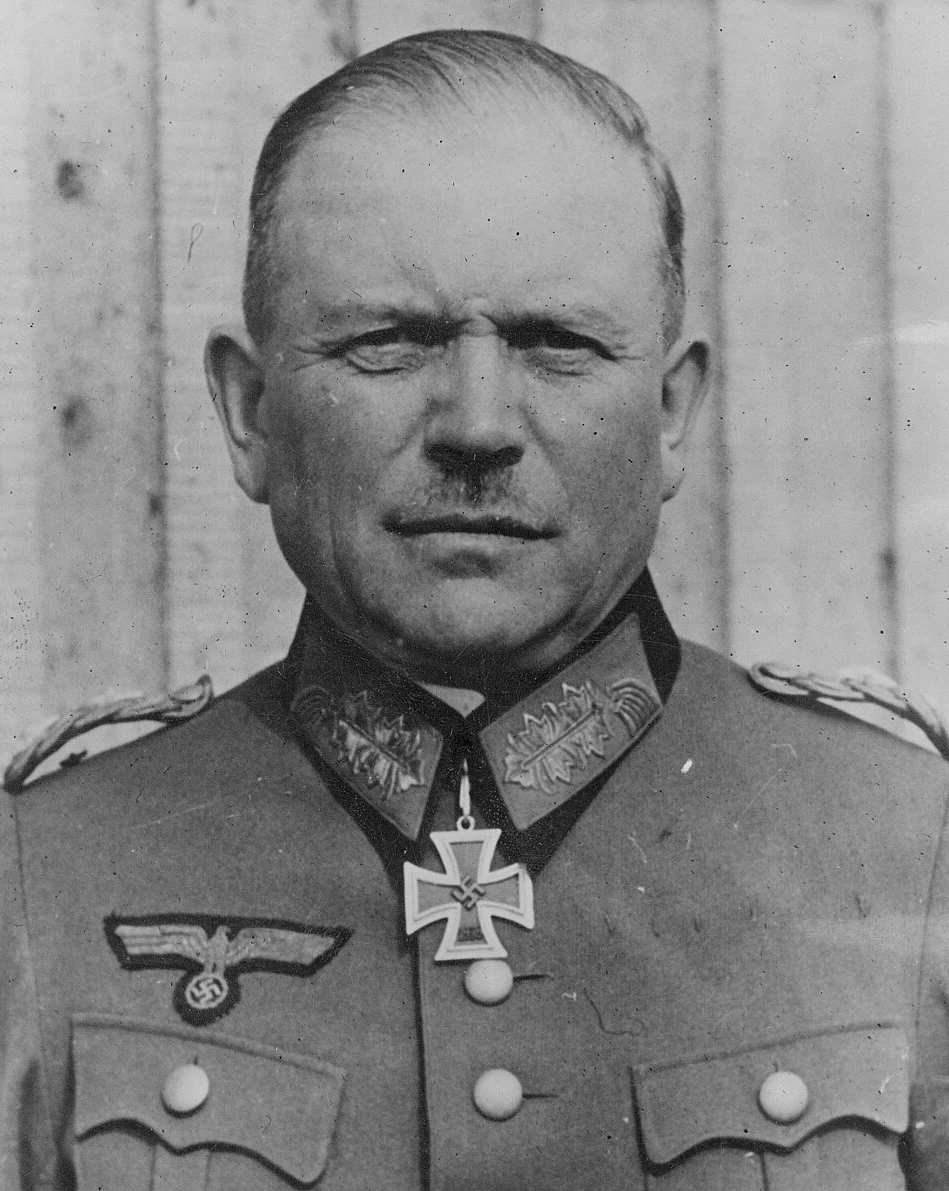
The Mud, the Winter and the Road to Moscow
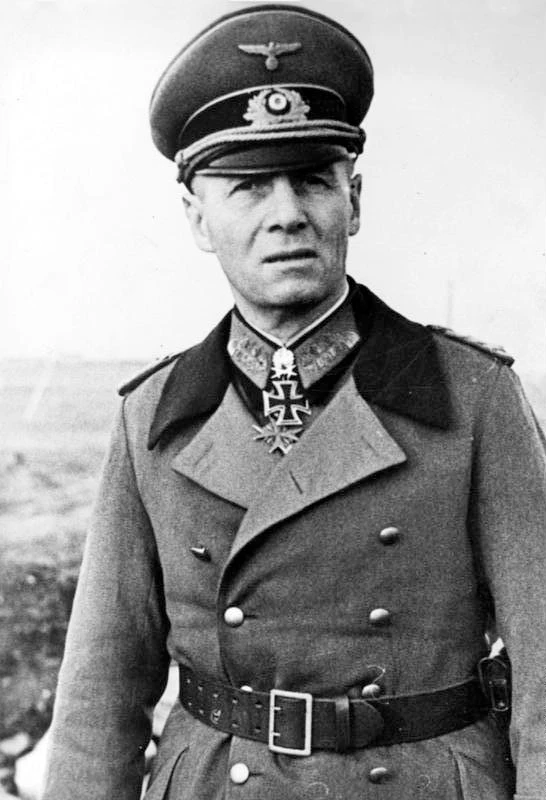
The dash to the wire: Rommel's gamble on the frontier
Khalkhin Gol — Baïn-Tsagan
Khalkhin Gol — the First Clash
Zhukov Counterattacks
The Houx weir
Rommel's ghost division
Fall Gelb — the order of 9 May 20:00
The crossing of the Meuse at Dinant
Graziani enters Egypt — Sidi Barrani
The Mud, the Winter and the Road to Moscow