
Oslo, September 1941: The Milk Strike
Since the German occupation of April 1940 and the installation of Vidkun Quisling's collaborationist regime, Oslo has been living under mounting pressure. Rationing is strangling working-class households, and the suppression of the free distribution of milk in factory canteens in early September 1941 acts as the spark too many. Within hours, tens of thousands of workers from the shipyards and the capital's major factories spontaneously walk off the job. This movement, soon dubbed the "milk strike," quickly goes beyond a simple demand over food: it becomes the expression of an exasperation with the occupier and its Norwegian intermediaries.
You are a trade union official in Oslo, plunged into the heart of this unrest. Reichskommissar Josef Terboven, the country's civilian master, tolerates no dissent: he knows the value of Norwegian industry to the German war effort and wants to make an example. Martial law looms, the emergency courts are ready, and the Gestapo is watching the ringleaders. Your comrades, torn between anger and fear for their families, are waiting for you to give a clear instruction for the decisive hours ahead.
Every hour counts, and all eyes are turning to you.
As a trade union official in Oslo, what instruction do you give in the face of the milk strike?
The trade unionists chose to maintain the movement, and the repression was swift and devastating. On 10 September 1941, Terboven proclaimed a state of emergency in Oslo: the two union leaders Viggo Hansteen and Rolf Wickström were arrested, summarily condemned, and shot that very day, becoming the first Norwegians executed by the occupier. Other ringleaders were imprisoned or sent to camps. The strike was broken and the unions placed under Nazi control. But far from pacifying the country, these executions lastingly radicalized Norwegian civil resistance and made Hansteen and Wickström martyrs of the occupation.
Learn more about this event
Related polls
10
The Belgrade schoolteacher under the occupation
The Parisian concierge facing informing under the Occupation
A Schoolteacher of Poznań under the Wartheland
A French nurse facing a wounded enemy soldier
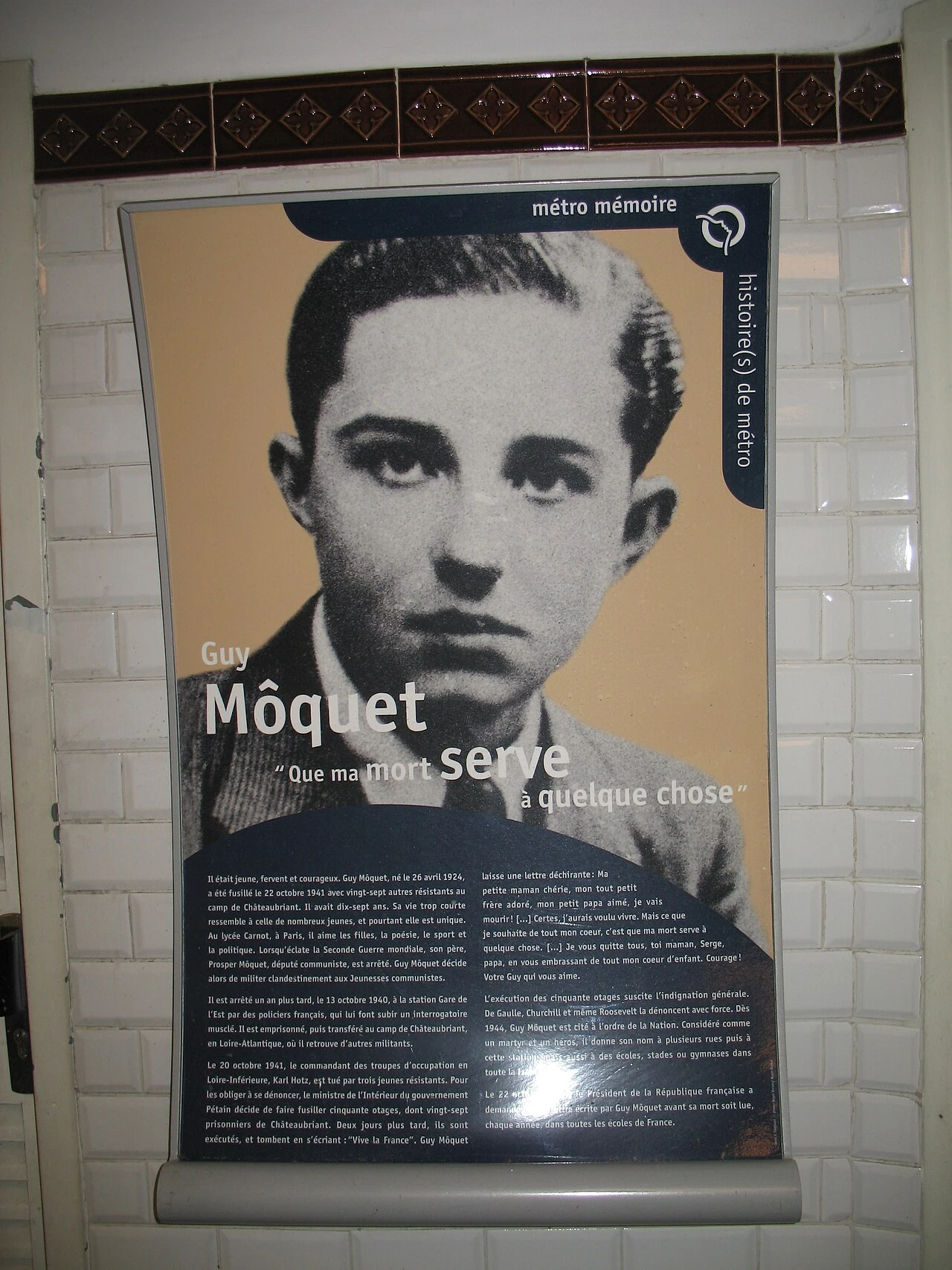
Châteaubriant: The List of Hostages
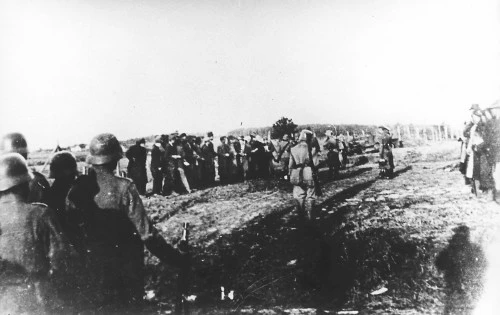
Denouncing the partisans under the terror of reprisals in Serbia
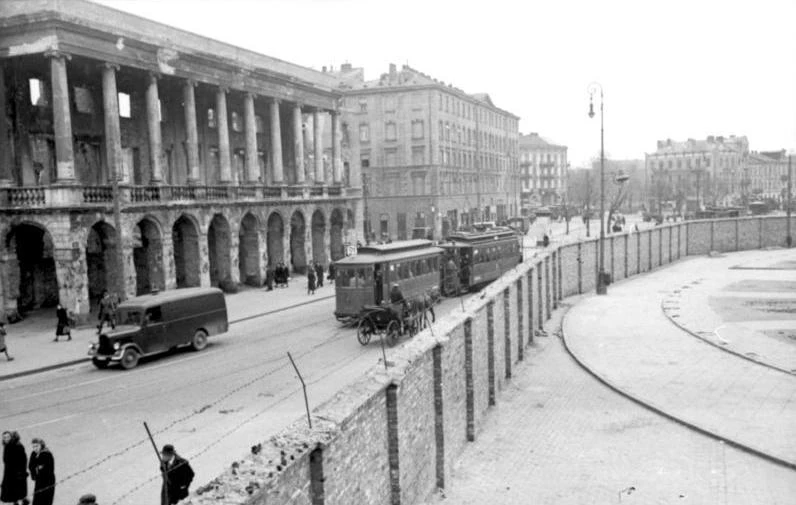
Studying in the Warsaw Ghetto
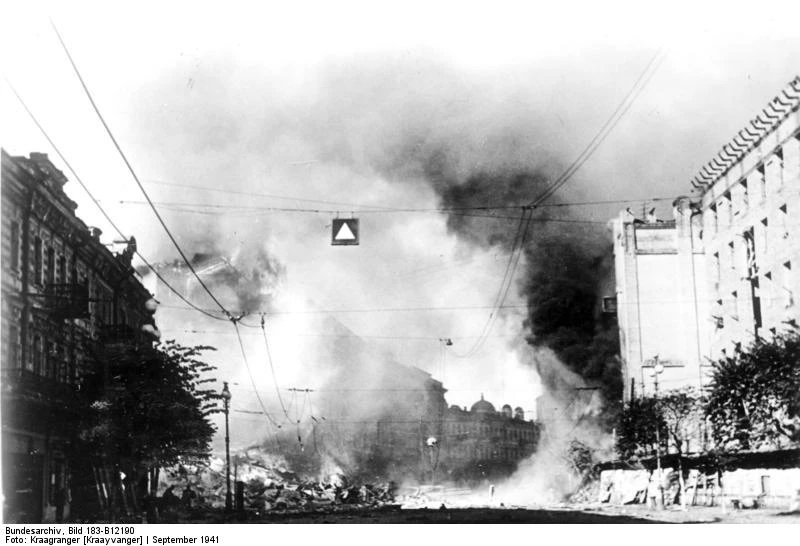
Kiev, September 1941: A Neighbor Facing Babi Yar
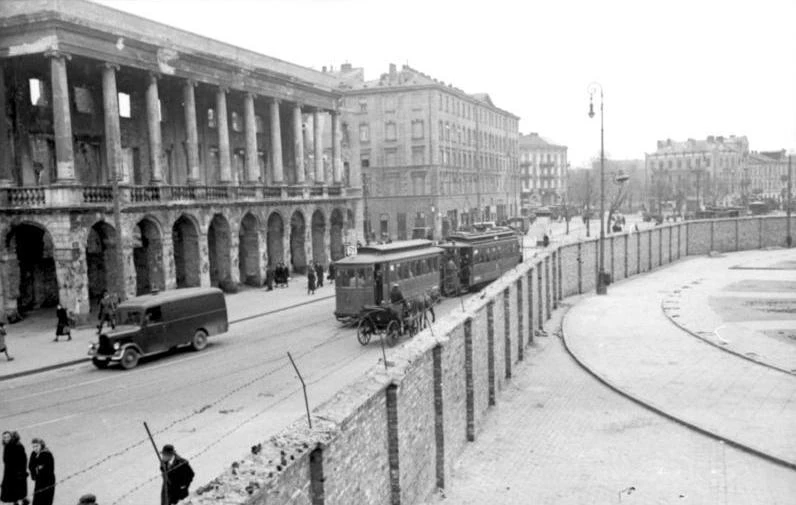
Clandestine teaching in the Warsaw Ghetto
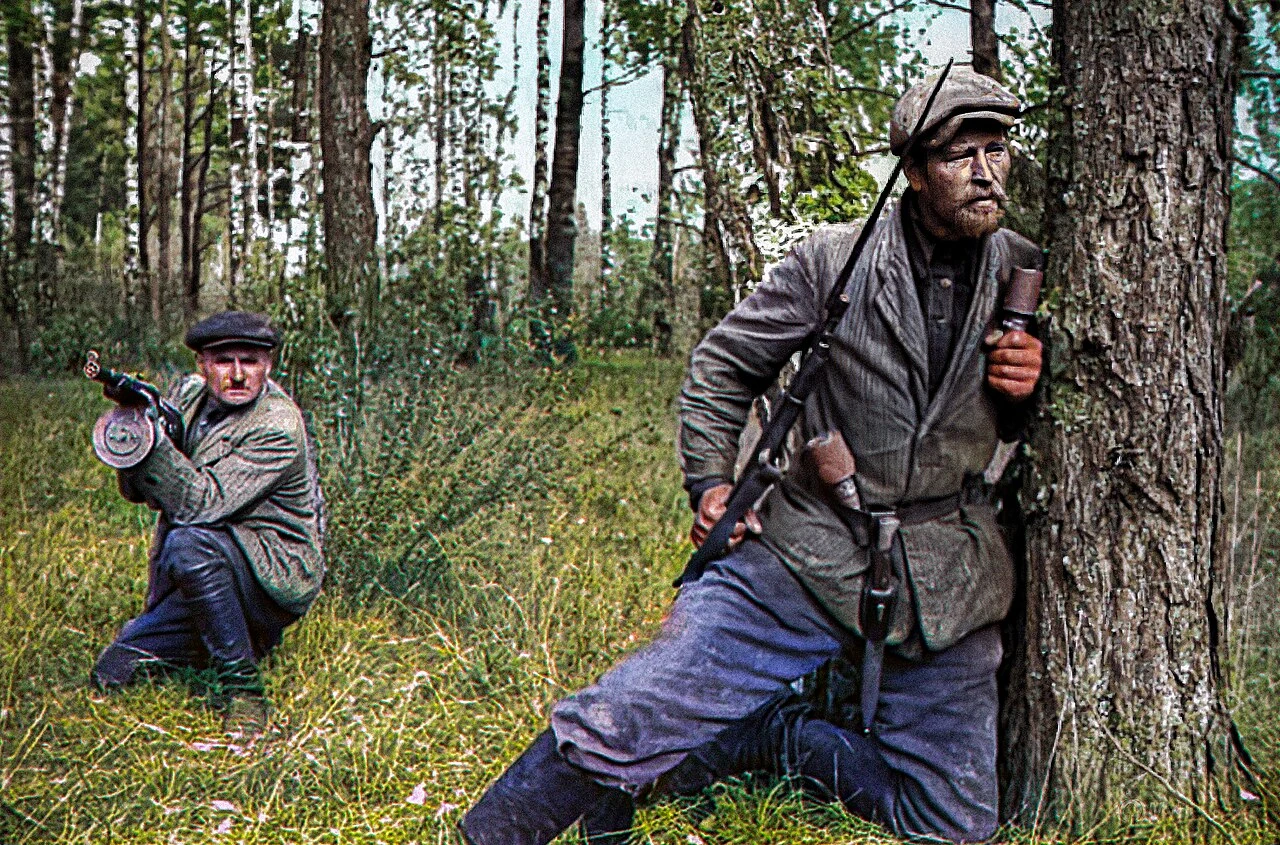
The Bryansk forests, autumn 1941
The Belgrade schoolteacher under the occupation
The Parisian concierge facing informing under the Occupation
A Schoolteacher of Poznań under the Wartheland
A French nurse facing a wounded enemy soldier
Châteaubriant: The List of Hostages
Denouncing the partisans under the terror of reprisals in Serbia
Studying in the Warsaw Ghetto
Kiev, September 1941: A Neighbor Facing Babi Yar
Clandestine teaching in the Warsaw Ghetto