
Two Factories, One Heavy Tank
In the spring of 1942, the German army wanted a heavy tank capable of carrying the 88 mm gun derived from the anti-aircraft piece, under thick frontal armour. Two design bureaus answered the order: Henschel & Sohn at Kassel, with its strong industrial experience, and 's bureau at Stuttgart, which staked everything on a bold electric transmission.
Krupp supplied a common turret for both machines. On 20 April 1942, Hitler's birthday, the two prototypes were presented near Rastenburg, then put through comparative trials.
The choice would commit German armoured production for years to come. Three paths lay open: pick the Henschel project, pick the Porsche one, or launch both in parallel.
Which manufacturer should be entrusted with series production of Germany's new 45-tonne heavy tank?
The Henschel project (VK 45.01 H) was selected and became the Tiger I. Porsche's petrol-electric transmission, complex and hungry for copper — a strategic metal scarce in Germany — proved unreliable in trials. A 'Tiger committee' ruled in favour of Henschel in the autumn of 1942; the tank entered production that year. About a hundred Porsche chassis already ordered were reused as Ferdinand/Elefant tank destroyers.
Learn more about this event
Related polls
10
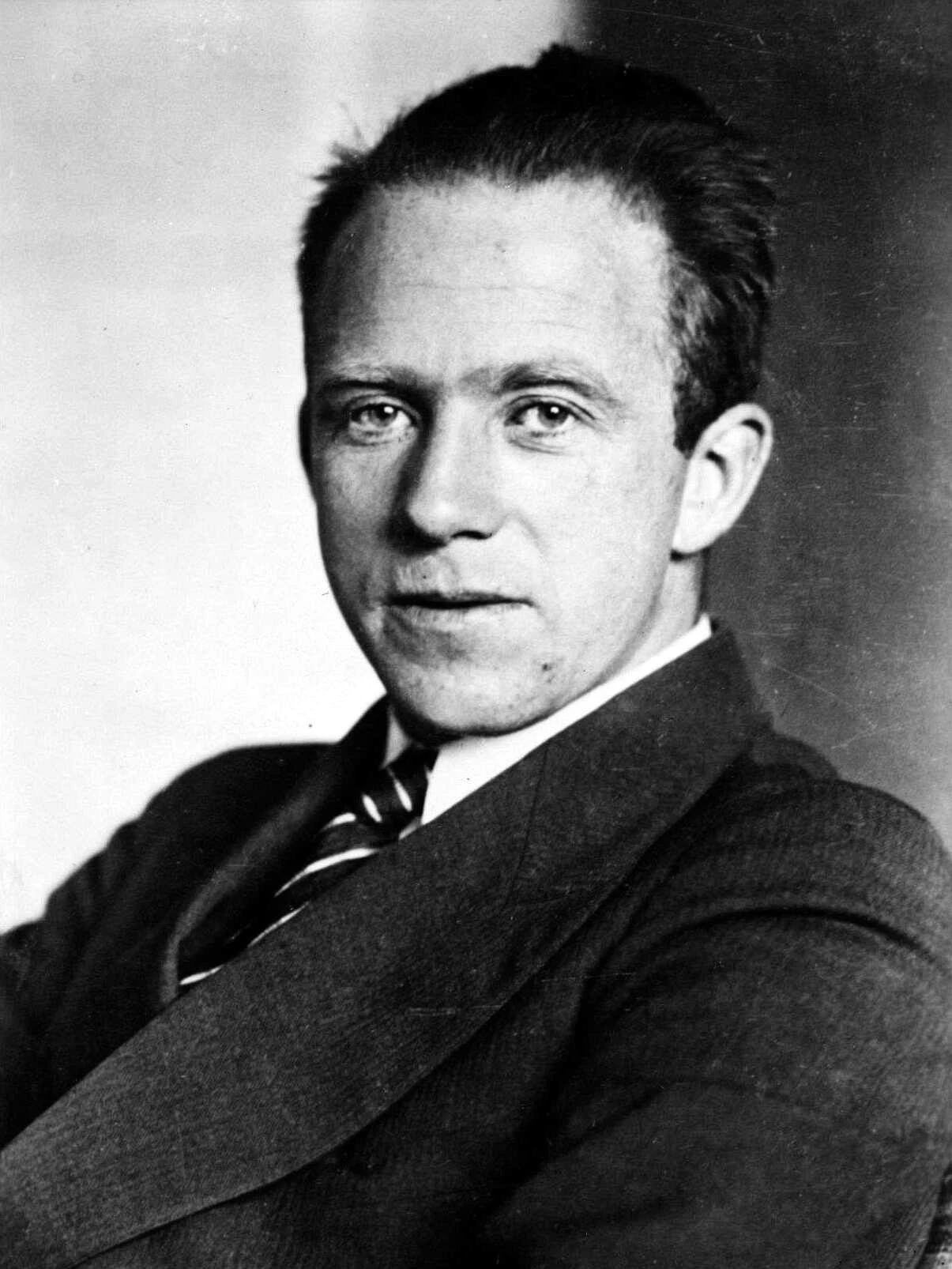
The German "Uranverein": a priority refused
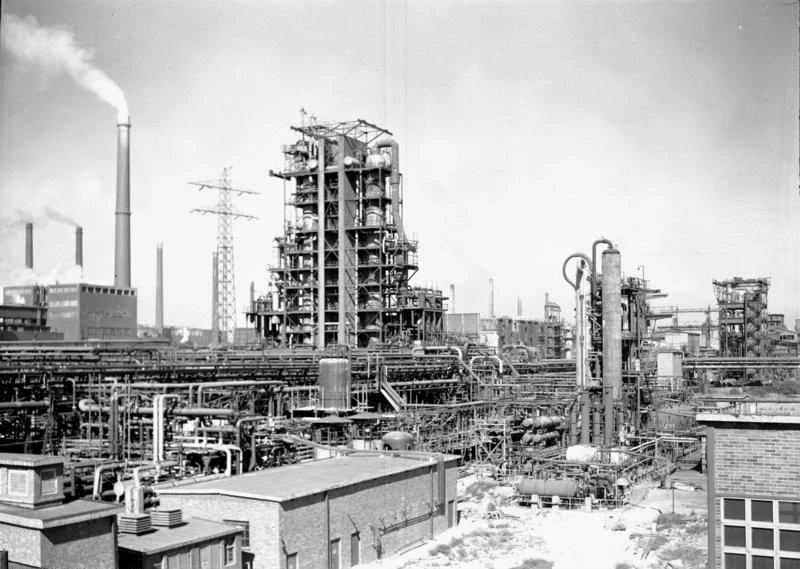
Making oil from coal
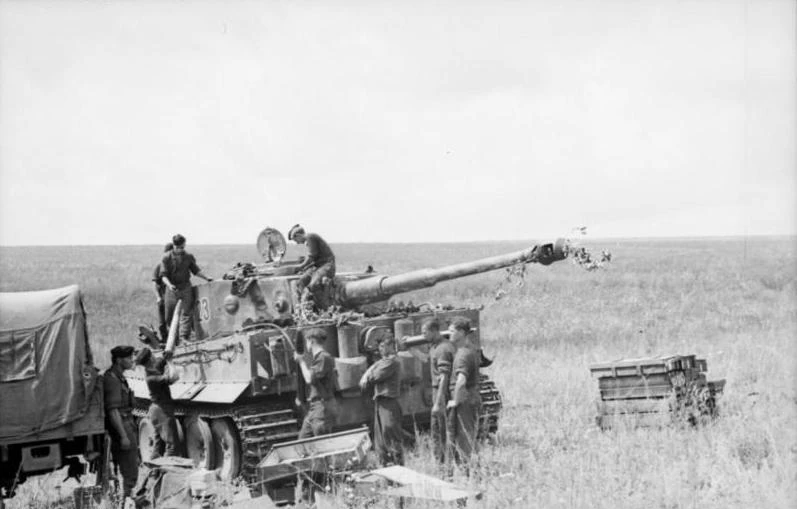
Krupp and the Beast's Cannon
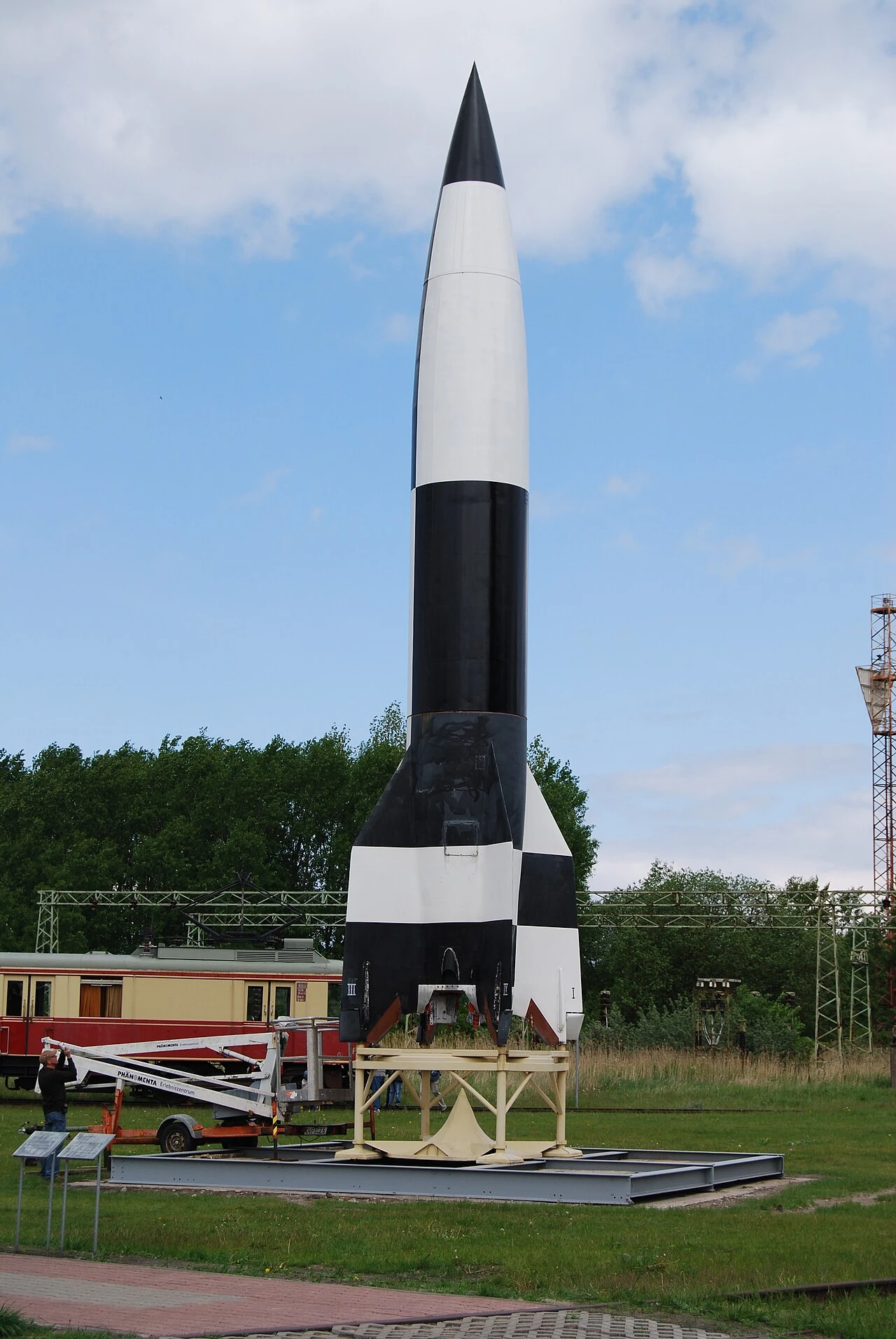
Peenemünde: producing before flying
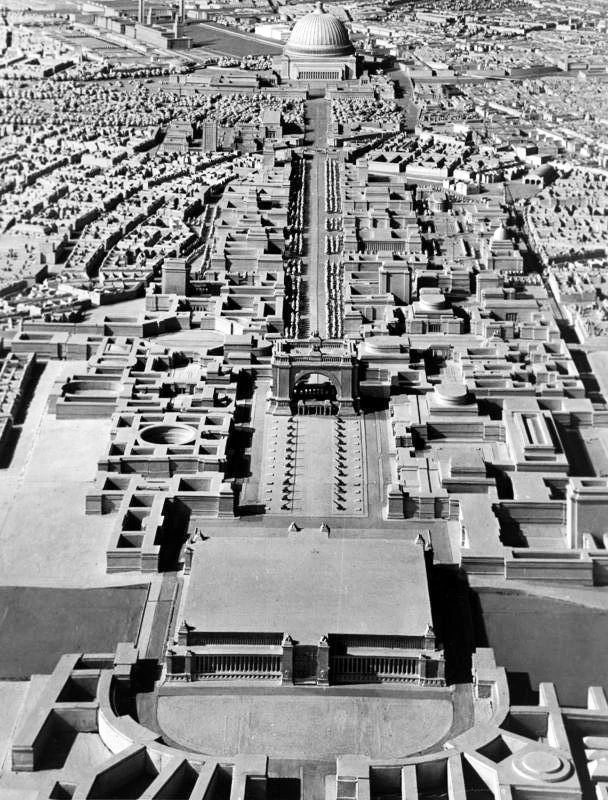
Speer and the Germania trade-off
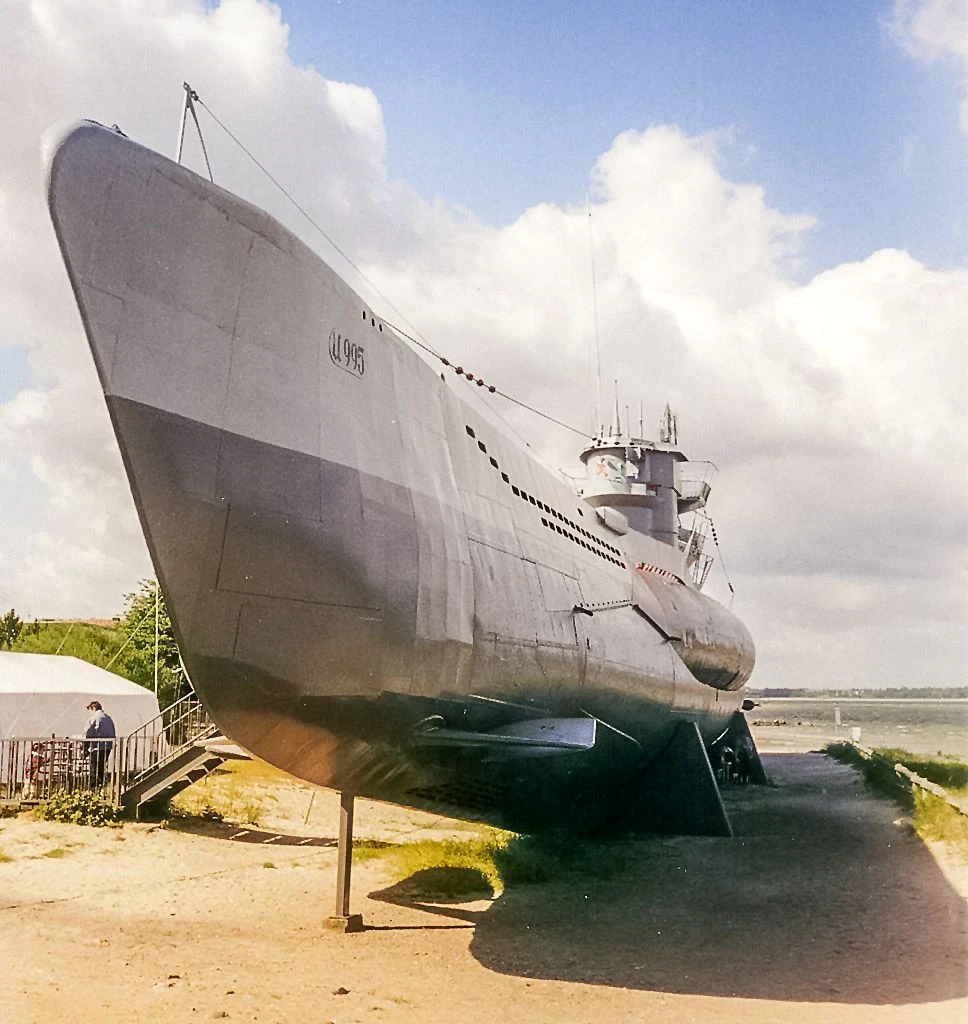
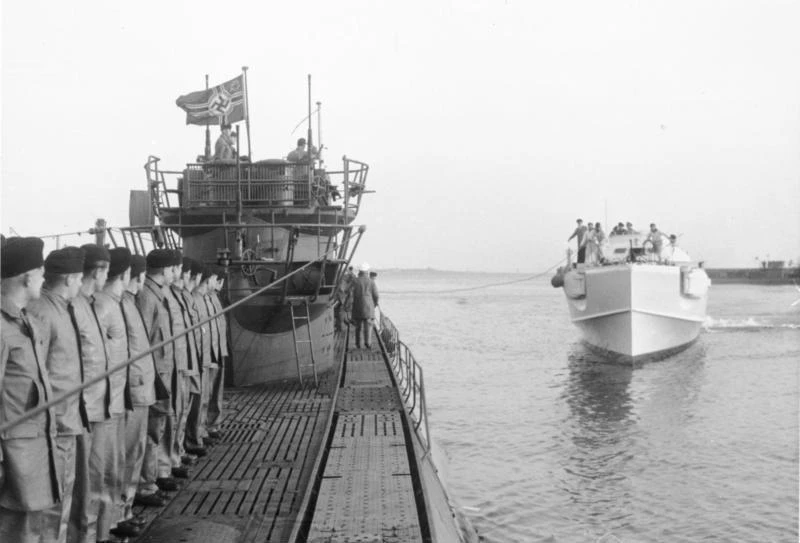
Dönitz at Sengwarden — the winter pause
Speer at headquarters - Todt's portfolio

Join the Party?
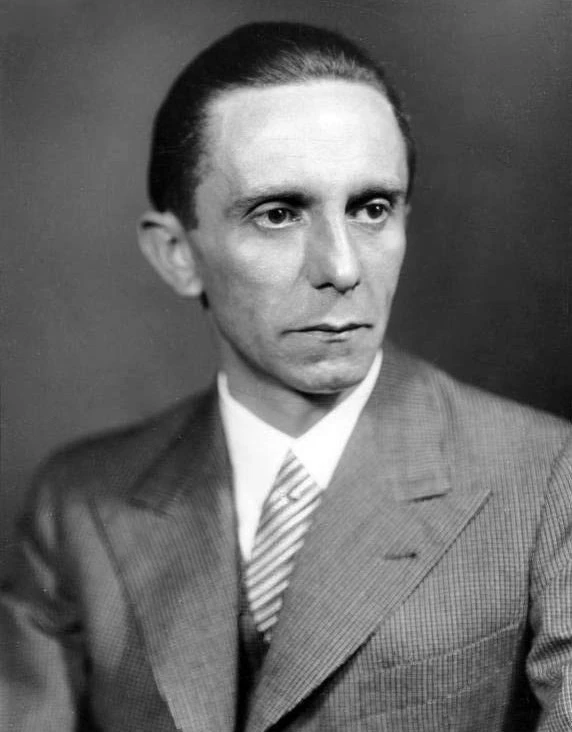
Berlin, October 1941: The Words of Victory
Bulgaria: lock of the Balkans, a price to pay
The German "Uranverein": a priority refused
Making oil from coal
Krupp and the Beast's Cannon
Peenemünde: producing before flying
Speer and the Germania trade-off
Dönitz at Sengwarden — the winter pause
Speer at headquarters - Todt's portfolio
Join the Party?
Berlin, October 1941: The Words of Victory