
Intelligenzaktion — the schoolmaster of Pomerania
The Intelligenzaktion (action against the Polish intelligentsia) is the targeted genocide planned by the Reichssicherheitshauptamt (RSHA) as early as the summer of 1939, within the framework of Operation Tannenberg. The target: the physical elimination of Poland's elites — academics, teachers, doctors, priests, lawyers, reserve officers, journalists, civil servants, landowners. The doctrine: without its head, the Polish nation will no longer be able to resist.
The method: from 1936 onward, Sonderfahndungsbuch Polen ("Special wanted lists Poland") have been compiled in Berlin from informants among the German minorities (Volksdeutsche) in Poland. By 1 September 1939 these lists hold 61,000 names. As the invasion begins, the (five operational groups) and the Selbstschutz (ethnic-German militias armed by Heydrich) receive orders to execute those on the lists — without trial, immediately upon identification.
A typical schoolmaster in a small Pomeranian town — say 38 years old, married, two children, a reader of the local daily Pielgrzym since 1925, president of the local branch of the Polish Teachers' Union (ZNP) since 1932 — is very likely to be on those lists. The day after the occupation (around 5-10 September) he hears from a neighbour that a Volksdeutsche known in the town has been seen handing a list to the German military commander.
What to do in the 48 hours after the news?
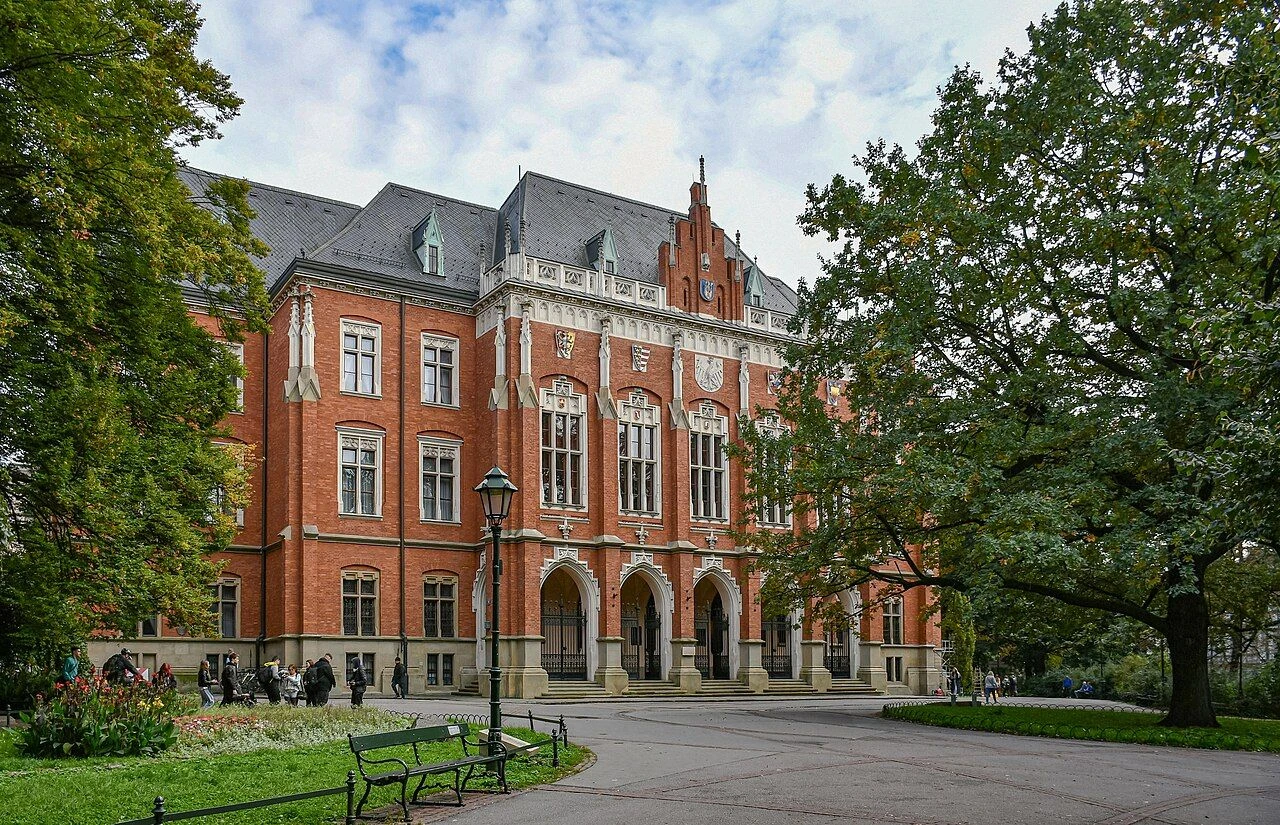
According to the sources, the majority of the Polish intellectuals targeted chose C in the first days, out of disbelief or from a wish to "regularise" their situation administratively. That trust in legality cost the lives of tens of thousands of them. The Intelligenzaktion claimed, between September 1939 and the spring of 1940, between 60,000 and 100,000 Polish dead (the consensus figures). The best-documented massacres: the Piaśnica forests (12,000 to 14,000 dead), Mniszek (10,000 dead), Bydgoszcz (1,200 dead in September, chiefly teachers), Stutthof (a concentration camp opened on 2 September 1939, mainly Poles). On 6 November 1939, at Cracow, the Sonderaktion Krakau deported 184 professors of the Jagiellonian University to Sachsenhausen (35 of whom would die in detention). The Intelligenzaktion is one of the first targeted genocides of the Second World War, documented only incompletely until the opening of the Polish archives (IPN) in 1990-2010.
Learn more about this event
Related polls
10
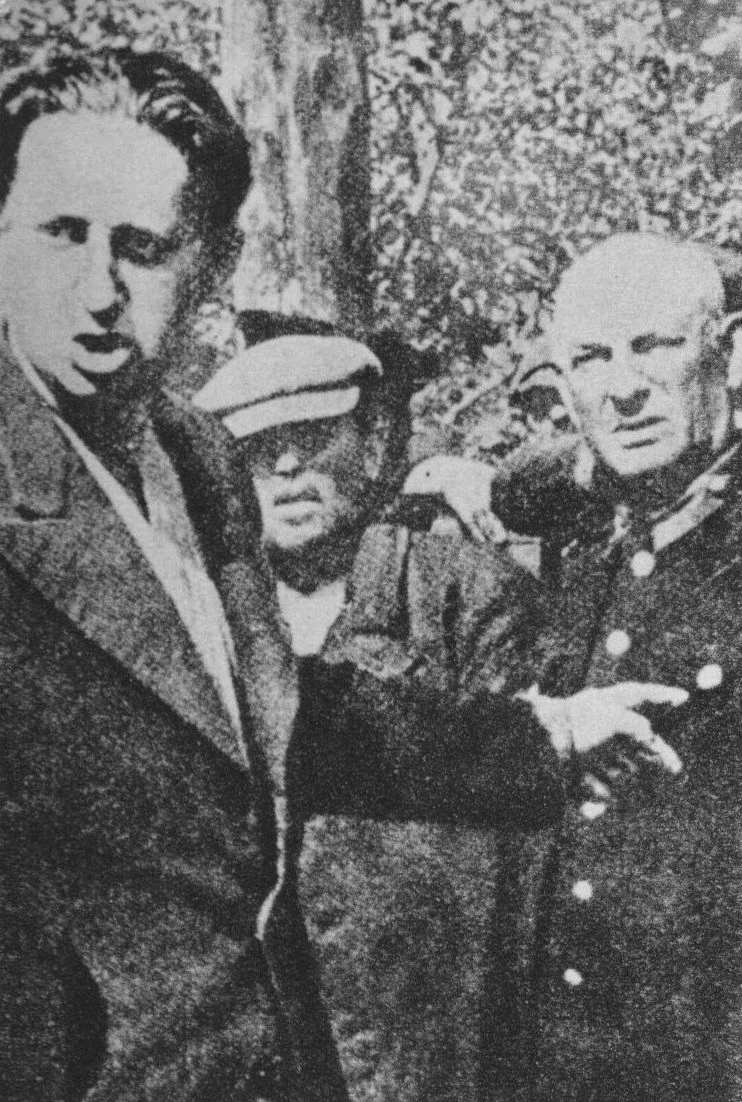
Bydgoszcz — 3 September
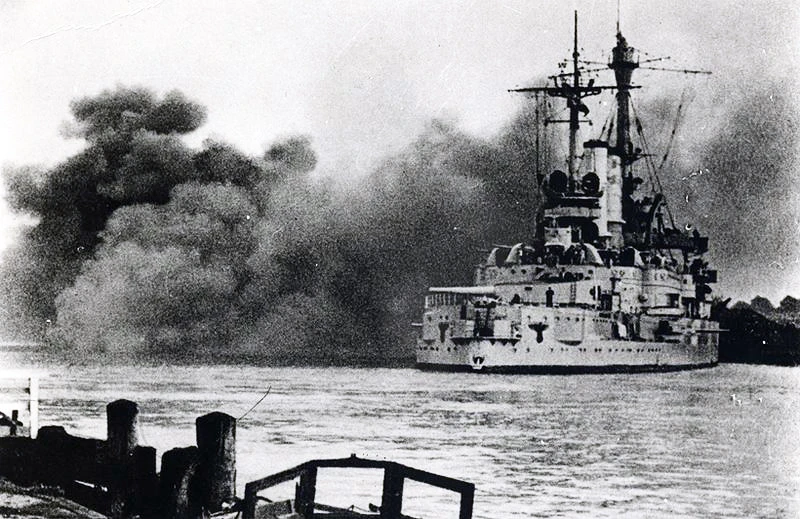
Danzig, September 1939 — the policeman of the Free City
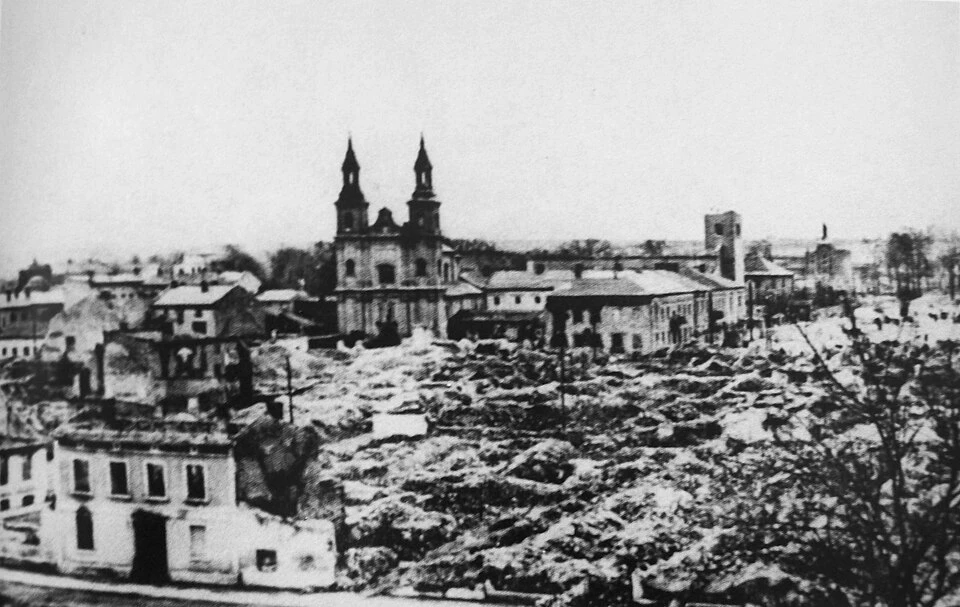
Wieluń at 04:40 — the first air strike
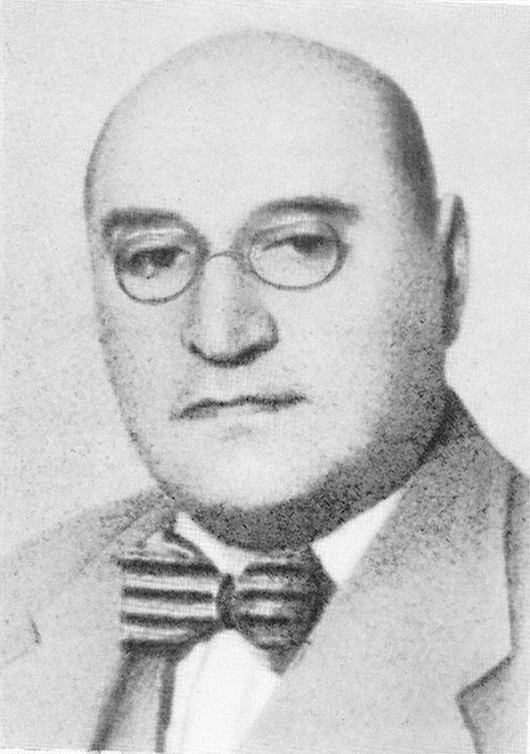
Czerniaków — the offer of the Judenrat
Hans Frank — the taking of the Wawel
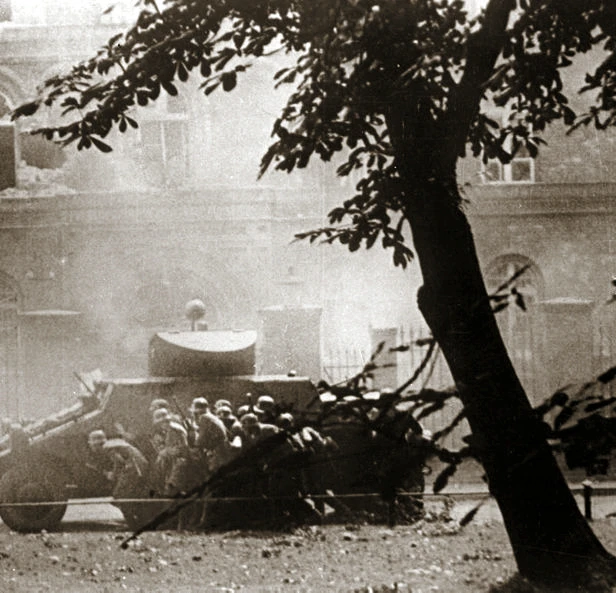
The University of Warsaw under the Bombs
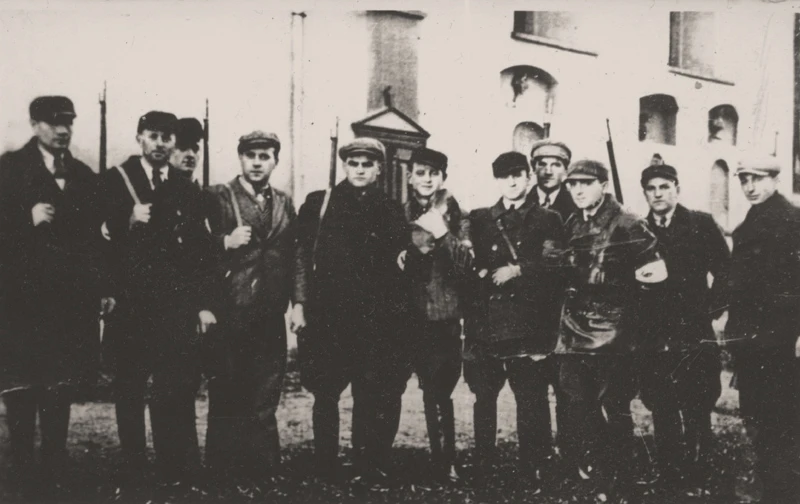
The Volksdeutsche Conscripted into the Selbstschutz
The Polish Post Office in Danzig — Guderski under SS fire
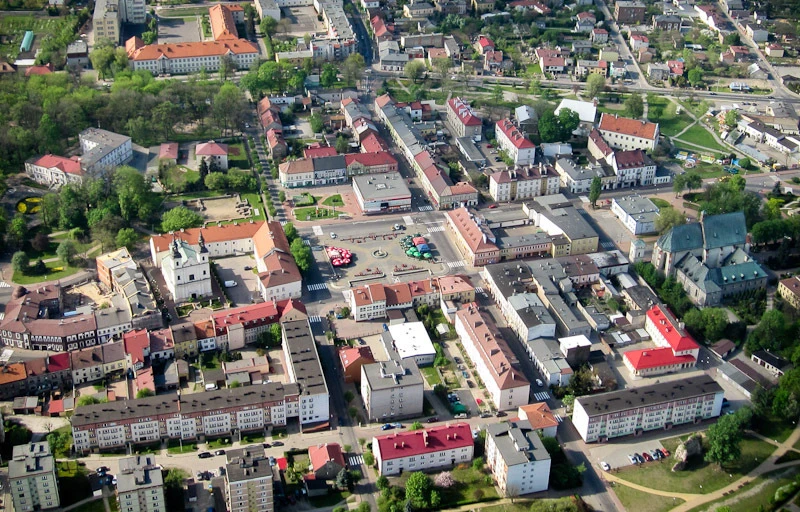
Wieluń, 4:40 a.m. — the first bomb of the war
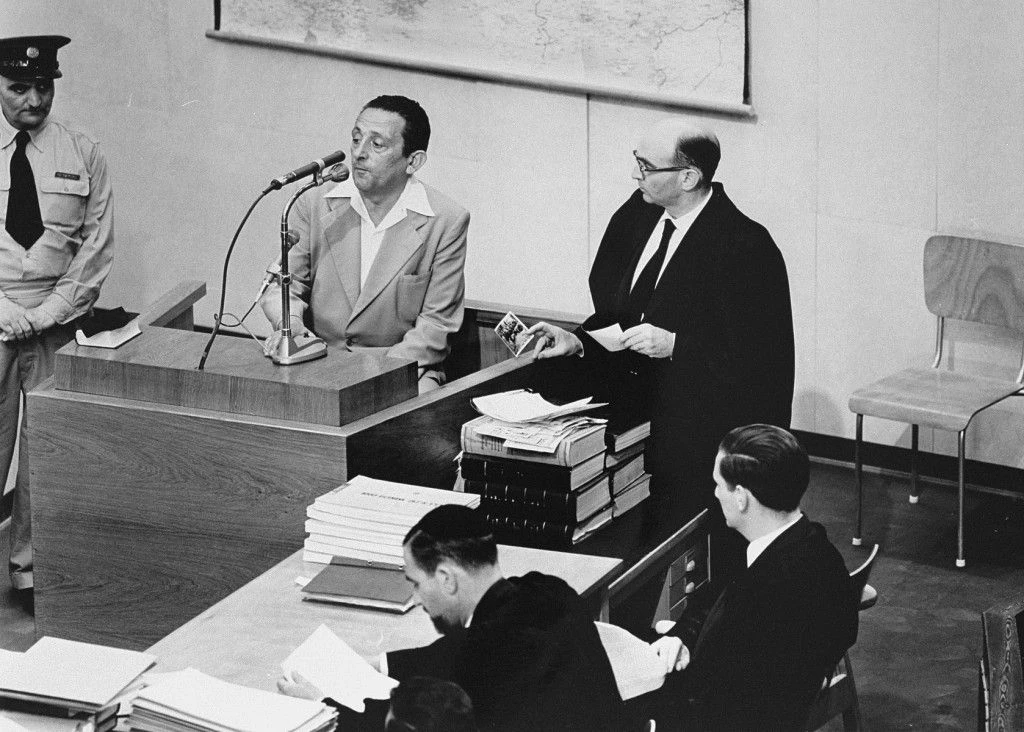
Biebow at Litzmannstadt — 8 February
Bydgoszcz — 3 September
Danzig, September 1939 — the policeman of the Free City
Wieluń at 04:40 — the first air strike
Czerniaków — the offer of the Judenrat
Hans Frank — the taking of the Wawel
The University of Warsaw under the Bombs
The Volksdeutsche Conscripted into the Selbstschutz
The Polish Post Office in Danzig — Guderski under SS fire
Wieluń, 4:40 a.m. — the first bomb of the war