
Tanner in Moscow — the delegation of 6 March
, 58, had been Minister of Foreign Affairs since 2 December 1939. A veteran Social Democrat and former prime minister (1926-1927), he was respected on left and right. His mission: to find a diplomatic way out of the Winter War as the Finnish army was exhausting itself.
The first secret contacts ran through Stockholm: Countess (Soviet ambassador to Sweden, an old Bolshevik) served as the channel between the two governments. From 14 February to 5 March 1940 indirect negotiations took place: Tanner through Sweden (Foreign Minister ) and Kollontay through Moscow (Molotov).
The initial Soviet conditions on 5 March: cession of the entire Karelian Isthmus (including Vyborg), the northern shores of Lake Ladoga (the Sortavala region), the islands of the Gulf of Finland, the port of Hanko (a 30-year lease), and the lands of Salla and Kuusamo in the north. No political annexation of Finland, which would retain its independence.
The Finnish delegation went to Moscow on 6 March 1940: (Prime Minister), (the negotiator of Tartu in 1920), Tanner himself, and (industrialist). The Soviet conditions hardened in Moscow: a 99-year lease on Petsamo was added, and 300 million marks of reparations.
Tanner had to decide whether to sign.
Should Tanner accept the Soviet conditions?
Tanner and the delegation chose A with some nuances of B. At 23:00 on 12 March 1940 the Treaty of Moscow was signed. Finland ceded 35,000 square kilometres (11 percent of its territory) and evacuated 422,000 refugees inland. But it retained its independence, its army and its government — an exceptional outcome compared with the fate of the Baltic states (annexed in June 1940). Tanner remained a minister and played a role in the Continuation War of 1941-1944 (the tactical alliance with Germany to recover the lost territories). Arrested by the Soviets after the war, tried in the Finnish war-responsibility trials (1945-1946), sentenced to five and a half years' imprisonment, released in 1948, pardoned and rehabilitated. He continued his political career in the SDP until his death in 1966 at the age of 85. The Peace of Moscow remained a relative catastrophe for Finland but a moral victory: the country alone had held out for 105 days against the USSR and survived.
Learn more about this event
Related polls
10
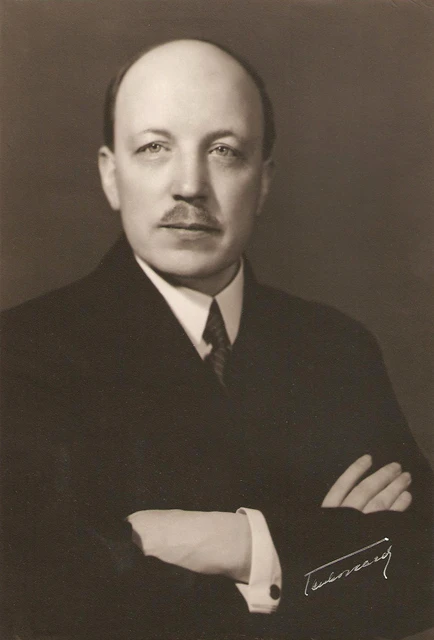
Moscow Peace — Ryti at the Kremlin
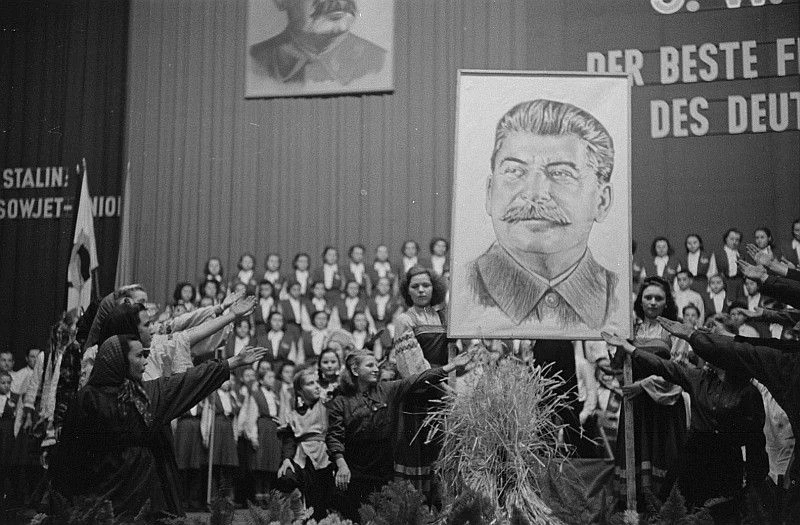
Stalin at 60 — Hitler at the Kremlin
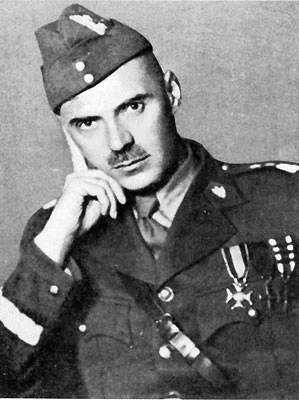
Anders in the Lubyanka
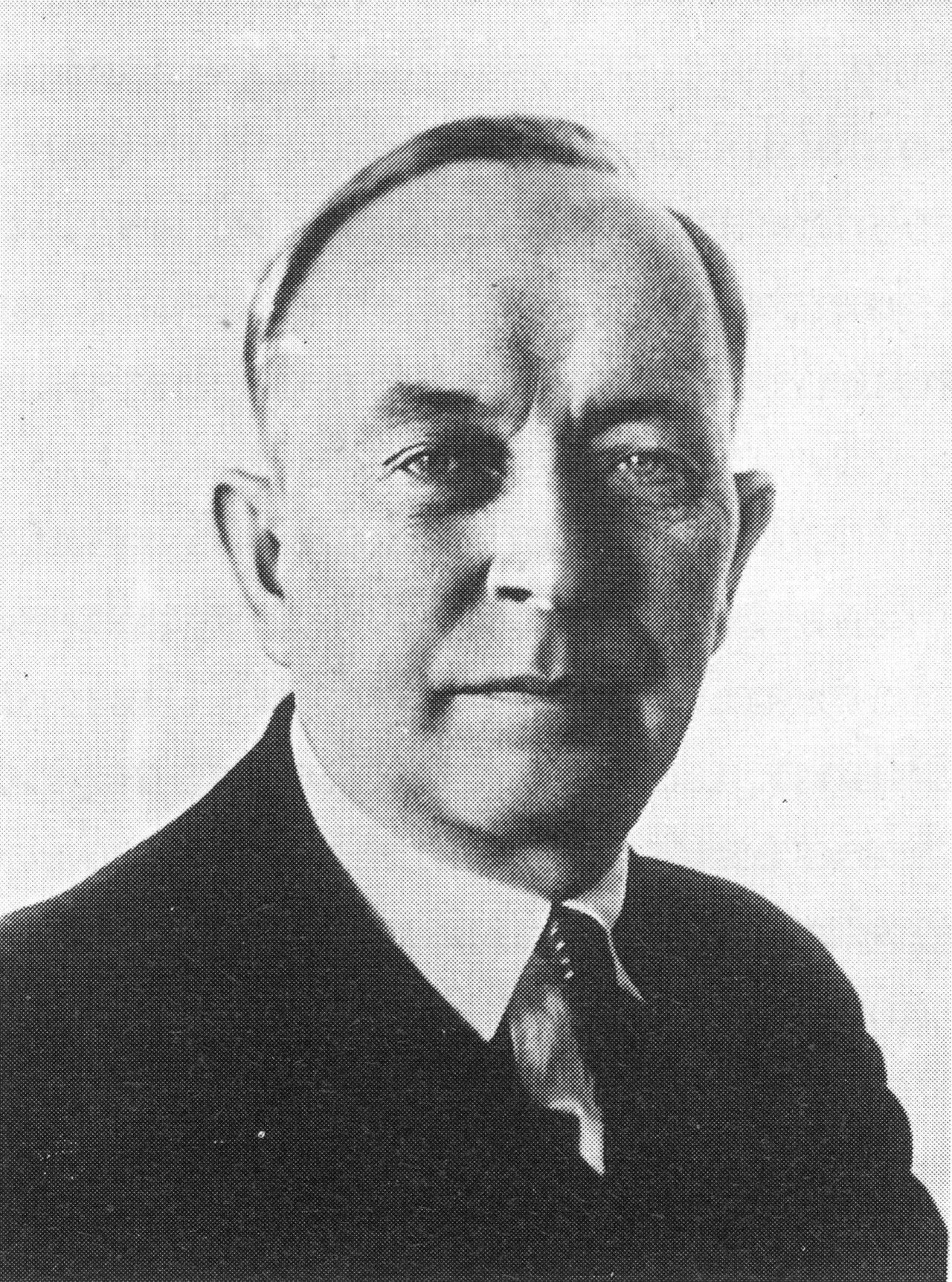
Kuusinen — Terijoki, 1 December
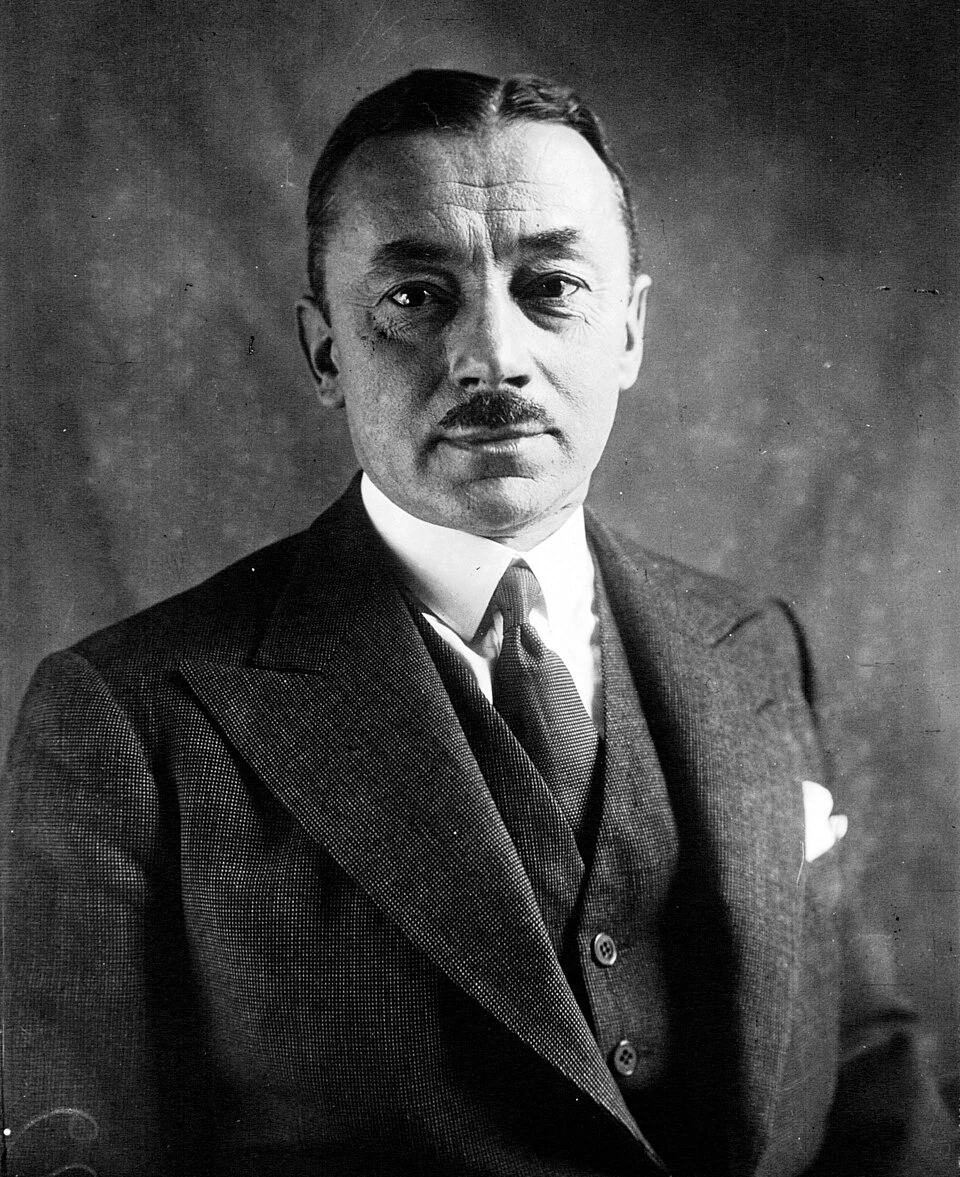
Reynaud against Daladier — February 1940
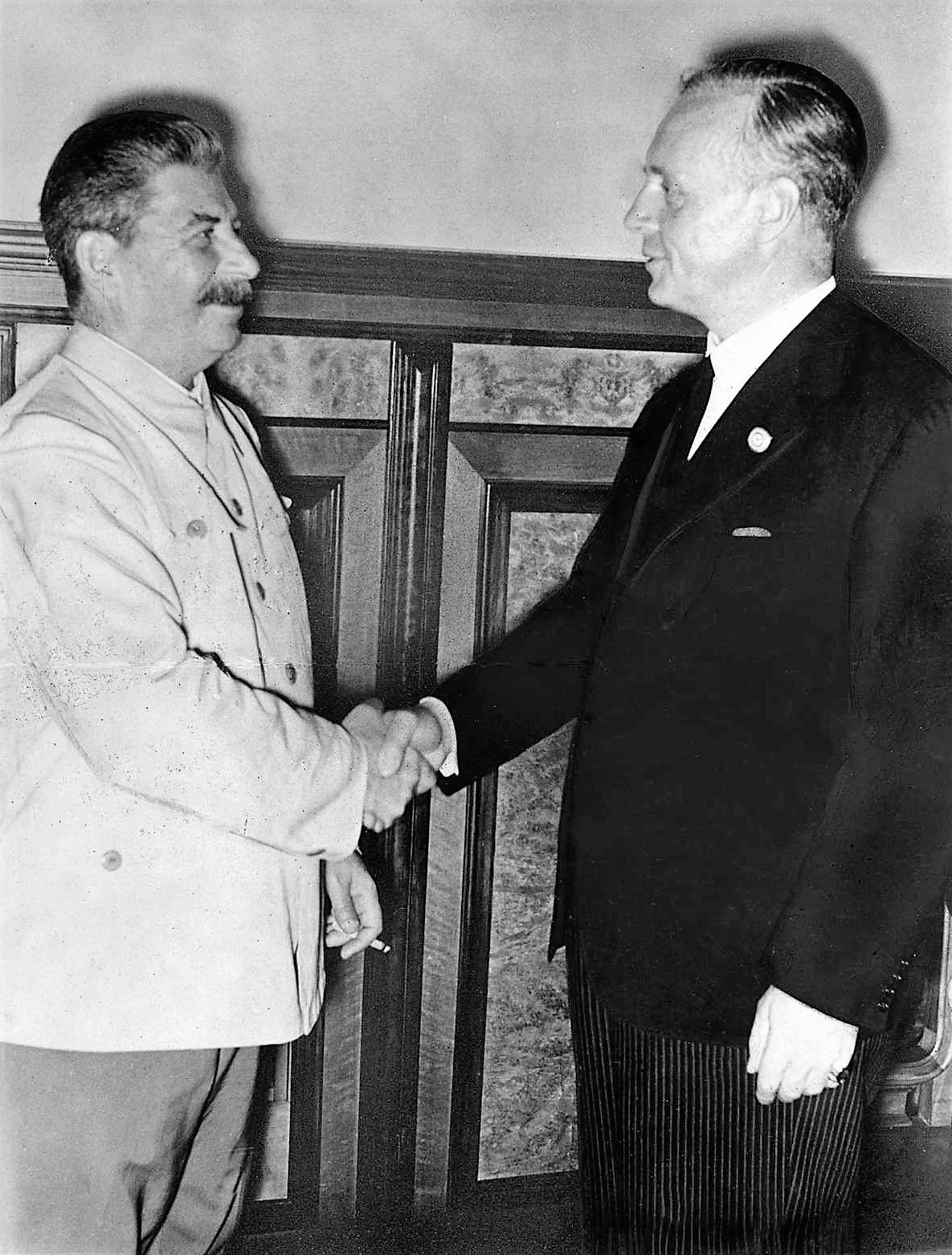
Ribbentrop in Moscow — the Accord of 28 September
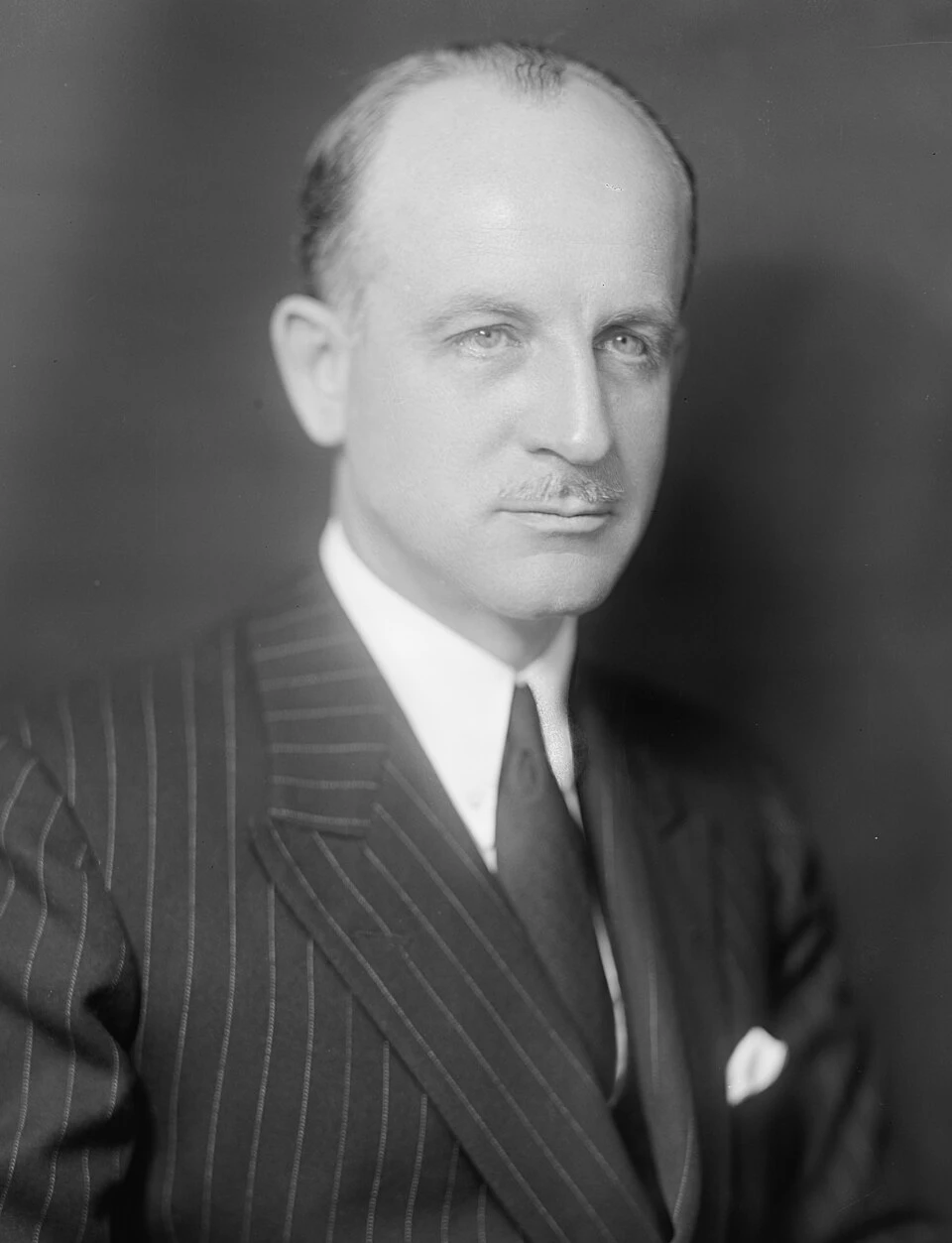
Welles at the Palazzo Venezia
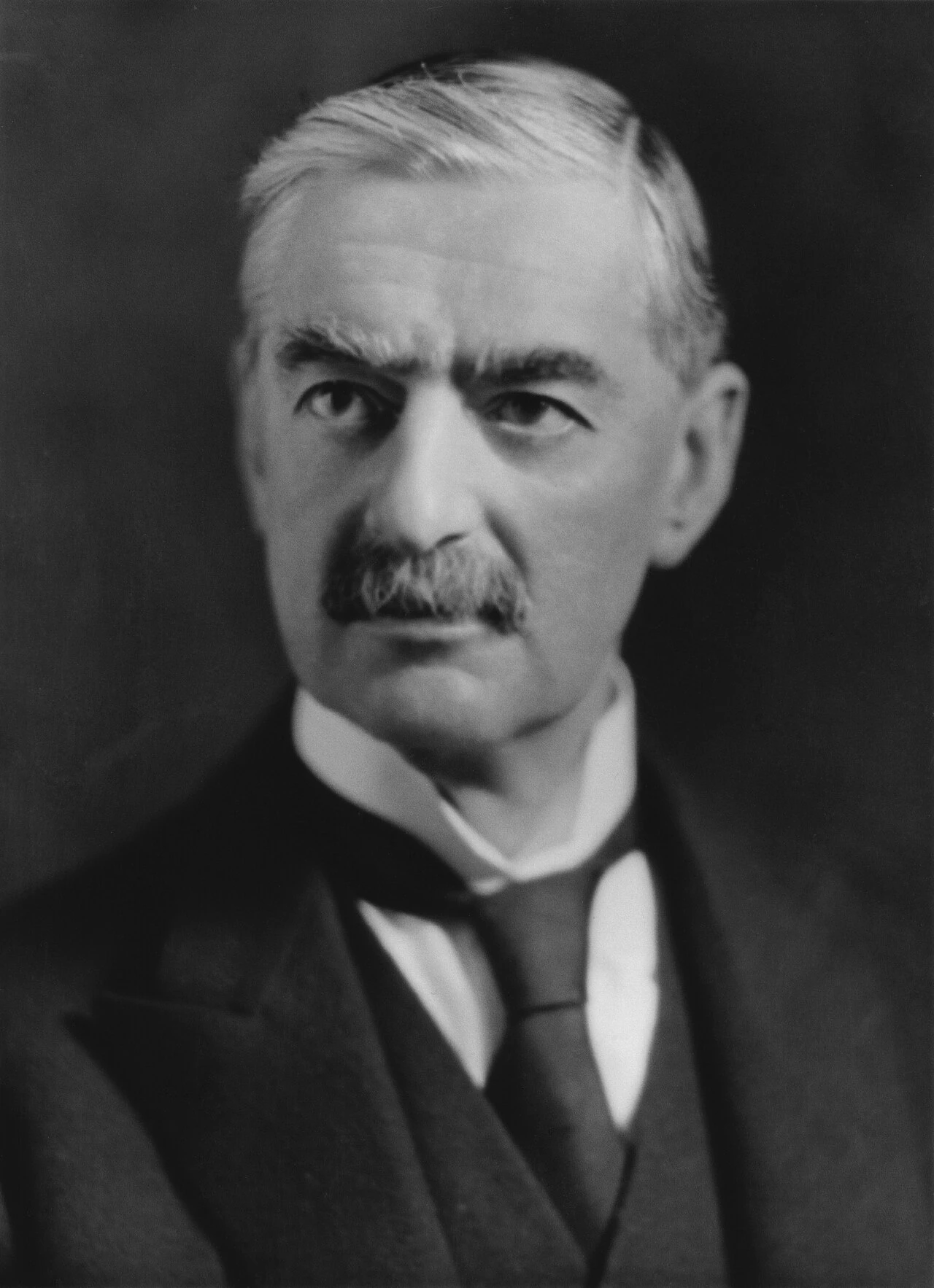
Chamberlain at Central Hall — 4 April
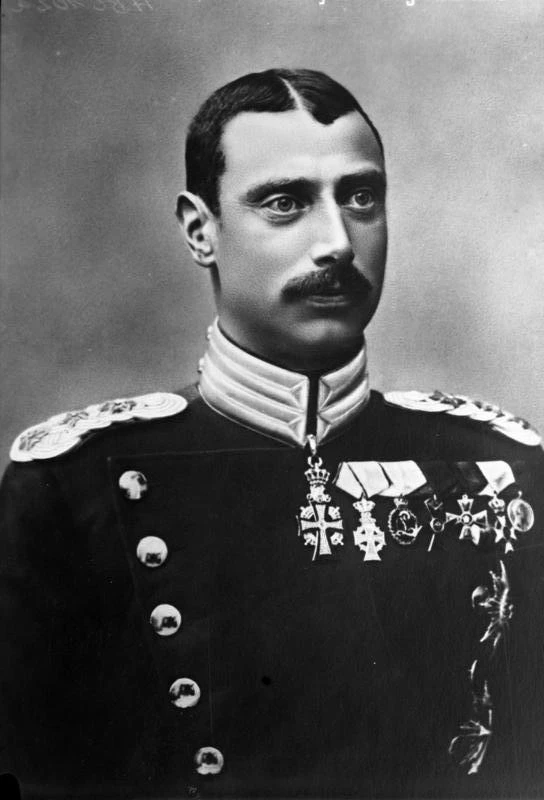
Christian X faces the ultimatum — 9 April
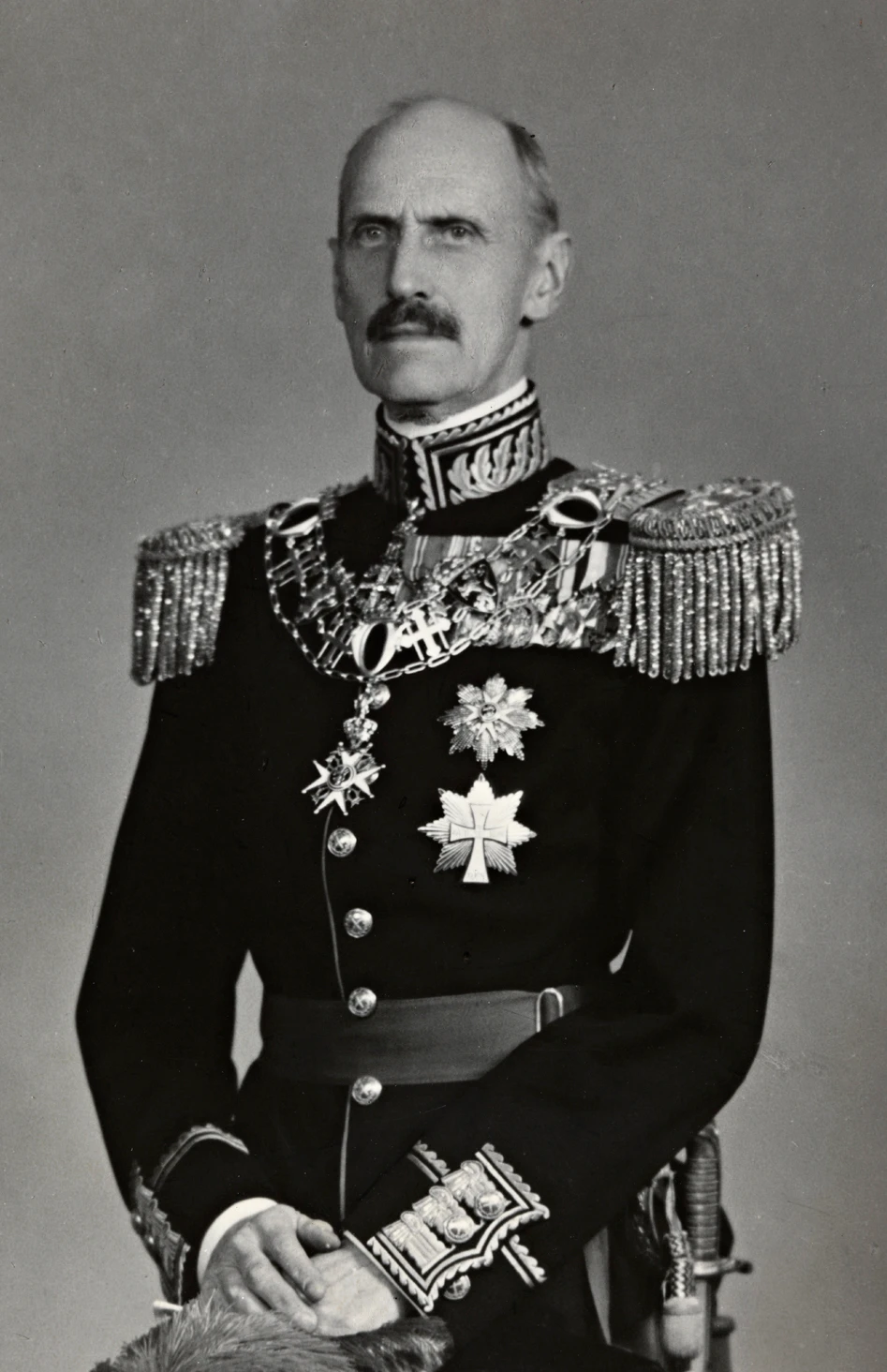
Haakon VII at Nybergsund — 10 April
Moscow Peace — Ryti at the Kremlin
Stalin at 60 — Hitler at the Kremlin
Anders in the Lubyanka
Kuusinen — Terijoki, 1 December
Reynaud against Daladier — February 1940
Ribbentrop in Moscow — the Accord of 28 September
Welles at the Palazzo Venezia
Chamberlain at Central Hall — 4 April
Christian X faces the ultimatum — 9 April