
Making oil from coal
Germany is critically short of oil: its wells cover only a small fraction of its needs, and the rest comes from overseas by a sea route that war will cut off immediately. Without fuel, the Wehrmacht grinds to a halt — tanks, aircraft, trucks, and ships all depend on it.
Two paths exist for drawing fuel from coal, which is plentiful in the Reich: the Fischer-Tropsch process and Bergius hydrogenation, older but proven.
Should the resources be concentrated on one of these processes to gain efficiency, or should both be pursued in parallel so as not to depend on any single technology?
On which process should Germany build its synthetic fuel production?
Germany developed both processes in parallel, with Bergius hydrogenation taking the leading role for the high-octane gasoline destined for aviation. The large plants (Leuna, Pölitz, Scholven) produced synthetic fuel from coal, and capacity peaked in 1944 before being crushed by Allied bombing aimed precisely at these installations. Without this synthetic fuel, German mobile warfare would have been impossible.
Learn more about this event
Related polls
10

Speer and the Germania trade-off
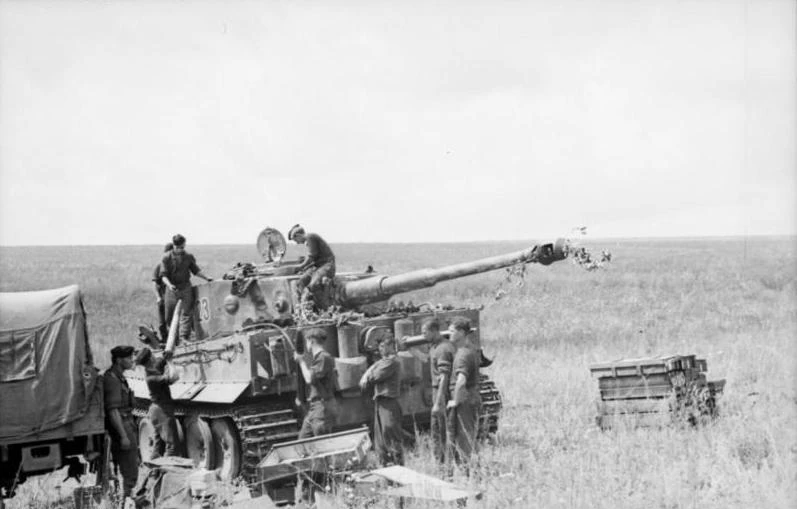
Krupp and the Beast's Cannon
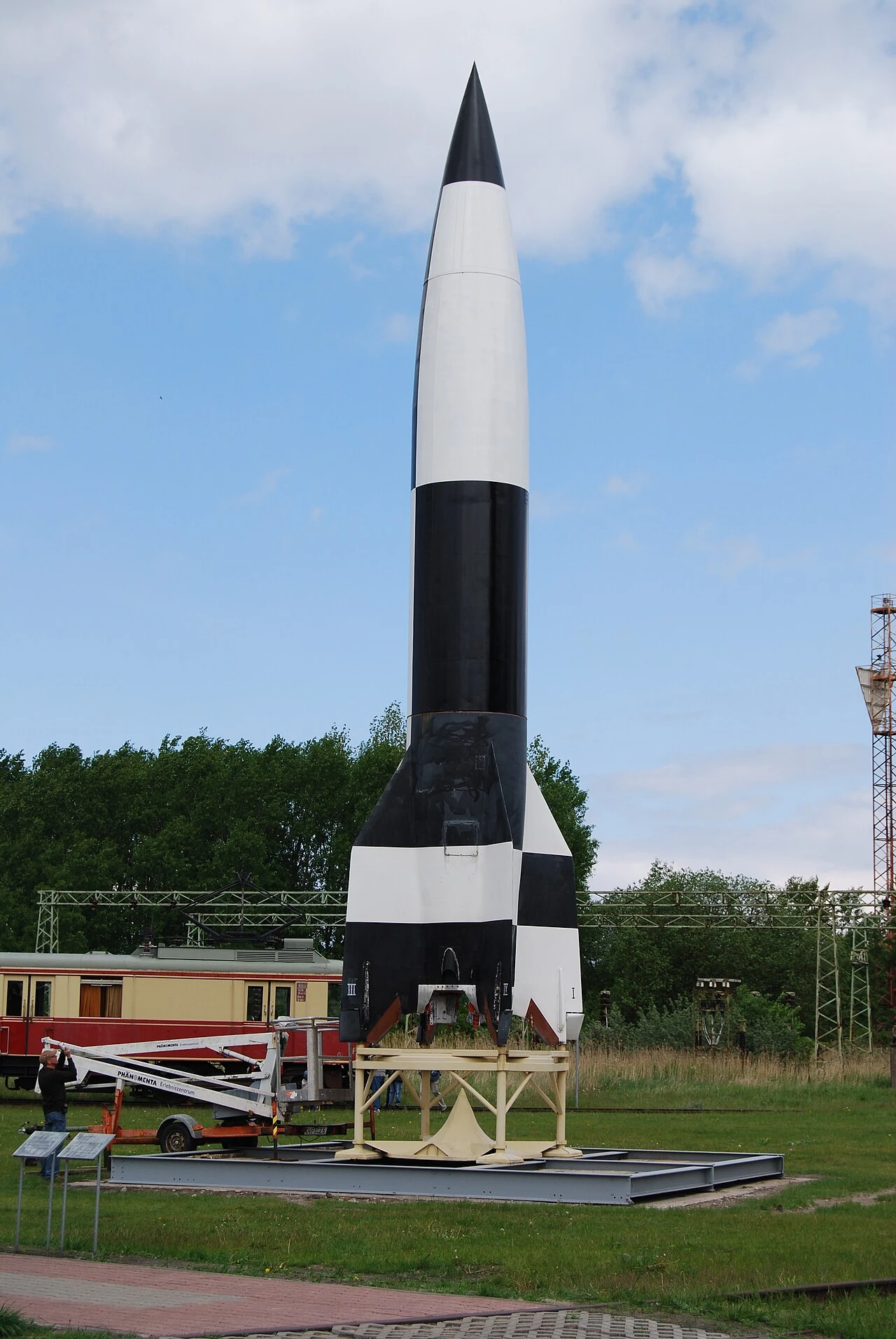
Peenemünde: producing before flying

The rubber that won't grow in the Reich
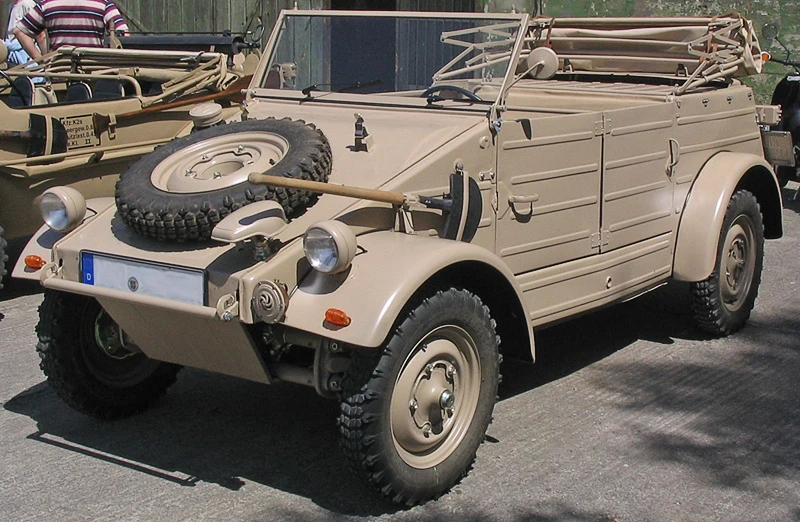
The People's Car Goes to War

The Karten: Rationing Germany at War
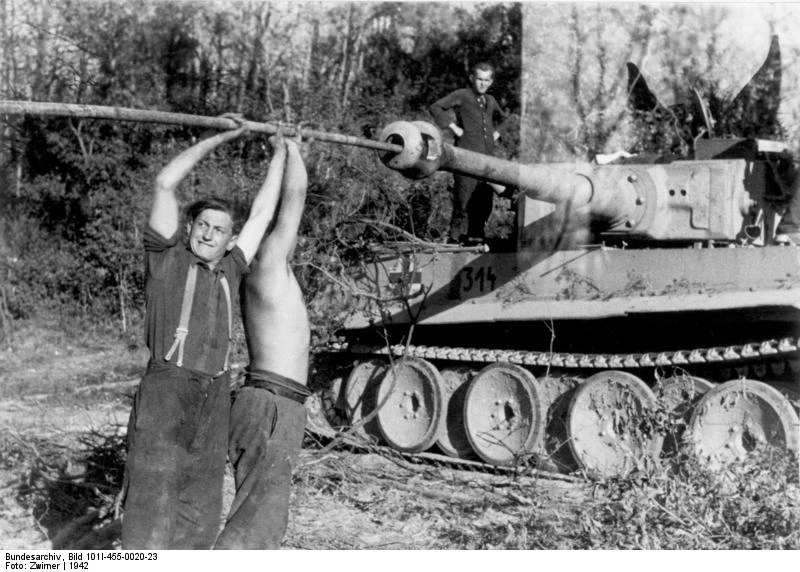
Two Factories, One Heavy Tank
Generalplan Ost — the Hunger Plan
The German "Uranverein": a priority refused
The gun that will have to do
Speer and the Germania trade-off
Krupp and the Beast's Cannon
Peenemünde: producing before flying
The rubber that won't grow in the Reich
The People's Car Goes to War
The Karten: Rationing Germany at War
Two Factories, One Heavy Tank
Generalplan Ost — the Hunger Plan
The German "Uranverein": a priority refused