
The coup of 27 March had made Hitler furious: he had sworn to 'destroy Yugoslavia' and to strike its capital 'with implacable harshness.' Belgrade, a city of some 350,000 inhabitants, was in the days that followed swollen by thousands of people who had come in from the surroundings for the Orthodox Easter festivities, and public rumour offered reassurance: the city was said to have been declared open, and therefore spared.
Our Belgraders lived through these days of uncertainty between patriotic exaltation — Hitler had been defied — and a muffled anguish at the announced invasion. The city's anti-aircraft defences were derisory, the Yugoslav air force scattered.
At dawn on 6 April 1941, without a declaration of war, the Luftwaffe unleashed Operation 'Punishment' (Strafgericht): waves of bombers swept over Belgrade. For the inhabitants, the question was immediate and without a good answer: try to flee the city by roads already jammed and strafed; huddle in cellars and makeshift shelters devoid of any serious protection; or reach the suburbs and countryside between waves, hoping to escape the successive raids.
Under the bombs of 6 April, what could the inhabitants of Belgrade do?
There was no safe way out. The bombing of Belgrade, carried out in waves over several days, ravaged the defenceless city centre: estimates of civilian dead vary considerably by source — from about 2,000 to more than 17,000 — for lack of a reliable count in the chaos of the invasion. The attack, designed first to sow terror and confusion, accompanied the ground offensive launched the same day from several directions. Yugoslavia, disorganised and undermined by its internal divisions, collapsed in less than two weeks; the armistice was signed on 17 April. The bombing of Belgrade, like those of Warsaw and Rotterdam before it, would remain one of the symbols of the war waged against cities and civilian populations.
Learn more about this event
Related polls
10
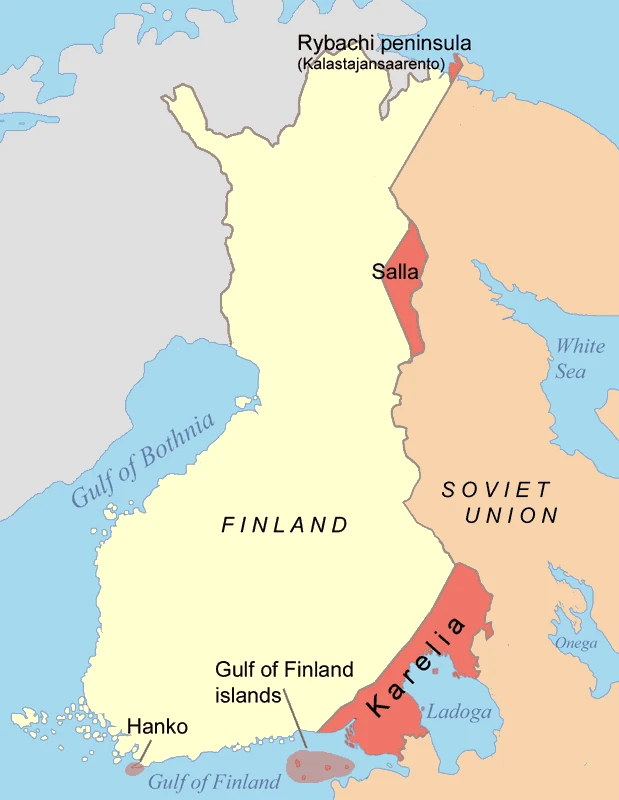
Helsinki under the bombs — 30 November
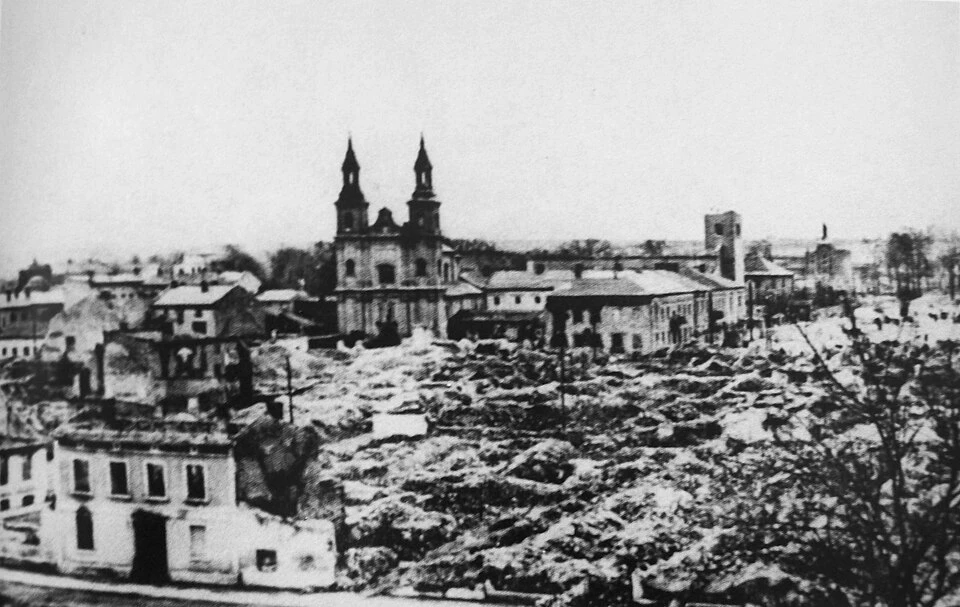
Wieluń at 04:40 — the first air strike
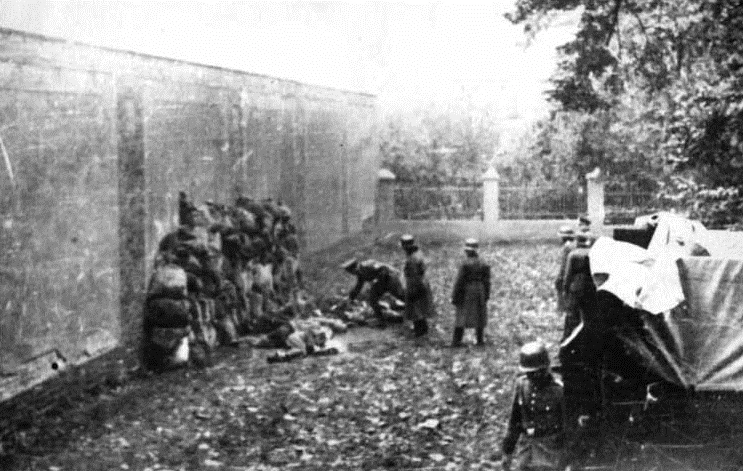
The Warsaw Ghetto — the ration of hunger
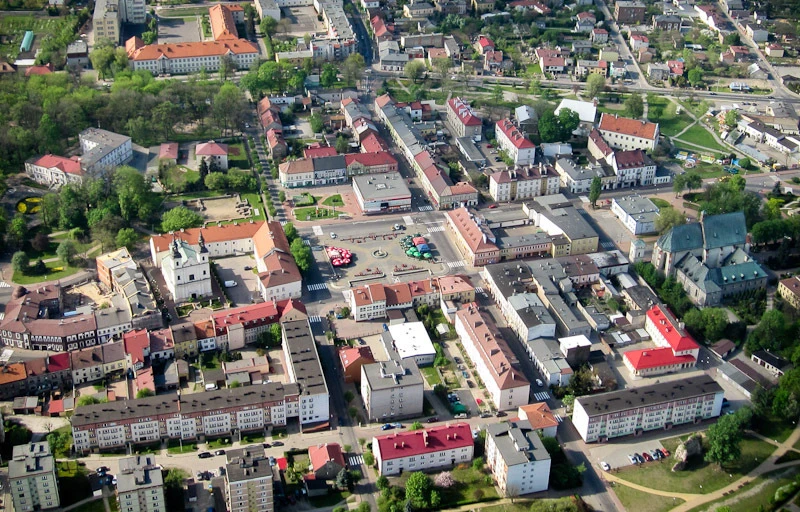
Wieluń, 4:40 a.m. — the first bomb of the war
The Belgrade medical student and the call of the Partisans
Coventry — the night of November 14
Czerniaków — the Warsaw ghetto sealed
Studying in the Warsaw Ghetto
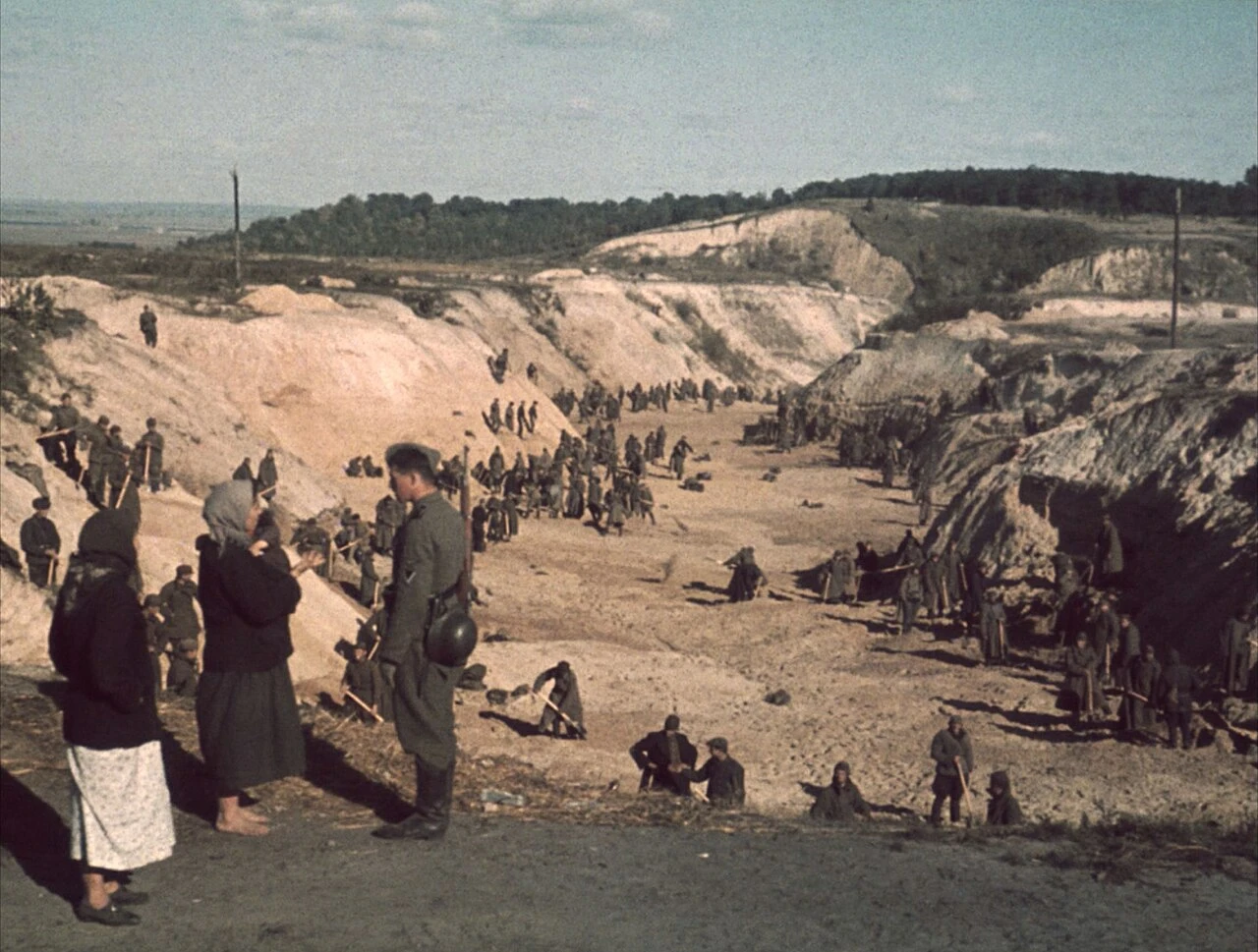
Kiev, 29 September 1941: The Posted Notice
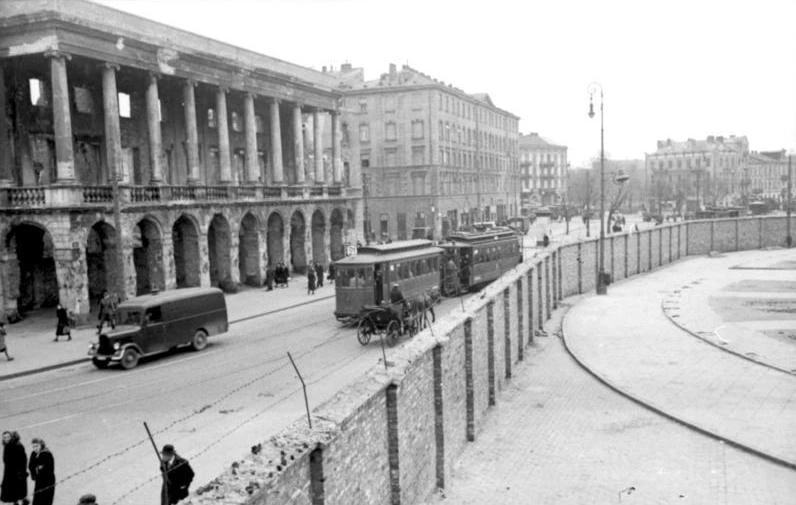
The Warsaw Ghetto — the temptation of informing
Helsinki under the bombs — 30 November
Wieluń at 04:40 — the first air strike
The Warsaw Ghetto — the ration of hunger
Wieluń, 4:40 a.m. — the first bomb of the war
The Belgrade medical student and the call of the Partisans
Coventry — the night of November 14
Czerniaków — the Warsaw ghetto sealed
Studying in the Warsaw Ghetto
Kiev, 29 September 1941: The Posted Notice