
Weserübung — directive of 1 March
Operation Weserübung — the invasion of Denmark and Norway — has been in preparation since December 1939 at the instigation of Admiral (chief of the Kriegsmarine) and (who had received in Berlin). The aims are at once to secure Swedish iron ore (the port of Narvik supplies 40% of German steel), to forestall a pre-emptive Allied intervention (the Hankey-Weygand plan exists in London and Paris), and to extend the Kriegsmarine's naval bases for the Battle of the Atlantic.
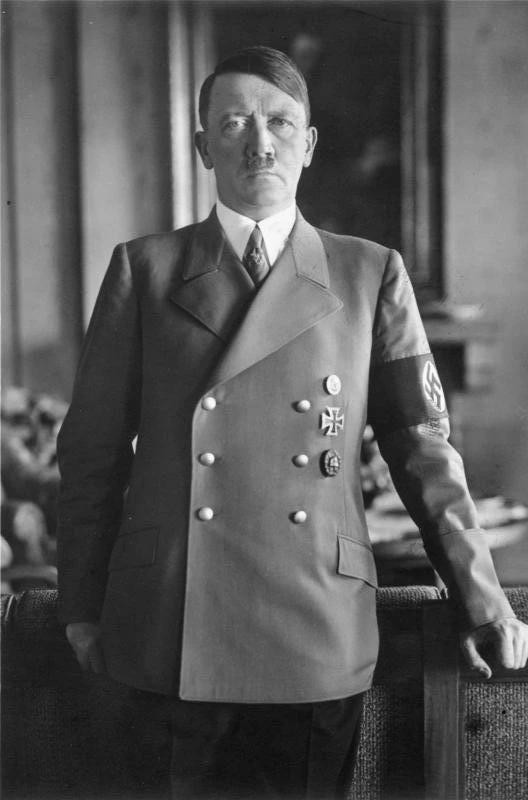
The Altmark incident of February 1940 — a German vessel intercepted in Norwegian waters by the Royal Navy — has demonstrated Norway's inability to enforce her neutrality. Hitler signs the Weserübung directive on 1 March 1940. Planned trigger date: 9 April 1940, to forestall an Allied intervention projected for 5 April. Command goes to General of Infantry , who will have 6 infantry divisions and 2 mountain divisions, escorted by 9 destroyers and 7 cruisers, the whole supported by a Luftwaffe contingent of about a thousand aircraft.
The operation combines amphibious assault (Trondheim, Bergen, Stavanger), parachute drops (Oslo, Stavanger Sola) and a land advance from the German border into Denmark. It is the first major combined-arms maritime-airborne operation of the war. Hitler must arbitrate between Weserübung and Fall Gelb (the western offensive), both within the same time window.
How does Hitler arbitrate between Weserübung and Fall Gelb?
Hitler chooses A. Weserübung is launched on 9 April, Fall Gelb a month later on 10 May. Operational coordination passes through , chief of OKW operations. The sequence proves strategically effective: Weserübung absorbs the Royal Navy's attention in the north and forces the Allies to commit forces to Norway (April-June 1940), while Fall Gelb drives west unhindered. The result of Weserübung is striking: Denmark capitulates in six hours, and Norway falls in 62 days. But the operation pays a heavy price: Norway will require 12 German garrison divisions for the rest of the war, and the Kriegsmarine loses 10 destroyers and 3 cruisers at Narvik in April-June 1940 — losses it will never recover. Falkenhorst remains commander-in-chief in Norway until 1944. Tried after the war by the British, sentenced to death in 1946, the sentence is commuted to 20 years, released in 1953. Dies in 1968.
Learn more about this event
Related polls
10
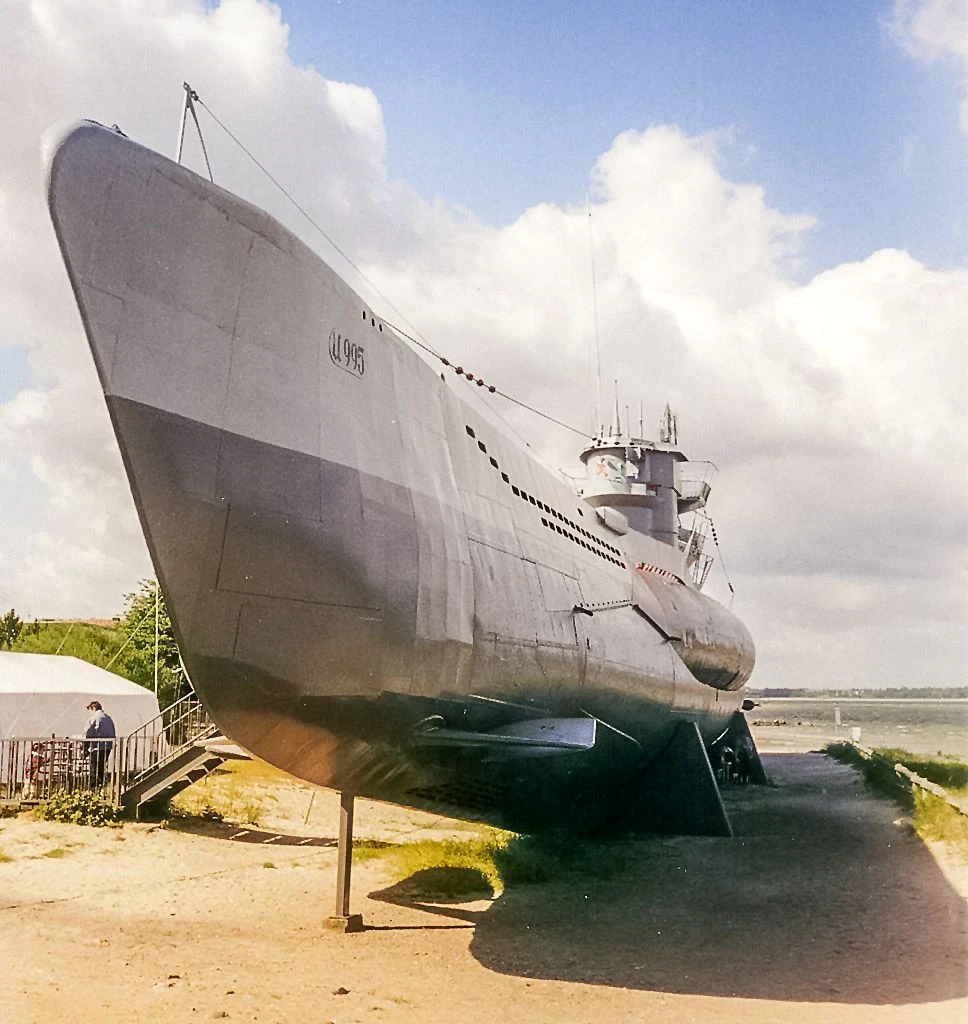
Dönitz at Sengwarden — the winter pause
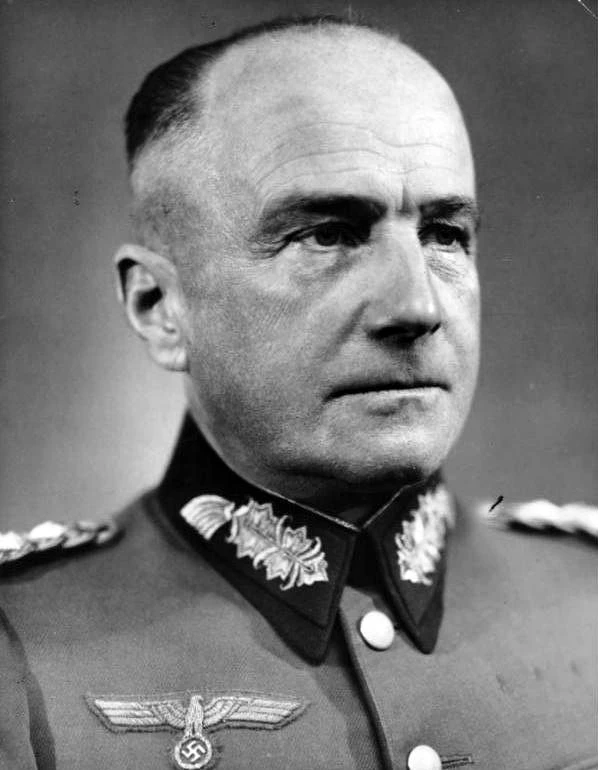
Brauchitsch — Reich Chancellery, 5 November
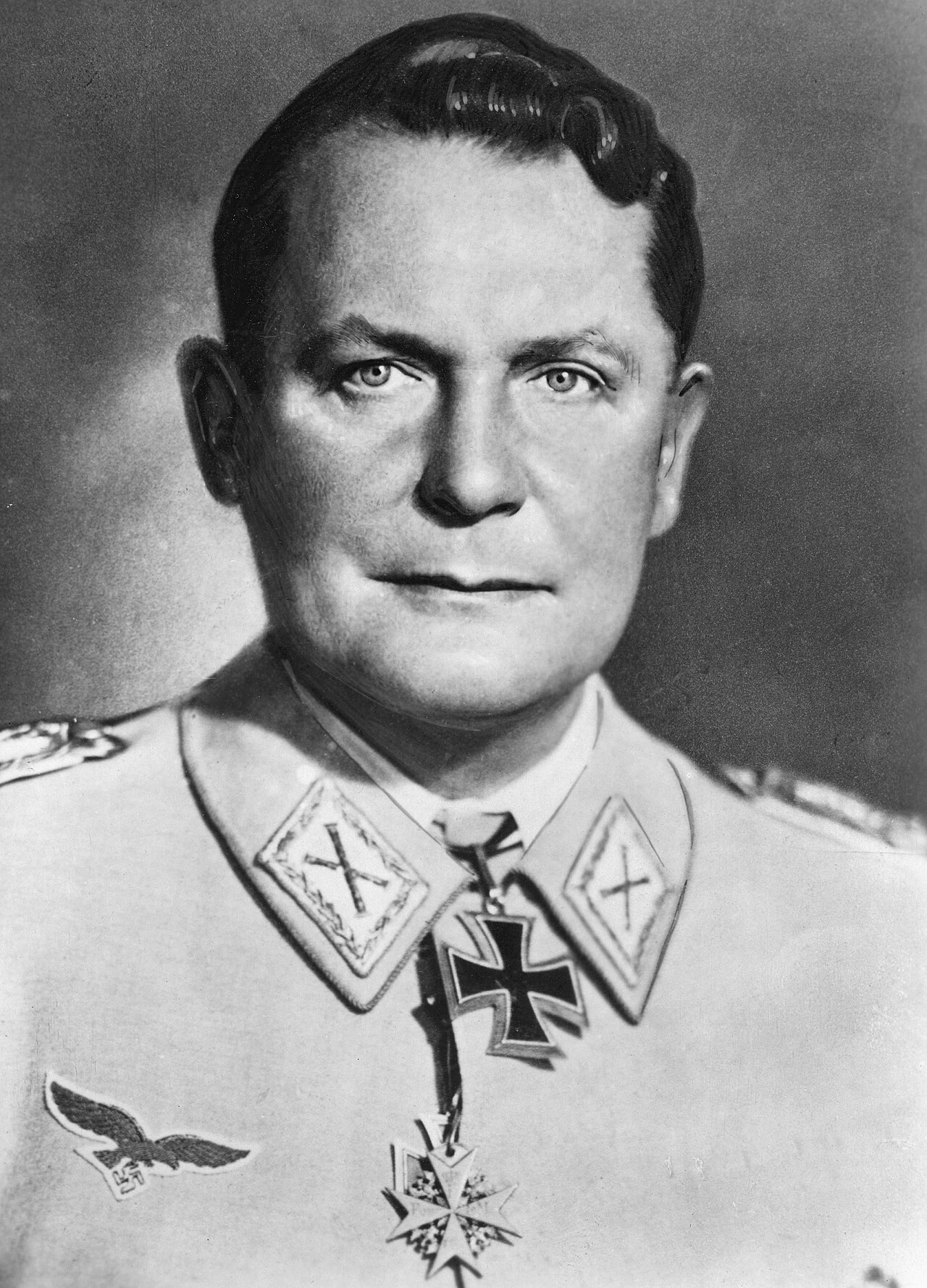
Goering at Carinhall — the promise to Hitler
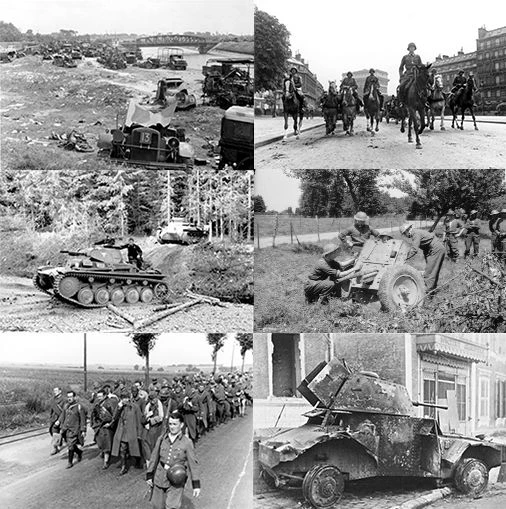
Hitler and Fall Gelb — 29 postponements
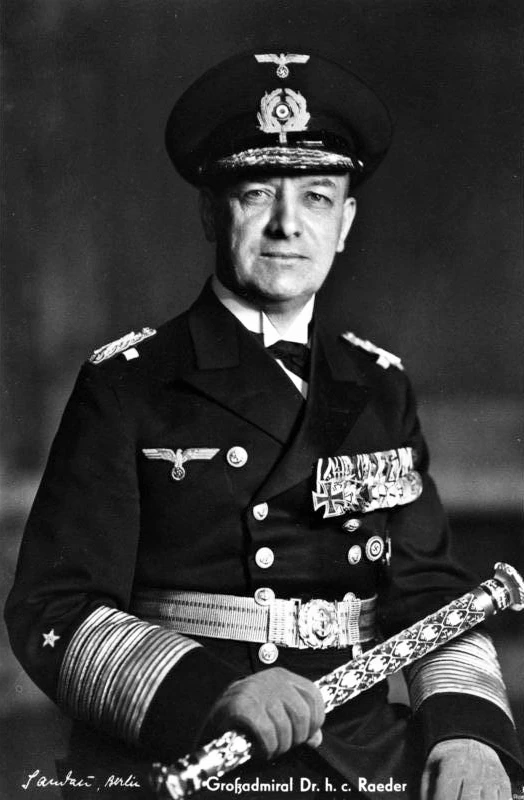
Raeder and the Seelöwe gamble
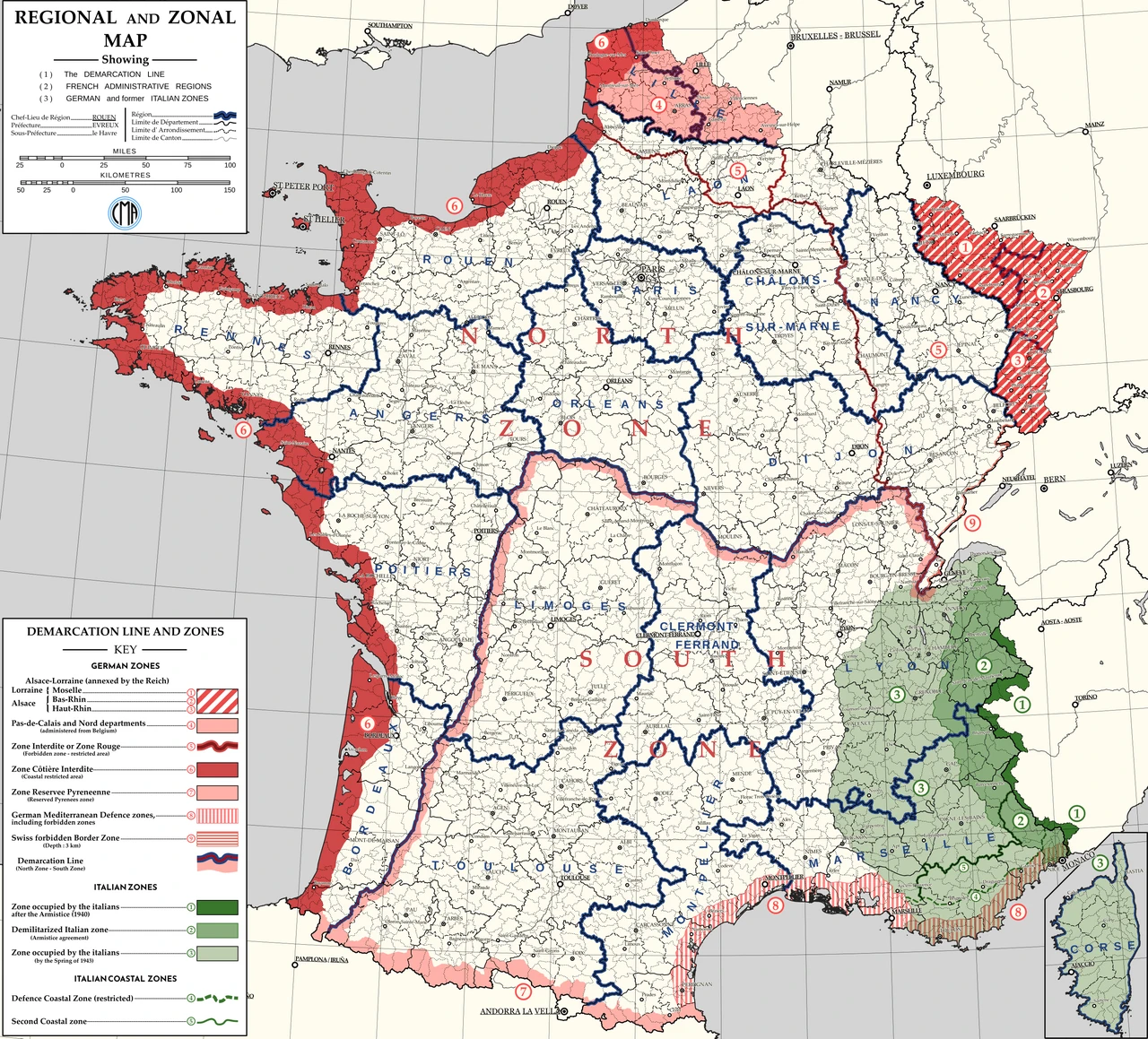
Wiesbaden — Tracing the Demarcation Line
Gibraltar after the rebuff at Hendaye
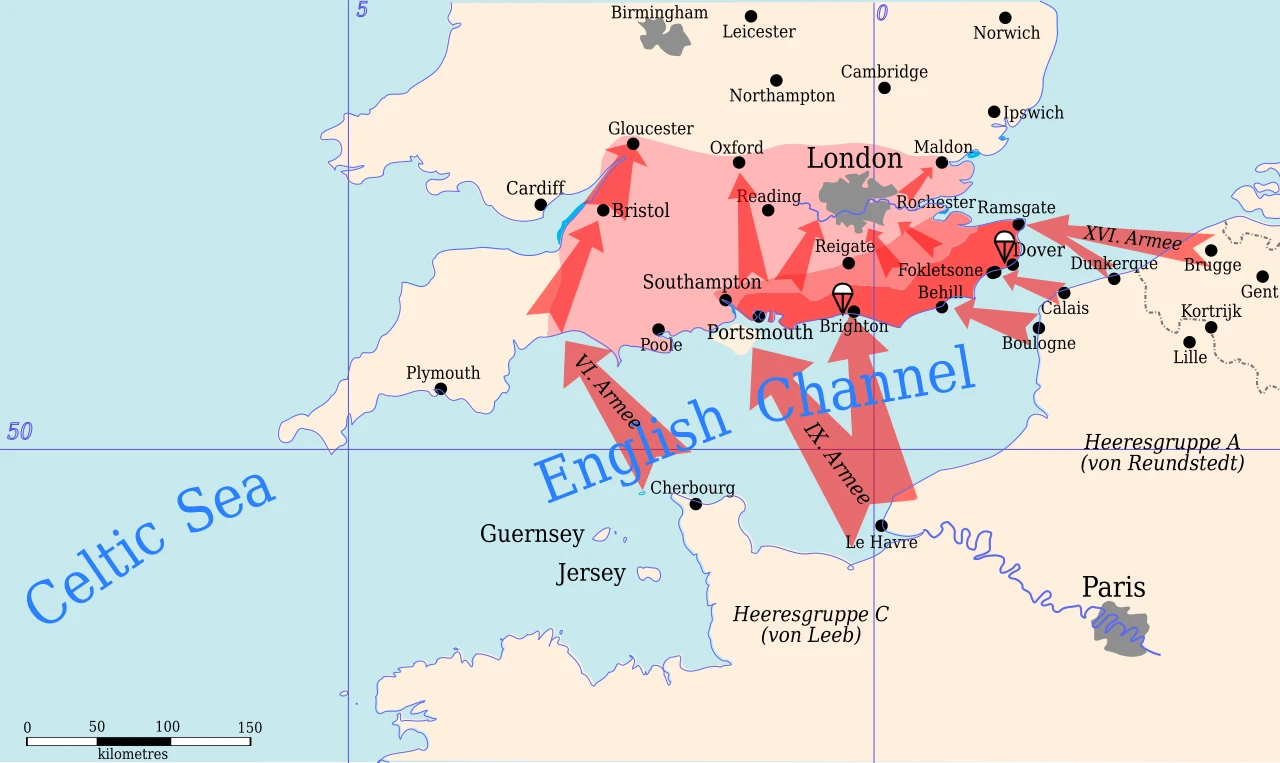
Hitler faces Sea Lion — September 17
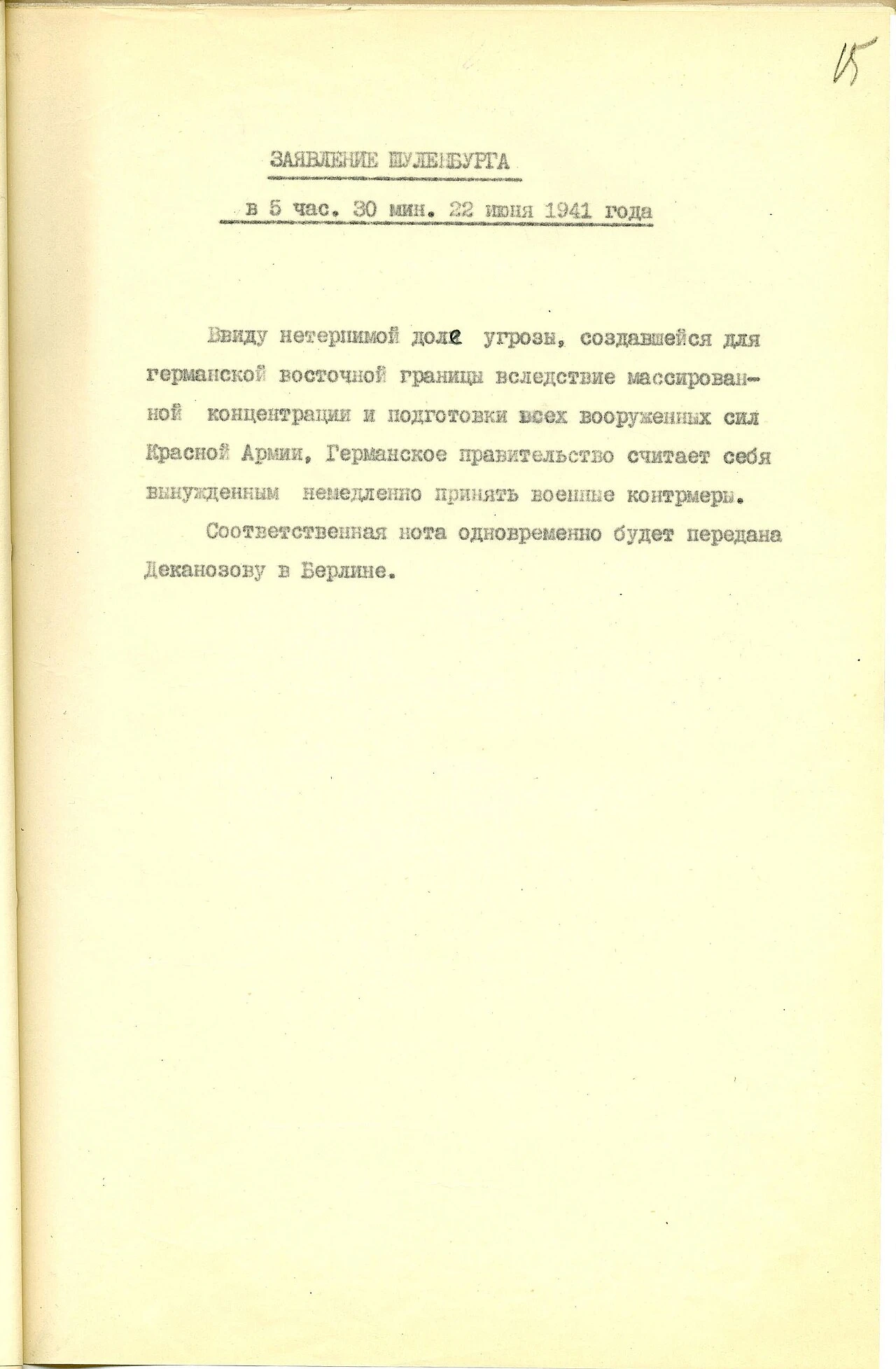
Hitler — the Eve of Barbarossa
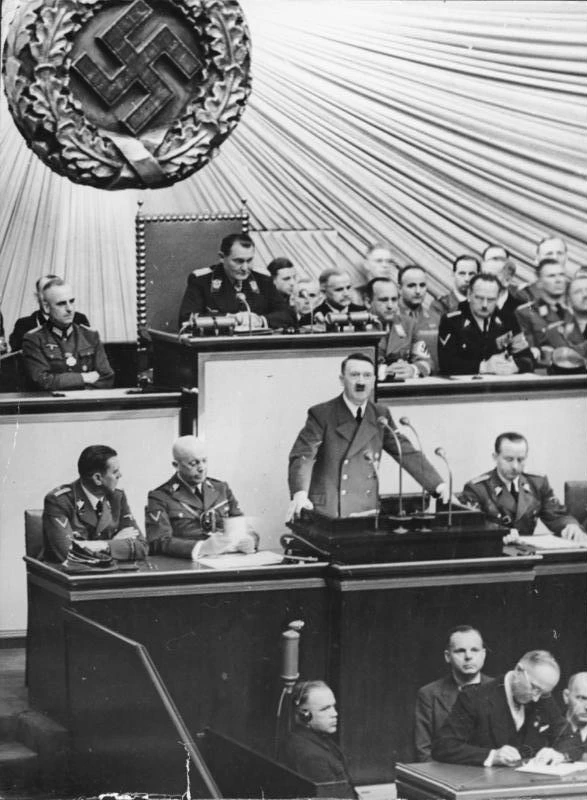
Hitler — the Reichstag Speech
Dönitz at Sengwarden — the winter pause
Brauchitsch — Reich Chancellery, 5 November
Goering at Carinhall — the promise to Hitler
Hitler and Fall Gelb — 29 postponements
Raeder and the Seelöwe gamble
Wiesbaden — Tracing the Demarcation Line
Gibraltar after the rebuff at Hendaye
Hitler faces Sea Lion — September 17
Hitler — the Eve of Barbarossa