
Amba Alagi — the Duke of Aosta encircled
The East African campaign was drawing to a close. Caught in a pincer between Platt's offensive from Sudan and Cunningham's from Kenya, the vast Italian empire of Ethiopia, Eritrea and Somalia had collapsed: Addis Ababa had fallen in early April. The Viceroy , Duke of Aosta, had withdrawn with the last squares of his troops onto the Amba Alagi massif, a peak of over 3,000 metres at the heart of a cirque of mountains, a position the Italians themselves had had difficulty in storming in 1936.
The Duke of Aosta, a soldier respected even by his adversaries, gauged the gravity of his situation: encircled, short of water, food and ammunition, with no hope of relief, his men — Italians and Ascaris — had been resisting converging assaults for weeks. Each passing day ate further into his reserves.
The Viceroy had to decide on the outcome: fight to the last man for the honour of Italian arms; negotiate a surrender 'with the honours of war' to spare his soldiers; or attempt a desperate breakout toward the last Italian redoubts still held further south.
Should the Duke of Aosta fight to the last or capitulate?
The Duke of Aosta chose C, judging that to continue the fight could only multiply useless losses. On 19 May 1941, he capitulated at Amba Alagi; the British, in homage to the tenacity of the defence, granted him the honours of war — his troops marched under arms past a guard presenting arms before laying down their own. His surrender marked the end of most of Italian East Africa, conquered by the Italians five years earlier; the last redoubts (Gondar) would fall in November 1941, and the Emperor , returned in May, regained his throne. The Duke of Aosta, taken prisoner, would die of illness in captivity in Kenya in 1942. The East African campaign is one of the first major Allied land victories and lastingly secured the Red Sea.
Learn more about this event
Related polls
10
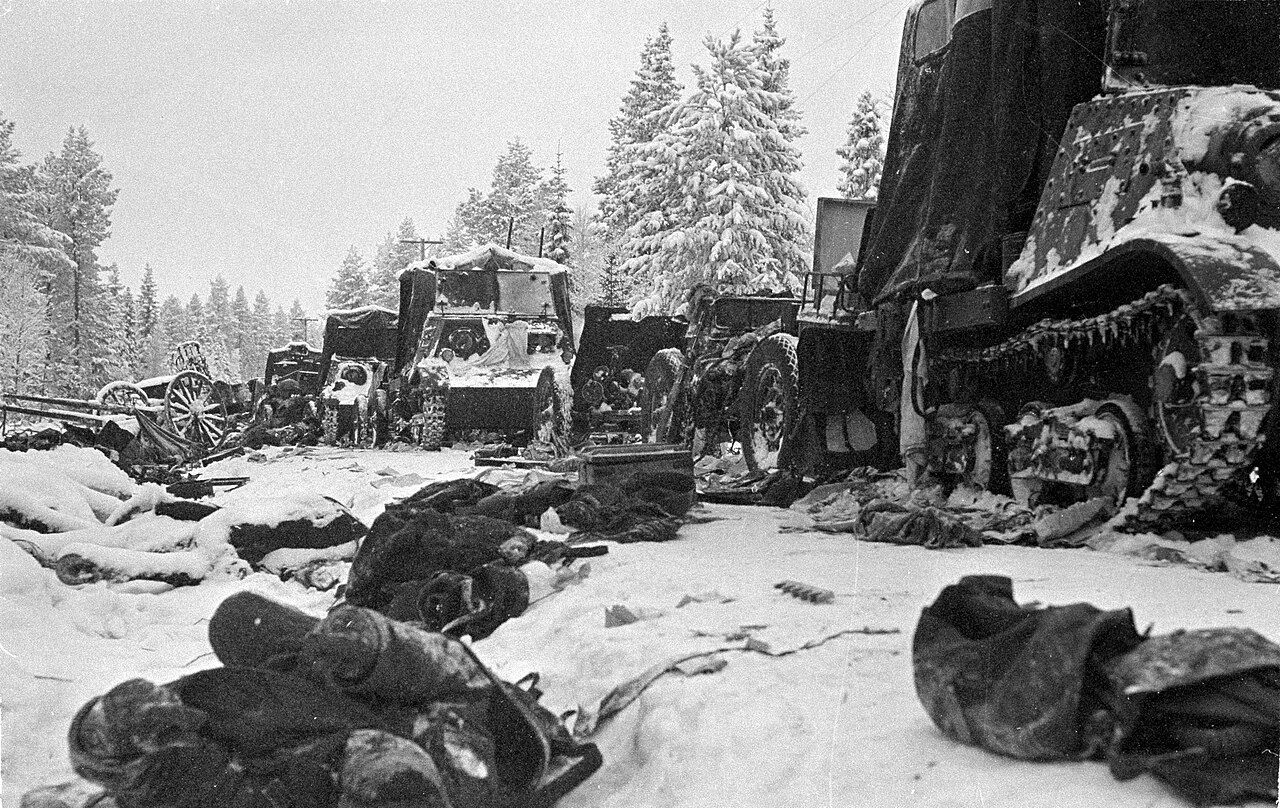
Raate — Vinogradov on the frozen road
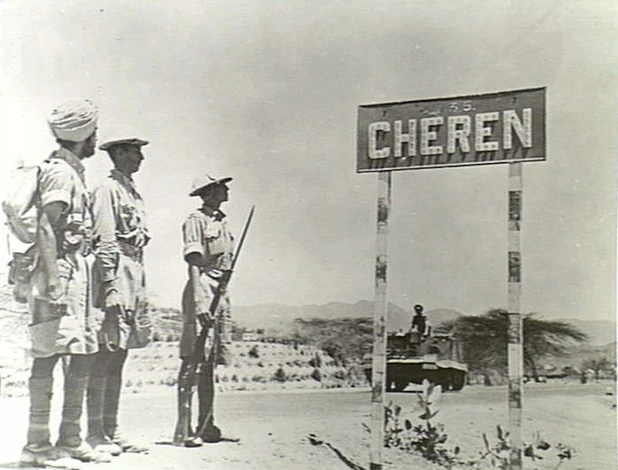
The Battle of Keren — Eritrea
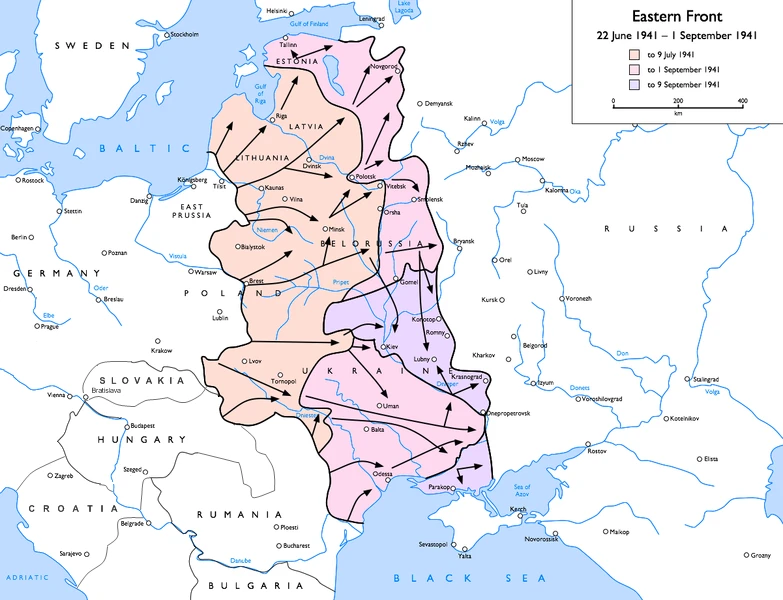
Brest — the Encircled Fortress
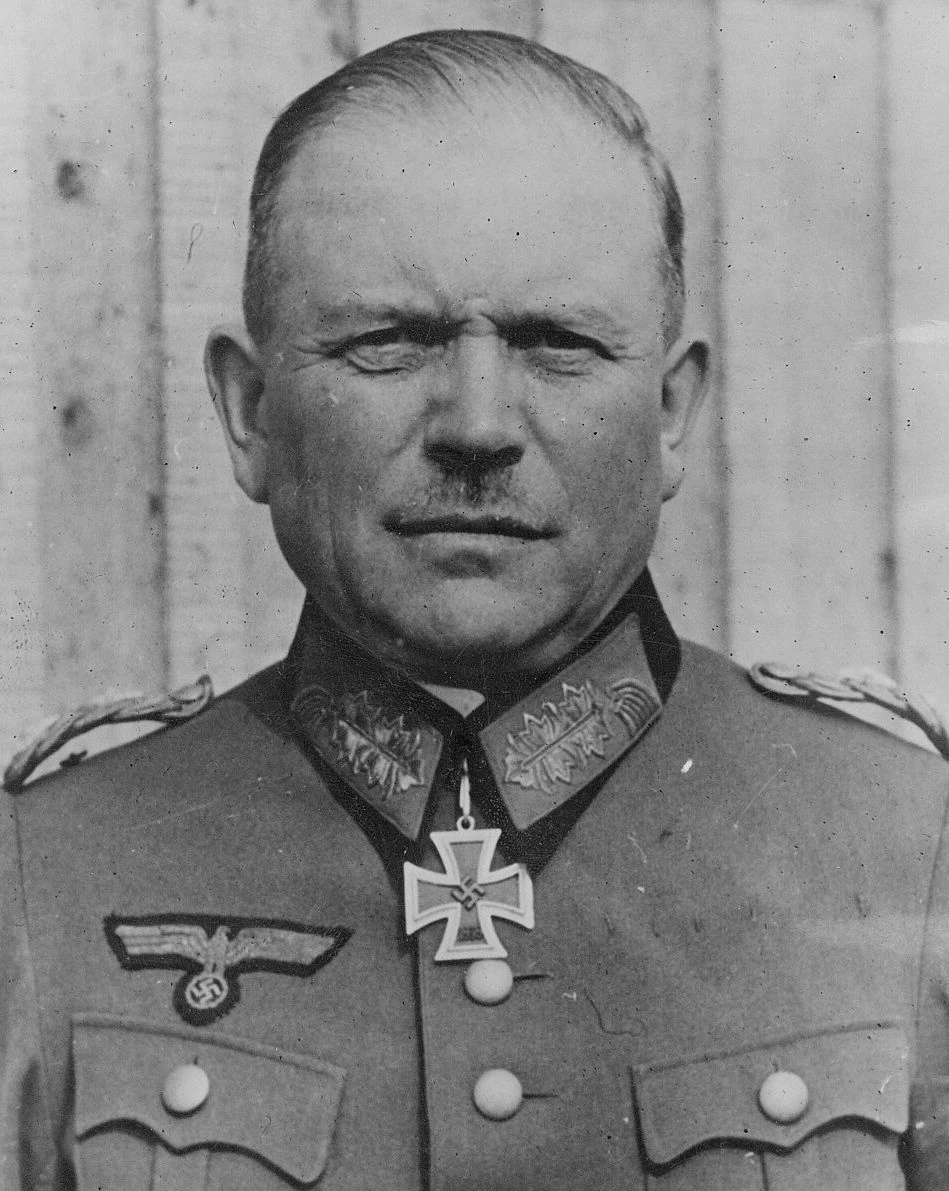
Brześć — Plisowski faces Guderian
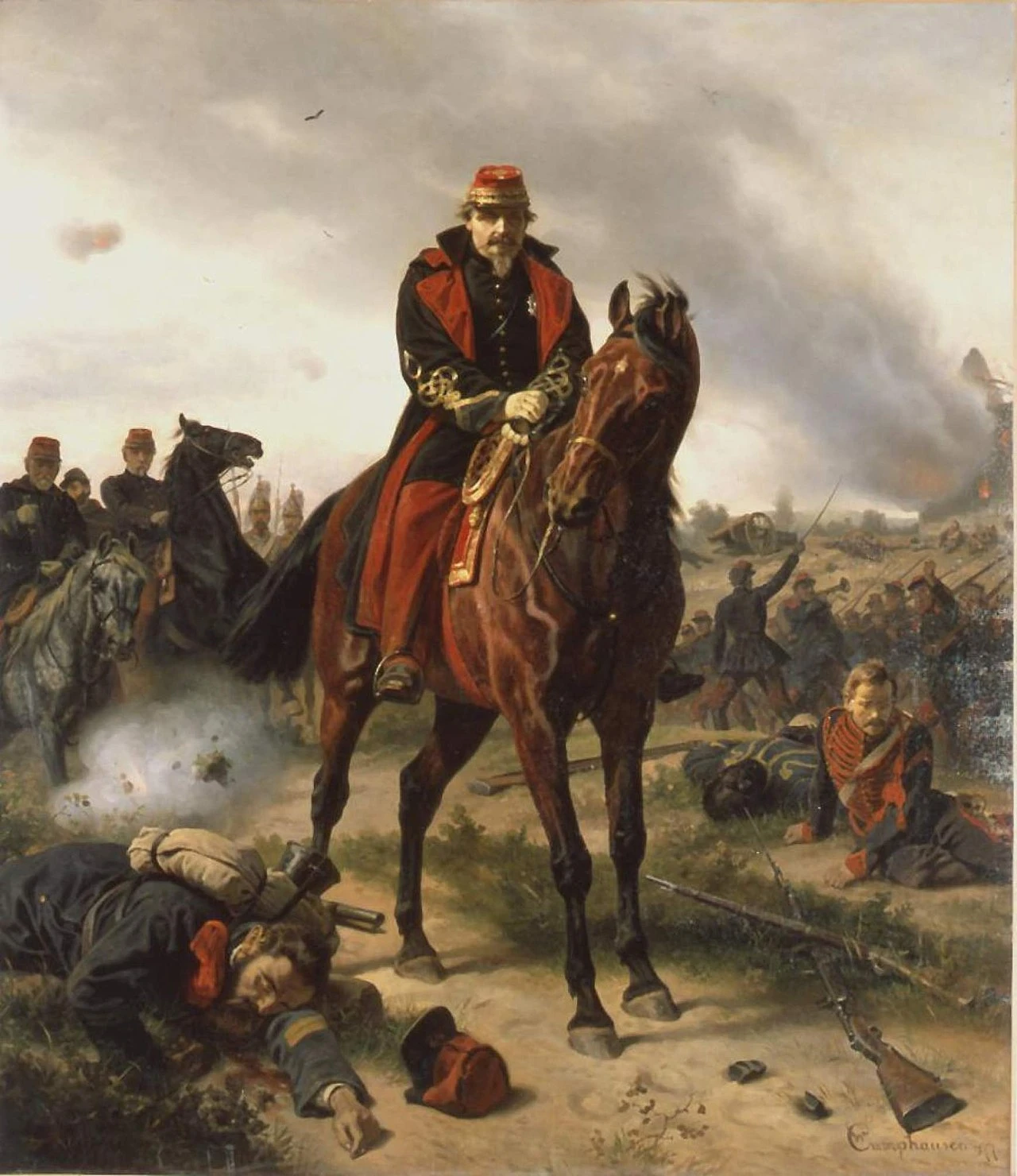
Bulson — Lafontaine and the 02:00 rumour
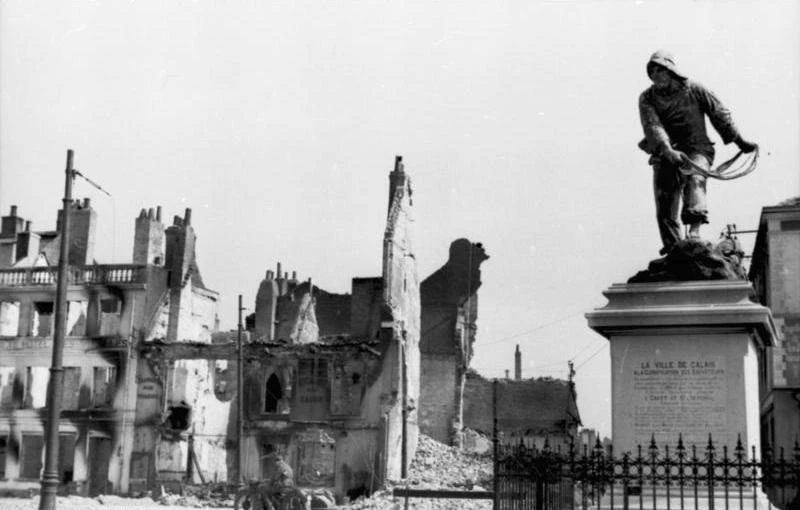
Calais — Nicholson facing the ultimatum
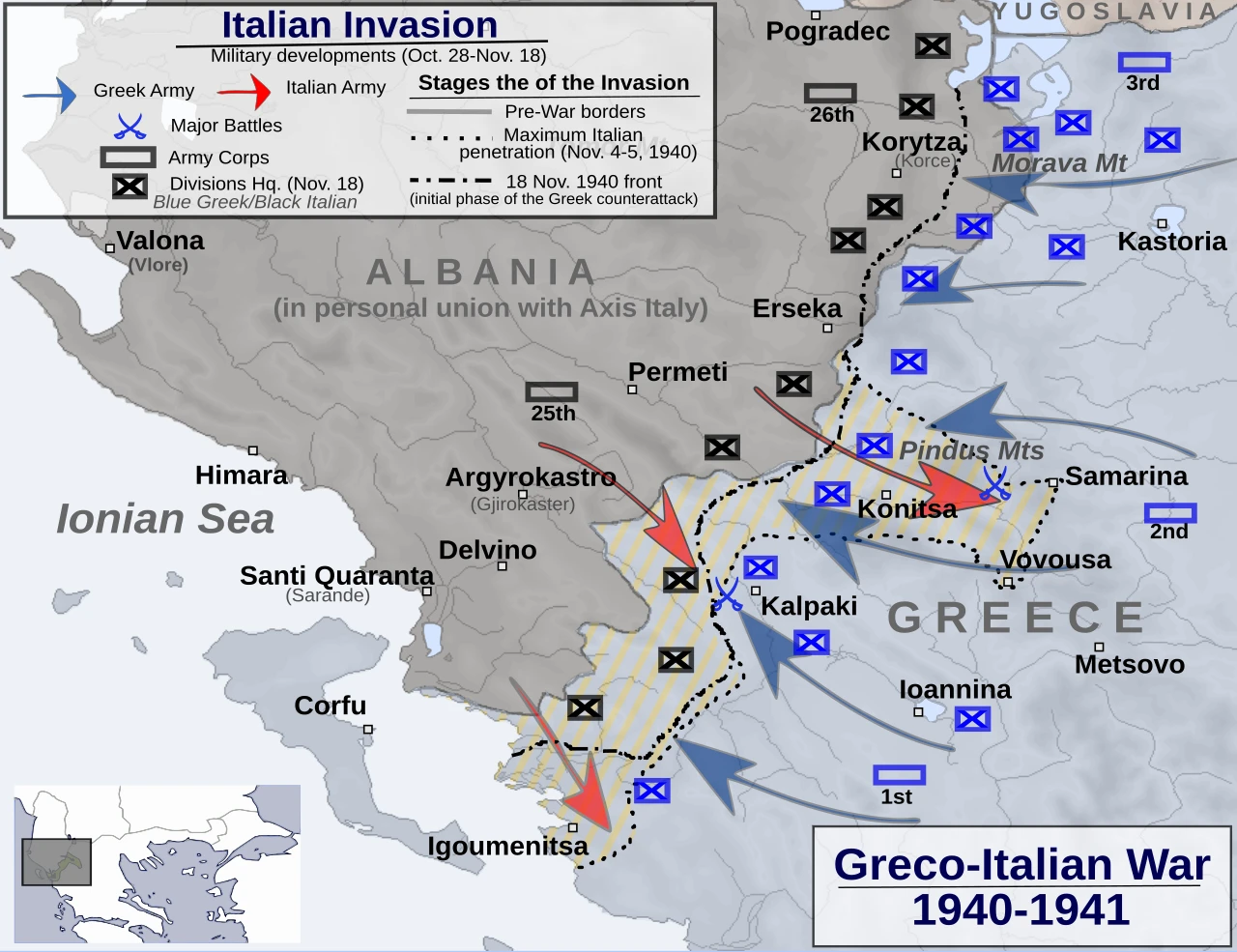
Davakis in the Pindus
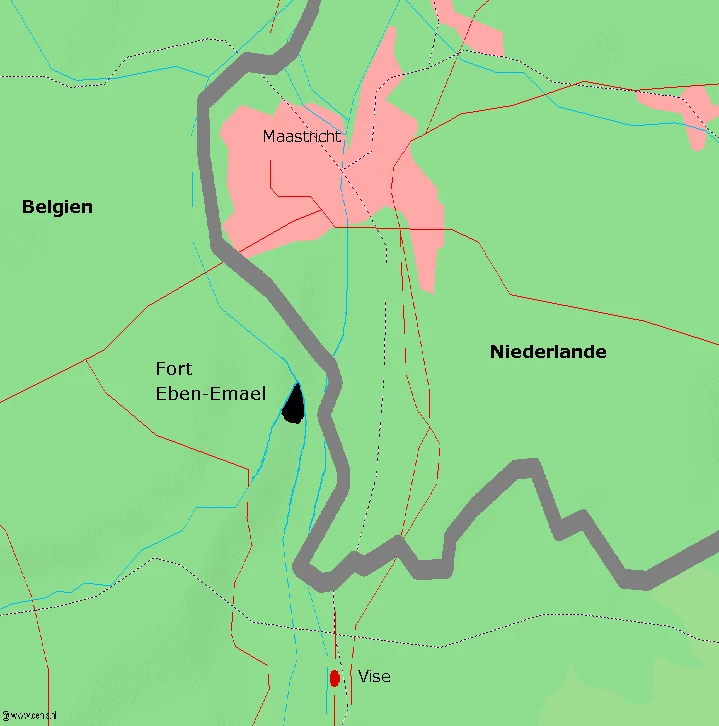
Eben-Emael — Jottrand under the explosions
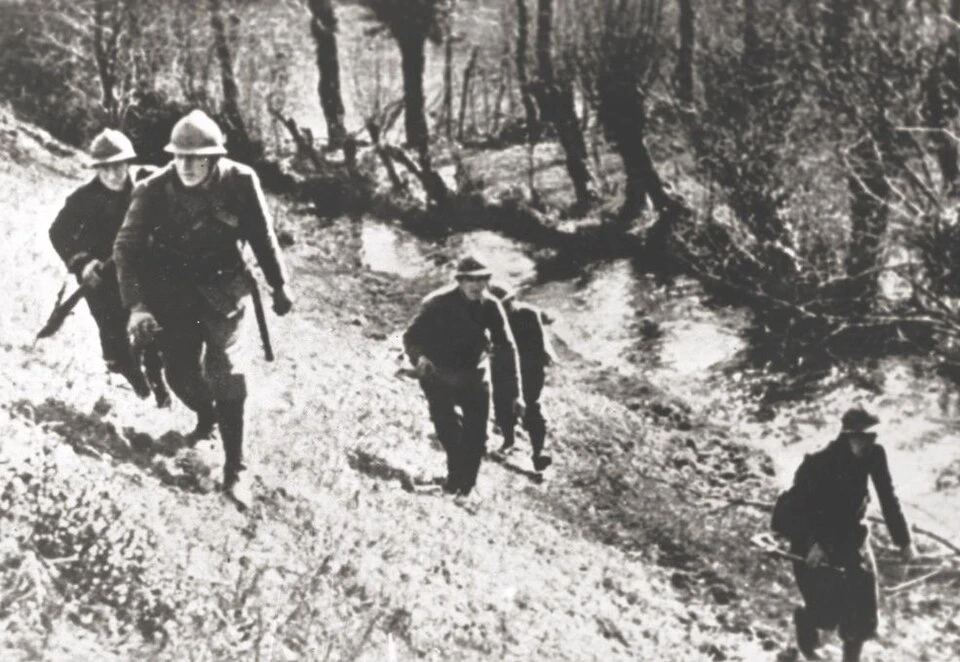
Kock — Kleeberg on the morning of 6 October
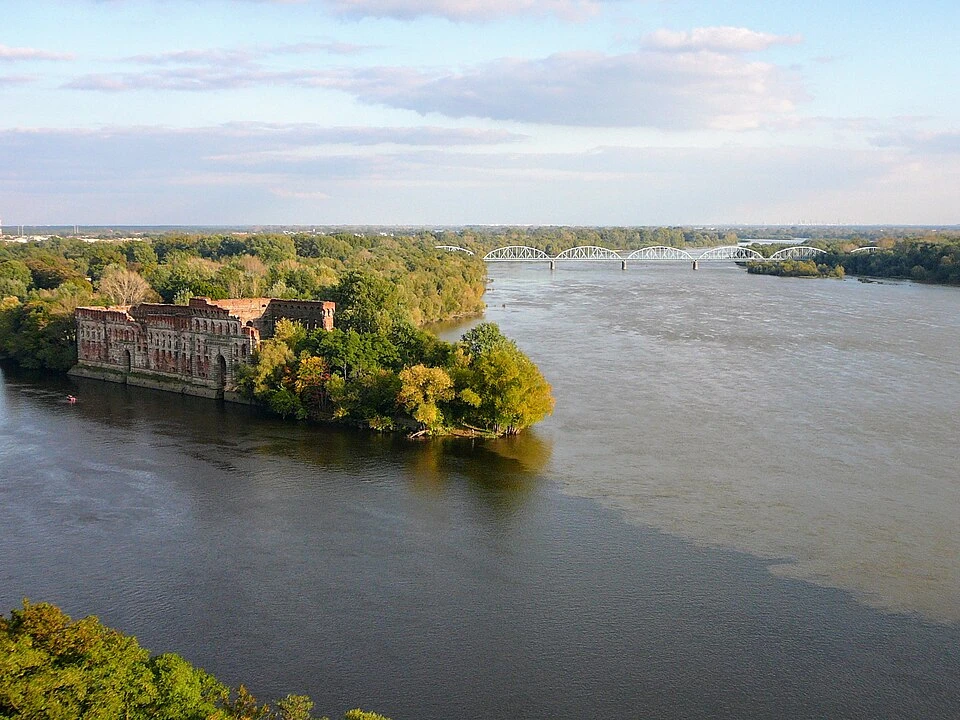
Modlin — Thommée at the last fortress
Raate — Vinogradov on the frozen road
The Battle of Keren — Eritrea
Brest — the Encircled Fortress
Brześć — Plisowski faces Guderian
Bulson — Lafontaine and the 02:00 rumour
Calais — Nicholson facing the ultimatum
Davakis in the Pindus
Eben-Emael — Jottrand under the explosions
Kock — Kleeberg on the morning of 6 October