
Guderian before Tula, October 1941
In late October 1941, your armor has devoured the distances from Oryol, advancing up the great highway that leads to Moscow from the south. Before you rises Tula, an old city of gunsmiths, an industrial bastion and a road junction that commands the entire southern approach to the Soviet capital. To take it is to open the last gate before Moscow and to threaten Zhukov's rear. To leave it behind is to expose a long flank.
But the momentum of Operation Typhoon is faltering. The rasputitsa, those autumn mudslides, has bogged down the columns; the worn-out tanks lack fuel and parts, the infantry trails far behind, and the nights already herald the deadly frost. Before you, the city is not empty: armed workers' militias, anti-aircraft batteries leveled at ground height, NKVD units and the remnants of the Red Army are entrenched there with fierce resolve.
Every day lost is a day handed to the enemy to recover, but every hasty assault wears down an armored capital already eroded. The calculus of tempo against that of caution weighs upon your shoulders with all its force. The order you give now will seal the fate of your southern wing.
What order do you give before Tula in this late October 1941?
On 30 October 1941, Guderian ordered an immediate frontal assault with the lead elements of his XXIV Panzer Corps, including the 3rd Panzer Division. The attack was broken by Tula's improvised defense: a workers' regiment, anti-aircraft batteries depressed for direct fire, NKVD troops and Soviet anti-aircraft artillery. Having failed to seize the city at the outset, Guderian had to attempt to bypass it in November, without success, his armor exhausting itself in the cold and the mud. Tula held throughout the winter, protected Moscow's southern flank and became an anchor point of the Soviet counter-offensive of December 1941. The city later received the title of Hero City.
Learn more about this event
Related polls
10
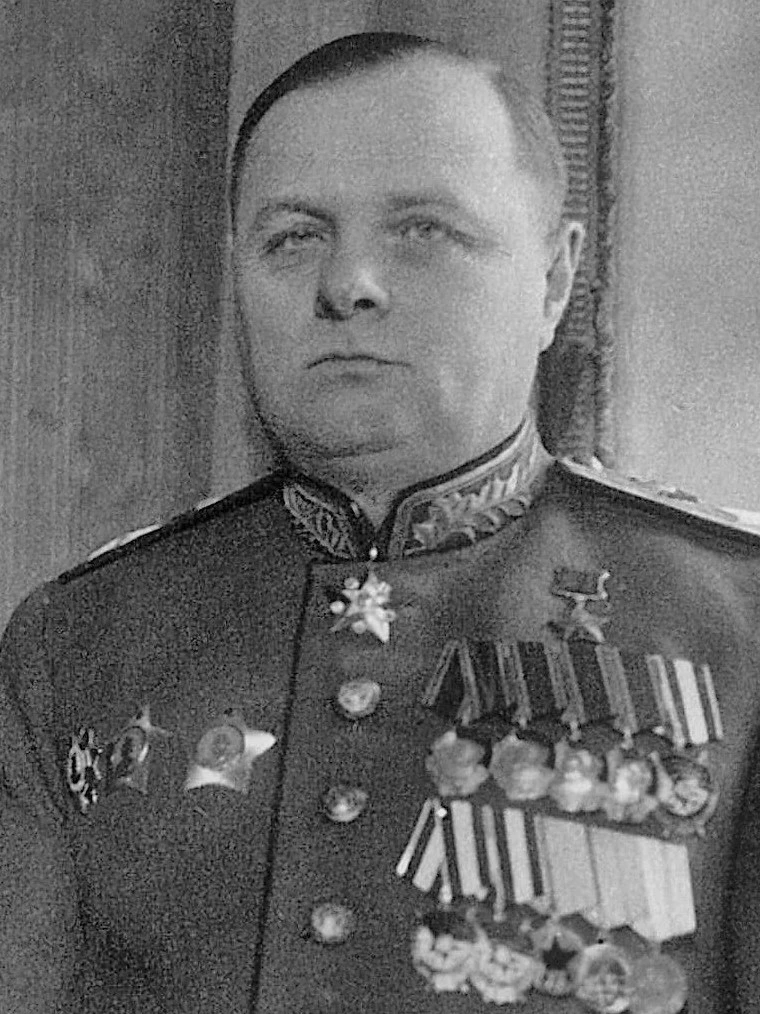
Tikhvin, November 1941: Leningrad's Last Artery
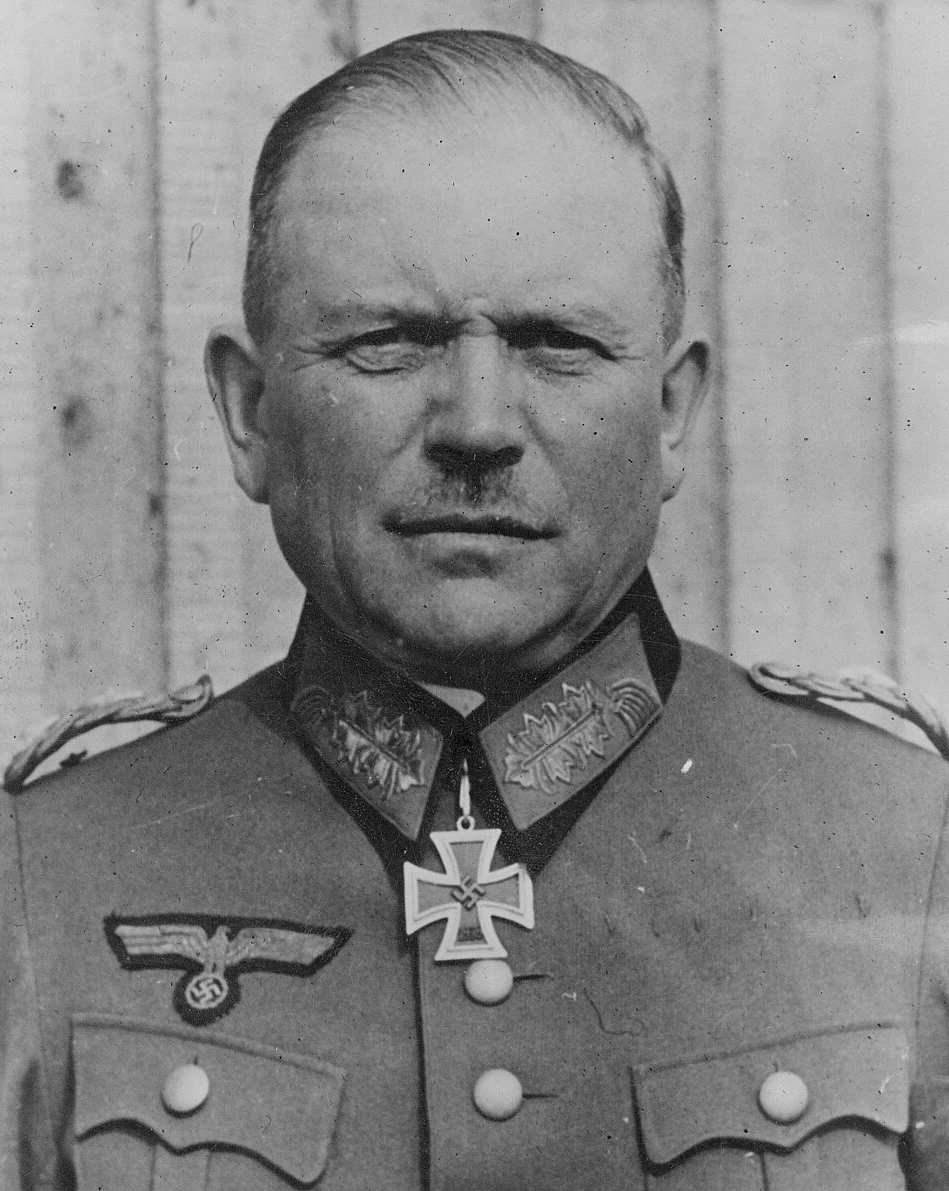
The Mud, the Winter and the Road to Moscow
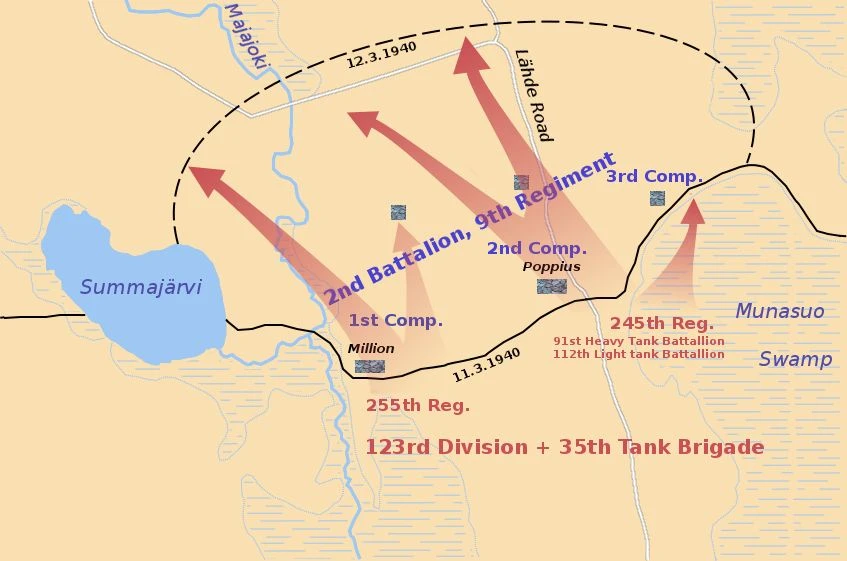
Lähde — Yakovlev against the Mannerheim bolt
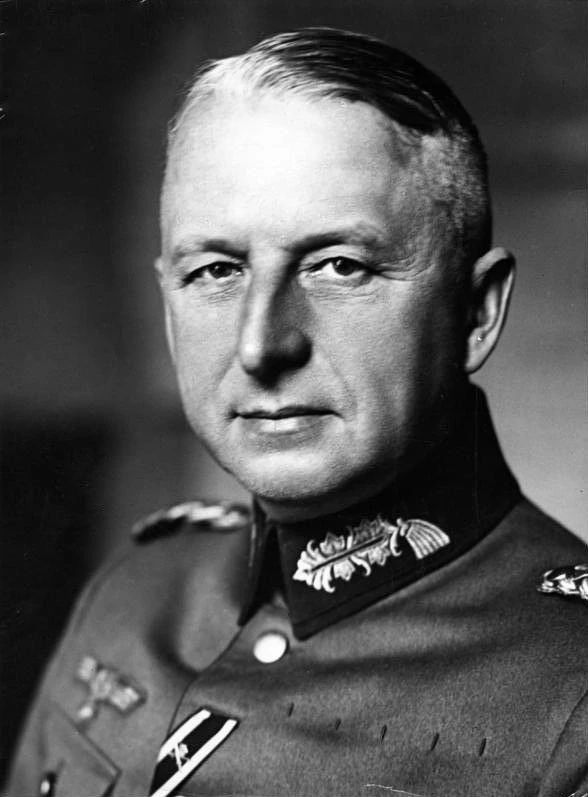
Perekop: the Iron Gate of Crimea
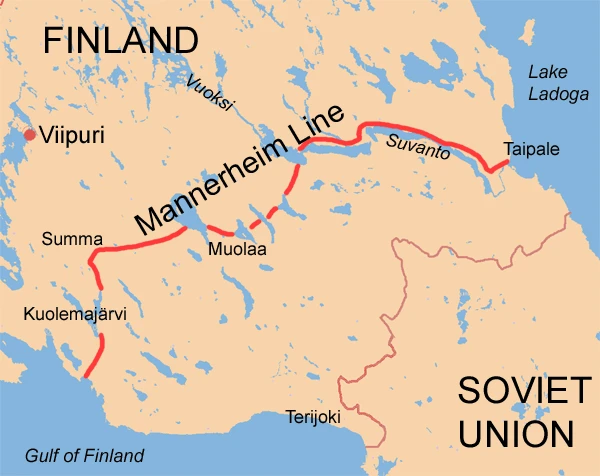
Timoshenko at Summa — 11 February
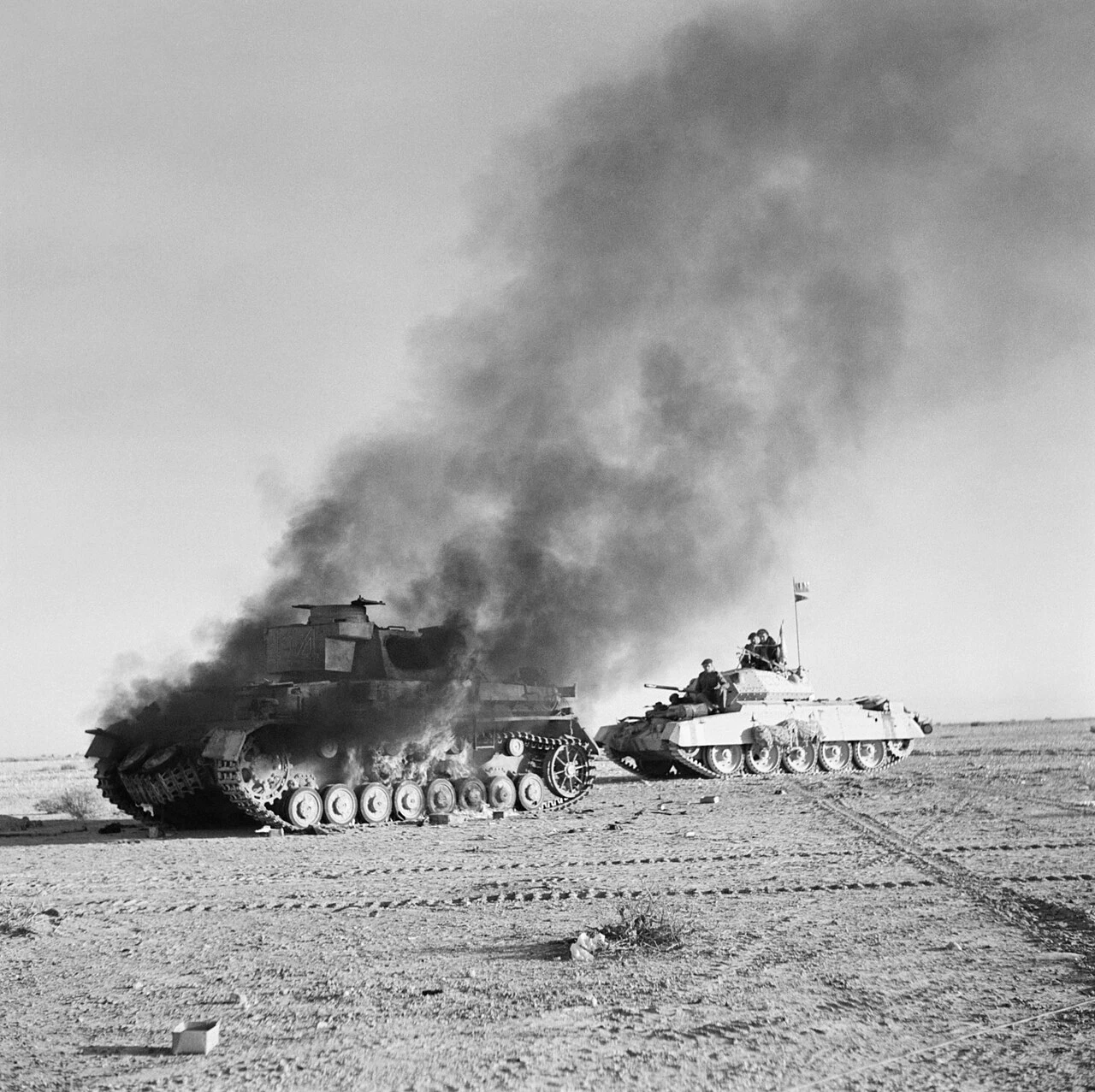
Crusader: The Generals' Doubt
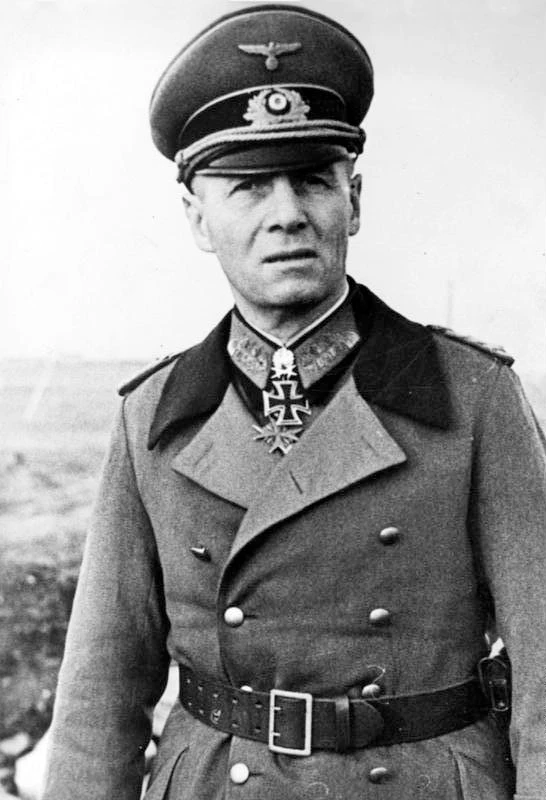
The dash to the wire: Rommel's gamble on the frontier
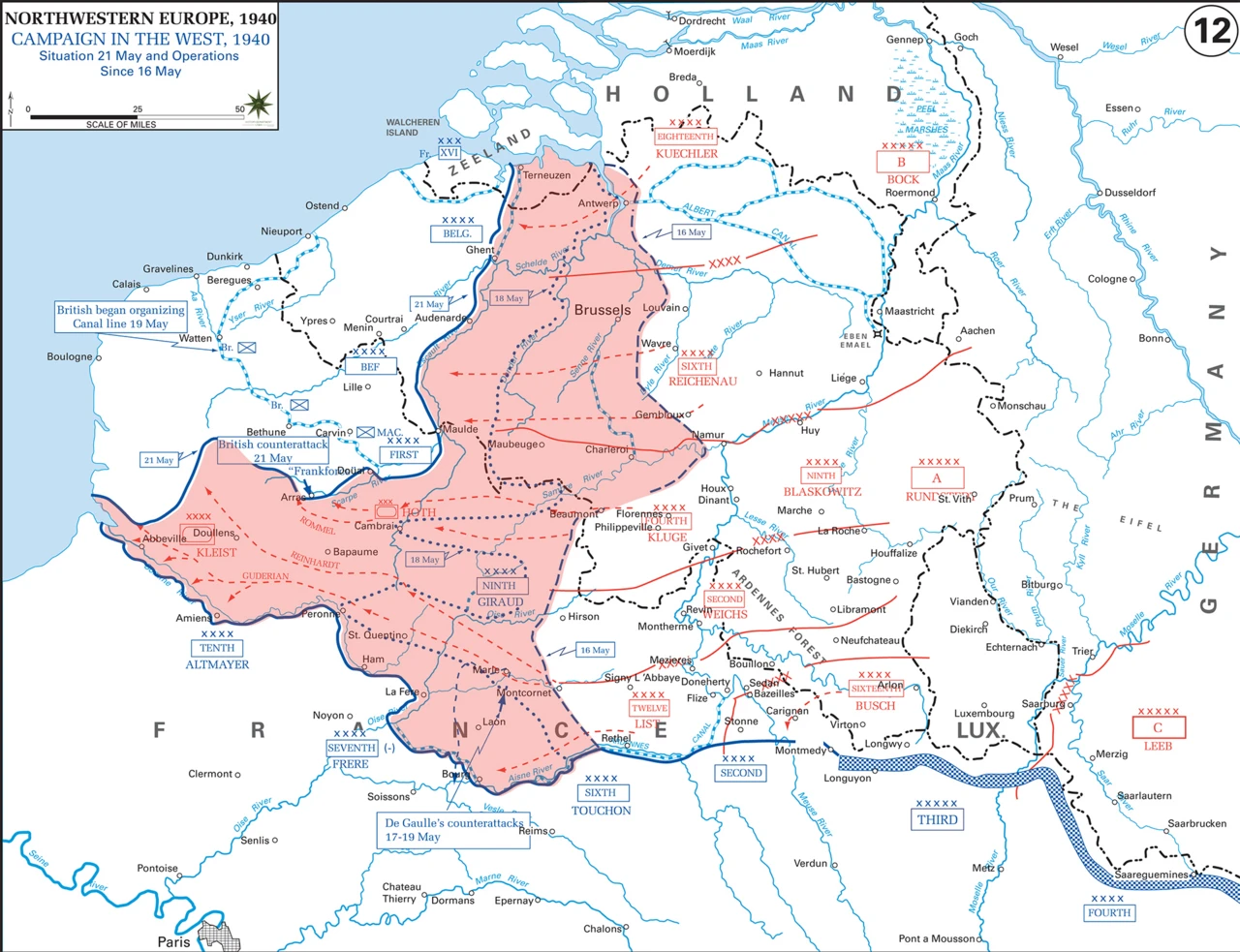
Arras — the Matildas against Rommel's flank
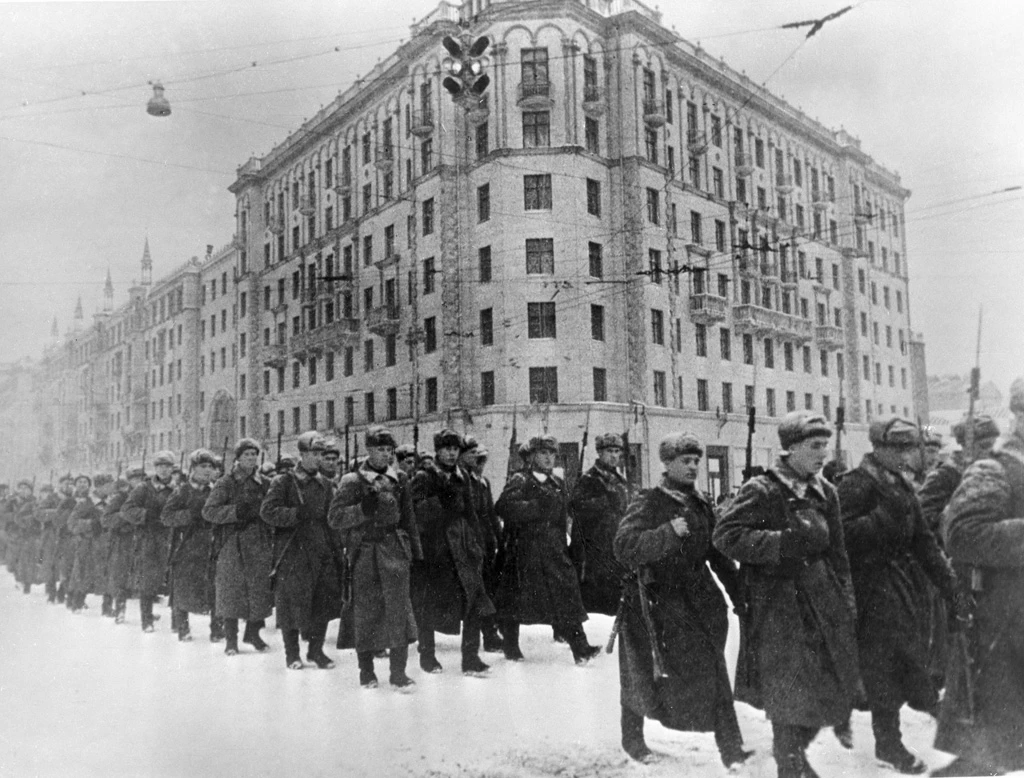
At the Gates of Moscow, in the November Frost
The Houx weir
Tikhvin, November 1941: Leningrad's Last Artery
The Mud, the Winter and the Road to Moscow
Lähde — Yakovlev against the Mannerheim bolt
Perekop: the Iron Gate of Crimea
Timoshenko at Summa — 11 February
Crusader: The Generals' Doubt
The dash to the wire: Rommel's gamble on the frontier
Arras — the Matildas against Rommel's flank
At the Gates of Moscow, in the November Frost