
Dönitz at Sengwarden — the winter pause
In the autumn of 1939, the German U-boats had won resounding tactical successes: the Royal Oak, the Courageous, and the Athenia, sunk on 3 September 1939 with 117 dead including 28 Americans — a major diplomatic incident. But by early 1940 the submarine fleet was facing an operational crisis.
On 1 January 1940, Dönitz officially had 57 U-boats, of which 38 were operational. The bad winter weather, with its North Atlantic storms and seas often running at force 8 to 9, and maintenance constraints brought the number actually on patrol down to fifteen. More serious still, the G7e electric torpedoes suffered from massive defects: nearly 30% missed their target because of faulty magnetic detonators.
Dönitz, 49, had commanded the submarine fleet since 1935 as head of BdU, the Befehlshaber der Unterseeboote, and was regarded as a master of tactics. It was he who had developed the Rudeltaktik doctrine, the "wolfpack tactic", concentrating several U-boats against a single convoy. But in this winter of 1939-1940, for lack of numbers, he could not put it into practice.
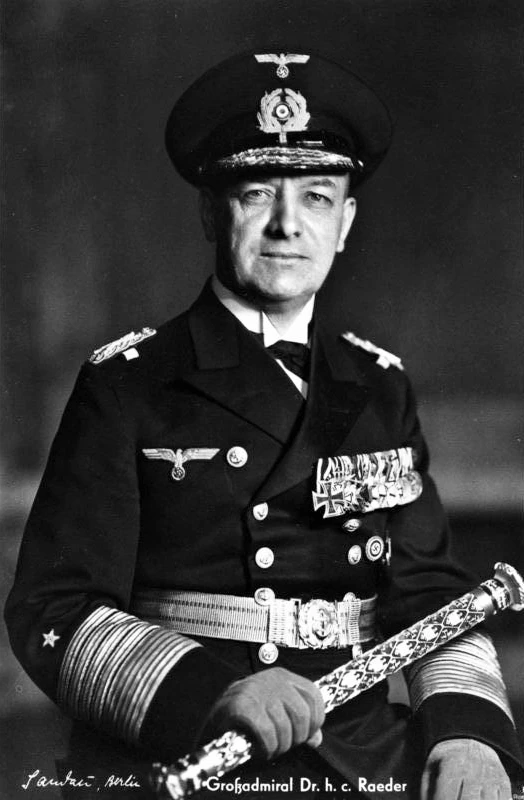
Hitler demanded spectacular results for propaganda purposes, and Raeder, head of the Kriegsmarine, was pressing Dönitz to step up sorties.
Dönitz had to choose his strategic response to the winter crisis.
How should Dönitz handle the winter crisis?
Dönitz applied B. During January-February 1940, only 8 operational U-boat sorties were made in the Atlantic (against 32 planned). Output: 0.17 Allied merchant ships sunk per day — the lowest level of the war. But Dönitz used the lull to repair the G7e detonators (the Pistolen-Untersuchung commission, February 1940, exposed the defects); to train new crews (200 young officers graduated from the Marineschule Mürwik); and to build new U-boats (Type VII production rose to 15 per month). The result: by spring 1940, the submarine fleet had been technically renewed and tactically reformed. Spring 1940 marked the beginning of the Glückliche Zeit ("happy time") — the six months in which the U-boats sank the greatest tonnage. Dönitz became the architect of the submarine war, raised to Großadmiral in 1943, succeeded Hitler as head of state on 30 April 1945, and signed the surrender on 8 May 1945. Tried at Nuremberg for war crimes (notably the 1942 Laconia order), sentenced to 10 years, released in 1956. Died in 1980.
Learn more about this event
Related polls
10
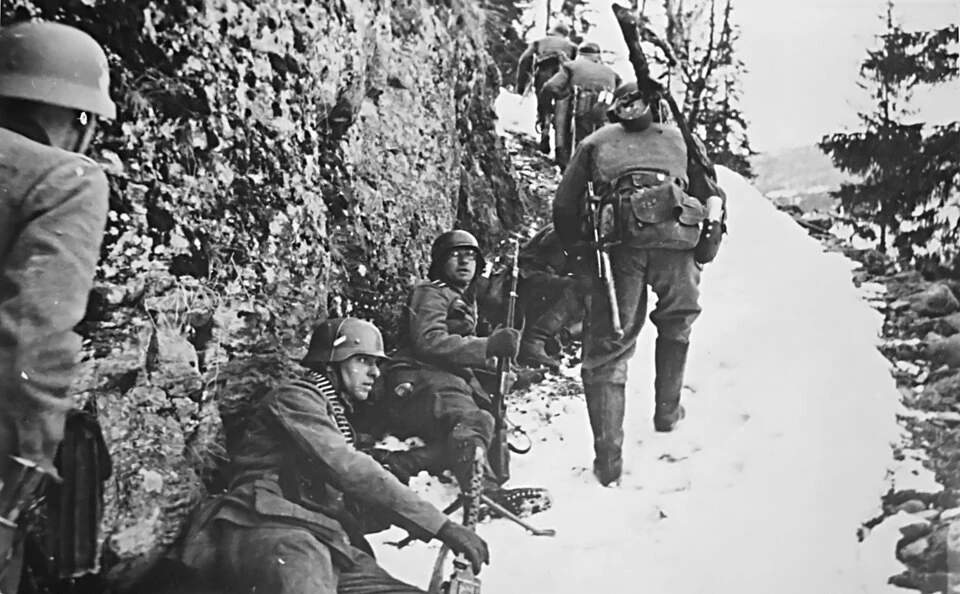
Weserübung — directive of 1 March
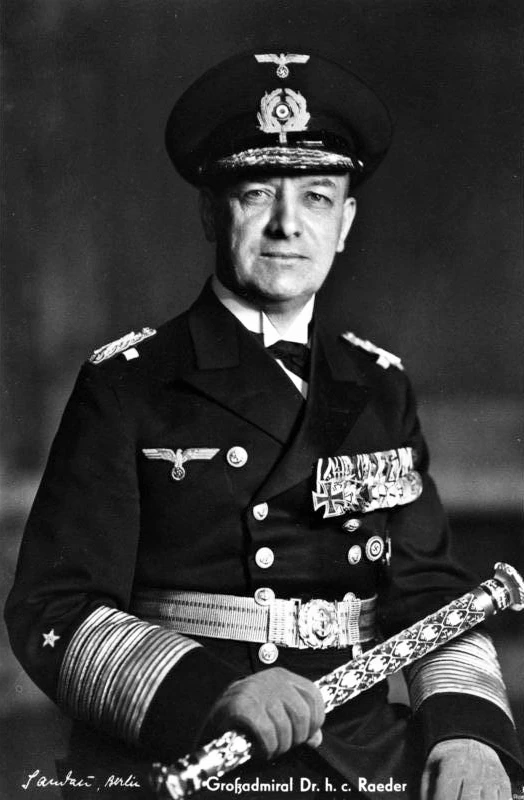
Raeder and the Seelöwe gamble
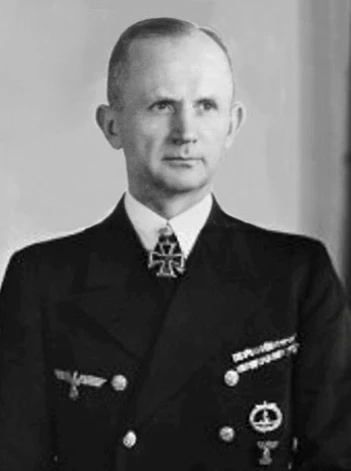
The U-Boats Put to Sea
Plan Z
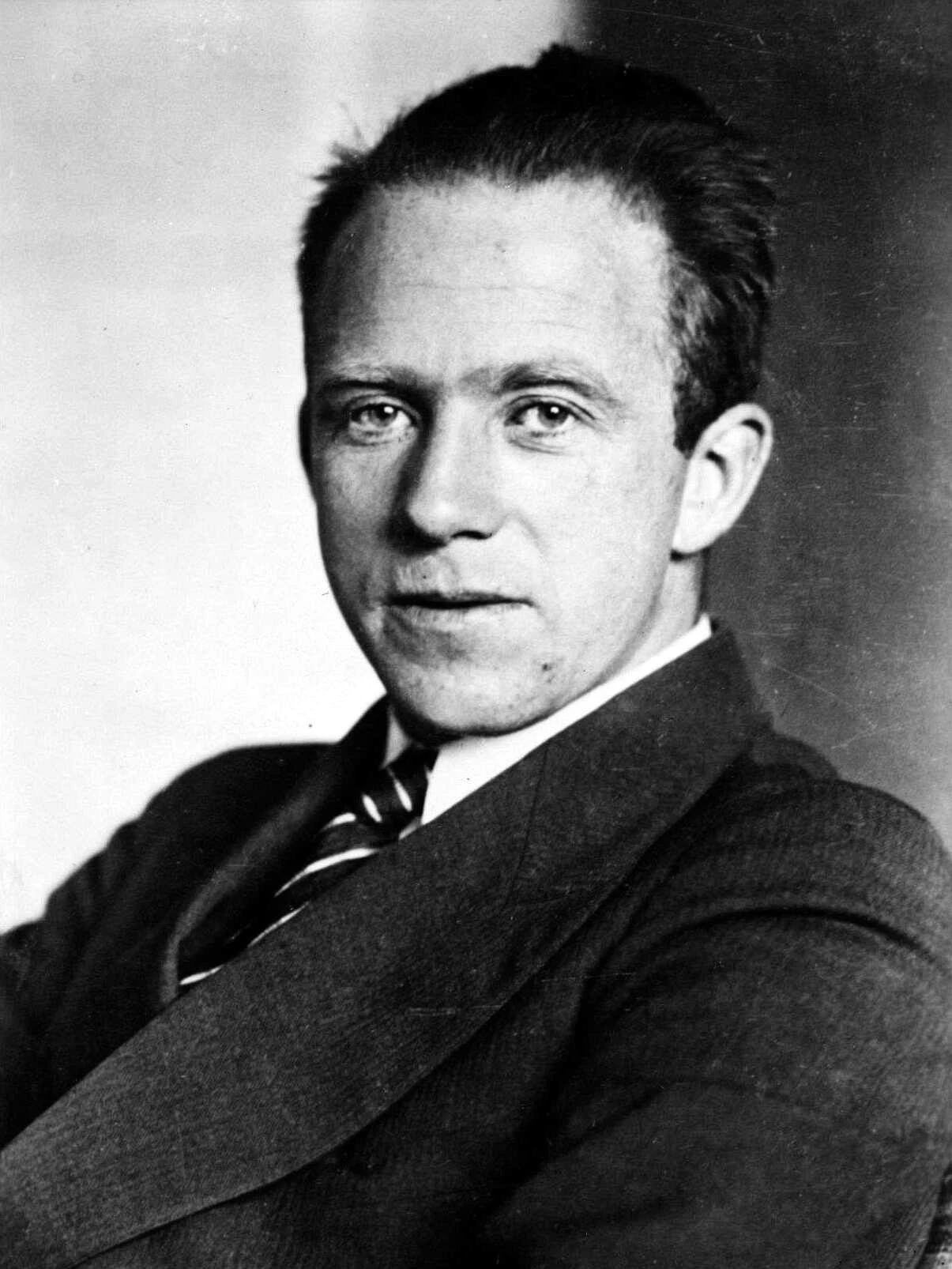
The German "Uranverein": a priority refused
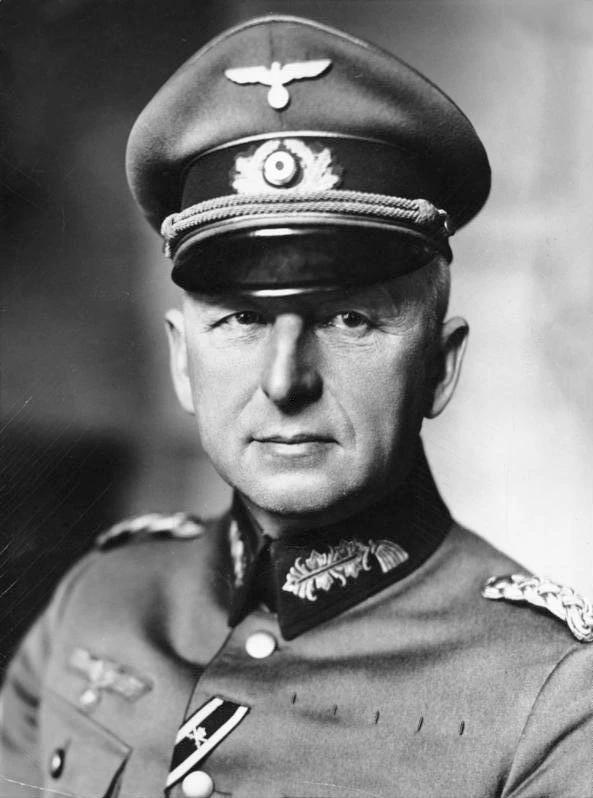
The Manstein plan adopted
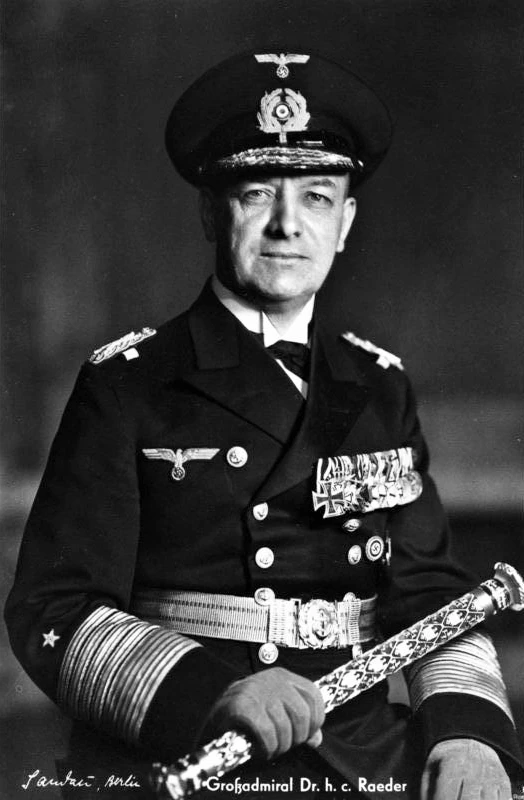
Send out the Bismarck alone, or wait for her sisters
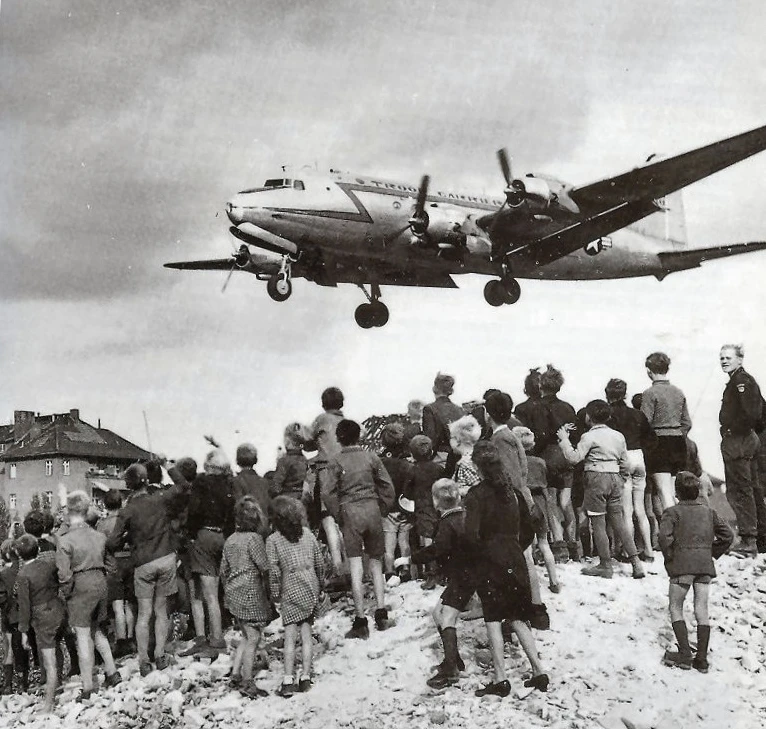
The blockade of Germany
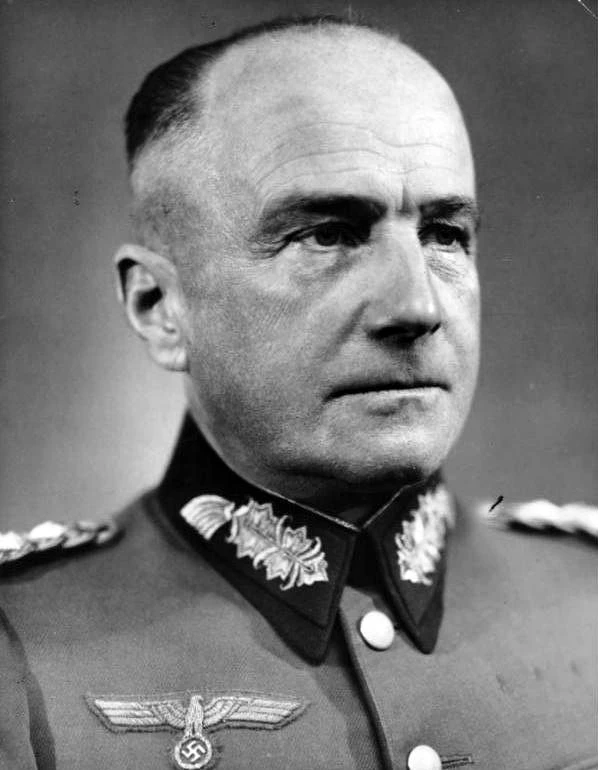
Brauchitsch — Reich Chancellery, 5 November
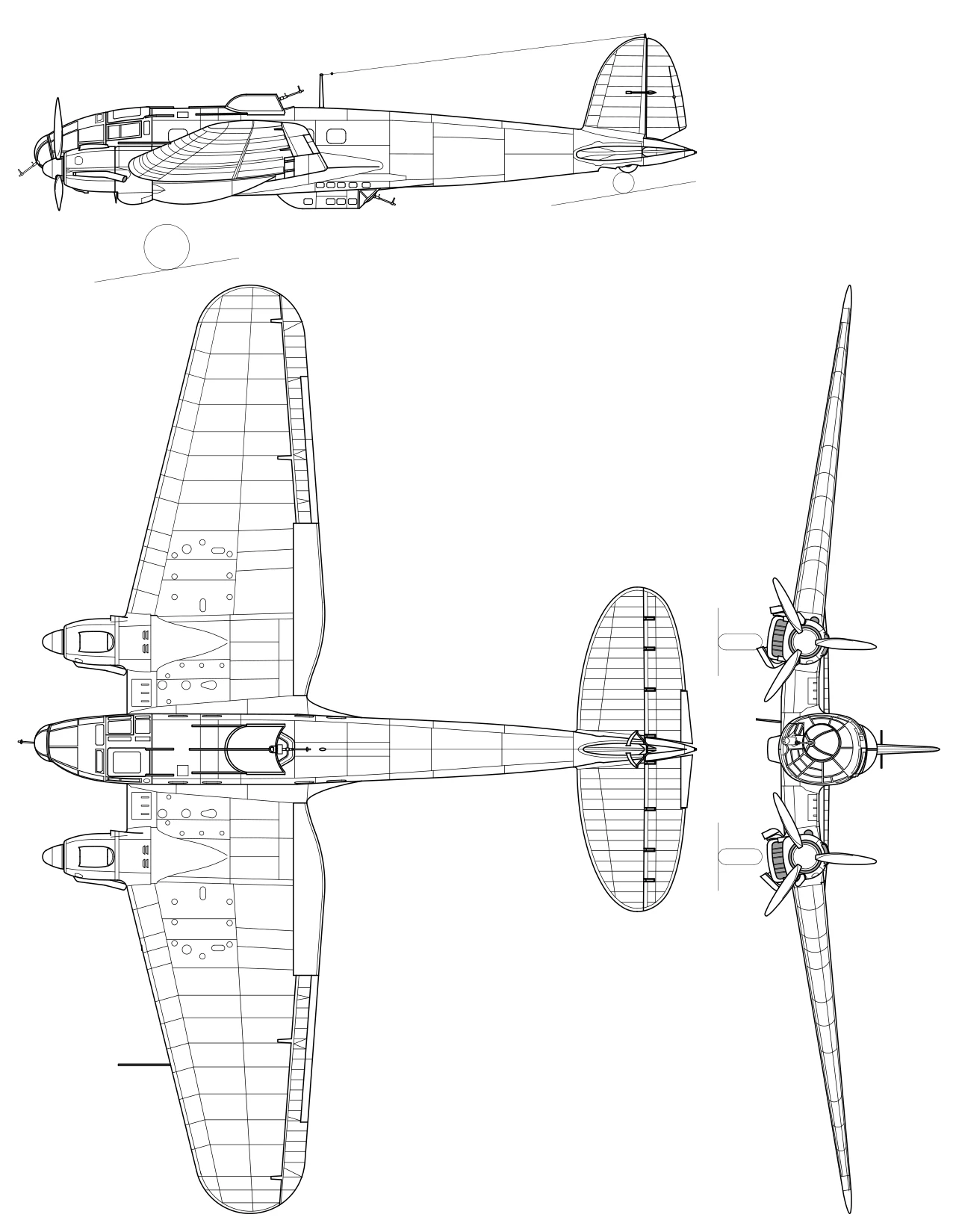
The doctrine of terror bombing
Weserübung — directive of 1 March
Raeder and the Seelöwe gamble
The U-Boats Put to Sea
Plan Z
The German "Uranverein": a priority refused
The Manstein plan adopted
Send out the Bismarck alone, or wait for her sisters
The blockade of Germany
Brauchitsch — Reich Chancellery, 5 November