
, 44, had been Finland's Minister of Foreign Affairs since December 1938. A journalist by profession (editor-in-chief of the daily Helsingin Sanomat), the son of (the paper's founder in 1889), he was also the owner of Finland's largest press group. His line towards the USSR during the negotiations of autumn 1939 had been firm: Erkko had refused all territorial concession to Stalin despite the recommendations of more moderate voices (Paasikivi).
With the Soviet invasion of 30 November 1939 Erkko at once became the target of criticism: had his rigour led to war? The international press (notably The Times and Le Figaro) presented him as a Finnish Beck — a minister who should have given way.
On 1 December 1939, as the Cajander government collapsed, Erkko had to tender his resignation or defend his position. Officially he might do so to make it easier to form a government of national union. Unofficially he was assuming the moral responsibility for a policy that had failed to prevent the war.
Should Erkko stay in office to defend his policy?
Erkko chose A. His resignation was accepted at 18:00 on 1 December 1939. He resumed his duties as editor-in-chief of Helsingin Sanomat full time on 5 December. Through the Winter War he played the part of journalist-editorialist, defending Finnish resistance in the international press (he had a direct line to his London bureau). After the Peace of Moscow he was appointed Finnish ambassador to Stockholm (August 1940 - June 1941), then ambassador in Geneva (1944-1945). He resumed the editorship of Helsingin Sanomat after the war. A member of Parliament (1945-1951), briefly Minister of Communications (1957). He continued to run the Erkko press group until his death in 1965. His son took over and became the wealthiest journalist in Finland. The Erkko dynasty has continued to control Helsingin Sanomat to the present day.
Learn more about this event
Related polls
10
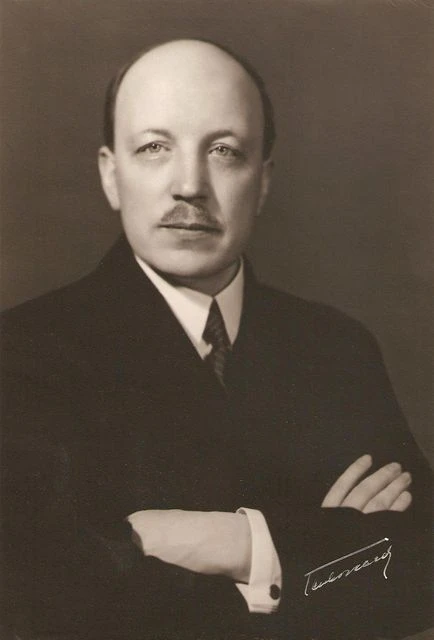
Ryti — Prime Minister on 2 December
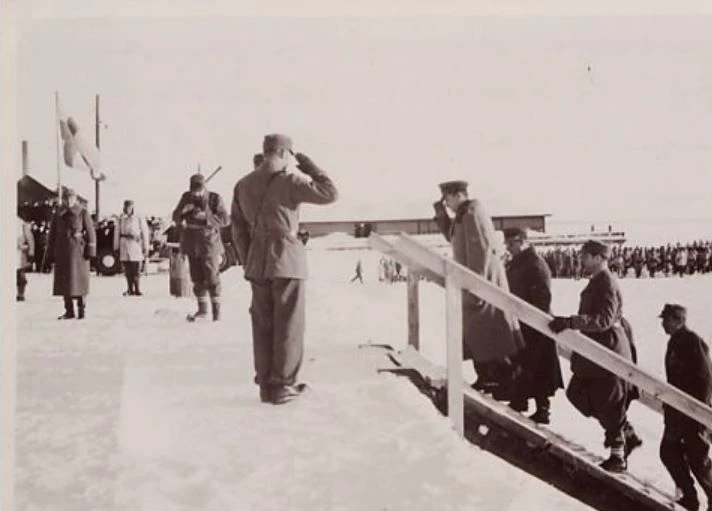
Mannerheim — the Order of the Day, 1 January
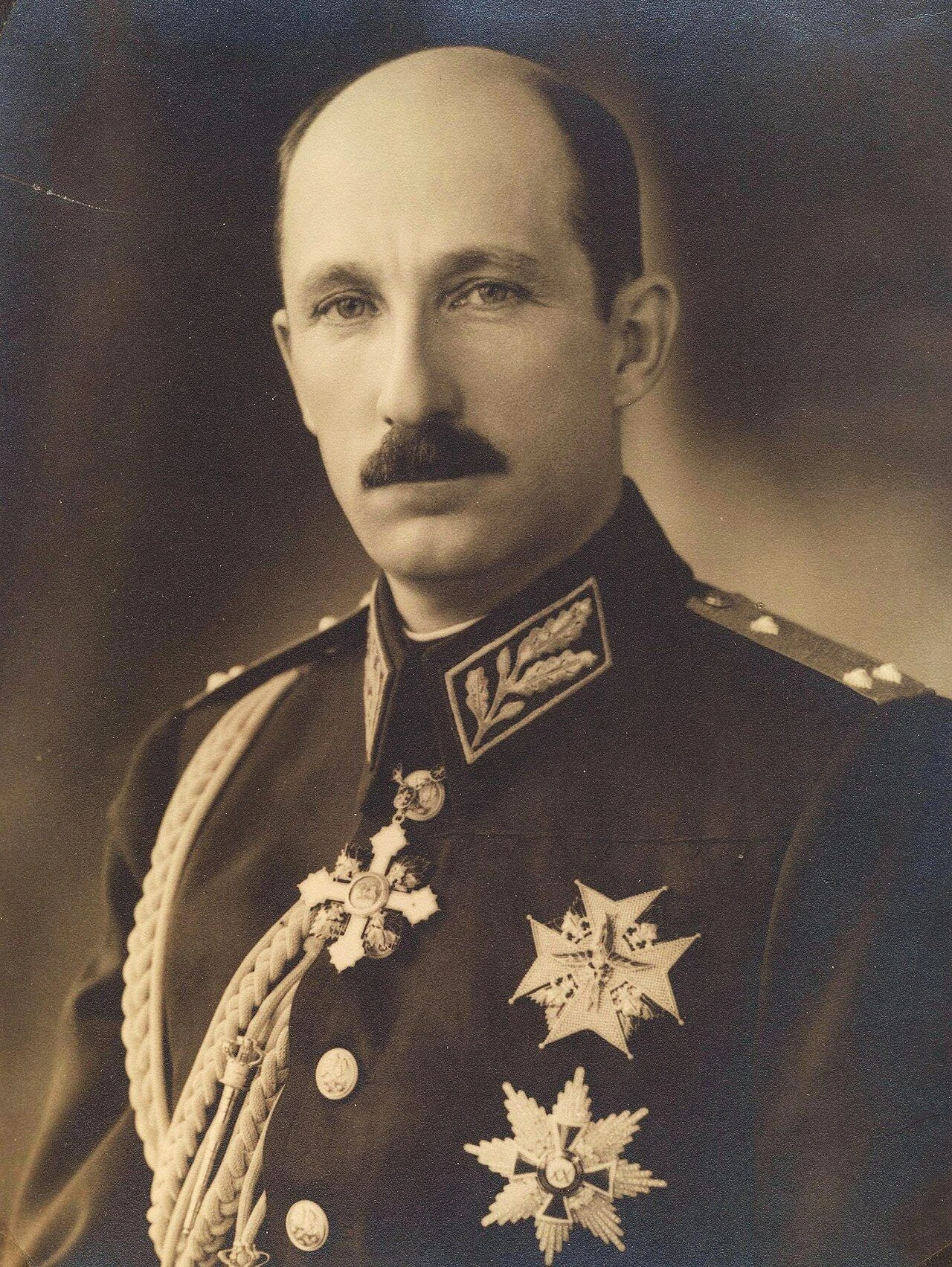
Boris III — the Bulgarian balancing act
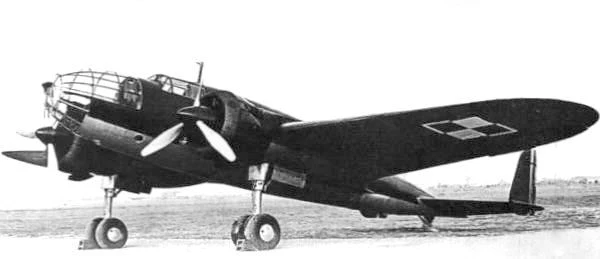
Carol II in Bucharest — the Romanian balance
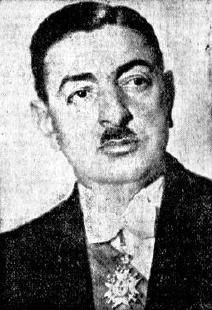
Cvetković under pressure
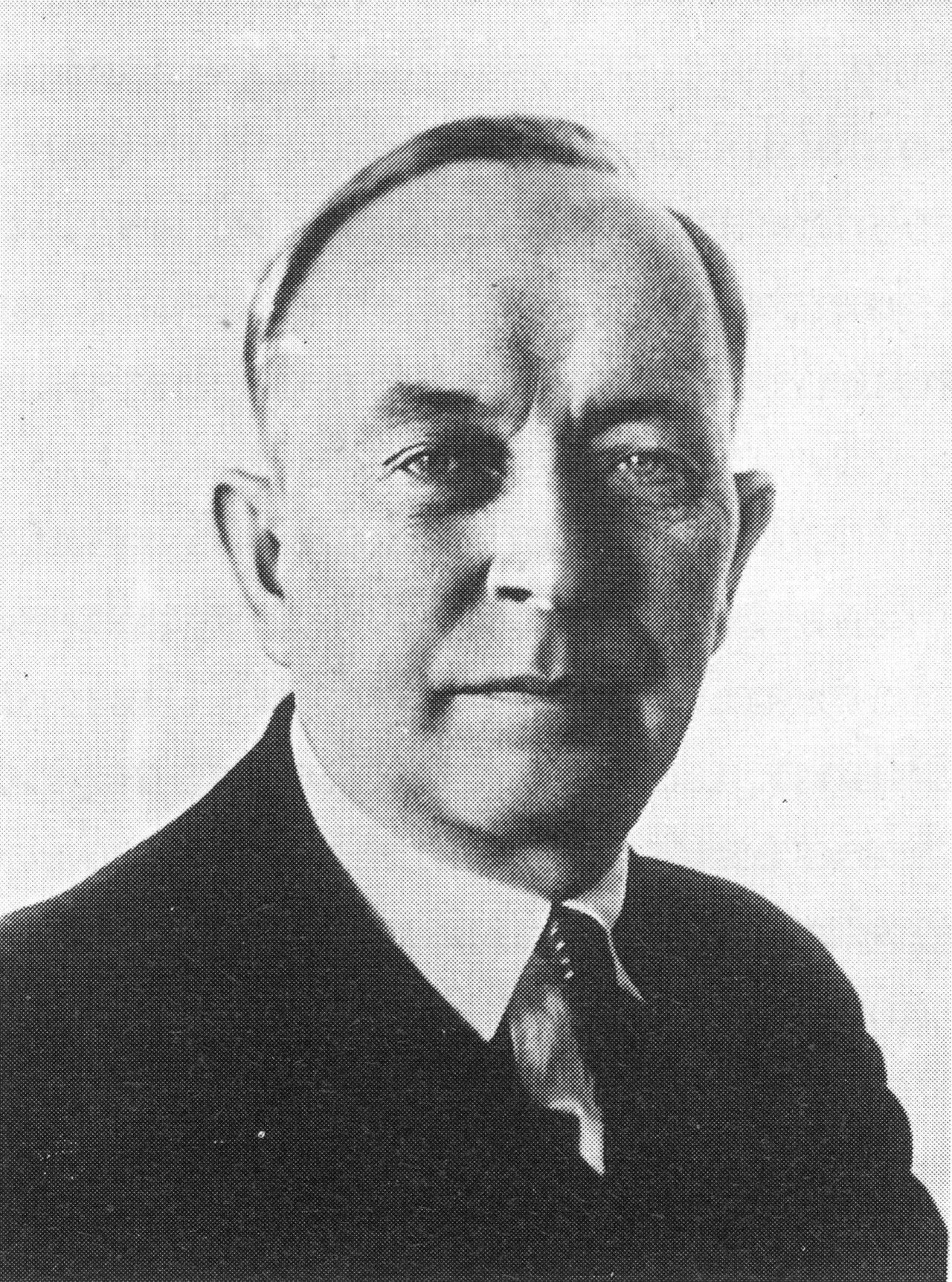
Kuusinen — Terijoki, 1 December
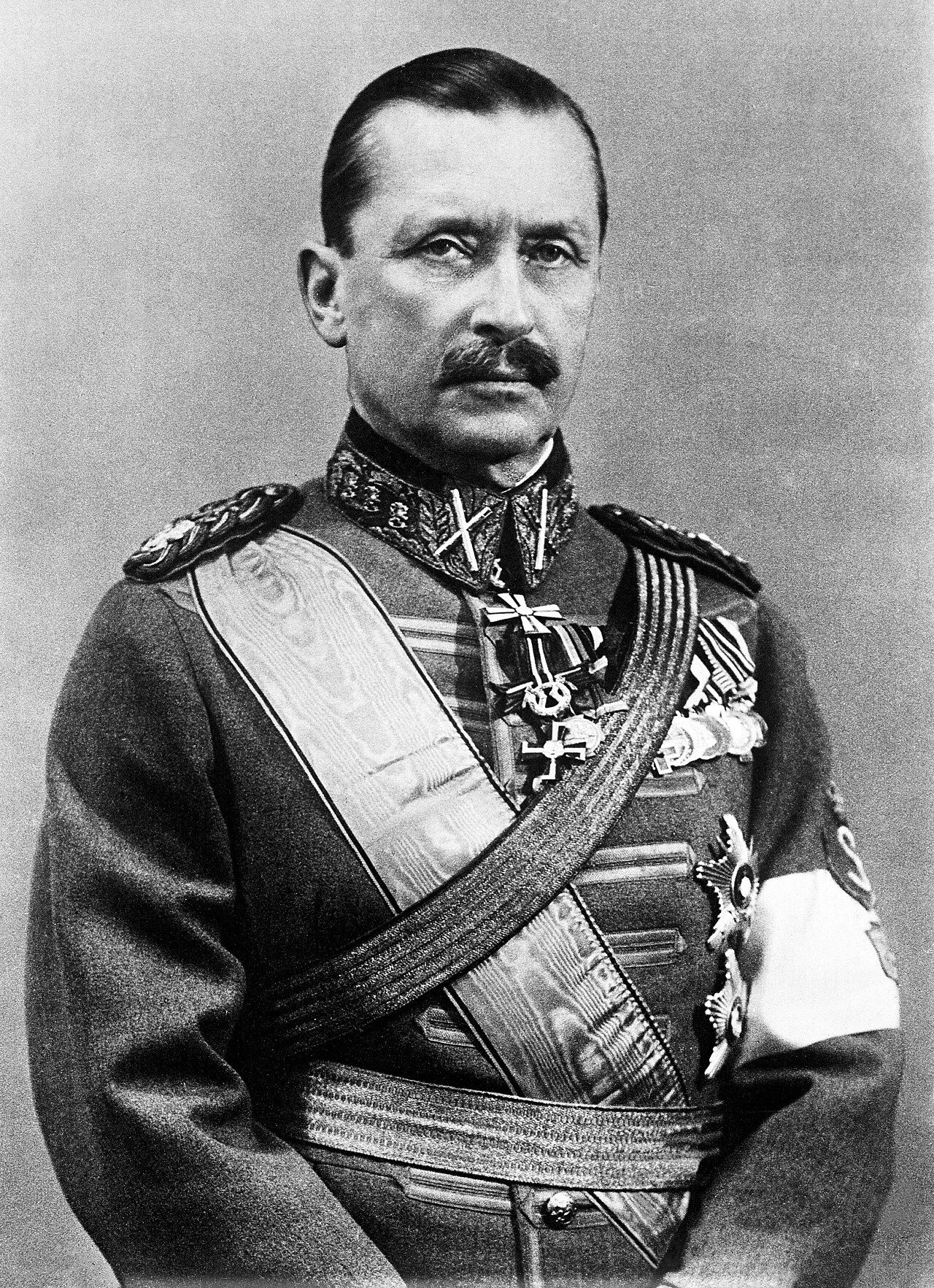
Mannerheim to the Ryti government — 28 February
Müller in Rome — the Vatican channel
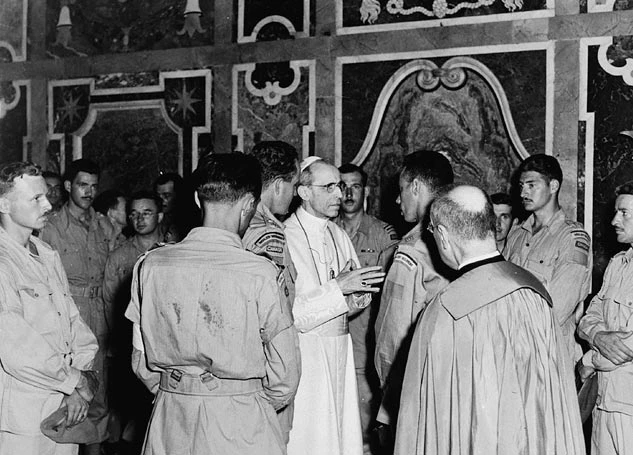
Pius XII — the Christmas allocution
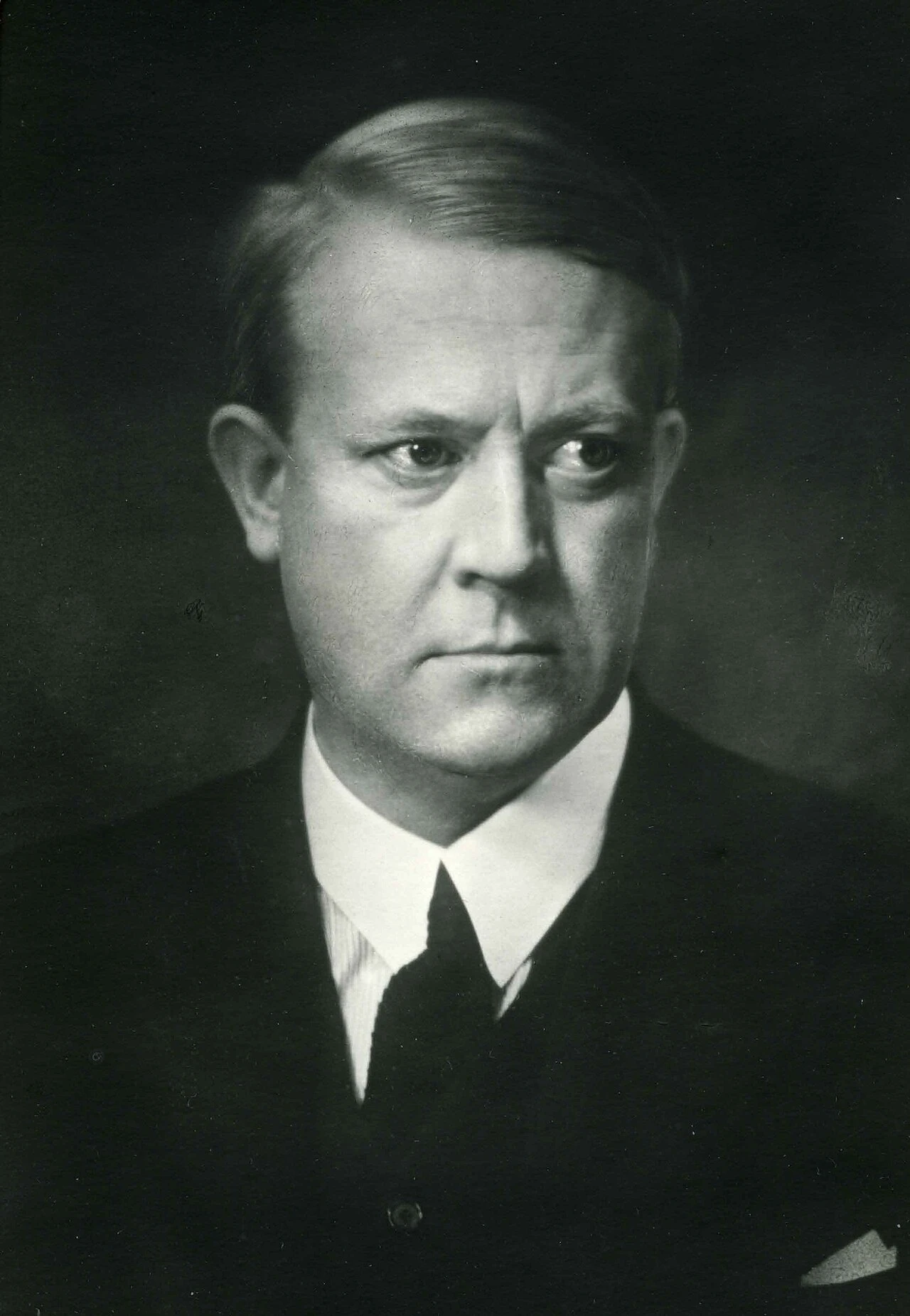
Quisling in Berlin — facing Rosenberg
Ryti — Prime Minister on 2 December
Mannerheim — the Order of the Day, 1 January
Boris III — the Bulgarian balancing act
Carol II in Bucharest — the Romanian balance
Cvetković under pressure
Kuusinen — Terijoki, 1 December
Mannerheim to the Ryti government — 28 February
Müller in Rome — the Vatican channel
Pius XII — the Christmas allocution