
Kamenets-Podolski — the threshold crossed
In the summer of 1941, the massacres of Jews on the Eastern Front cross a new threshold. Until then targeting mainly adult men, they now extend, on orders from above, to women and children: this is the passage from 'selective' killings to the extermination of entire communities. SS-Obergruppenführer , Higher SS and Police Leader for the south of the USSR, is one of the principal organizers of this escalation.
At Kamenets-Podolski, in Ukraine, the situation is aggravated by an influx: Hungary, an Axis ally, has expelled toward the occupied territories some 16,000 'stateless' Jews, who add to the local Jewish population. The German authorities, embarrassed by these deportees, see in it an 'opportunity'.
Jeckeln must decide the fate of these tens of thousands of people: organize their internment and their exploitation as a labour force; send them back to Hungary, whence they come; or proceed with their mass killing, the method now advocated by the SS hierarchy to 'solve' the question. The choice will make Kamenets-Podolski a precedent.
What does Jeckeln decide regarding the fate of the Jews gathered at Kamenets-Podolski?
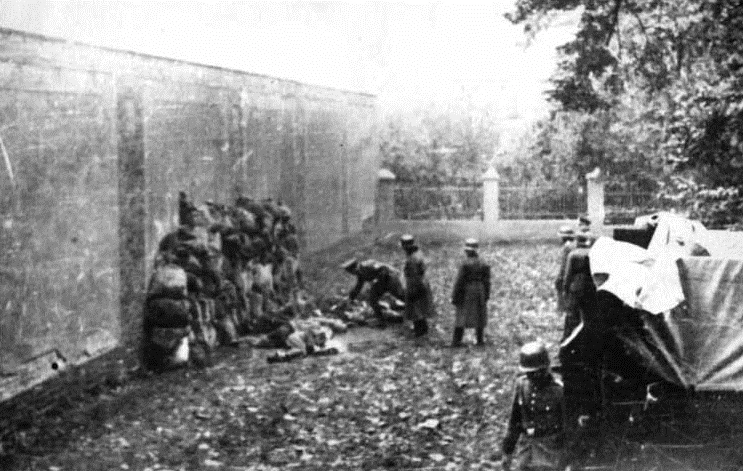
Jeckeln chooses C. From 26 to 28 August 1941, his units — , order police, auxiliaries — shoot around 23,600 Jews, local and deported from Hungary, men, women and children, at the edge of pits, according to a systematic method of packing. It is, at that date, the largest massacre of the Holocaust by bullets, and a decisive threshold: for the first time on this scale, entire communities are annihilated without distinction of age or sex. Jeckeln will then perfect these techniques (Babi Yar at Kiev in September, ~33,000 victims; Rumbula near Riga in November). Kamenets-Podolski marks the moment when the 'Holocaust by bullets' becomes total extermination — a foreshadowing, in the open air, of the genocide that will then be systematized in the killing centres.
Learn more about this event
Related polls
10

The Barbarossa decree — the 'licence to kill'
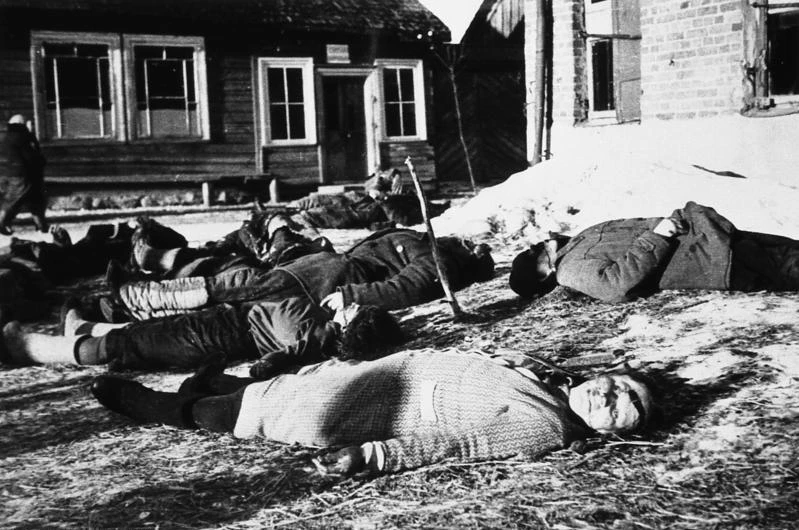
Generalplan Ost — the Hunger Plan
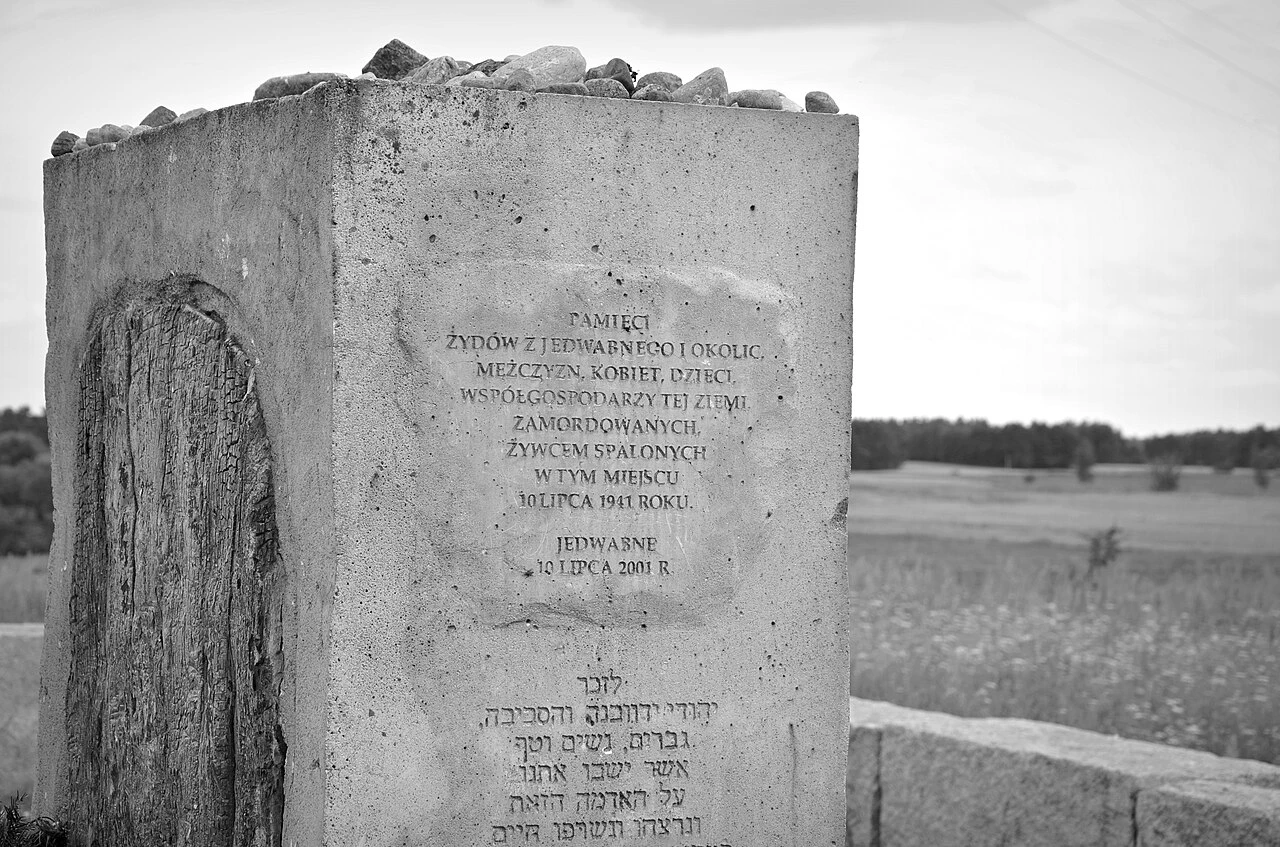
Jedwabne — the crime of the neighbours
Kaunas — the first pogroms
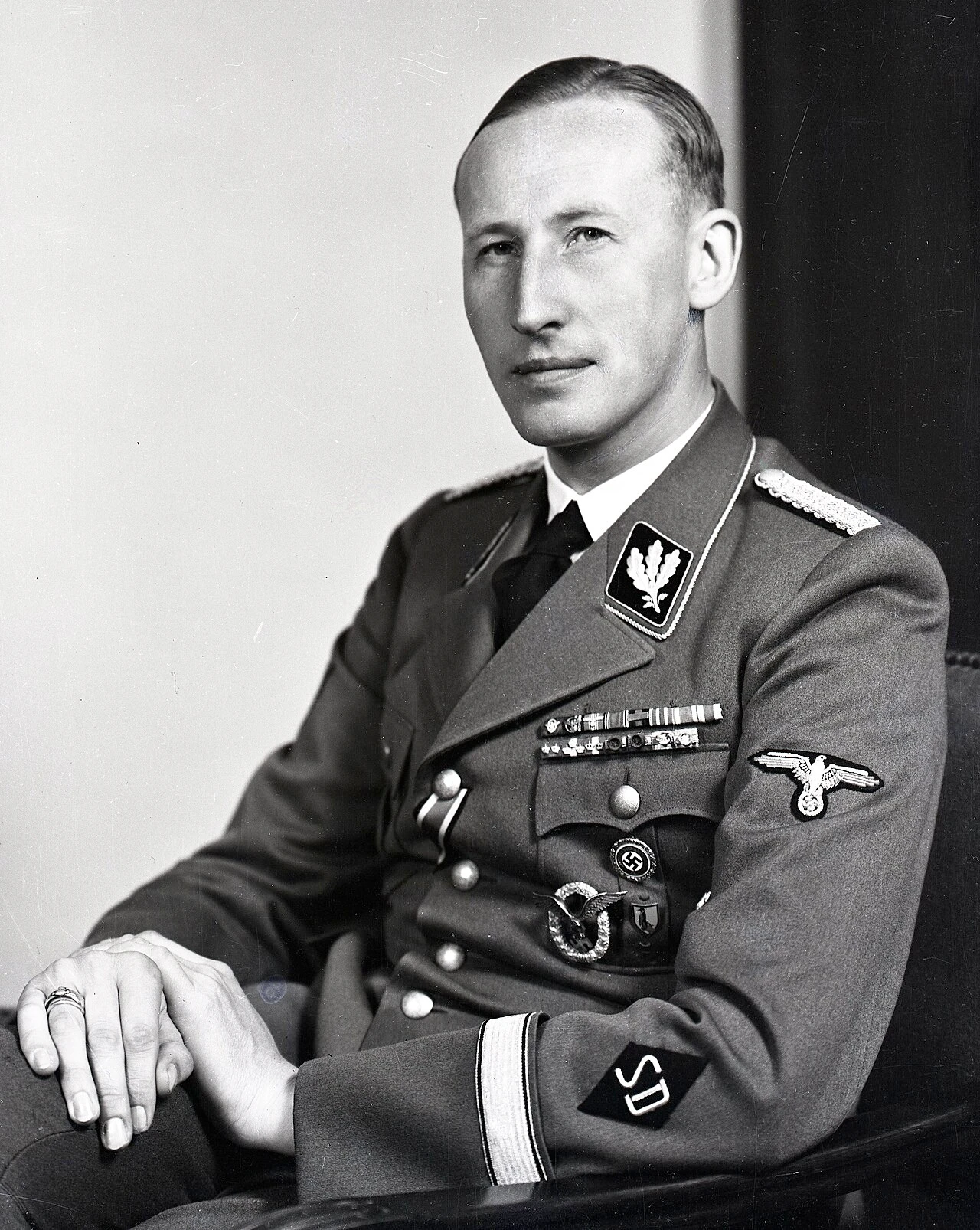
Heydrich's mandate
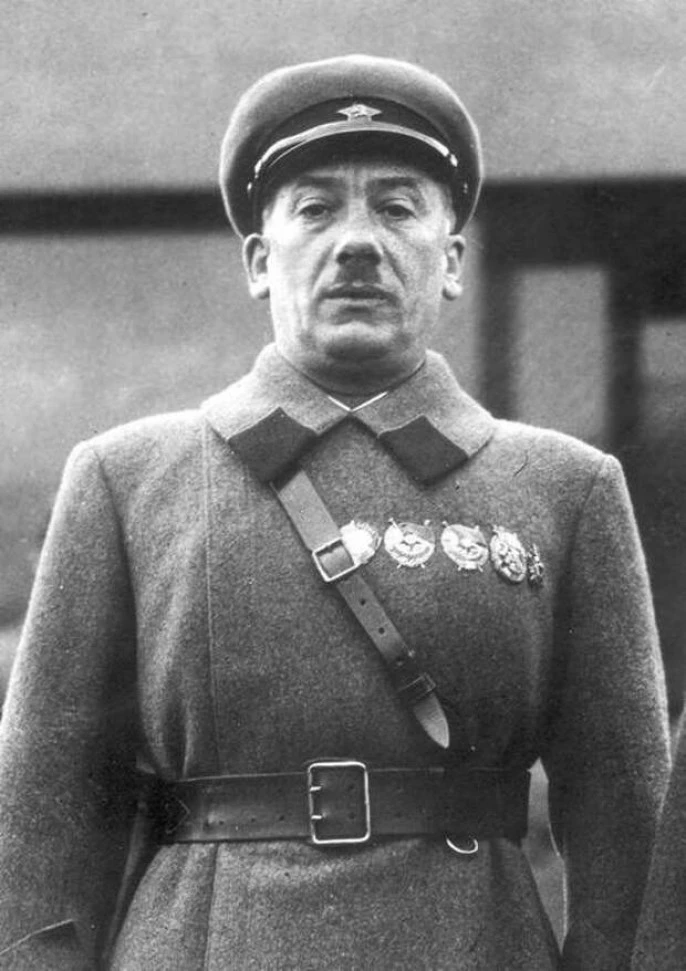
The Commissar Order
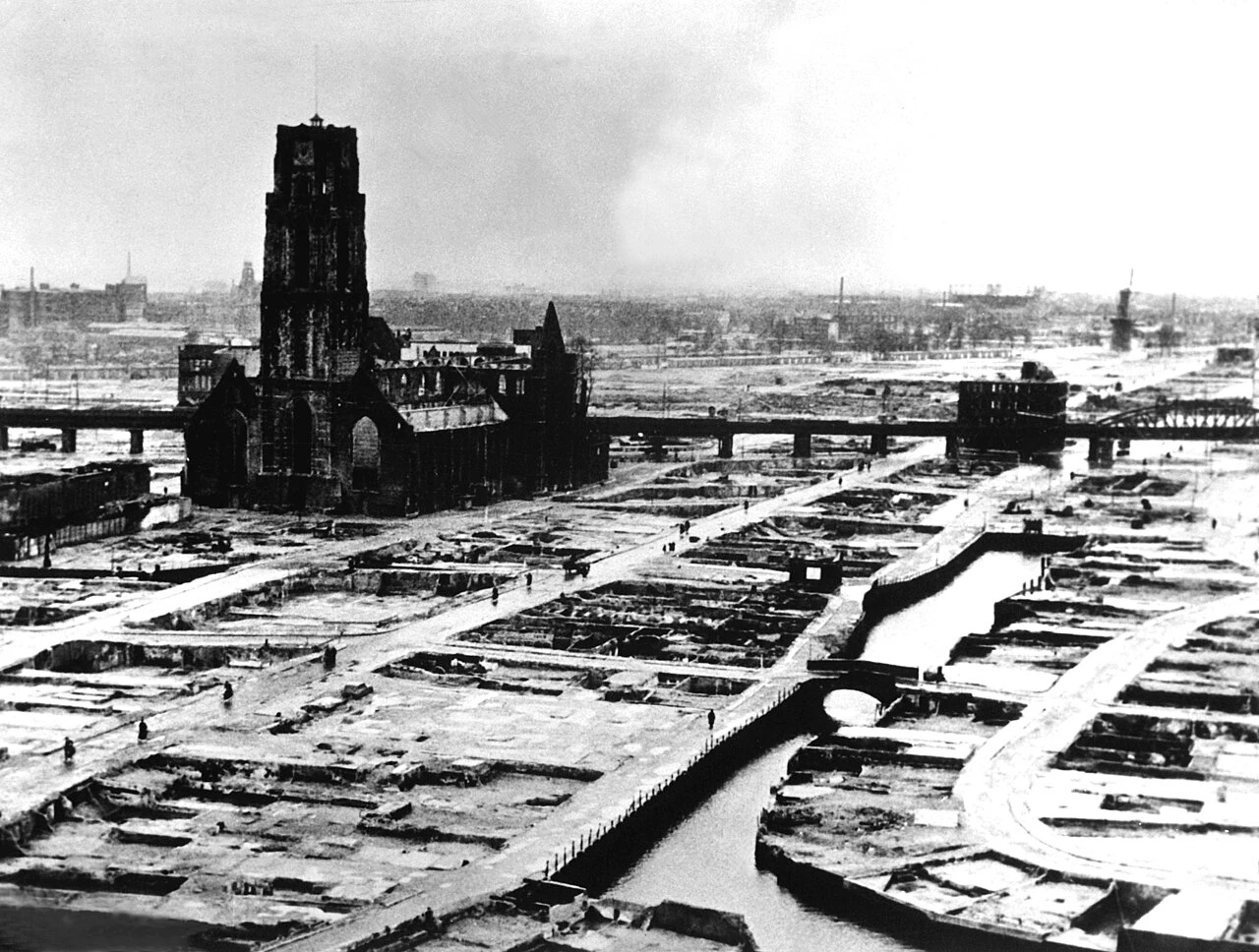
Rotterdam under the threat from the air
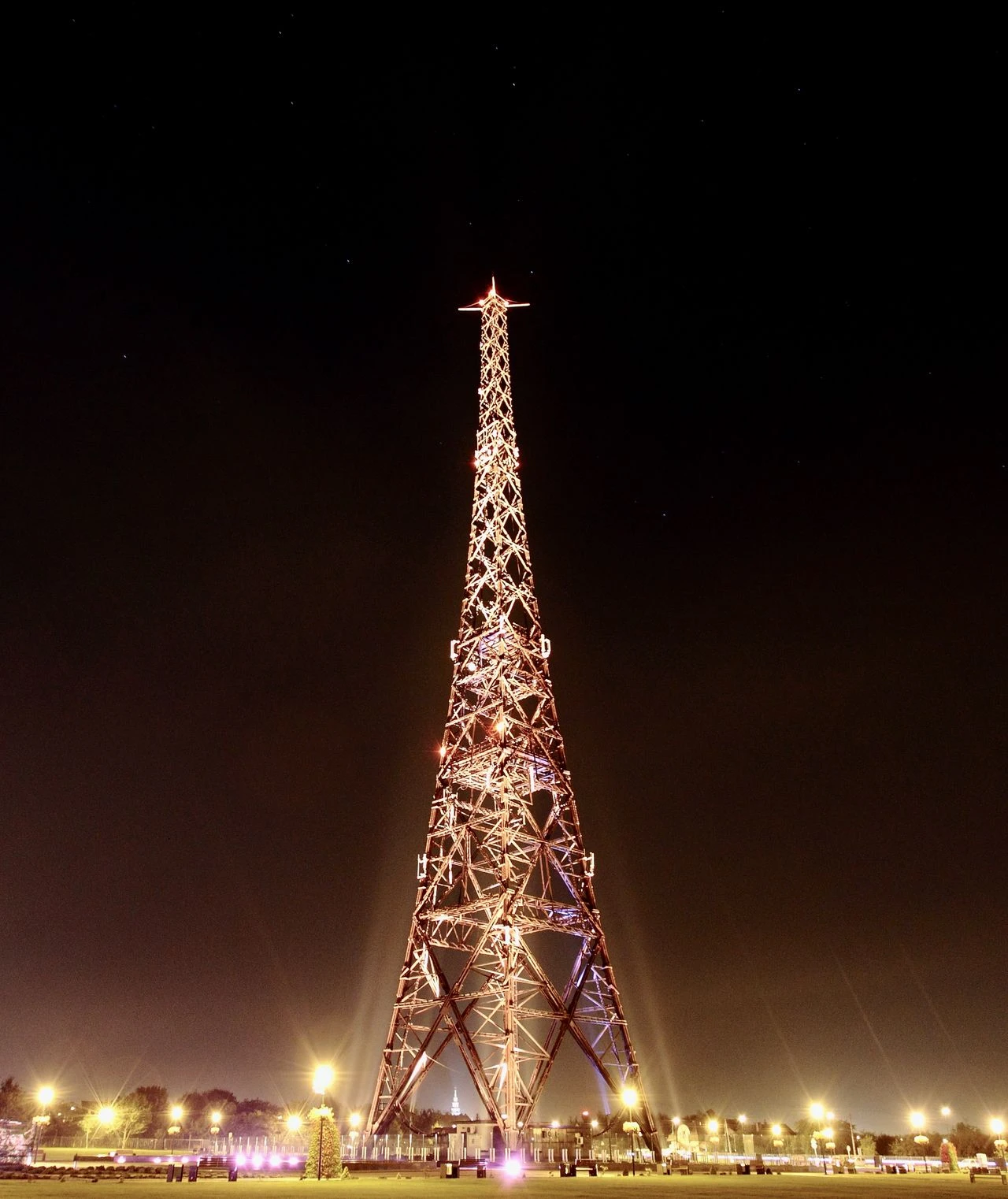
Gleiwitz — Naujocks at the Transmitter
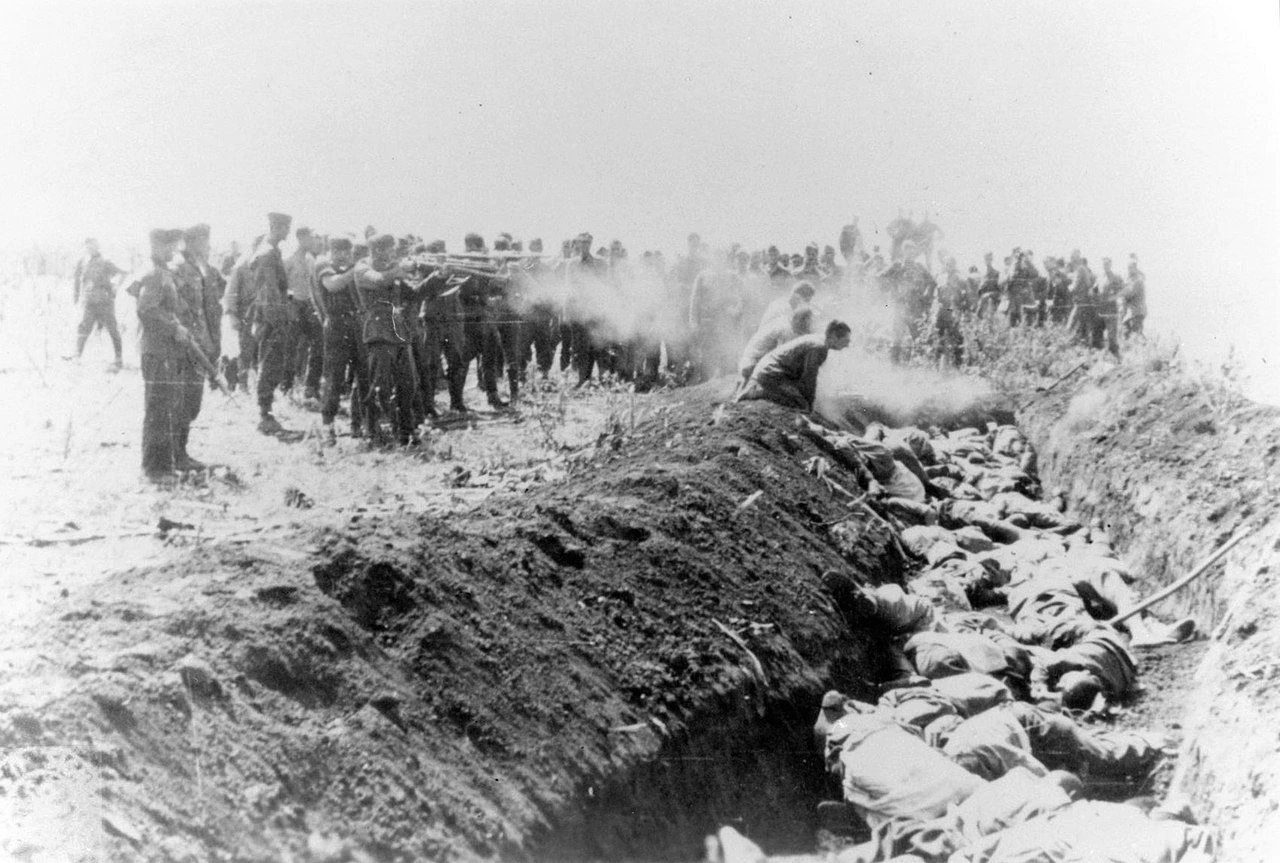
Heydrich — the Conference of 21 September
The Warsaw Ghetto — the ration of hunger
The Barbarossa decree — the 'licence to kill'
Generalplan Ost — the Hunger Plan
Jedwabne — the crime of the neighbours
Kaunas — the first pogroms
Heydrich's mandate
The Commissar Order
Rotterdam under the threat from the air
Gleiwitz — Naujocks at the Transmitter
Heydrich — the Conference of 21 September