
Records rather than machines
The Donbass basin supplies the bulk of Soviet coal, the lifeblood of steel, the railways, and the war industry. By the late 1930s, miners' output has plateaued: hand tools, scarce equipment, harsh working conditions.
Mechanizing the mines would cost machines and steel that the state reserves first and foremost for armaments. Another path is to mobilize the men themselves, to set targets and to celebrate the record-breakers.
Should the state invest in metal and conveyors, or bet on emulation and pressure on the workers?
How can Donbass coal production be raised quickly without diverting steel toward mechanizing the mines?
The leadership revives the Stakhanovite movement, born of 's record in 1935. Thousands of miners are thrown into the race for records and reported output climbs without major investment. But many figures are inflated by team leaders eager to please the hierarchy, and real, lasting productivity rises far less than the propaganda proclaims.
Learn more about this event
Related polls
10
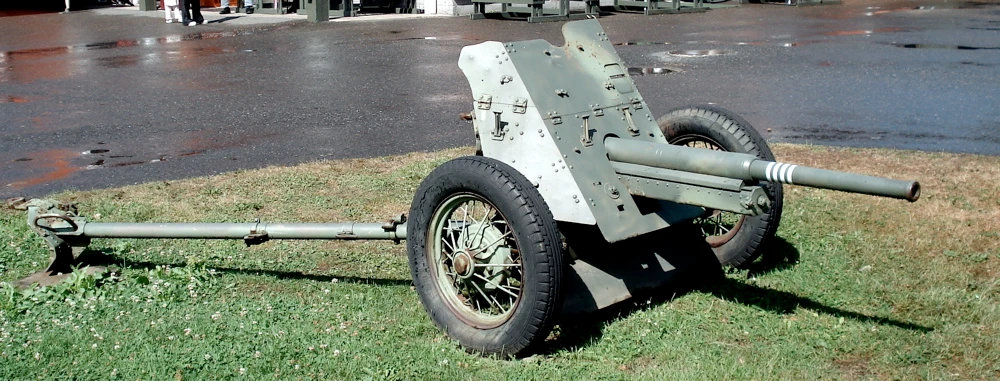
The gun that will have to do
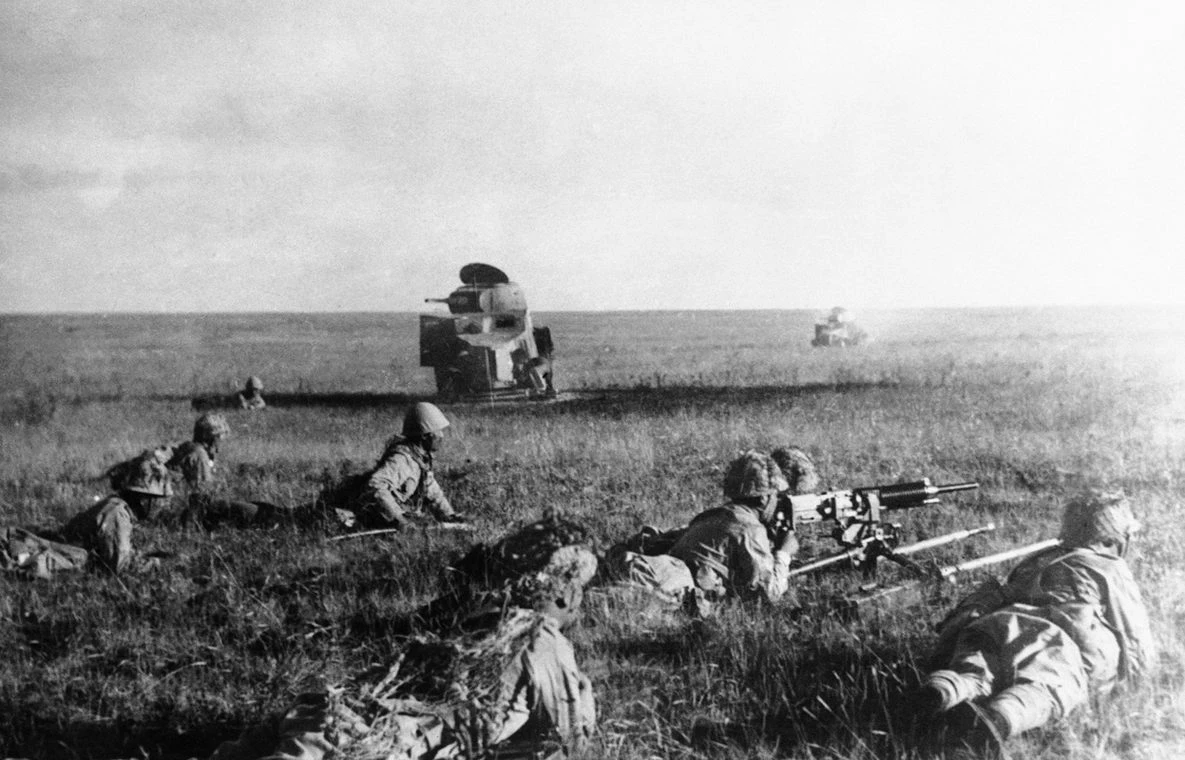
Kharkiv 1939 — track or wheel?
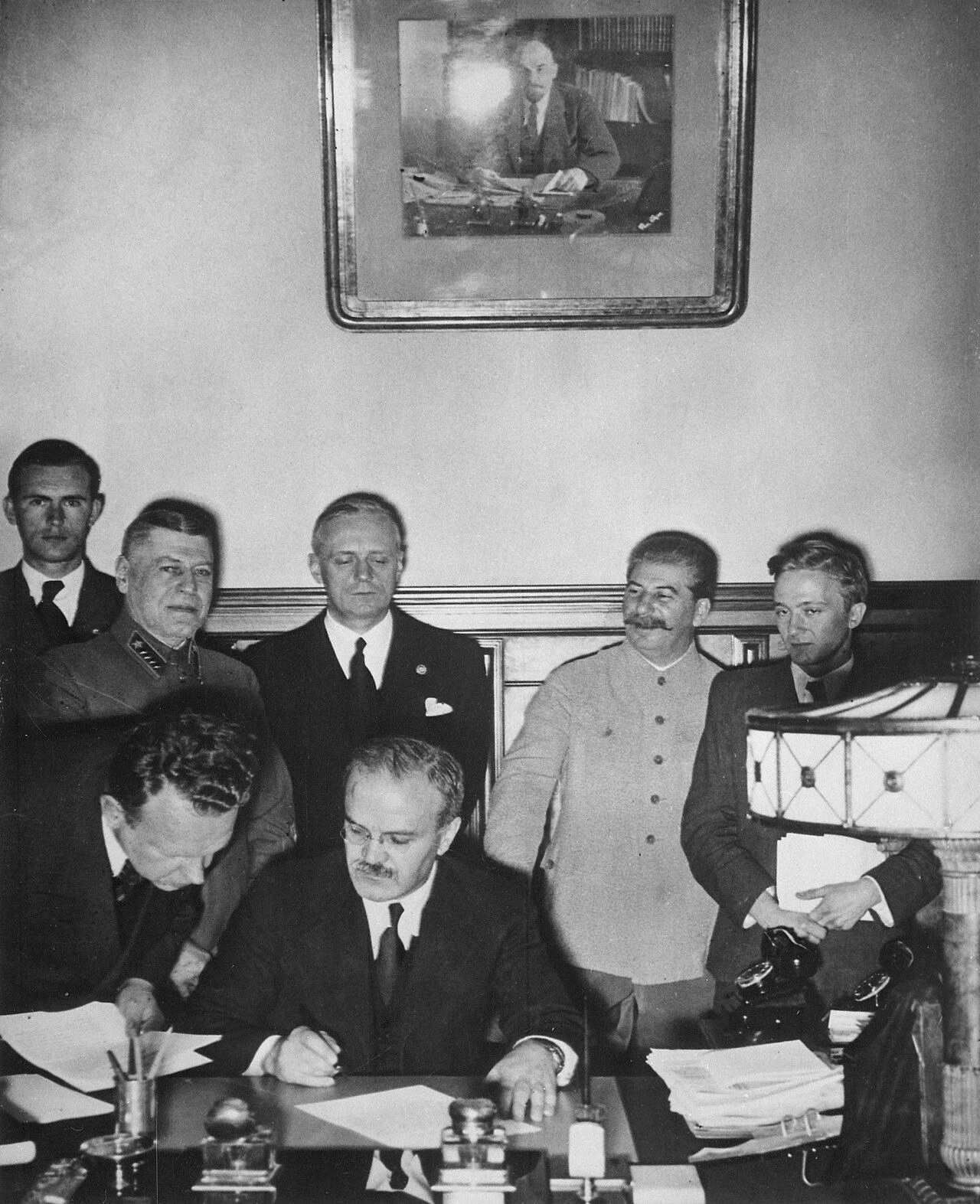
Schnurre in Moscow — the Commercial Agreement
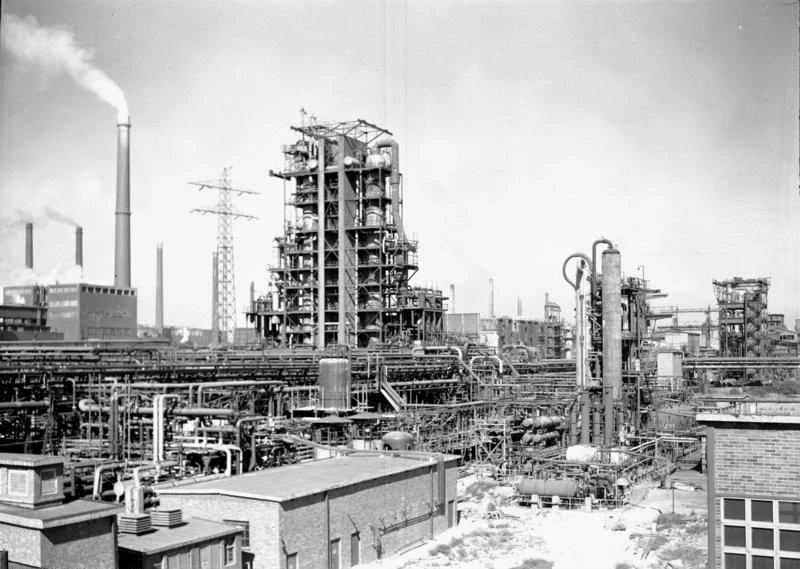
Making oil from coal

Fokker against the clock
The physics student evacuated from Moscow
The Kirov Plant Under the Shells
The rubber that won't grow in the Reich
The Czech Gold
Romania Caught Between Two Fires
The gun that will have to do
Kharkiv 1939 — track or wheel?
Schnurre in Moscow — the Commercial Agreement
Making oil from coal
Fokker against the clock
The physics student evacuated from Moscow
The Kirov Plant Under the Shells
The rubber that won't grow in the Reich
The Czech Gold