
Tobruk, 21 November 1941: the besieged garrison's sortie
Since April 1941, the fortress of Tobruk, on the Cyrenaican coast, has held out against the siege by German-Italian forces. Cut off from the rest of Egypt, supplied with great difficulty by the Royal Navy during night runs harassed by the Luftwaffe, the garrison lives in a maze of trenches, concrete strongpoints, and anti-tank galleries. General Ronald Scobie's British 70th Division, supported by Polish and Indian elements, has relieved the Australian veterans who held the first months. Morale remains solid, but the men are exhausted by seven months of confinement, raids, and bombardment.
On the morning of 21 November, the distant rumble of artillery changes everything: the British Eighth Army has just launched Operation Crusader, an armoured thrust setting out from the Egyptian frontier to break the stranglehold. The theoretical objective is a link-up to the south-east of the perimeter, around the ridges of Sidi Rezegh, where a furious tank battle is already raging. For Scobie, the moment is decisive and uncertain: no one yet knows whether Rommel's corps will be pinned to the south or whether it will turn against one adversary or the other.
Three lines of reasoning clash in the commander's mind. Should he throw weakened troops forward to reach out to the liberators, at the risk of seeing them isolated if the offensive fails? Should he instead preserve the defensive cohesion so hard-won within the fortified perimeter? Or should he anticipate the worst and consider a withdrawal? The order awaits a reply.
On the morning of 21 November 1941, as Operation Crusader has just gotten under way, what course of action should General Scobie adopt with his garrison?
Scobie received the order, on 21 November, to launch the sortie towards the south-east to join the Eighth Army. The 70th Division attacked towards the El Duda strongpoint and the ridges of Sidi Rezegh, advancing at the cost of fierce fighting and heavy losses. Rommel's counter-attack, in which he launched his famous "dash to the wire," delayed the operation and nearly jeopardized it. A lasting link-up was only established in early December, when the New Zealand columns and the garrison finally made contact. The siege, begun in April, was lifted after 241 days, one of the longest endured by Commonwealth forces during the war.
Learn more about this event
Related polls
10
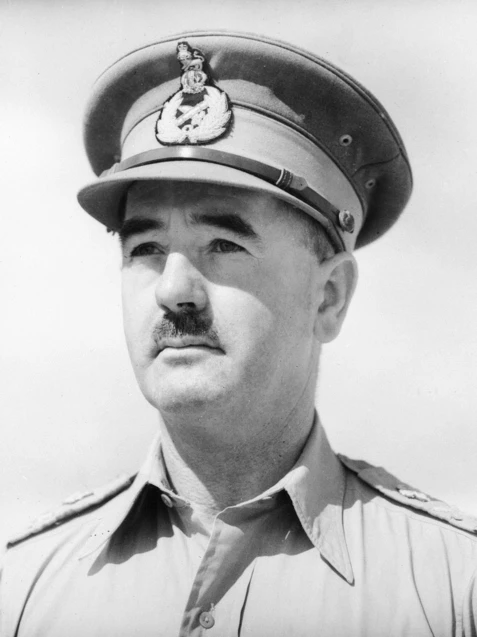
Morshead — Tobruk encircled, 10 April
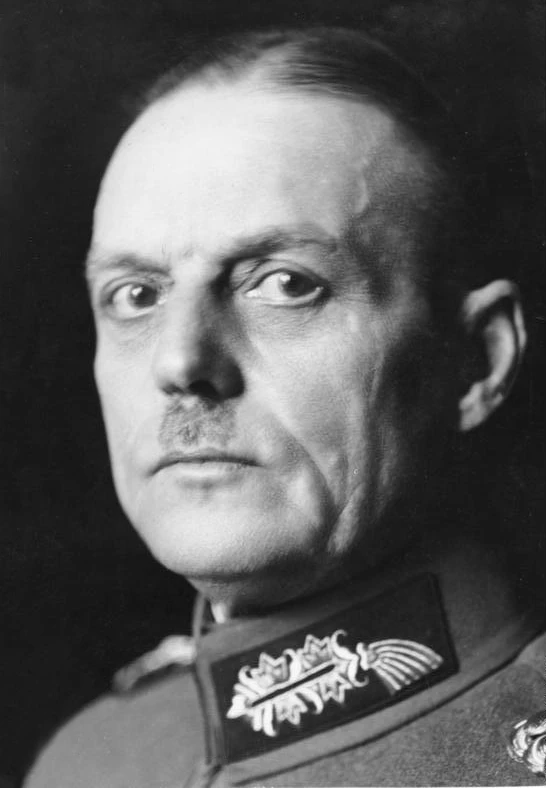
Rostov: Withdraw or Obey the Führer
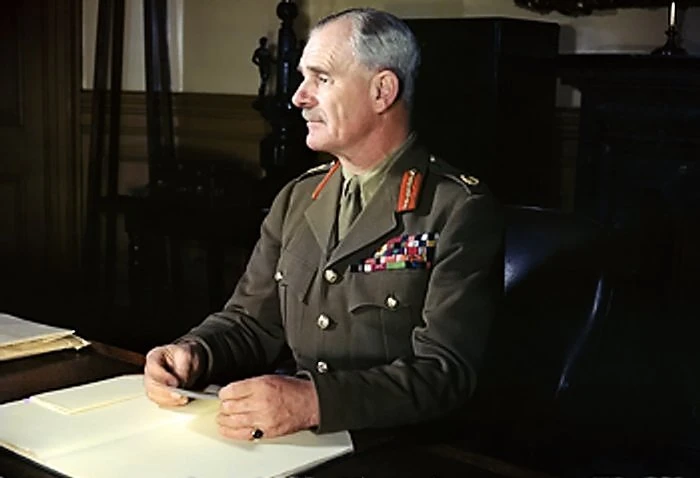
Wavell in the face of Rommel's storm
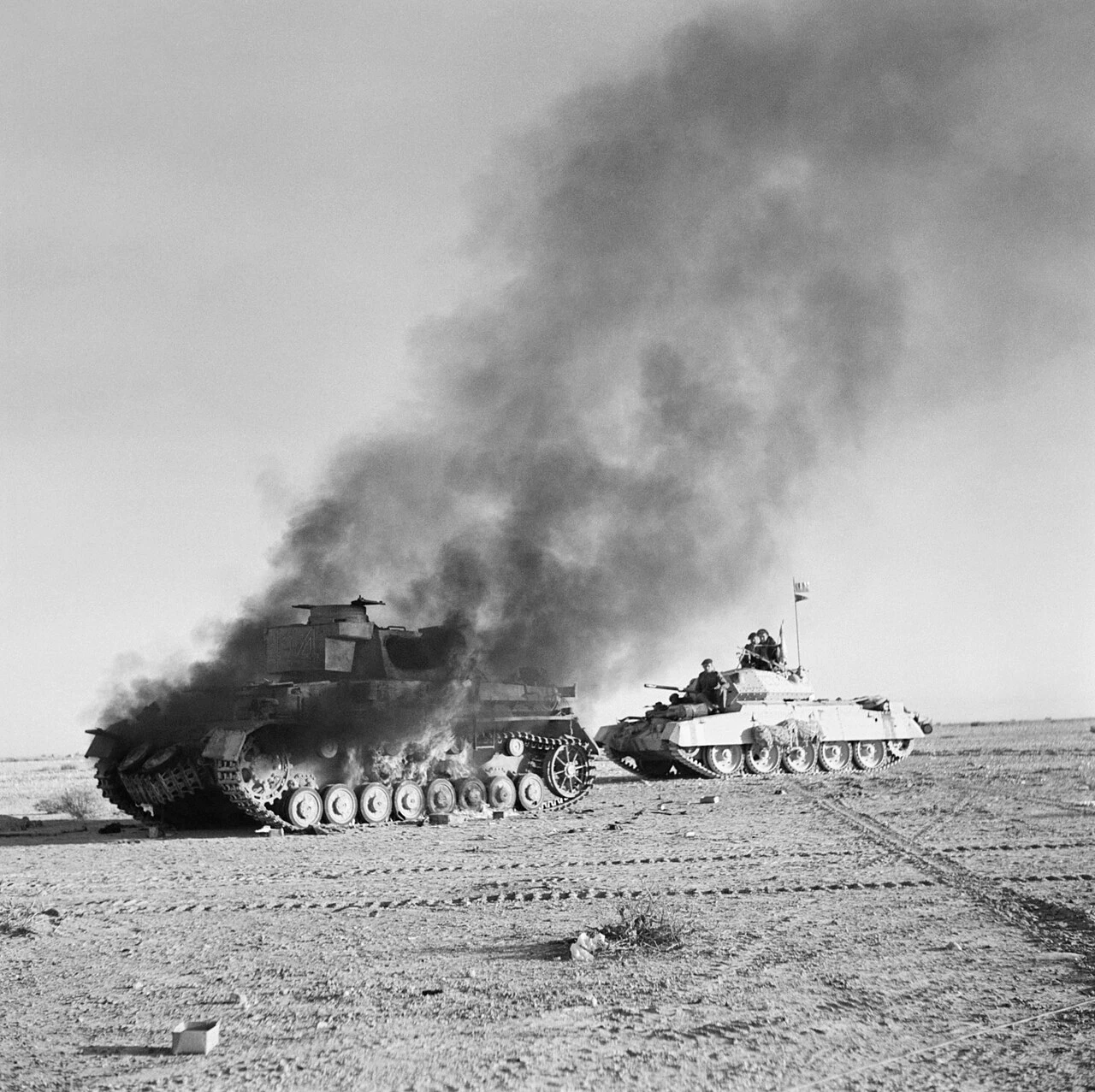
Crusader: The Generals' Doubt
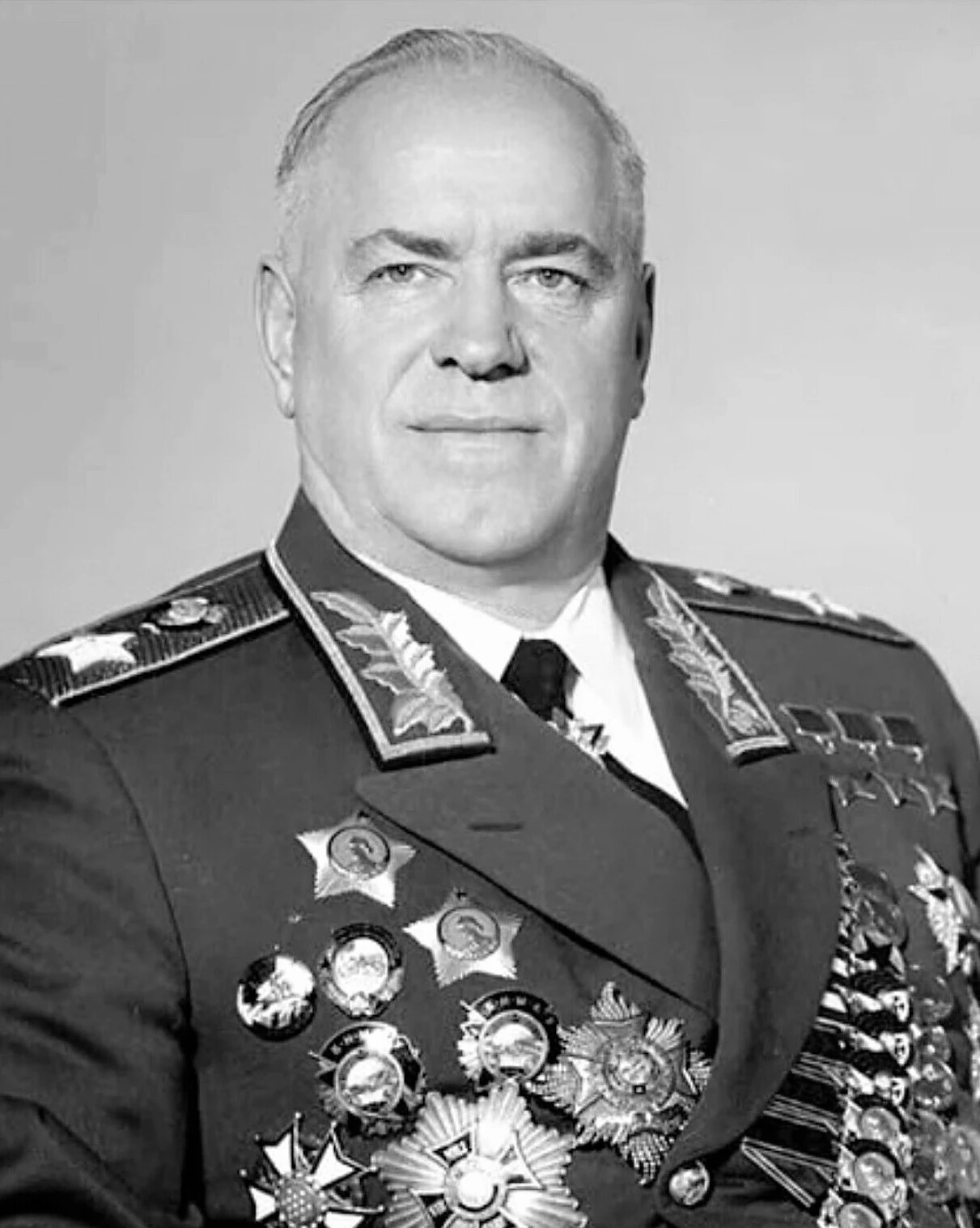
Zhukov Facing the Void Before Moscow
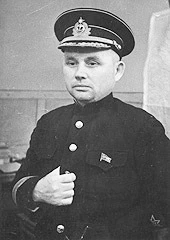
Sevastopol 1941: Vice Admiral Oktyabrsky's Dilemma
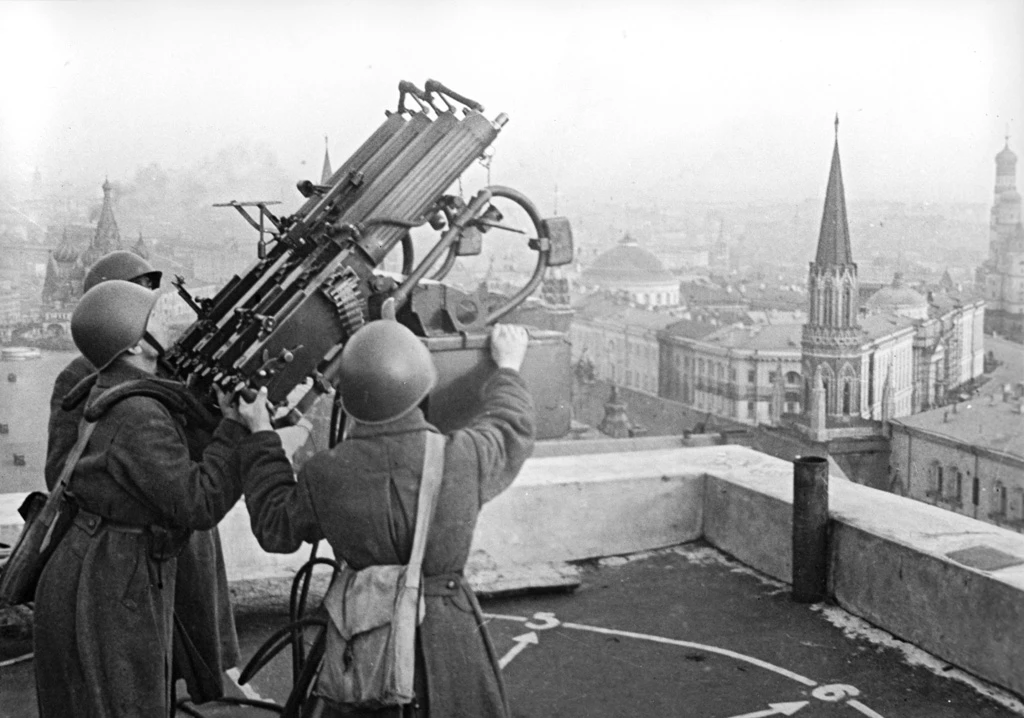
Vyazma, October 1941: the militia faces the onslaught
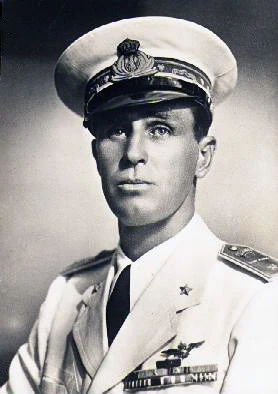
Amba Alagi — the Duke of Aosta encircled
Asmara: a second Keren or an open city?
Barbarossa — 3:15 a.m.
Morshead — Tobruk encircled, 10 April
Rostov: Withdraw or Obey the Führer
Wavell in the face of Rommel's storm
Crusader: The Generals' Doubt
Zhukov Facing the Void Before Moscow
Sevastopol 1941: Vice Admiral Oktyabrsky's Dilemma
Vyazma, October 1941: the militia faces the onslaught
Amba Alagi — the Duke of Aosta encircled
Asmara: a second Keren or an open city?