
Coventry — the night of November 14
An industrial center of the Midlands, Coventry concentrates armament, aviation and machine-tool factories. On the night of November 14-15, 1940, the Luftwaffe launches against it Operation Moonlight Sonata: more than 400 bombers, guided by radio beams, are to destroy the city in a concentrated attack — a demonstration of "radio-beam warfare" and area bombing.
The medieval city, densely built and full of old houses, is terribly vulnerable. The first waves drop incendiary bombs that light innumerable fires; the following waves add high-explosive bombs that hamper rescue and feed a firestorm. Water runs short when the mains are broken.
That night, the civil defense services — firemen, ARP wardens, ambulance crews — face a blaze beyond their means. Should the teams be dispersed to save as many lives as possible in the residential districts, the effort concentrated on the armament factories judged to have priority, or pulled back to spare the rescuers in the face of an uncontrollable fire?
How should Coventry's emergency services apportion their effort that night?
The rescue services chiefly try to apply A, but the scale of the disaster overwhelms them. The bombing, one of the most destructive of the Blitz, kills about 568 people, wounds hundreds, and destroys the medieval center and St. Michael's Cathedral, whose ruins will become a symbol. Dozens of factories are damaged, but production resumes within a few weeks. The Nazis coin the verb coventrieren ("to Coventrate") to mean wiping out a city. The thesis that Churchill, warned by Ultra decrypts, knowingly let Coventry be destroyed to protect the secret is today largely refuted: intelligence did not clearly designate the target in time. Coventry remains the emblem of the martyrdom of cities under the bombs.
Learn more about this event
Related polls
10
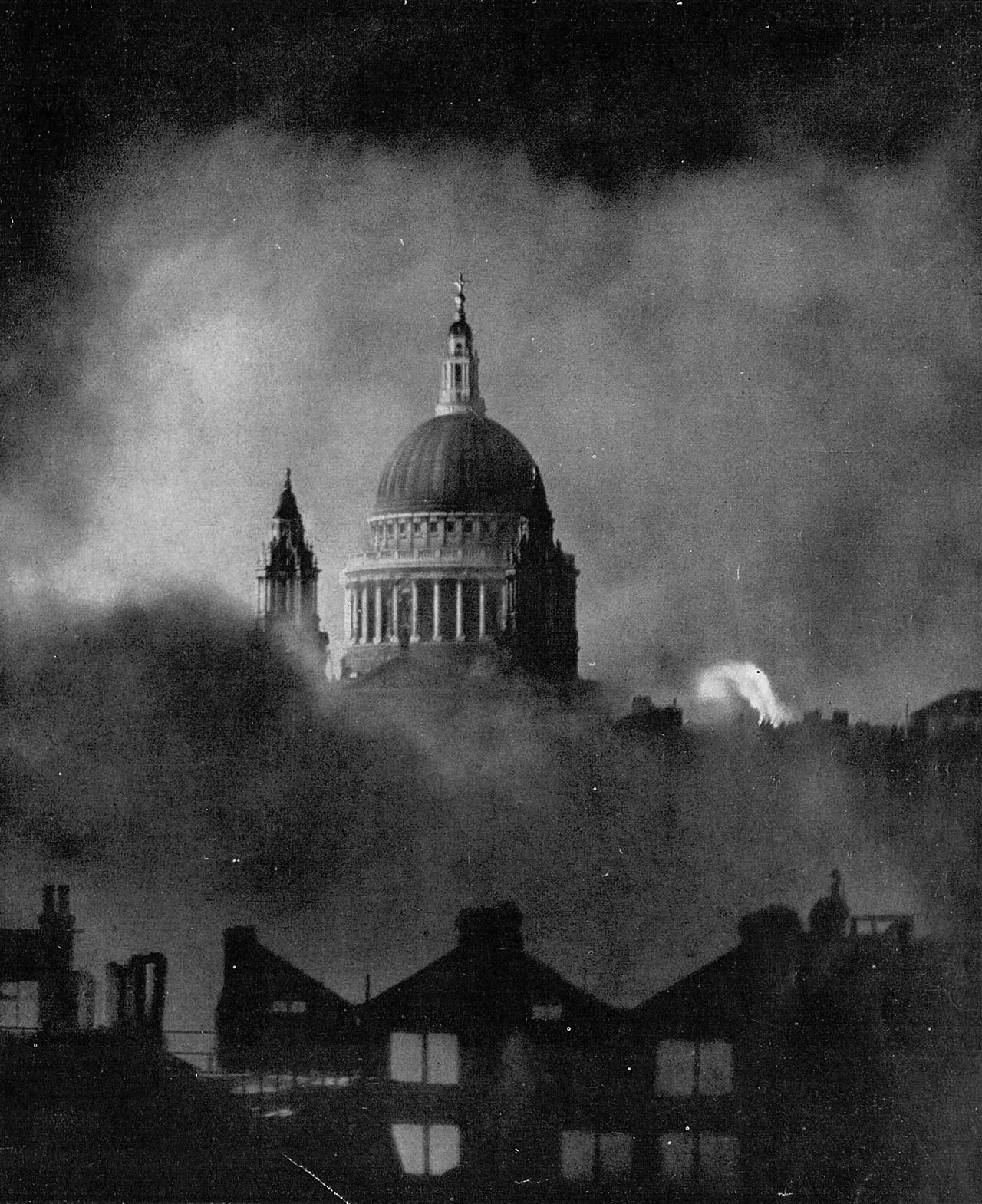
The Second Great Fire of London
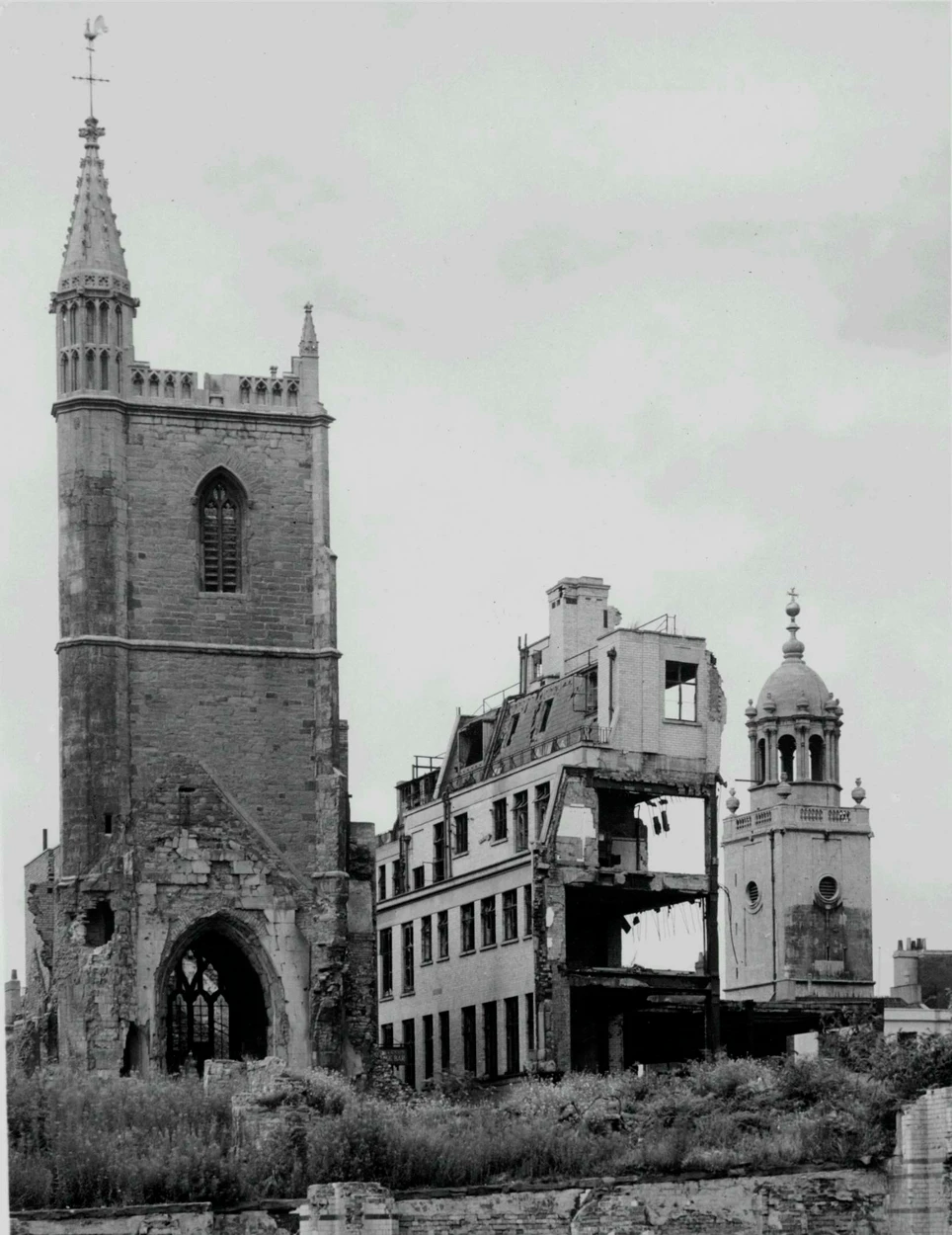
The last great night of the Blitz
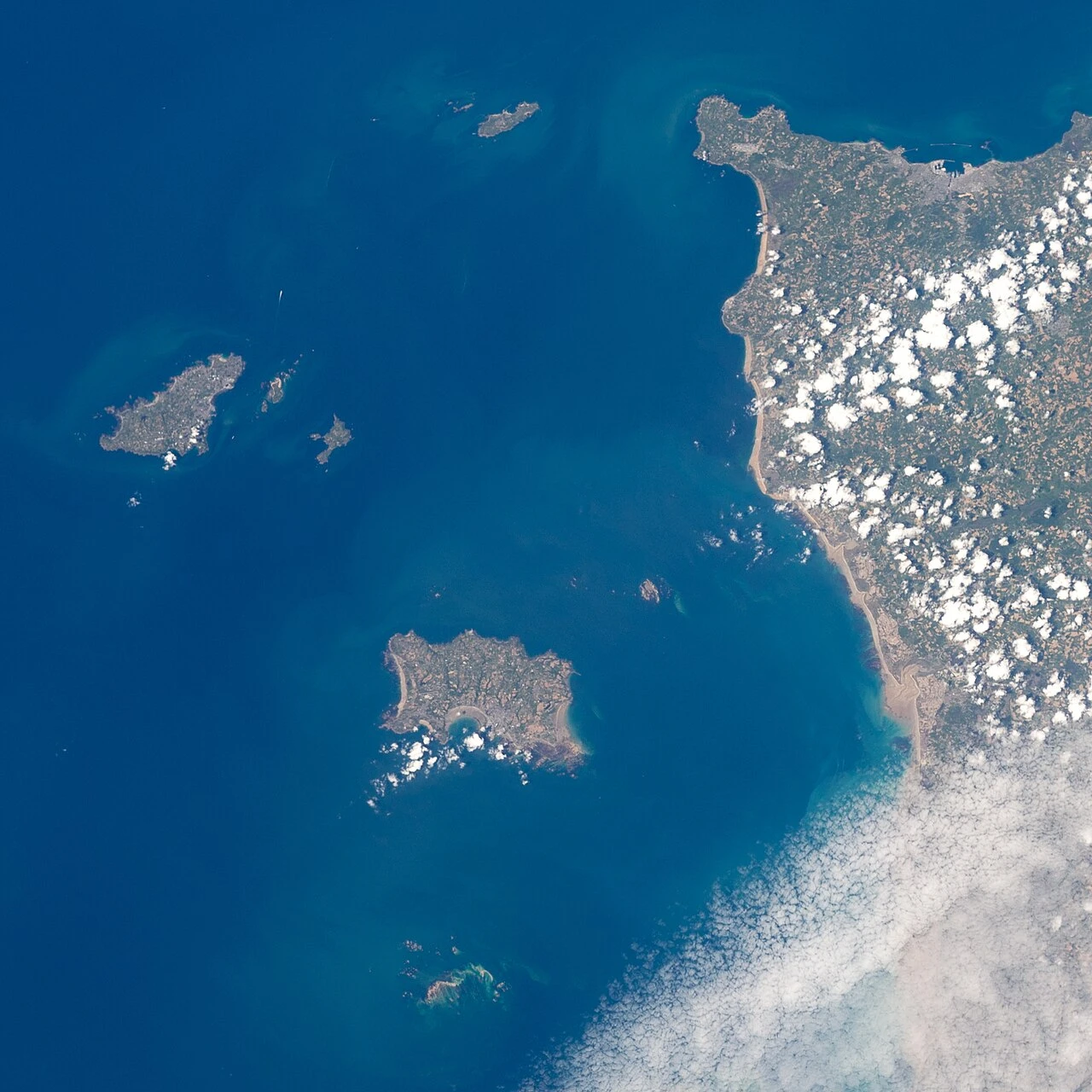
The Channel Islands — open city?
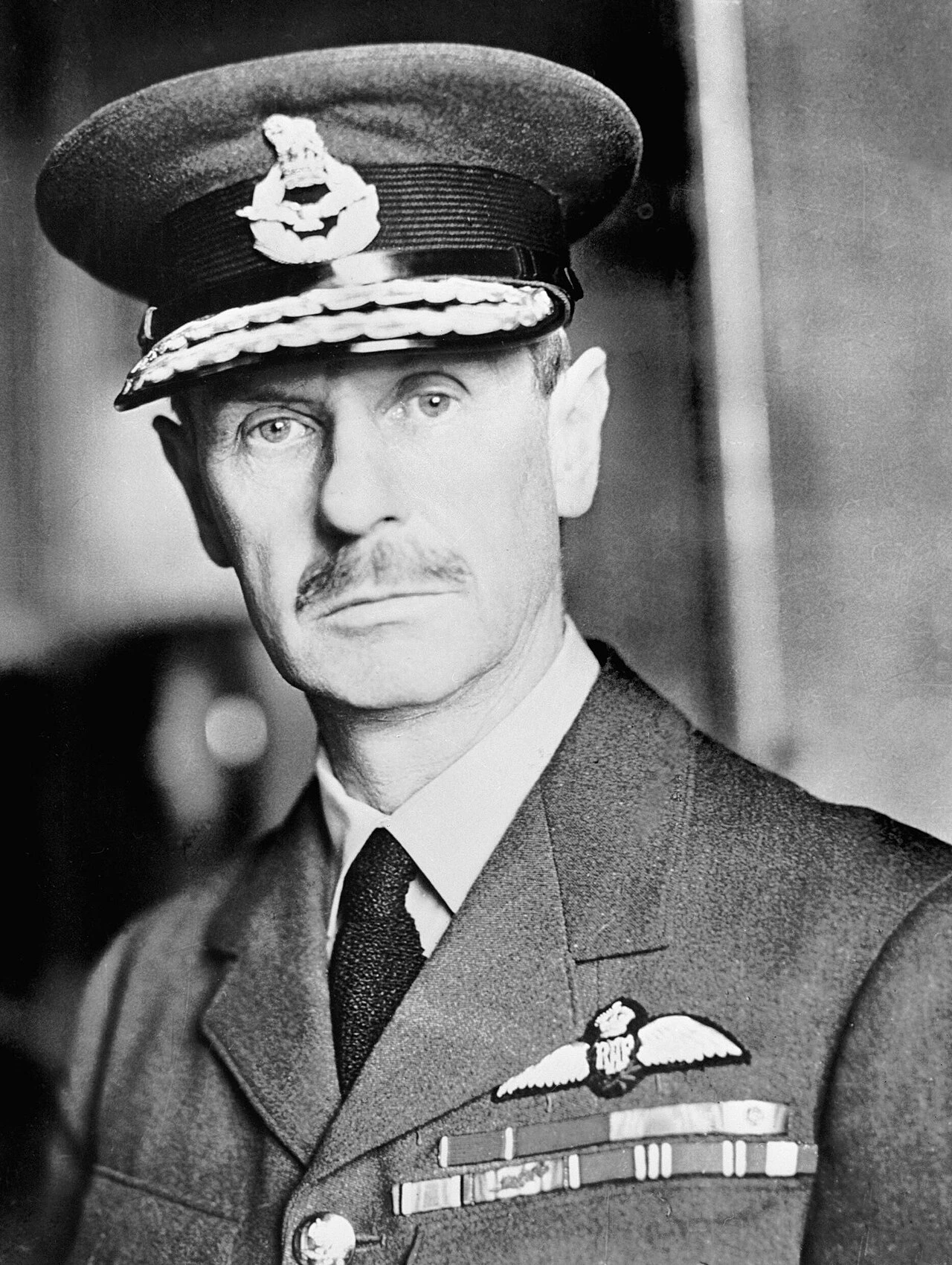
Dowding and the Last Reserves — 15 September 1940
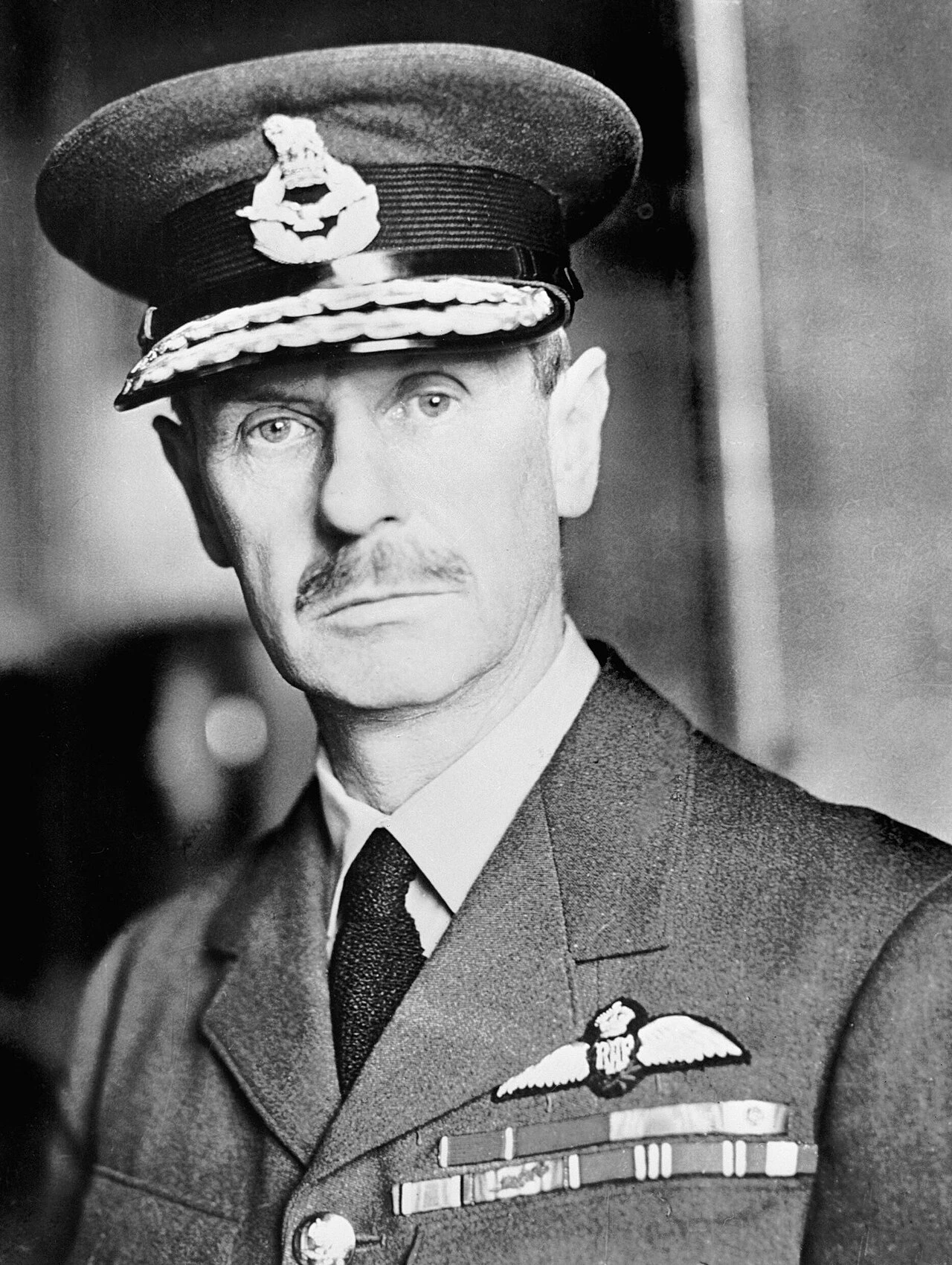
Dowding — Keep the Fighters?
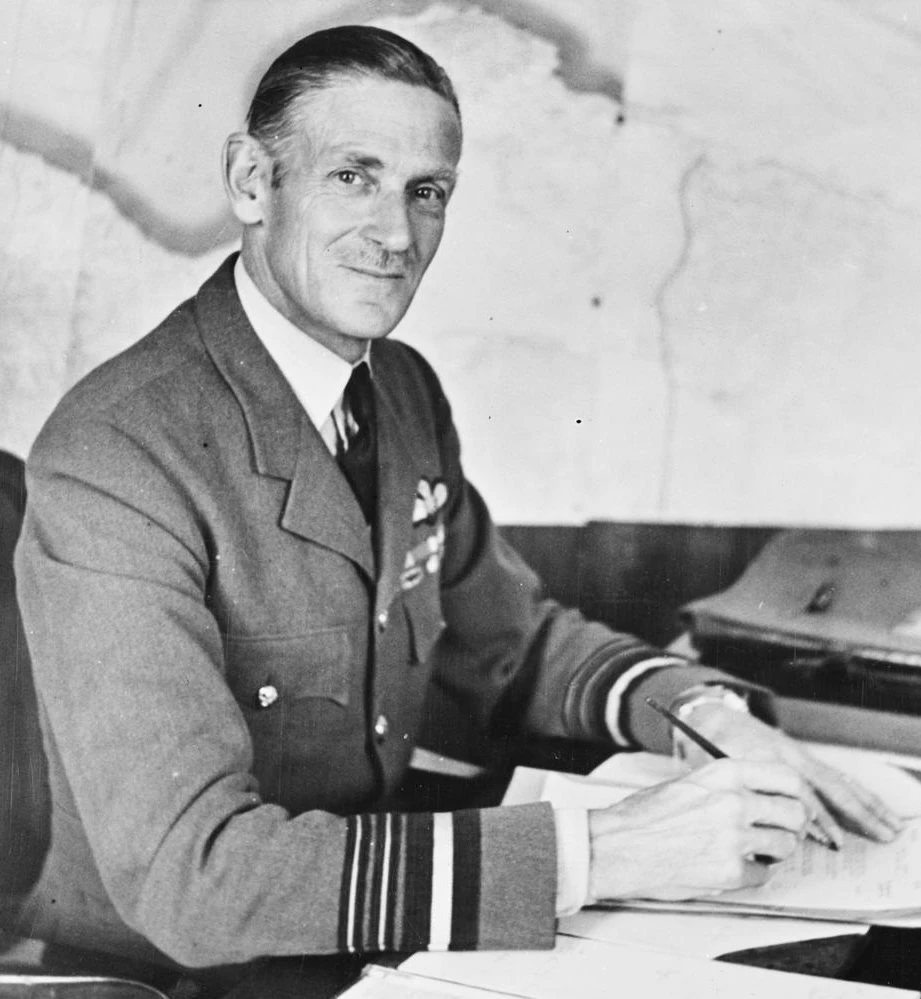
Keith Park at Uxbridge — September 15
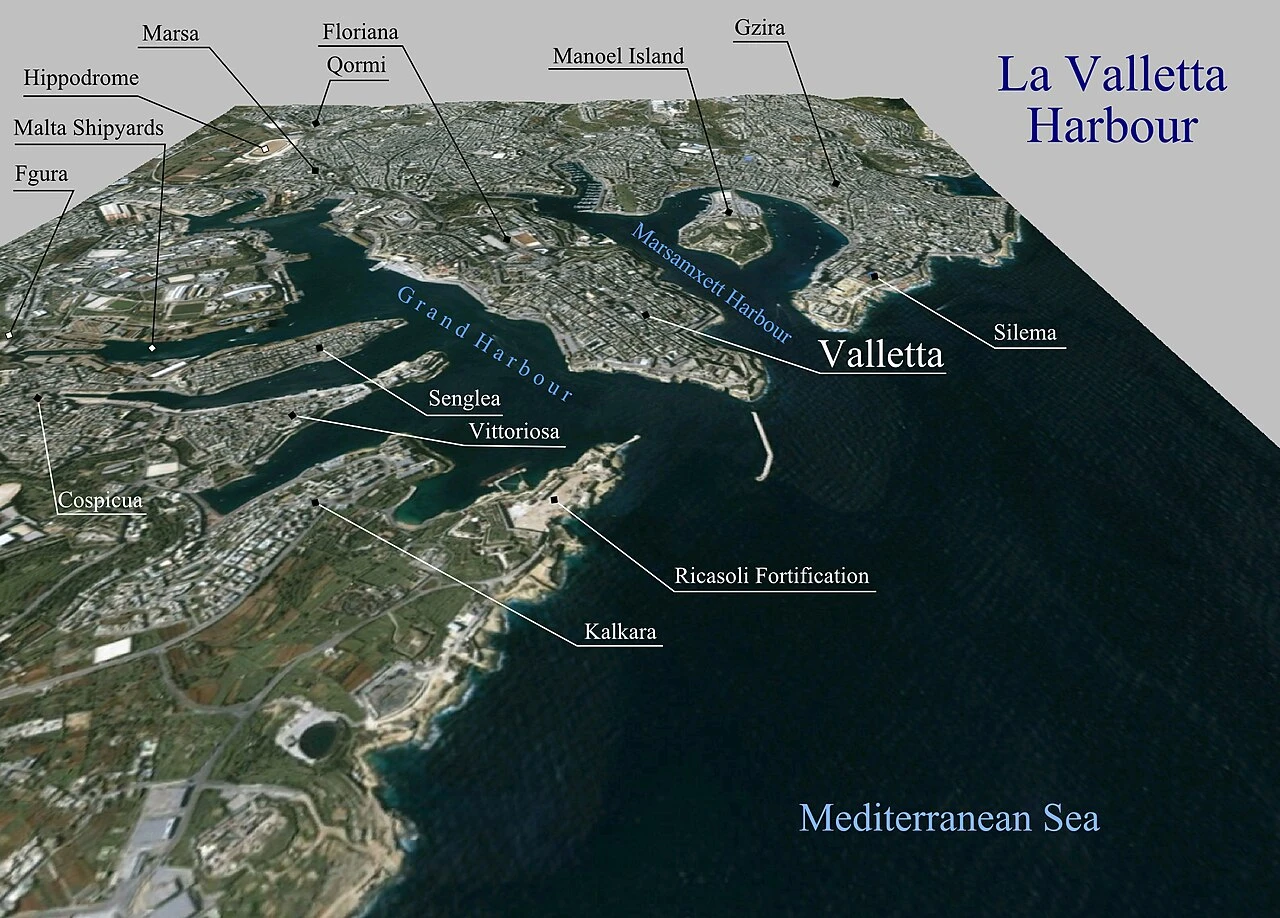
Malta under the 'Illustrious Blitz'
Gas Masks
The Polish Pilots of 303 Squadron
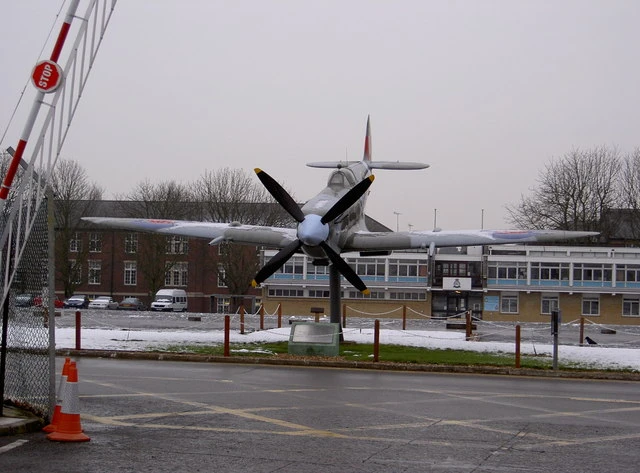
The Uxbridge plotter
The Second Great Fire of London
The last great night of the Blitz
The Channel Islands — open city?
Dowding and the Last Reserves — 15 September 1940
Dowding — Keep the Fighters?
Keith Park at Uxbridge — September 15
Malta under the 'Illustrious Blitz'
Gas Masks
The Polish Pilots of 303 Squadron