
Davakis in the Pindus
When Italy invades Greece on October 28, 1940, the main Italian effort goes through the mountains of Epirus and the Pindus, where the alpine — elite troops — is to break through toward Metsovo to cut the Greek army in two. Facing this thrust, Colonel has only a very thin Pindus detachment: a few thousand men to cover a wide mountain sector.
The Greek commander-in-chief, Papagos, deliberately did not mass his forces on the border, in order not to expose them; time must therefore be bought while mobilization runs its course and reinforcements arrive. The terrain is harsh — flooded torrents, collapsed tracks, early snow — but it favors the defender who knows it.
Davakis must decide on his tactics against an enemy far superior in numbers and equipment: hold a fixed line at the risk of being broken and outflanked, withdraw to preserve his detachment, or wage a mobile and aggressive defense in the passes to slow the Julia long enough for the Greek army to deploy.
How should Davakis contain the Italian thrust in the Pindus?
Davakis chooses C: he harries the in the passes, launches local counter-attacks and blocks the Italian advance during the decisive first days, long enough for Greek reinforcements to come up. The Julia is soon surrounded and battered around the Pindus gorges; in early November the Greeks regain the initiative and take thousands of prisoners. Gravely wounded during a reconnaissance, Davakis becomes a national hero. His action illustrates the Greek resistance of autumn 1940, which turned an invasion announced as a stroll into an Italian rout, driven back into Albania. Captured later by the Italians, Davakis will die in 1943 in the sinking of a prisoner transport ship.
Learn more about this event
Related polls
10
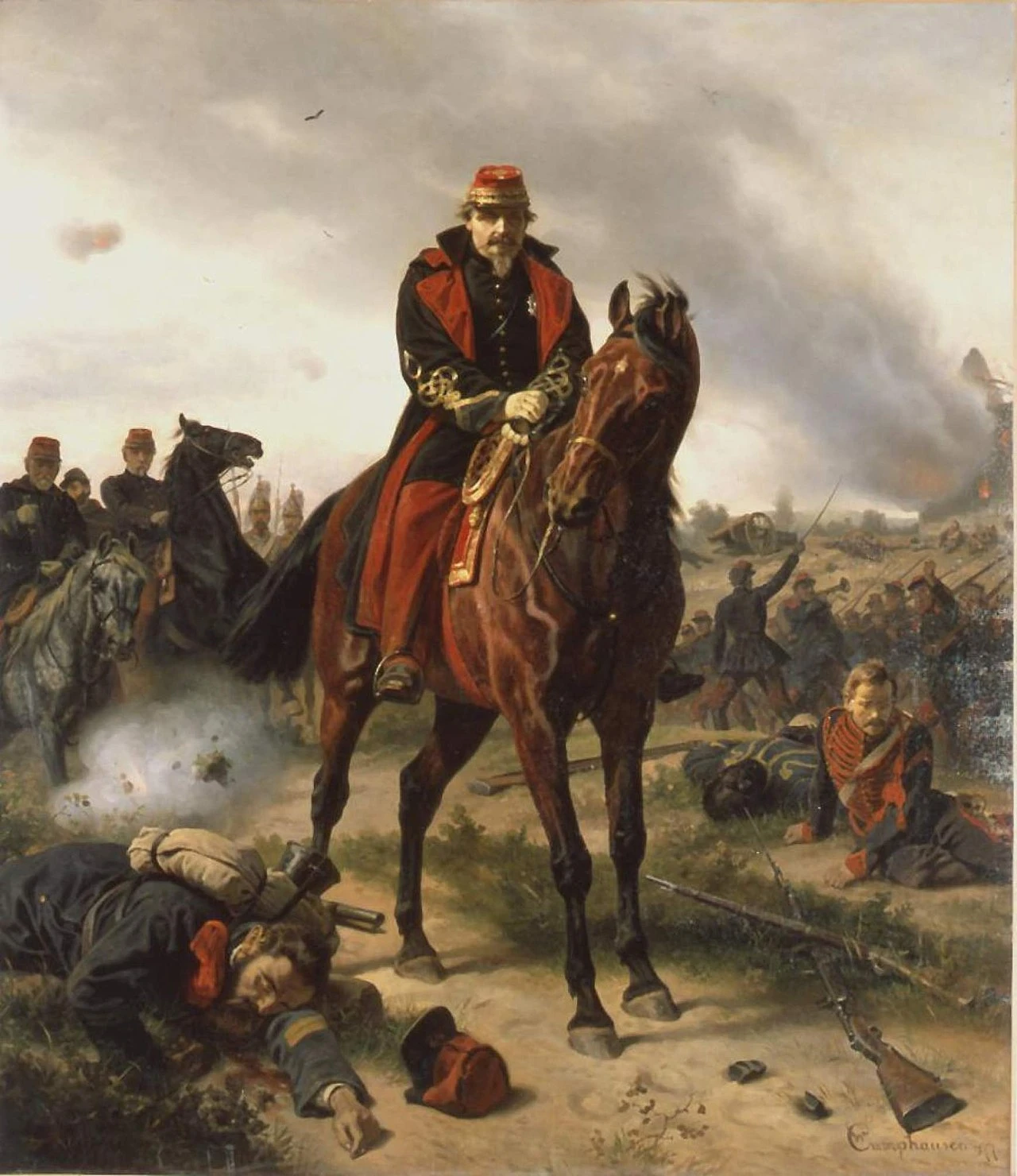
Bulson — Lafontaine and the 02:00 rumour
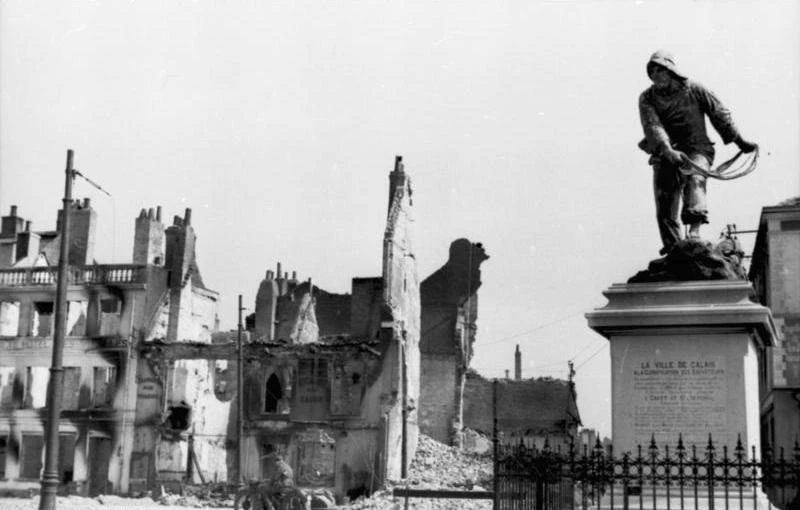
Calais — Nicholson facing the ultimatum
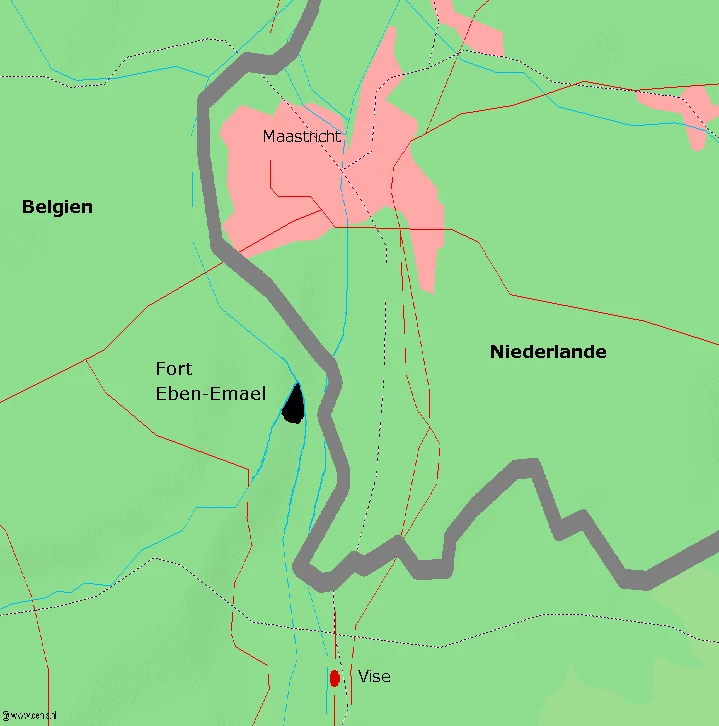
Eben-Emael — Jottrand under the explosions
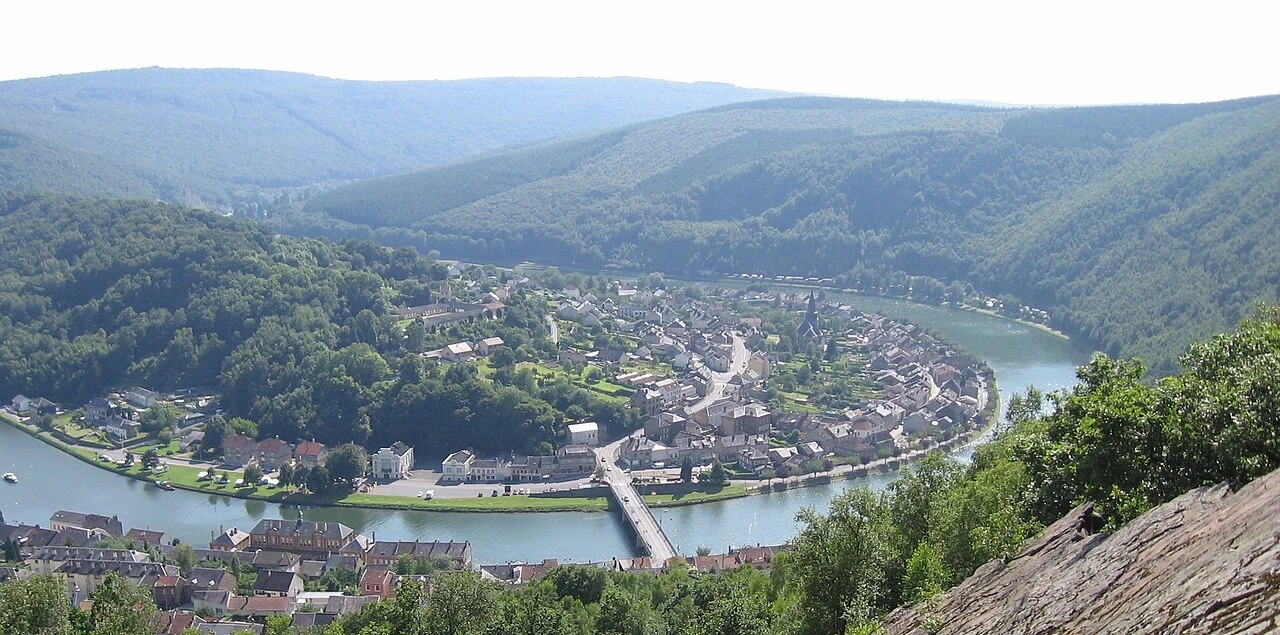
Monthermé — Portzert in the Meuse loop
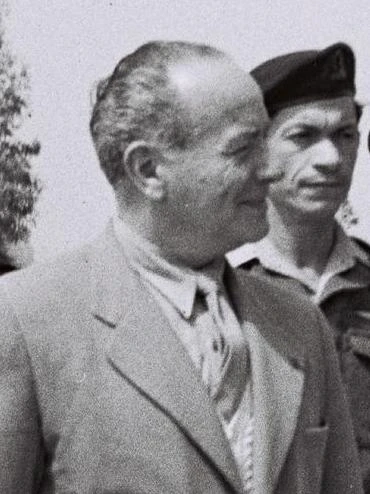
Stonne — Billotte facing the Panzer column
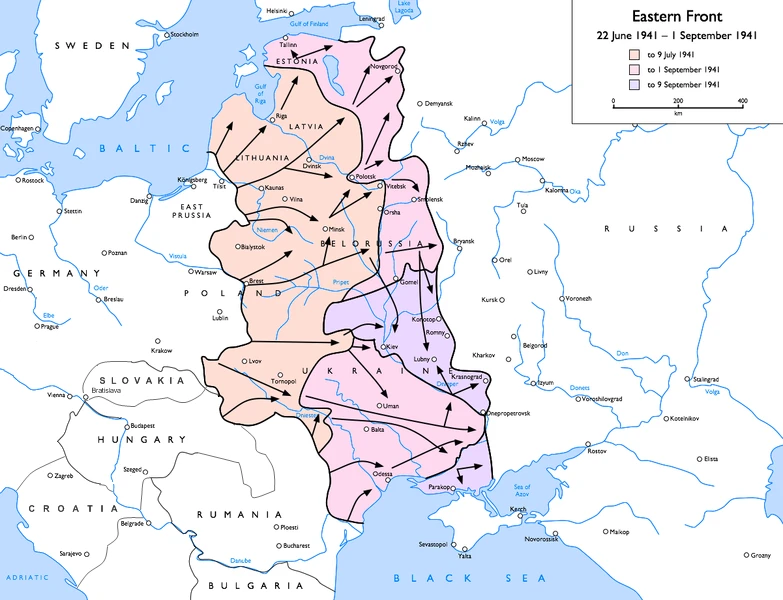
Brest — the Encircled Fortress
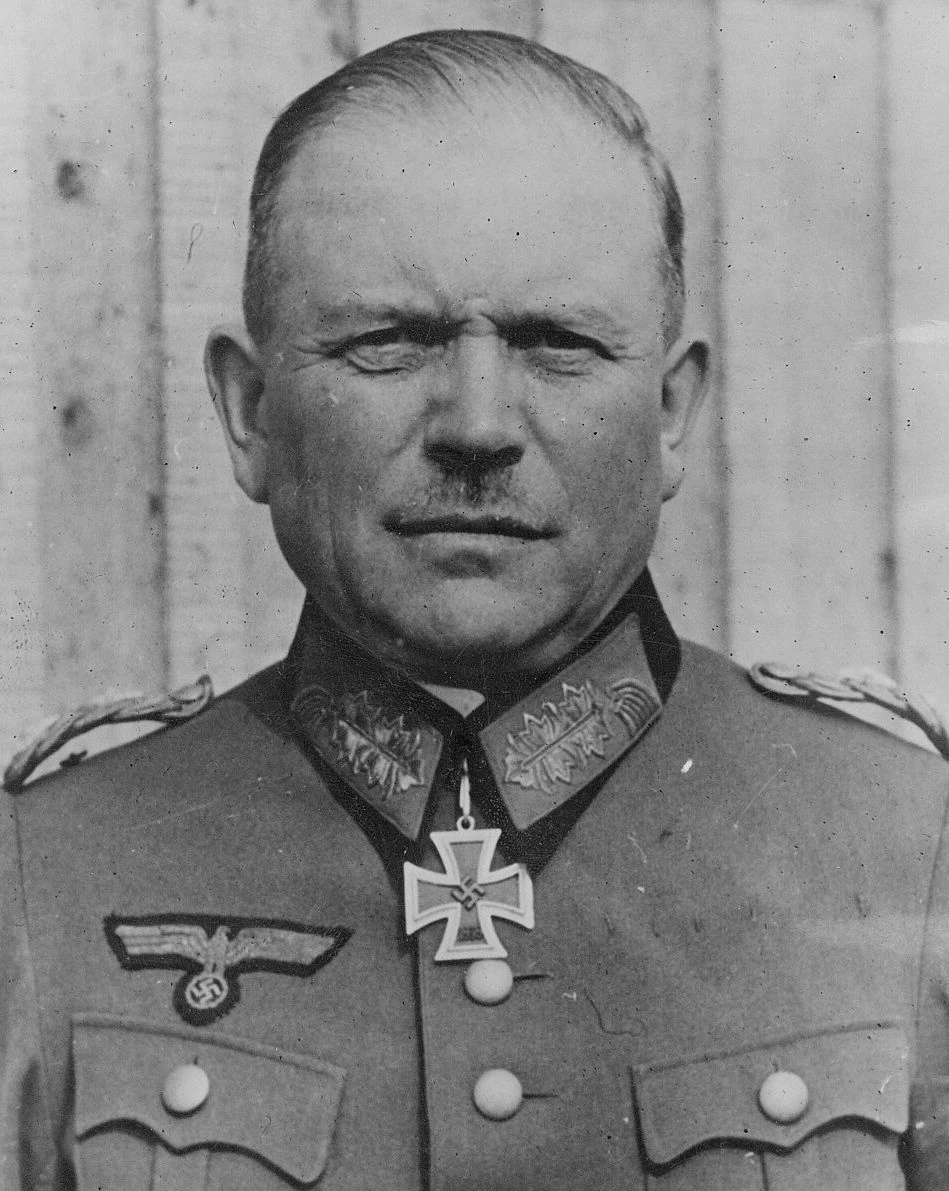
Brześć — Plisowski faces Guderian
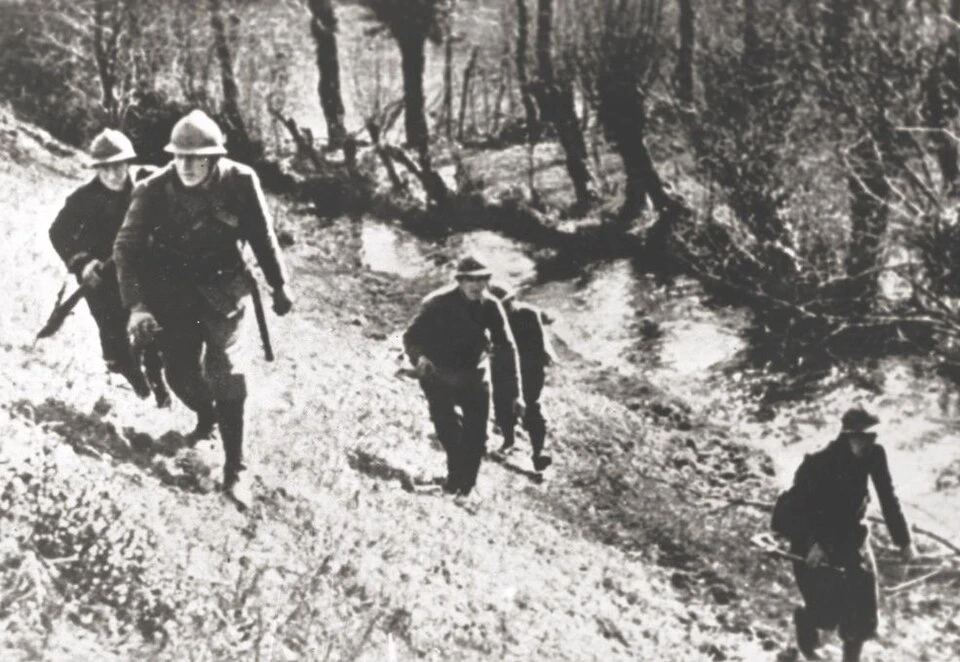
Kock — Kleeberg on the morning of 6 October
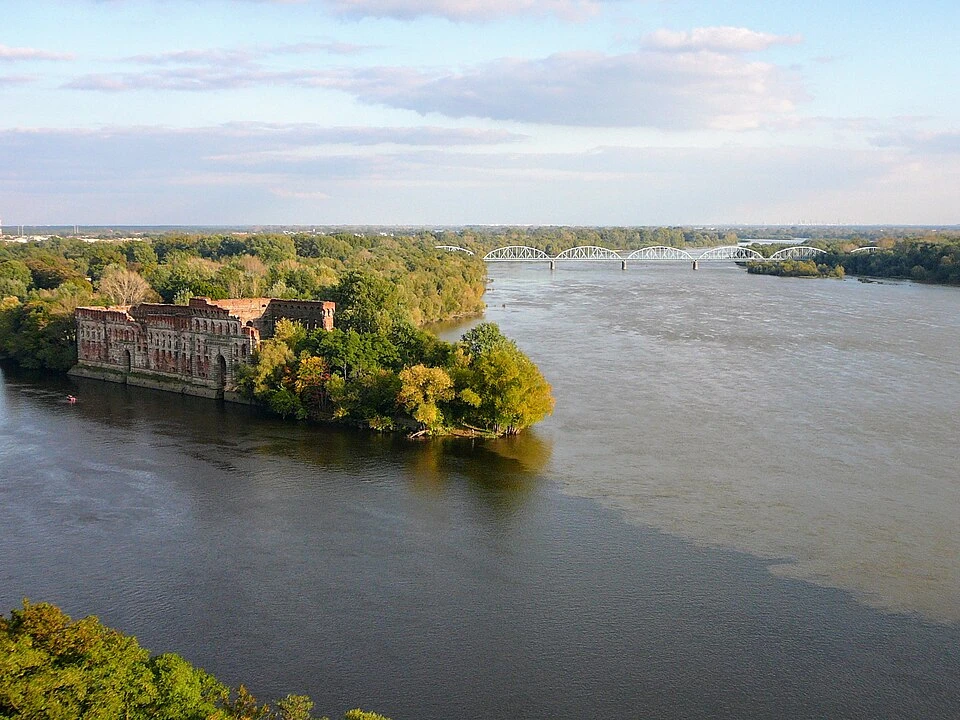
Modlin — Thommée at the last fortress
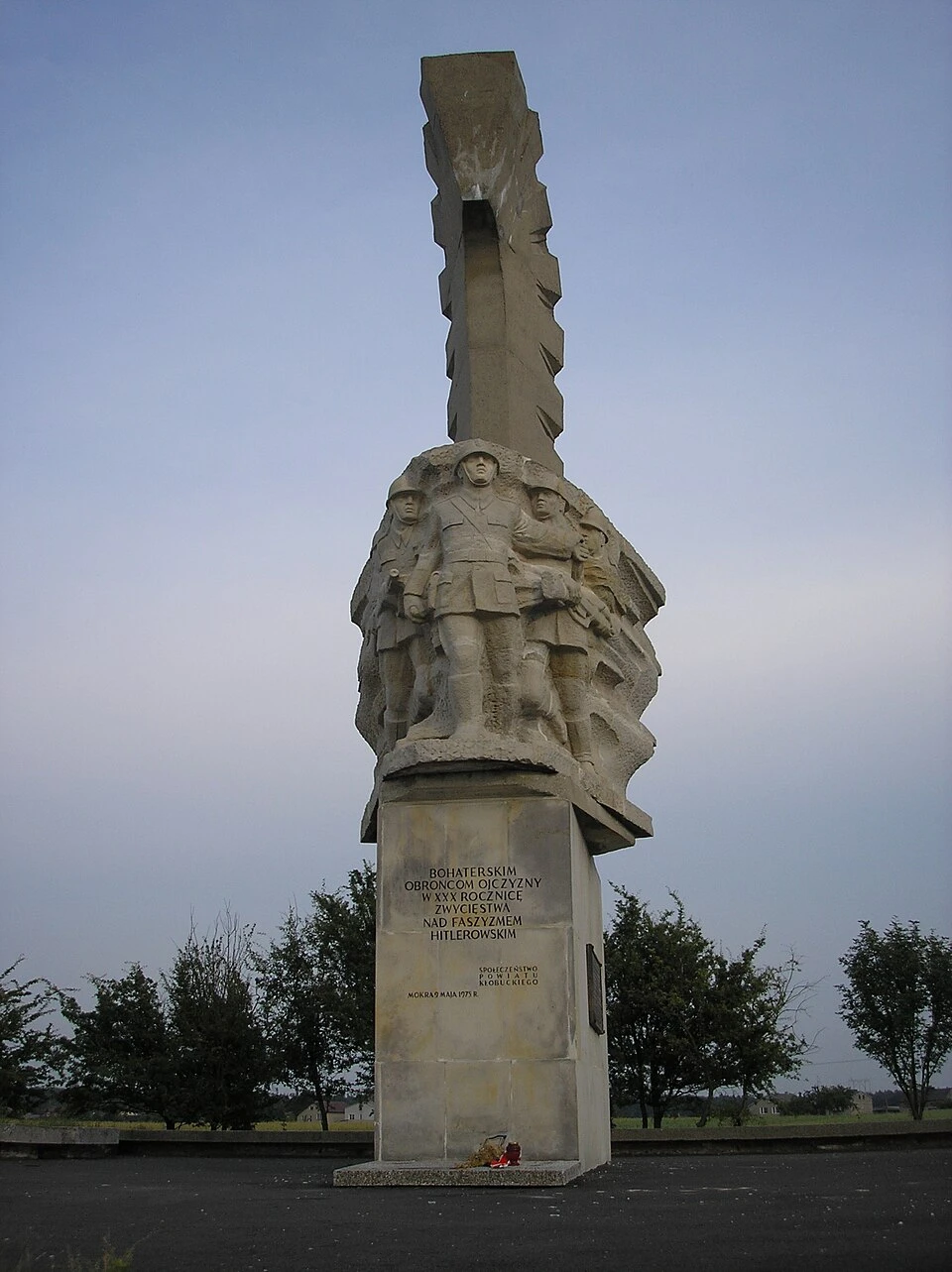
Mokra — Filipowicz and the Volhynian Brigade
Bulson — Lafontaine and the 02:00 rumour
Calais — Nicholson facing the ultimatum
Eben-Emael — Jottrand under the explosions
Monthermé — Portzert in the Meuse loop
Stonne — Billotte facing the Panzer column
Brest — the Encircled Fortress
Brześć — Plisowski faces Guderian
Kock — Kleeberg on the morning of 6 October
Modlin — Thommée at the last fortress