
The gun that will have to do
In 1939, the is seeking to strengthen the anti-tank defense of its infantry divisions. The small 45 mm gun in service fires rapidly and conceals well, but its penetration is already running out of steam against the armor that is growing thicker in Europe.
The design bureaus propose heavier calibers with greater penetration. But these new pieces would require new production lines, new tooling, time that industry may not have.
Should the bet be placed on a more powerful weapon that is slow to roll out, or should one rely on what the factories already know how to manufacture in bulk?
How can the infantry be equipped as quickly as possible with a mass-producible anti-tank weapon?
The USSR chose to modernize the 45 mm: the improved version (model 1937, then 1942) remained the infantry's standard anti-tank gun. The gamble on rapid production paid off, but in 1941 these guns proved inadequate against the frontal armor of the modernized Panzers, and anti-tank losses were heavy during the first year of Barbarossa.
Learn more about this event
Related polls
10
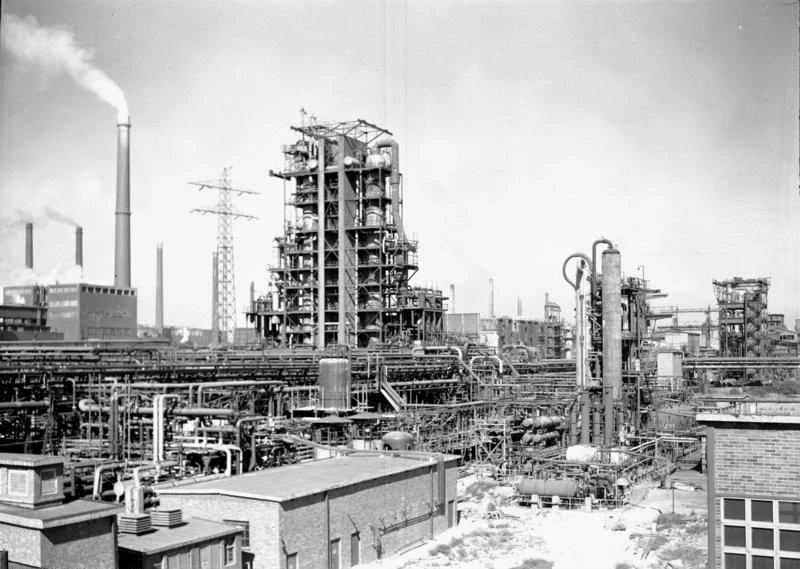
Making oil from coal
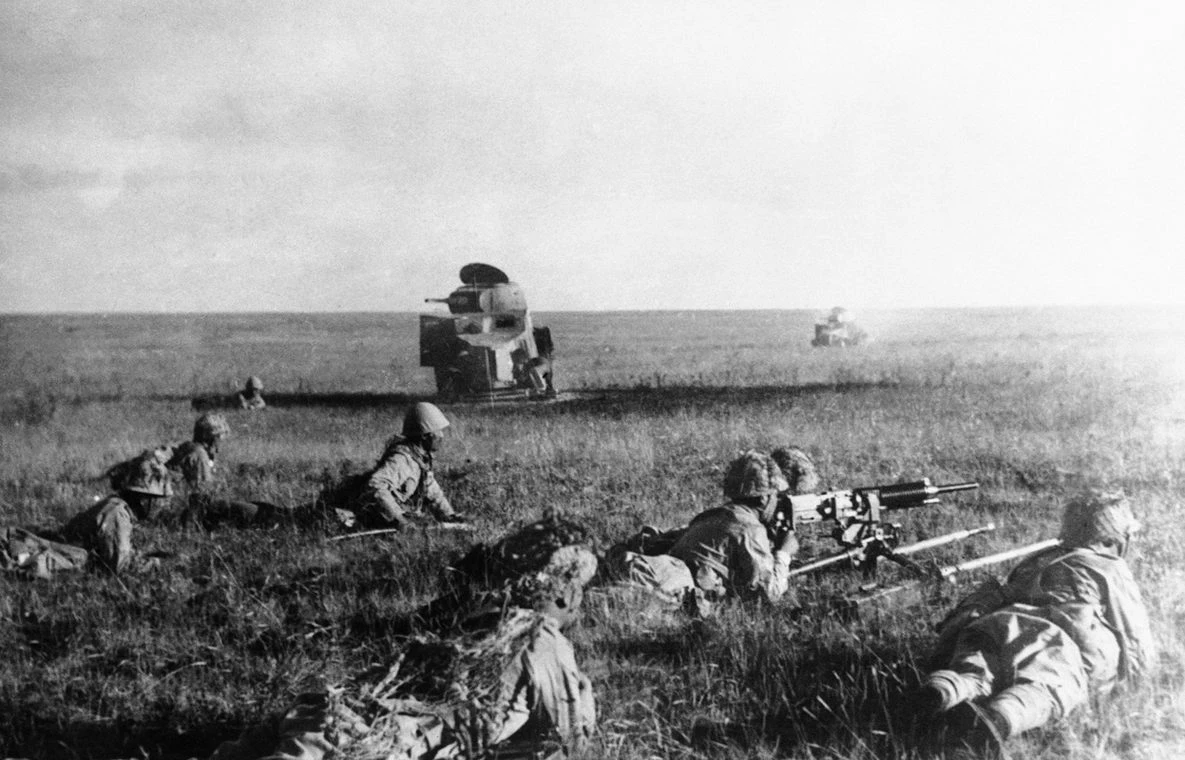
Kharkiv 1939 — track or wheel?
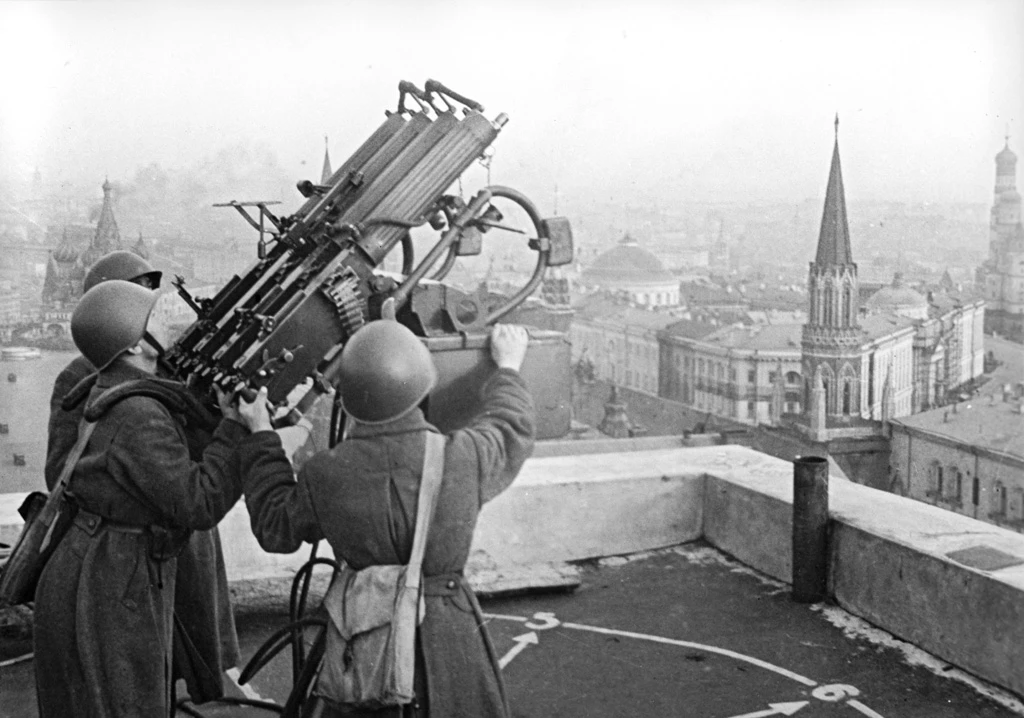
The physics student evacuated from Moscow
Records rather than machines
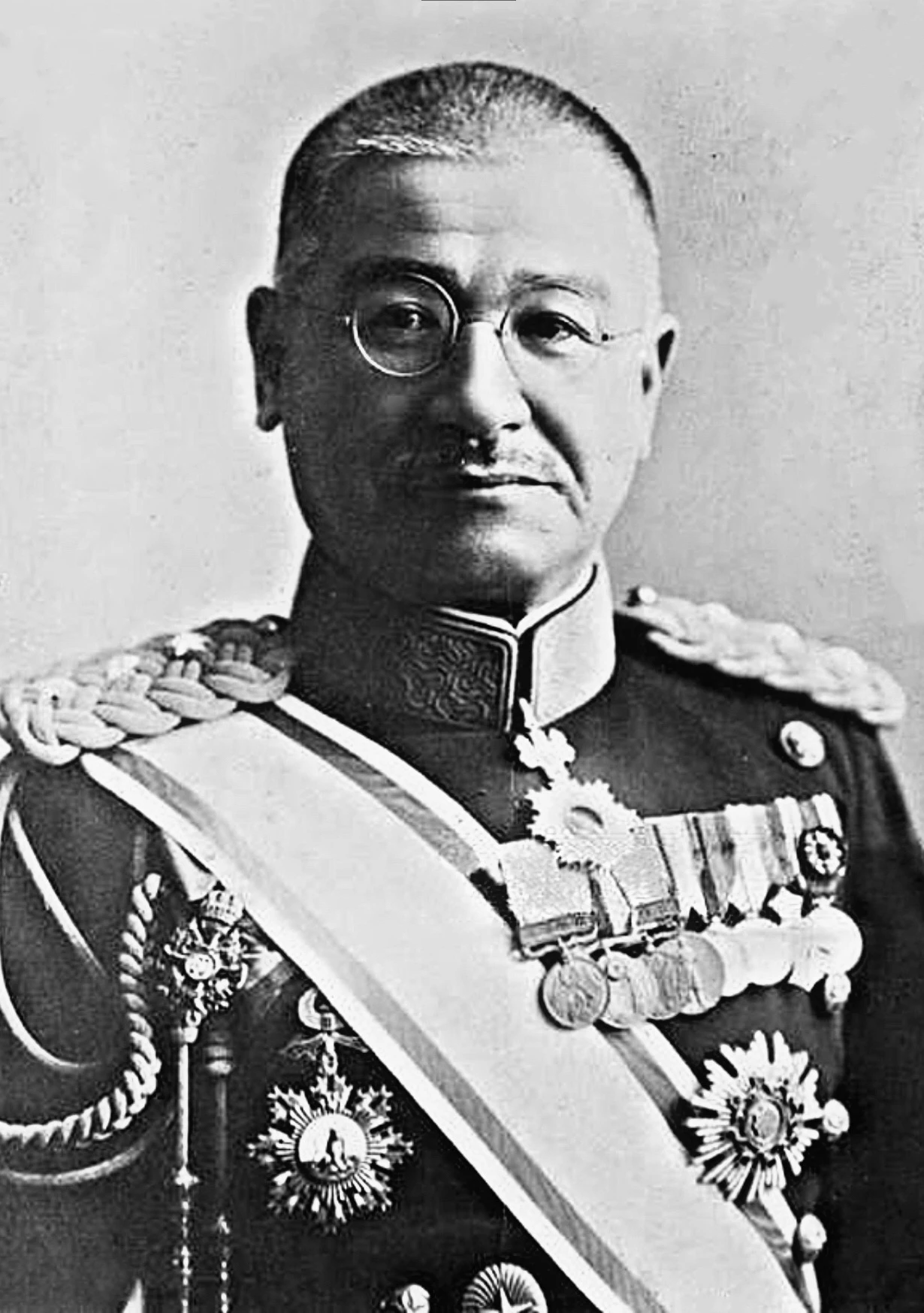
The Shinkolobwe Ore — a Belgian industrialist confronting the Congo's uranium
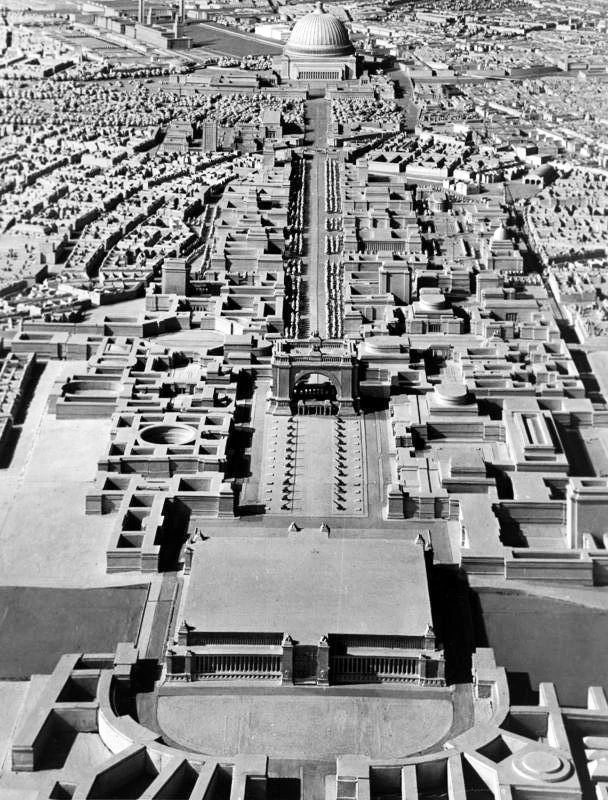
Speer and the Germania trade-off
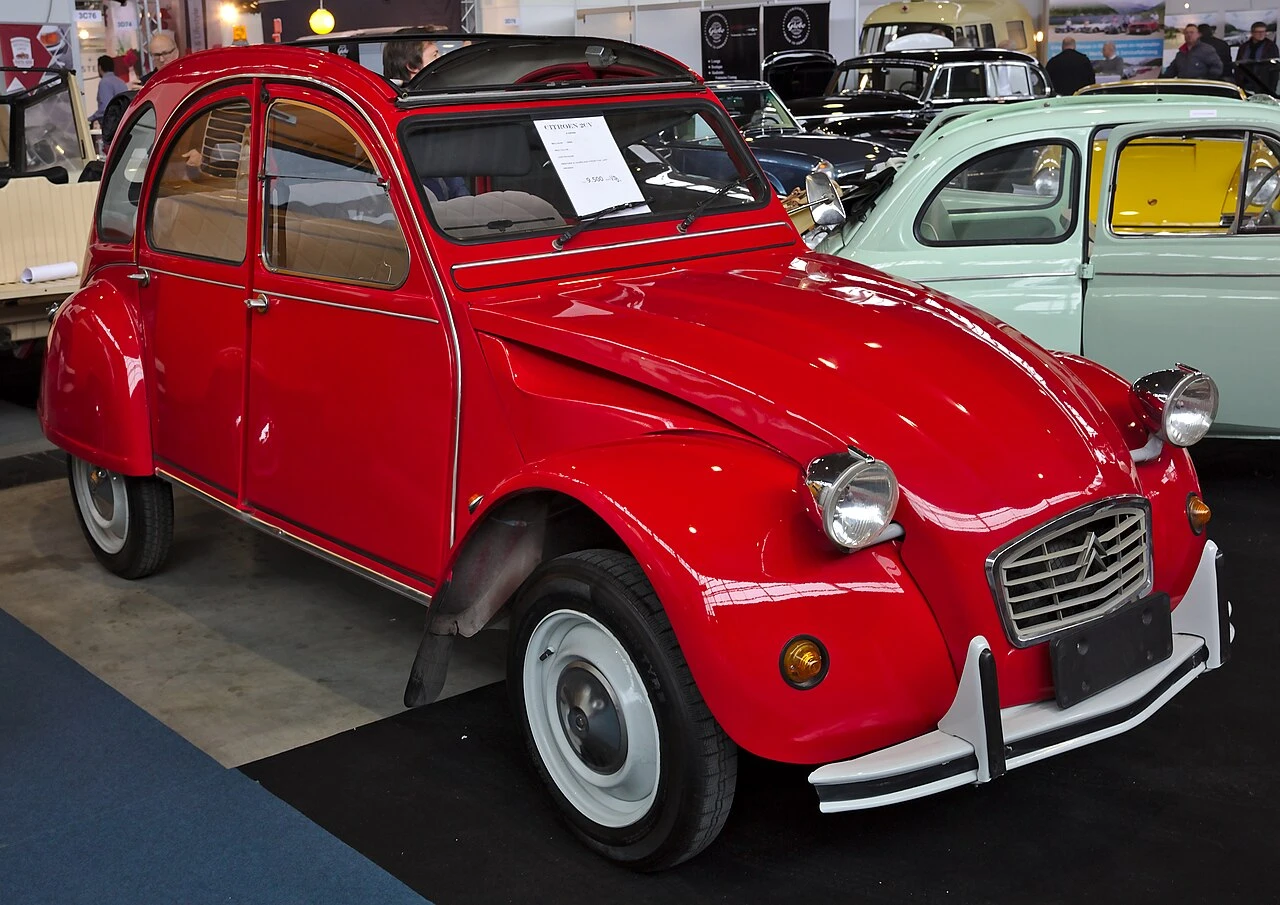
Citroën, the occupier and the secret little car
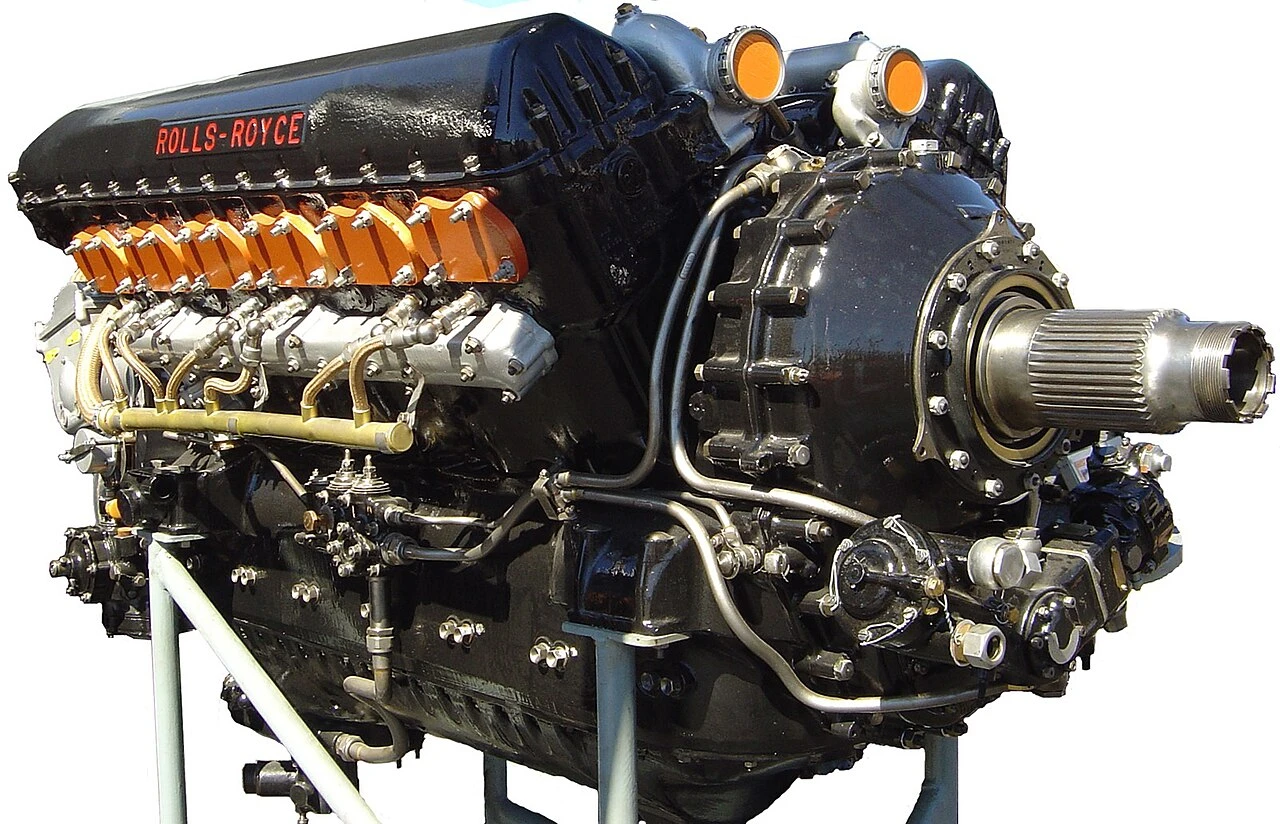
Car assembly lines for an aircraft engine
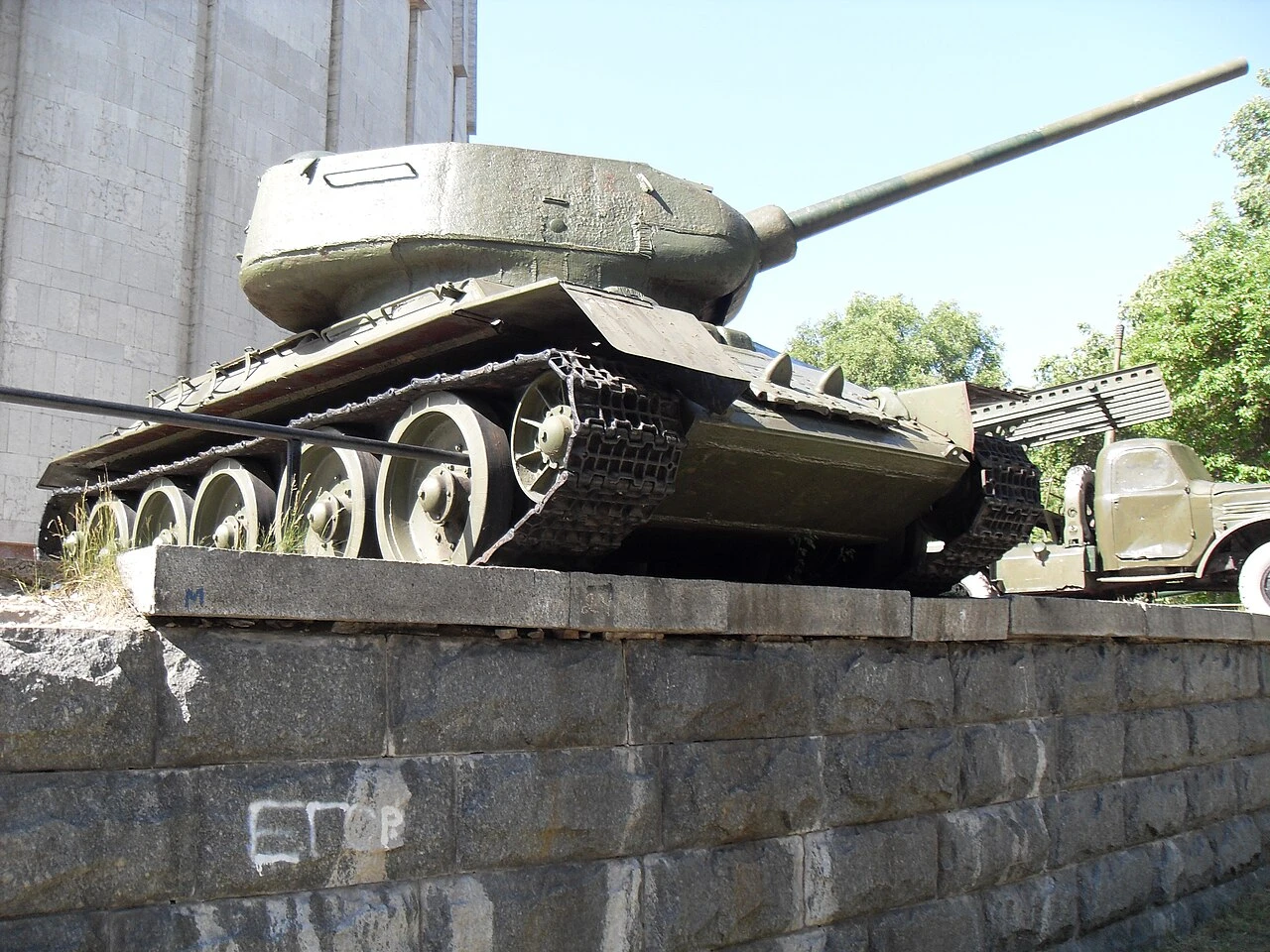
Ten thousand tanks, and nothing on paper
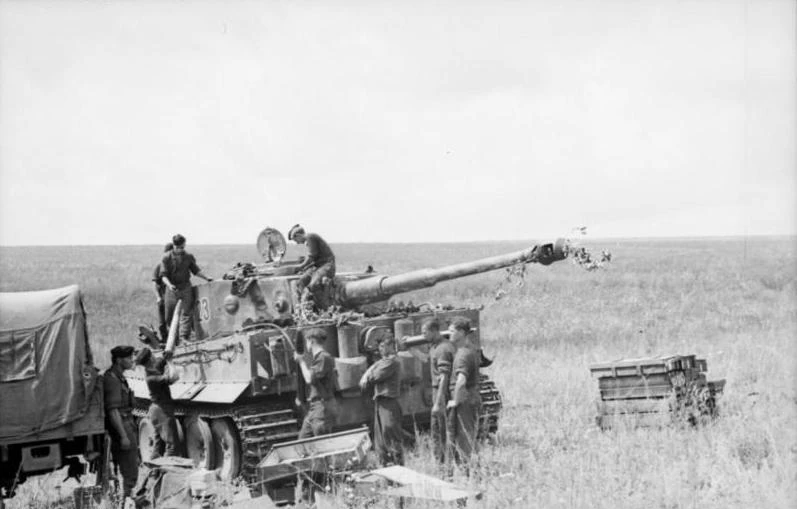
Krupp and the Beast's Cannon
Making oil from coal
Kharkiv 1939 — track or wheel?
The physics student evacuated from Moscow
Records rather than machines
The Shinkolobwe Ore — a Belgian industrialist confronting the Congo's uranium
Speer and the Germania trade-off
Citroën, the occupier and the secret little car
Car assembly lines for an aircraft engine
Ten thousand tanks, and nothing on paper