
Abbeville — the fate of the internees
At the start of the invasion, the Belgian authorities had hundreds of "suspects" arrested — foreigners, political militants deemed dangerous — on the orders of Auditor General Ganshof van der Meersch. Among these administrative internees are figures of the Flemish and French-speaking far right, including (founder of the Verdinaso, a fascist but hostile to Nazism) and . Many are transferred to France as the army retreats.
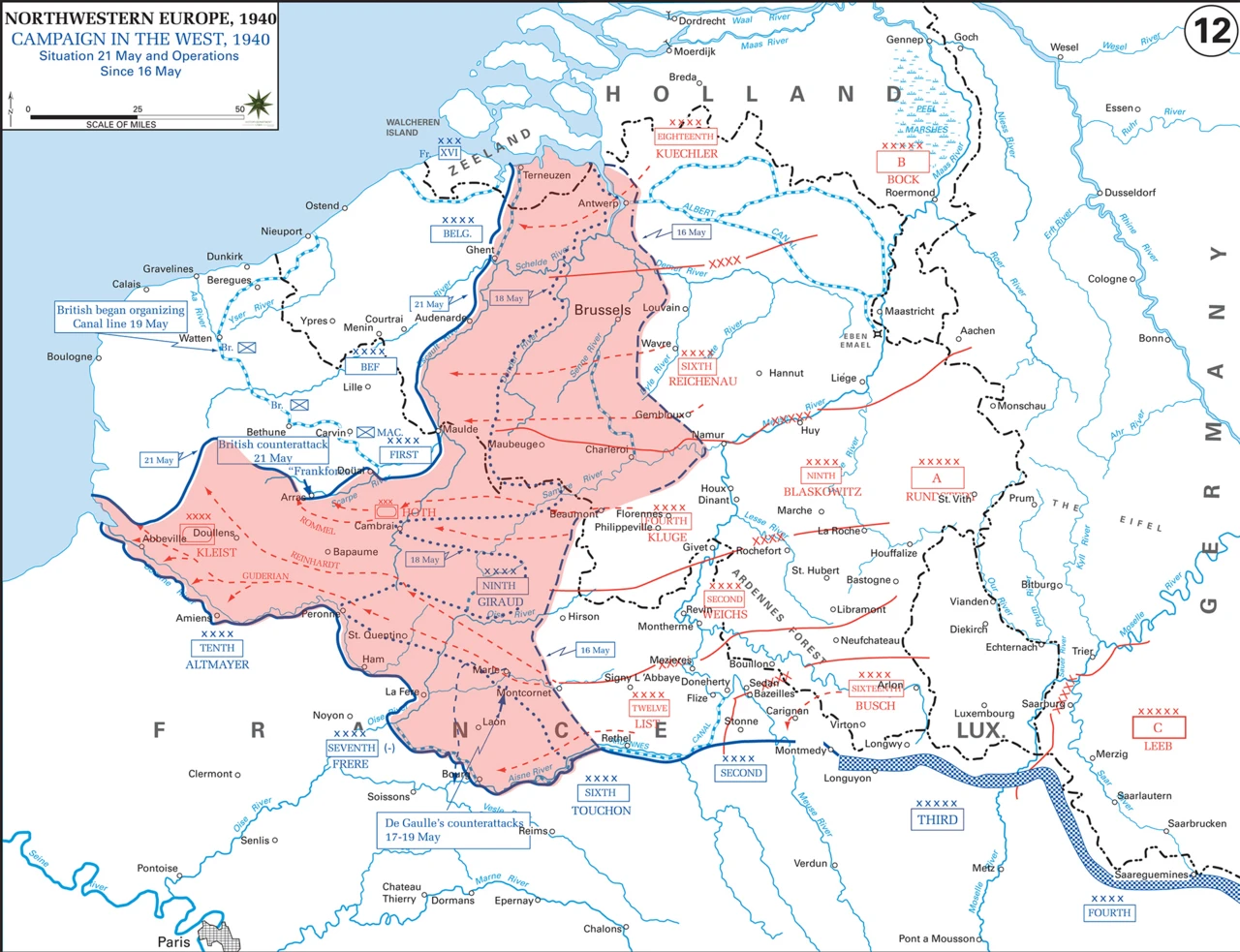
On 20 May 1940, a convoy of internees arrives at Abbeville, in the Somme, in the midst of the debacle and at the height of the fifth-column psychosis. Their French guards, convinced they are dealing with possible enemy agents or collaborators, must decide their fate amid the chaos.
The options are stark and grave. Summarily execute the internees, for fear that they might take advantage of the German advance or become "fifth columnists". Keep them prisoner pending a regular decision. Or release them for lack of charges. Van Severen himself offers to parley and plead the innocence of the detainees.
Should the Abbeville internees be executed for fear of the fifth column, or spared?
The French soldiers choose A: on 20 May 1940, twenty-one internees (mostly foreign nationals and Belgian detainees), including and his secretary , are summarily shot at Abbeville. Van Severen, who had volunteered to plead the prisoners' innocence, is killed. The act, the product of panic and the fifth-column psychosis, is a crime: a French court martial would in 1942 sentence those responsible (Lieutenant Caron and Sergeant Mollet) to death, a sentence that was carried out. The Abbeville massacre remains, on the Allied side, one of the darkest episodes of the debacle of 1940.
Learn more about this event
Related polls
10
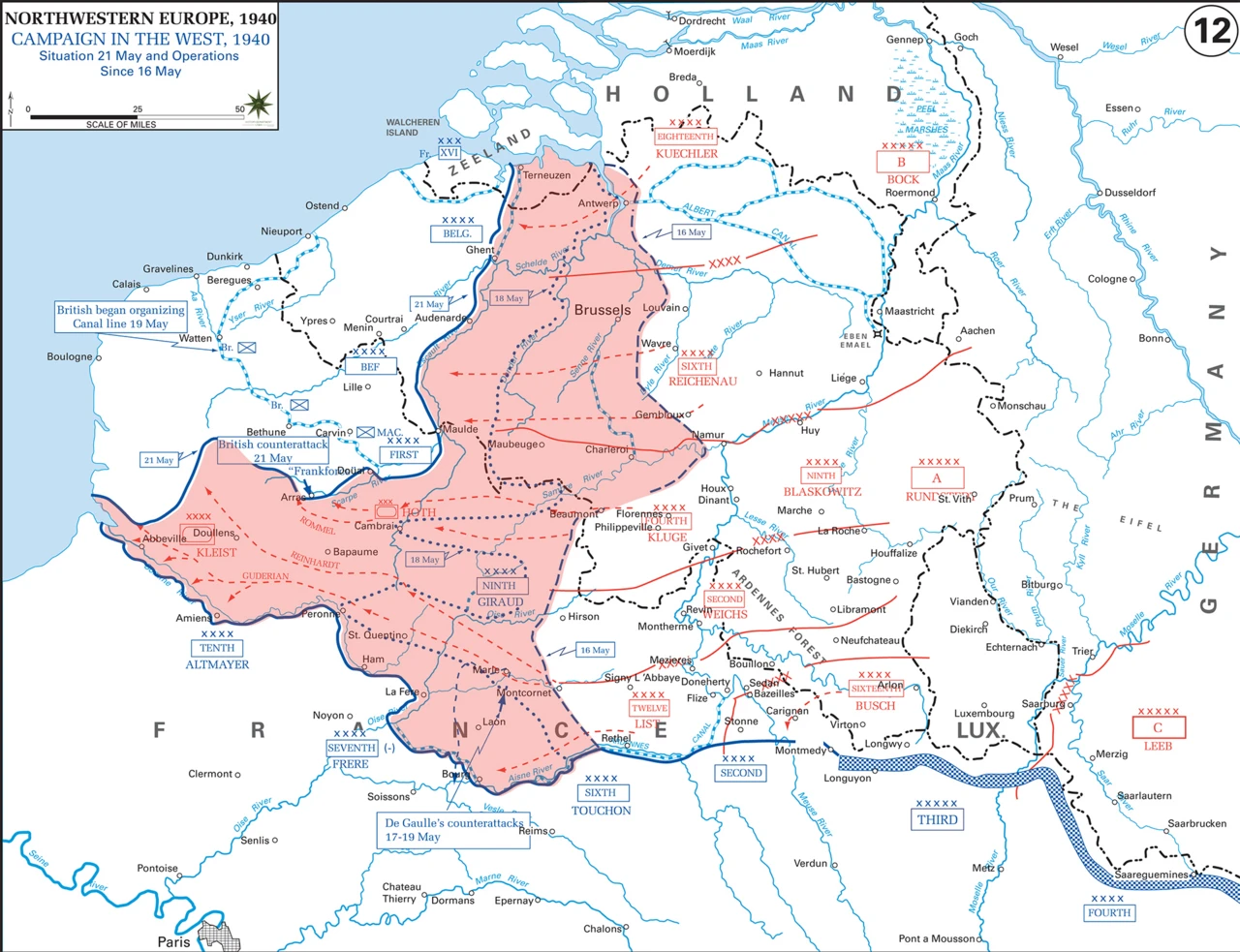
Arras — the Matildas against Rommel's flank
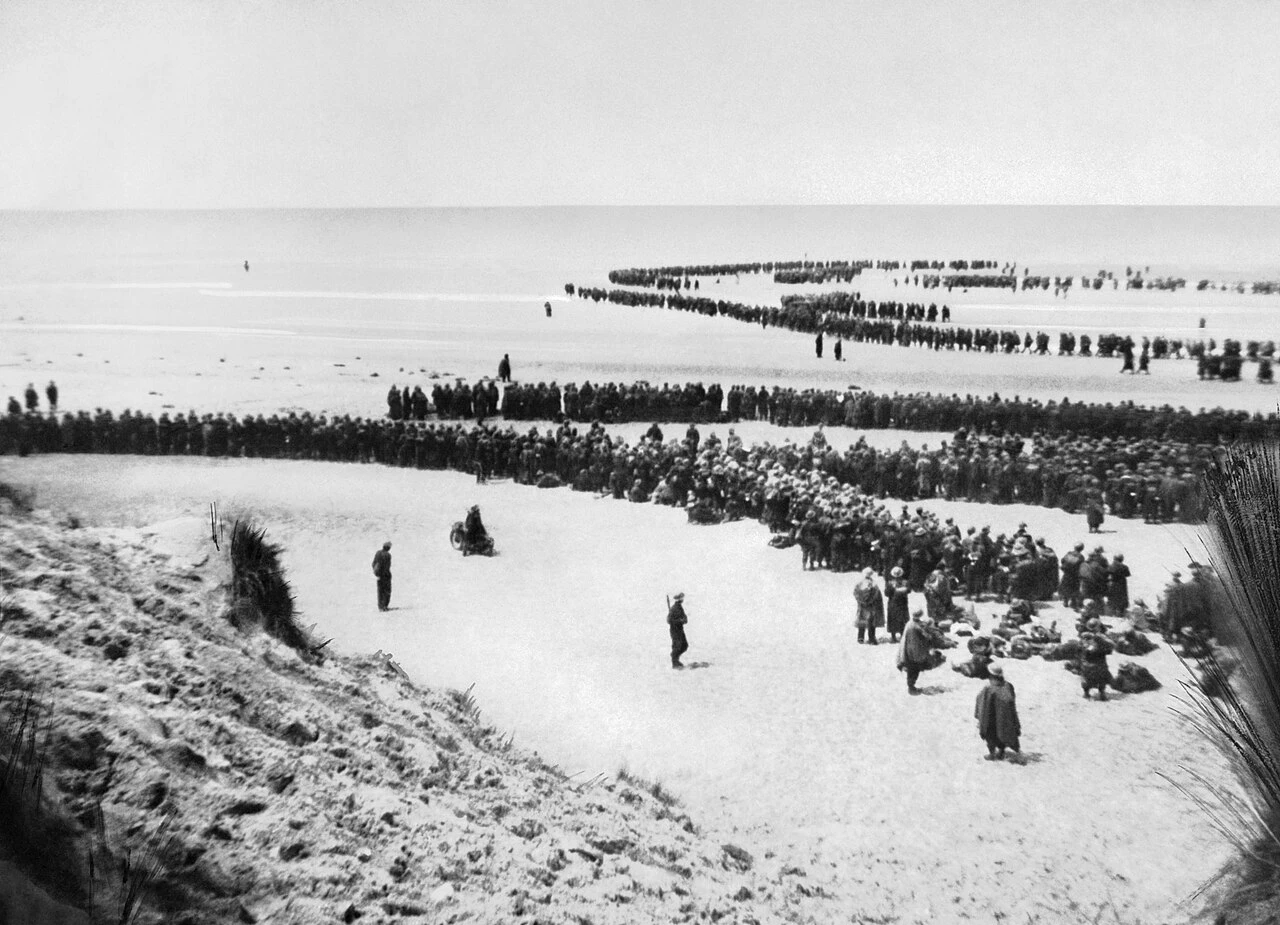
The French Rearguard at Dunkirk
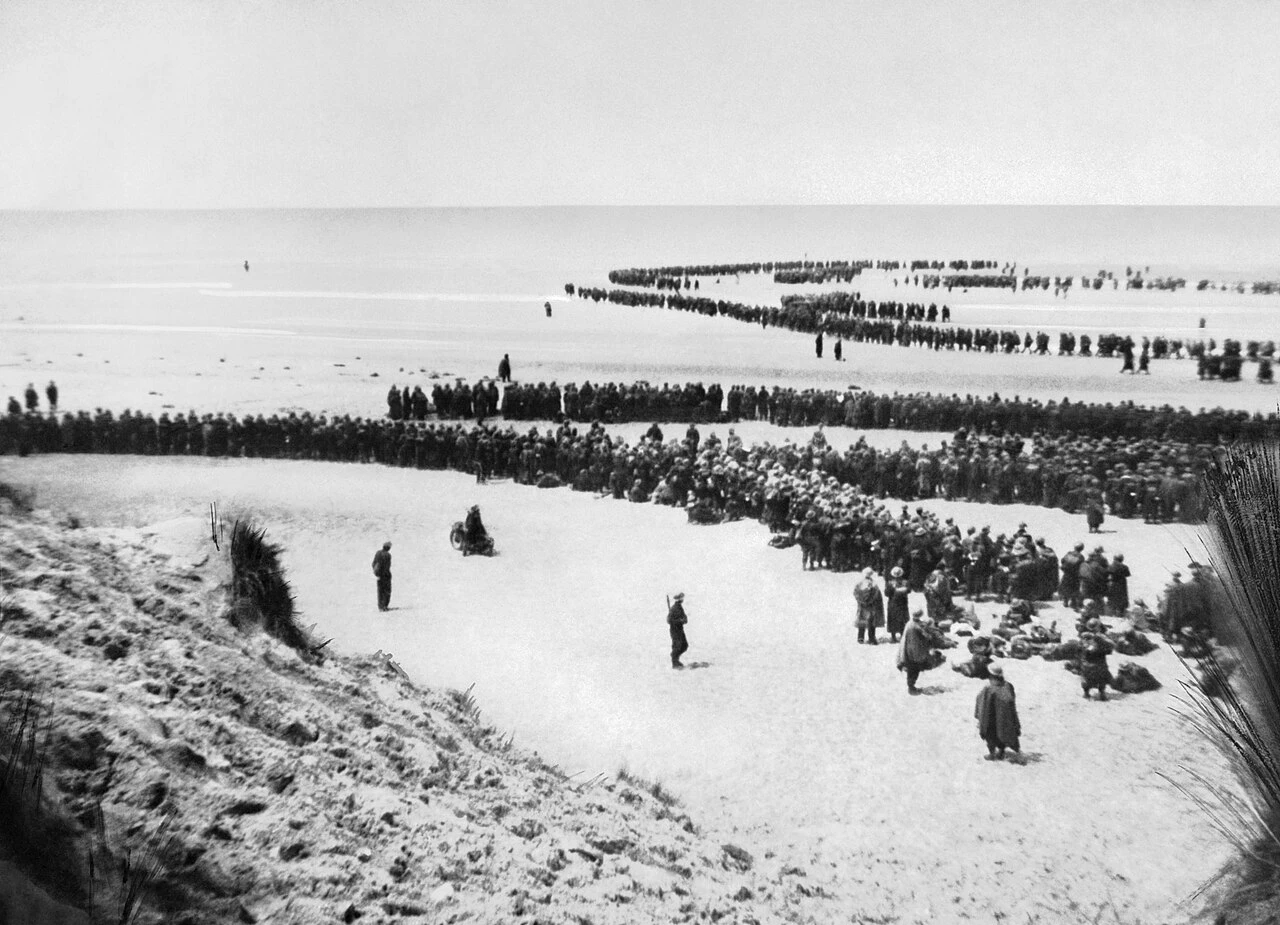
Waiting on the Beaches
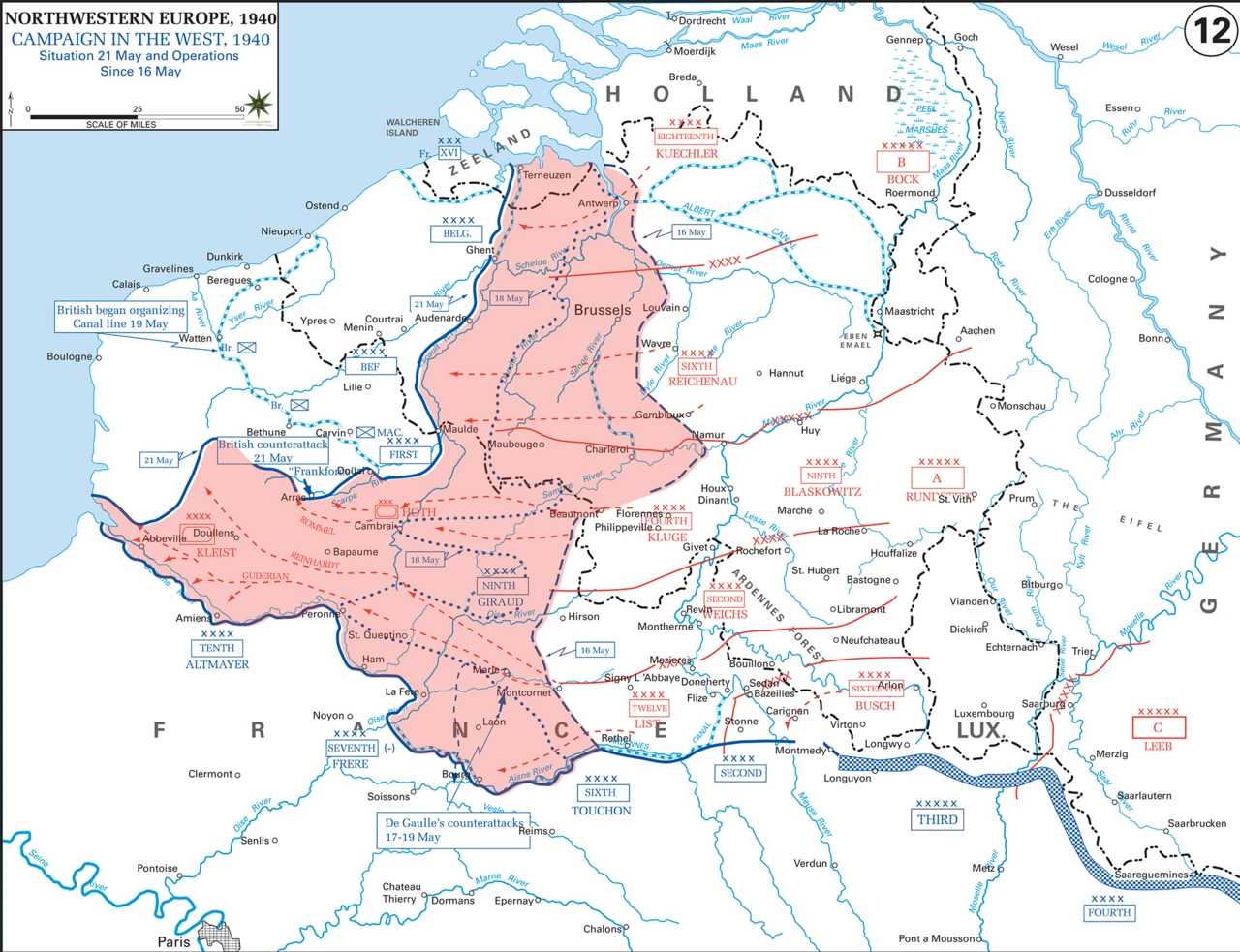
Boulogne — Fox-Pitt and the Guards facing the port
Bulson — Lafontaine and the 02:00 rumour
Calais — Nicholson facing the ultimatum
Commanding a battle without radio
The Arras counter-attack
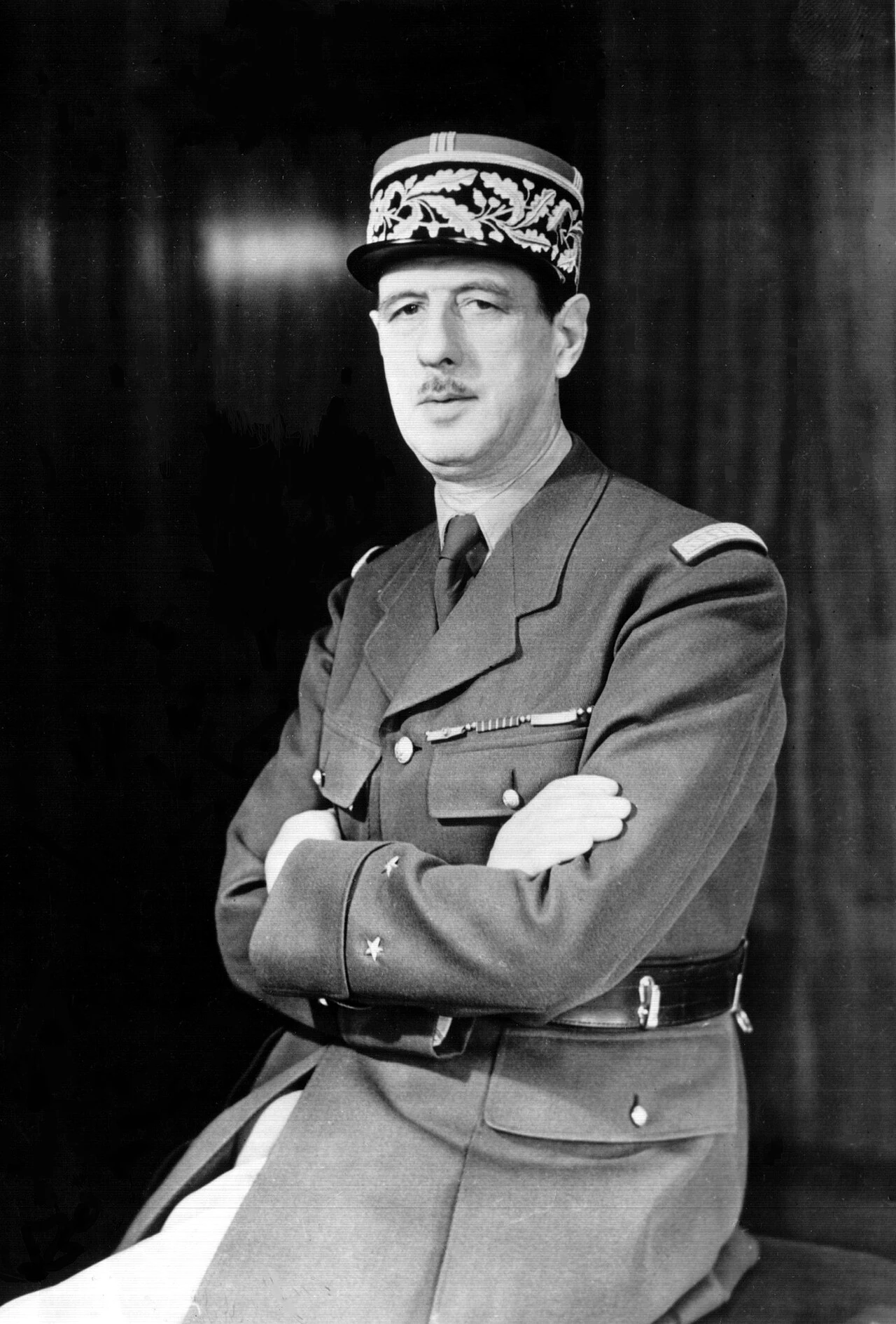
De Gaulle at Abbeville
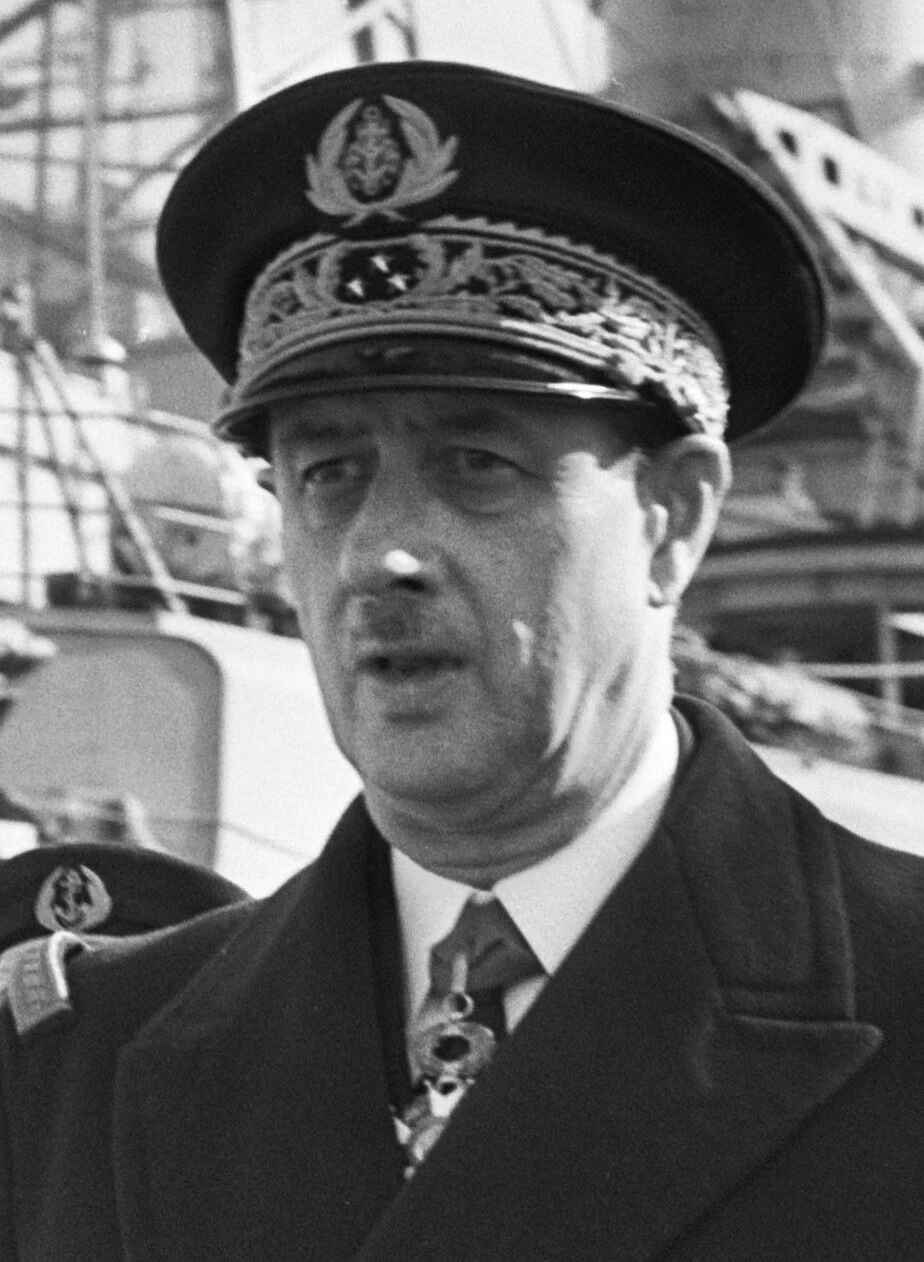
De Gaulle at Montcornet
Arras — the Matildas against Rommel's flank
The French Rearguard at Dunkirk
Waiting on the Beaches
Boulogne — Fox-Pitt and the Guards facing the port
Bulson — Lafontaine and the 02:00 rumour
Calais — Nicholson facing the ultimatum
Commanding a battle without radio
The Arras counter-attack
De Gaulle at Abbeville