
Annexed Menton and the Italian occupier
In the aftermath of the French defeat, the Franco-Italian armistice of 24 June 1940 created a small occupation zone that Fascist Italy immediately treated as de facto annexed territory: about 832 km² and 28,500 inhabitants, the largest town being Menton. Under the fighting of June 1940 and then the ordered evacuation, the vast majority of Menton's residents had fled inland; the town was almost deserted, and many of those who would want to return were prevented from doing so.
Italianization was methodical: Italian became the official language, the lira the currency, and the administration, schools, and civil registry passed under Italian control; names and shop signs were reworked. Far from a mere stationing of troops, the authorities launched urban-planning and infrastructure projects that continued in 1941–1942, evidence of an intent at lasting annexation in the event of an Axis victory.
It is in this context that a young woman might be courted by an Italian soldier. Fascist propaganda cultivated the idea of a "Latin" brotherhood and sought to give the occupation a good-natured image. But behind the display lay an annexation imposed by force on an ousted population. At the Liberation, liaisons between Frenchwomen and Axis soldiers would be stigmatized as "horizontal collaboration" and harshly punished (public shaming, purges, head-shaving).
Courted by an Italian officer in a town where to live means to be Italianized, should this young woman accept the relationship, refuse it, or keep her distance from the occupier?
There is no documented "majority choice," because Menton, emptied of its inhabitants by the 1940 evacuation and annexed de facto, had only a residual population. There as in the rest of France, liaisons with Axis soldiers were socially condemned and were punished at the Liberation (head-shaving, purges), with no special leniency for relations with Italians despite the rhetoric of "Latinity." The Italian occupation was above all an undertaking of Italianization — Italian imposed as the language, the lira as the currency, urban planning recast — aimed at the lasting absorption of the town.
Learn more about this event
Related polls
10

The Parisian concierge facing informing under the Occupation

The Camps of the Retirada
Hannah Arendt, Stateless and Interned, Facing Exile
The Police Informer During the Phoney War
France's March 1940 Ration Card
Langeron — Prefecture of Police, 14 June
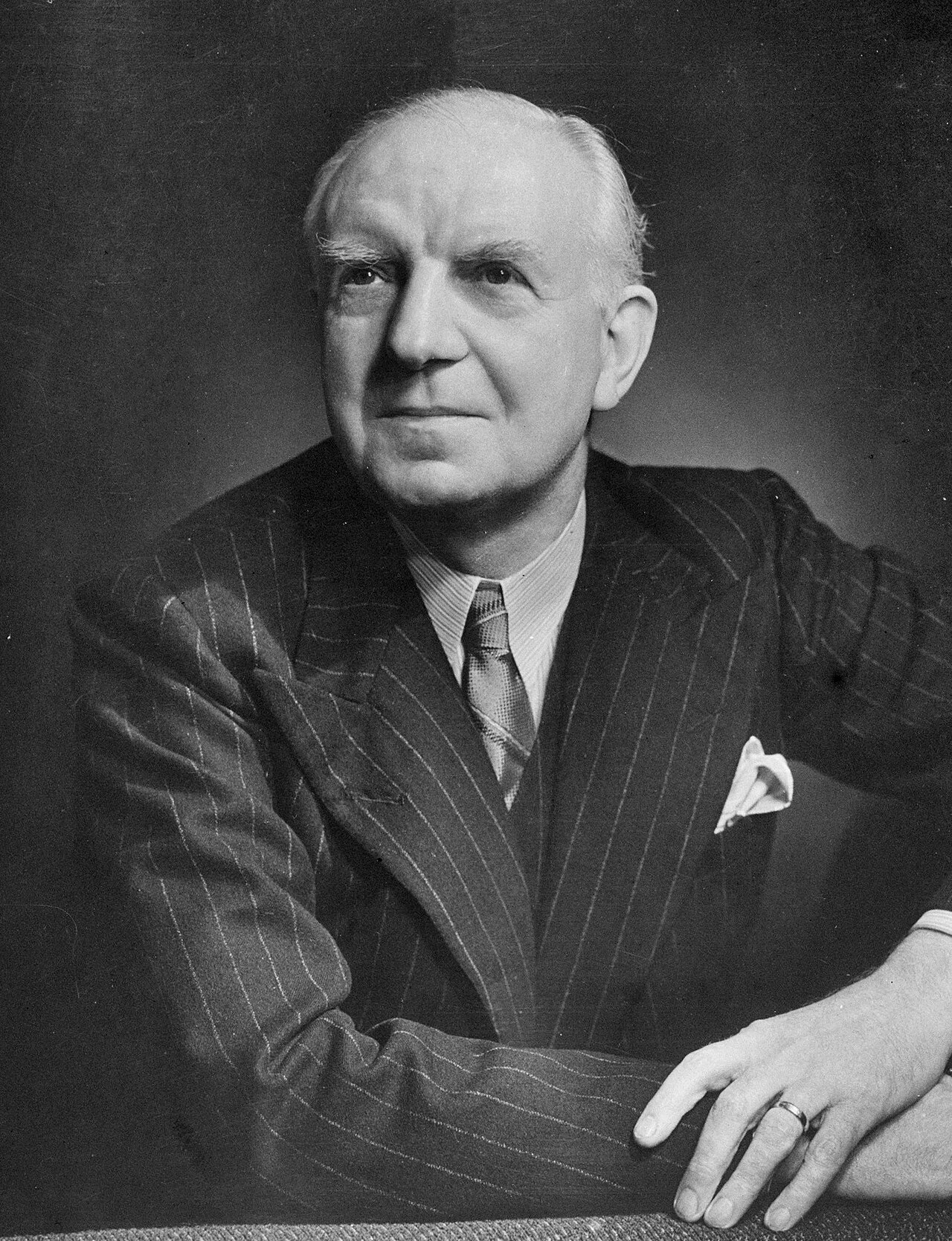
British rationing put to the test in 1941
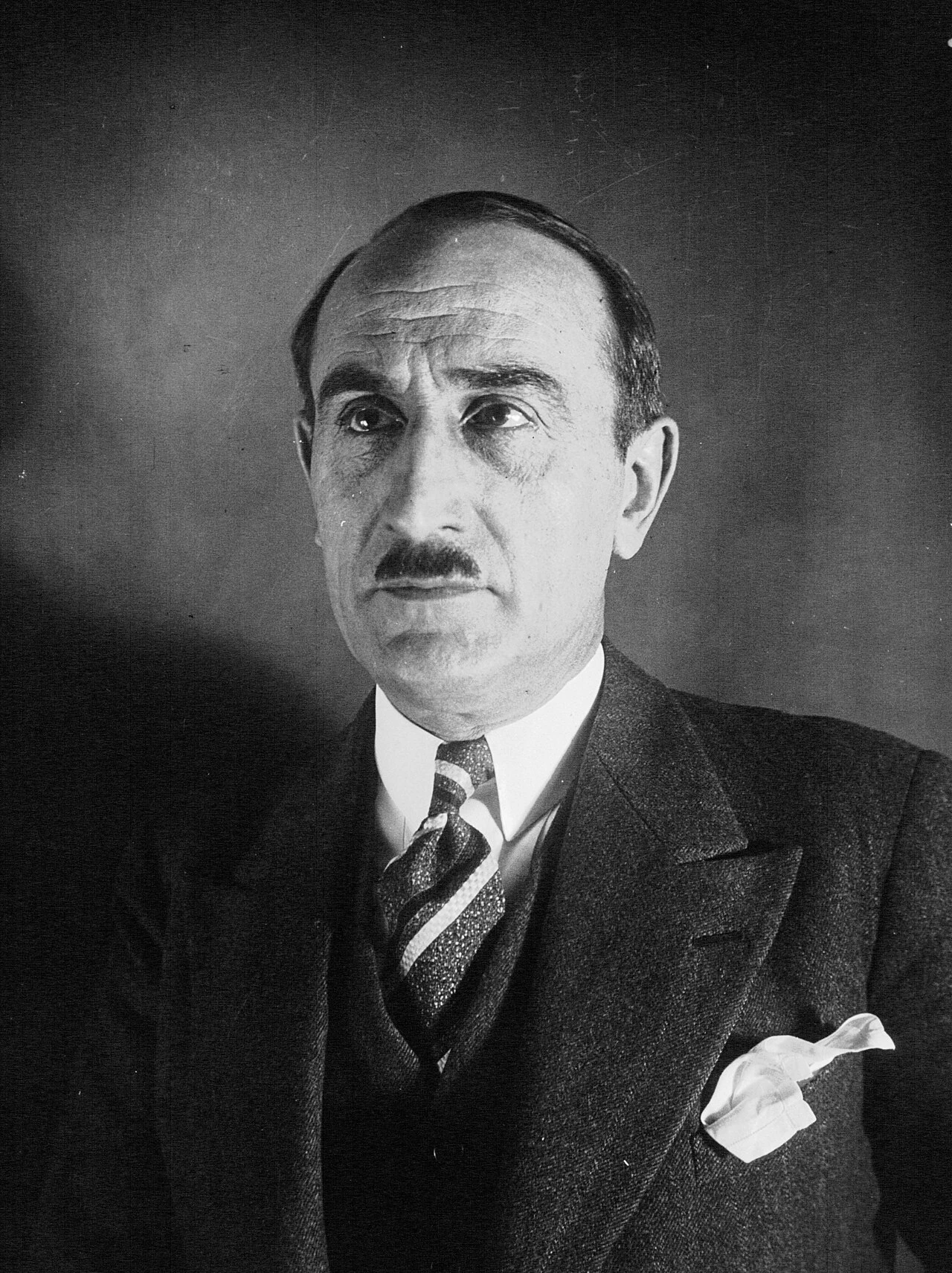
Marquet — Bordeaux overwhelmed, 12 June
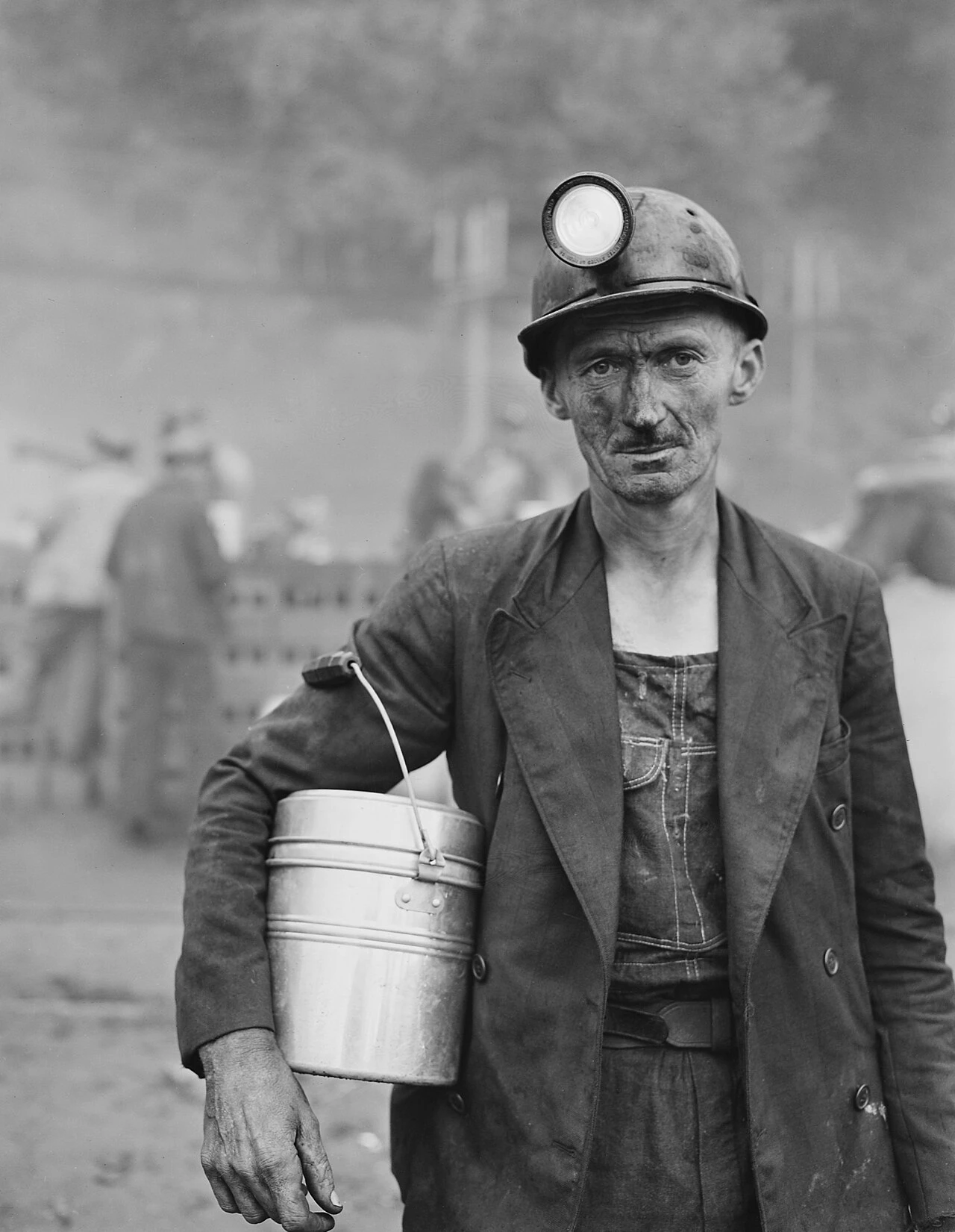
At the Dahomey pit, the morning of team-rate pay
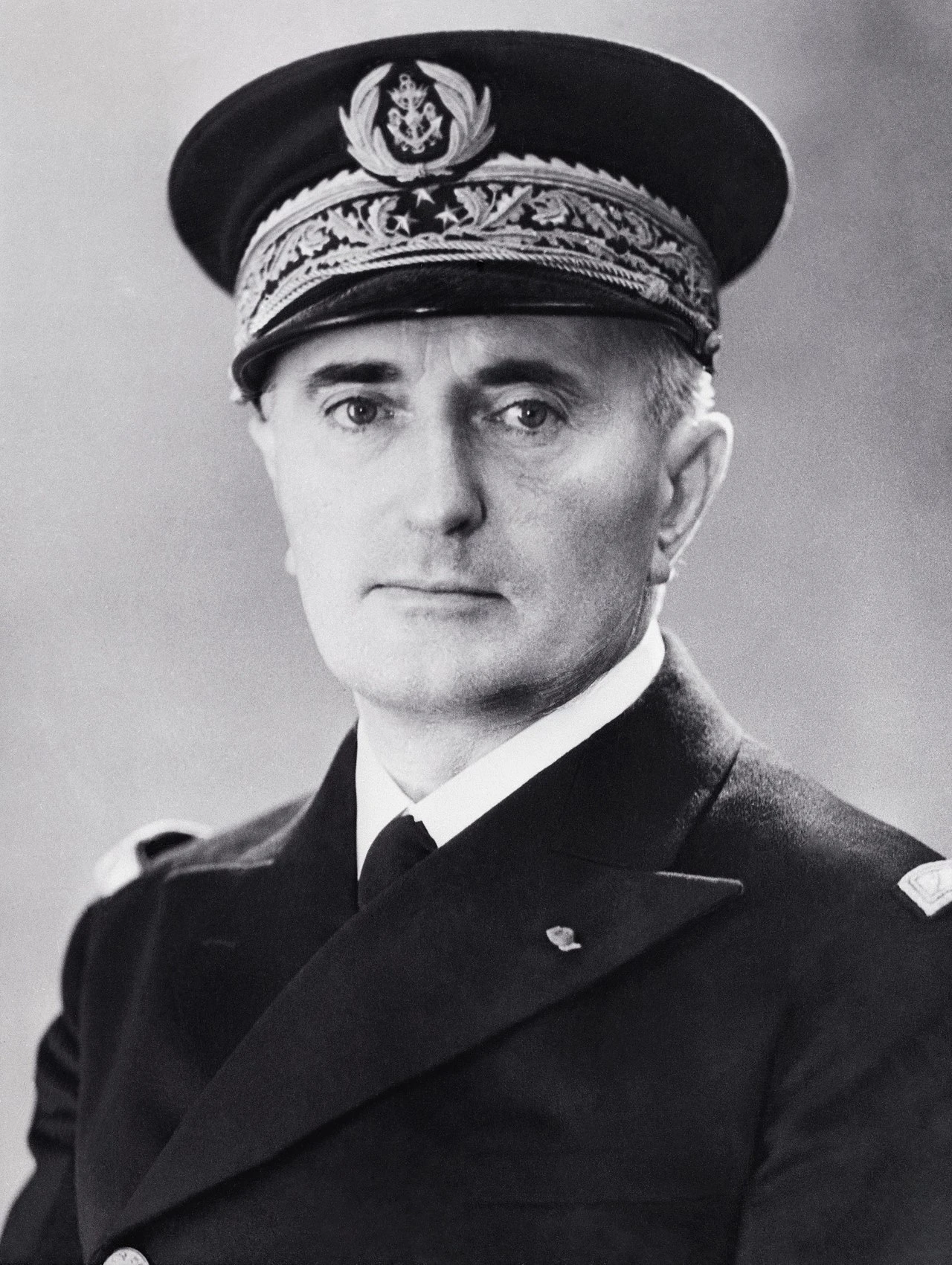
Darlan and the bases offered to the Axis
The Parisian concierge facing informing under the Occupation
The Camps of the Retirada
Hannah Arendt, Stateless and Interned, Facing Exile
The Police Informer During the Phoney War
France's March 1940 Ration Card
Langeron — Prefecture of Police, 14 June
British rationing put to the test in 1941
Marquet — Bordeaux overwhelmed, 12 June
At the Dahomey pit, the morning of team-rate pay