
The lattice of steel that defied mass production
At Vickers-Armstrongs, had conceived an extraordinary airframe: a geodesic structure made of light-alloy members criss-crossed into a lattice. Lighter and stronger than conventional ribbed construction, it allowed the Wellington bomber to fly as early as 1936 and to absorb combat damage that would have brought down other aircraft.
But this elegance came at a price. The geodesic lattice demanded highly skilled workers and specialised tooling, hard to reproduce in the shadow factories the country was setting up for rearmament. Going from a few aircraft a month to hundreds meant a heavy, lengthy and uncertain investment.
The ministry hesitated: should it bet on this demanding technique, or reserve mass-production efforts for more conventional designs that were easier to replicate?
How should Vickers-Armstrongs approach production of the Wellington in 1939?
Vickers and the ministry chose to fund the specialised geodesic tooling to produce the Wellington in large numbers. The bet paid off: with more than 11,000 built, the Wellington became the most-produced British multi-engine bomber, present from the first to the last day of the war, first as a night bomber and later in anti-submarine warfare and training. went on to develop his bouncing bombs of the Dam Busters. Four-engine designs such as the Stirling and the Halifax were developed in parallel, but answered distinct specifications rather than serving as a fallback should the geodesic approach fail.
Learn more about this event
Related polls
10
Chain Home — the Invisible Wall
Whittle and the Jet Engine
Car assembly lines for an aircraft engine
Ouvry and the magnetic mine
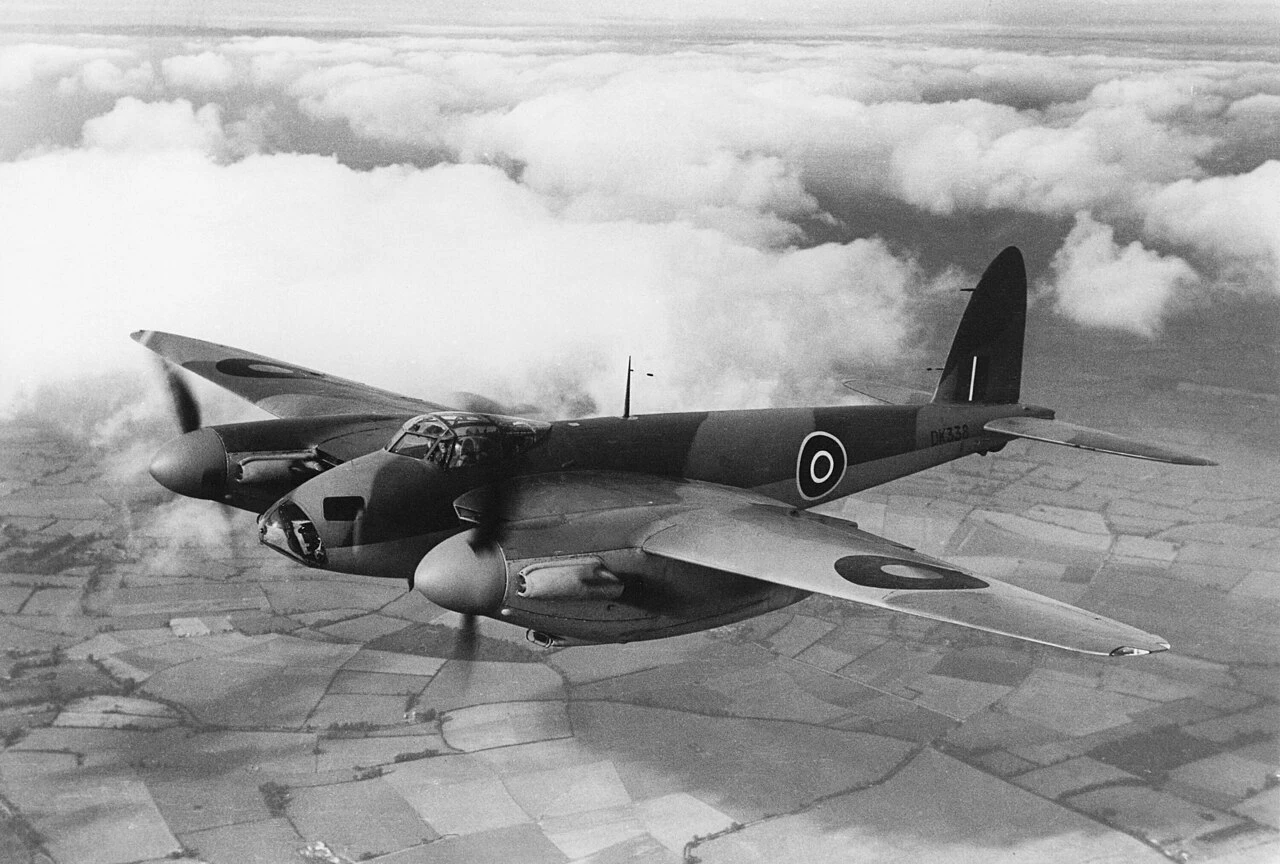
An all-wood combat aircraft
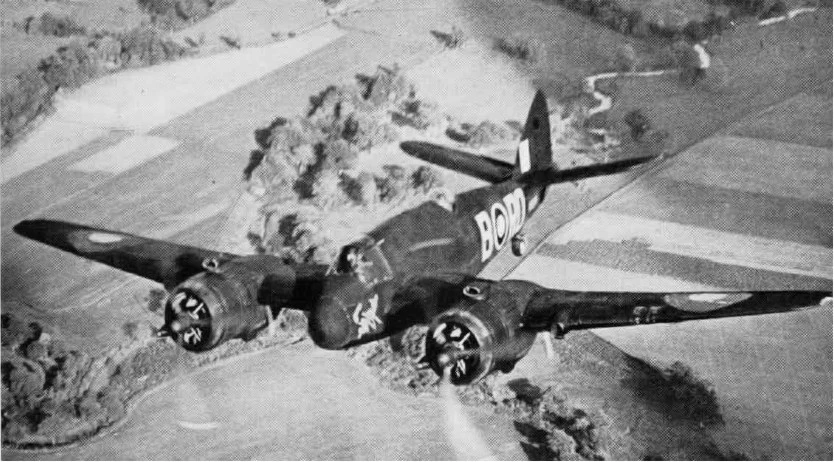
Breaking the night Blitz: who owns the darkness?
Enigma — the Pyry conference
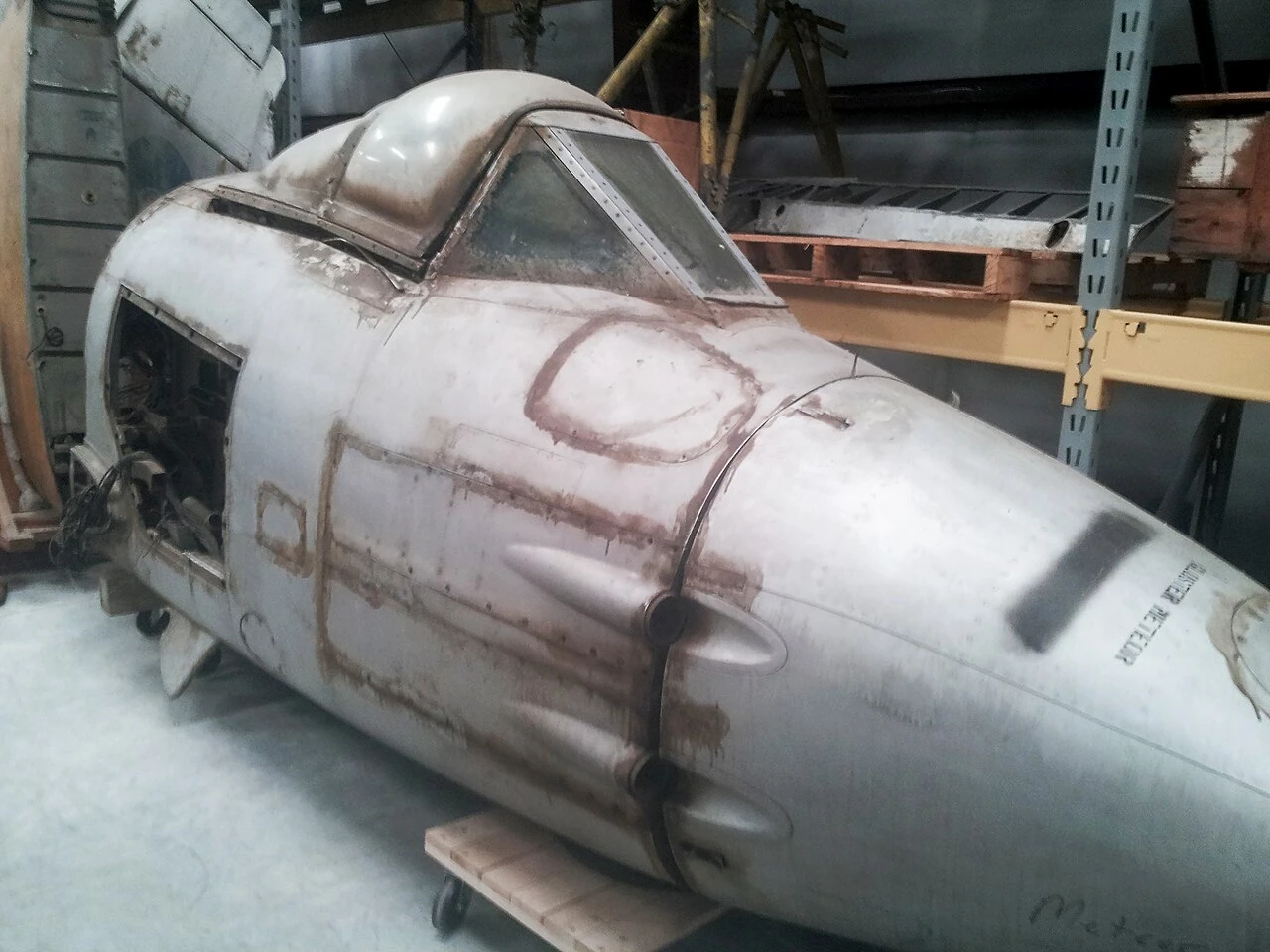
The Lutterworth Turbine
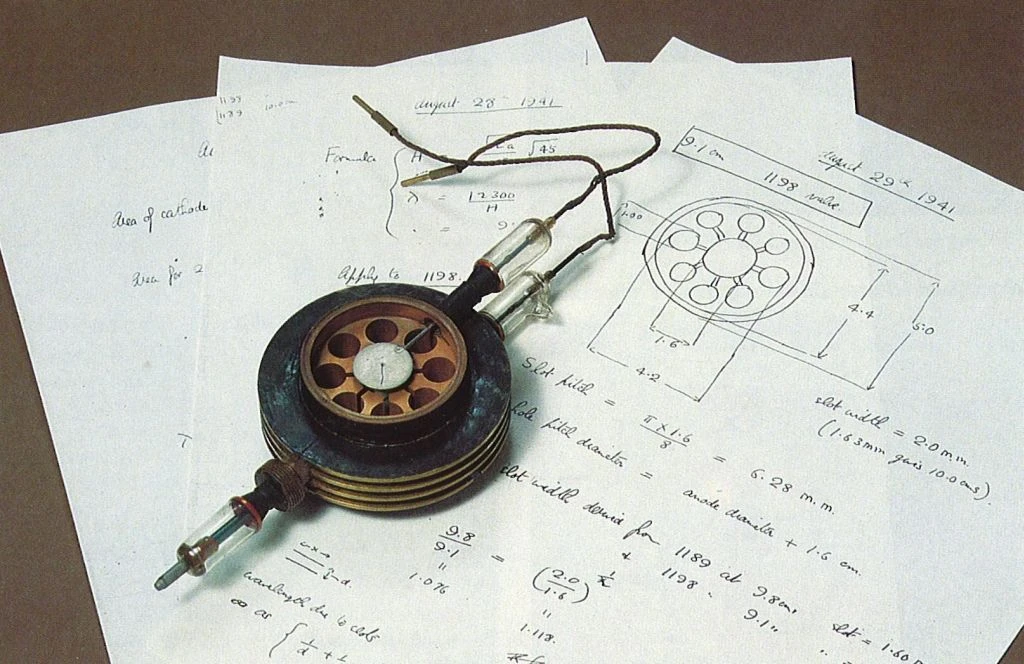
The Tizard Mission's Trunk for America

The Cambridge mathematician sworn to secrecy at Bletchley
Chain Home — the Invisible Wall
Whittle and the Jet Engine
Car assembly lines for an aircraft engine
Ouvry and the magnetic mine
An all-wood combat aircraft
Breaking the night Blitz: who owns the darkness?
Enigma — the Pyry conference
The Lutterworth Turbine
The Tizard Mission's Trunk for America