
The occupation of Prague on 15 March 1939 destroyed 's policy of appeasement — he who had recently still judged the international horizon "serene". Two weeks later, alarming rumours circulate: Germany might turn toward Poland, or even strike by surprise.
Chamberlain must urgently redefine the British position. To give Poland a unilateral guarantee is to deter Hitler by warning him that aggression would mean war with the United Kingdom — but it is also to hand Warsaw the decision to drag London into a continental conflict, on a theatre where Britain can do almost nothing militarily.
Three paths open to him. Offer a firm and immediate guarantee to Poland, a total break with appeasement? Continue the search for a negotiated settlement, avoiding any automatic commitment? Or make any guarantee conditional on a grand alliance including the USSR first, militarily stronger but politically delicate? British credibility and the peace of Europe hang on this decision, taken in a few days.
Should Chamberlain offer Poland a unilateral guarantee, at the risk of handing Warsaw the decision for war?
Chamberlain chooses A: on 31 March 1939, he tells the Commons that, if Polish independence were threatened and Warsaw judged it vital to resist, the United Kingdom would lend it "all support in its power"; France joins in. It is a spectacular about-face after years of appeasement. Historians still debate this guarantee: a necessary act of deterrence against a dictator, or a militarily unverifiable "blank cheque" that tied British peace to Warsaw's decisions? Either way, it founds the commitment that will lead London to declare war on 3 September 1939, after the invasion of Poland.
Learn more about this event
Related polls
10
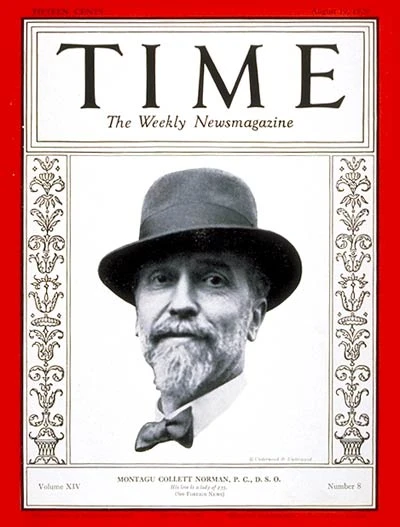
The Czech Gold
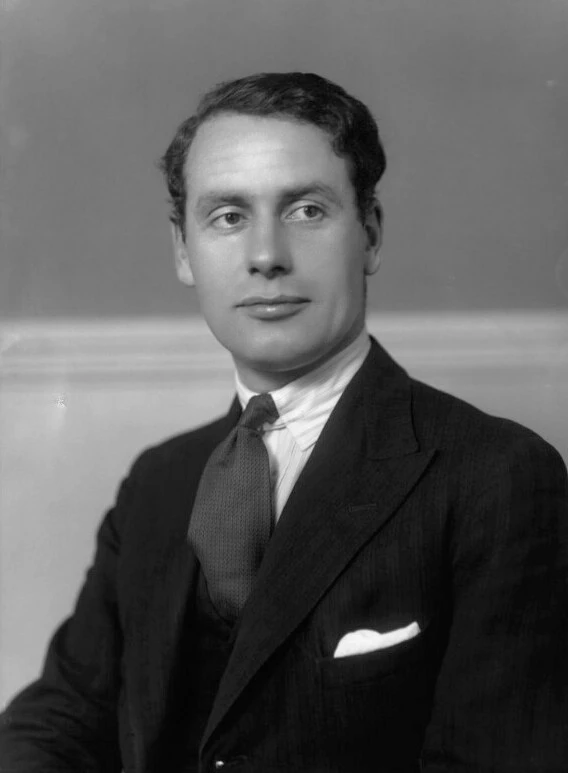
The White Paper on Palestine
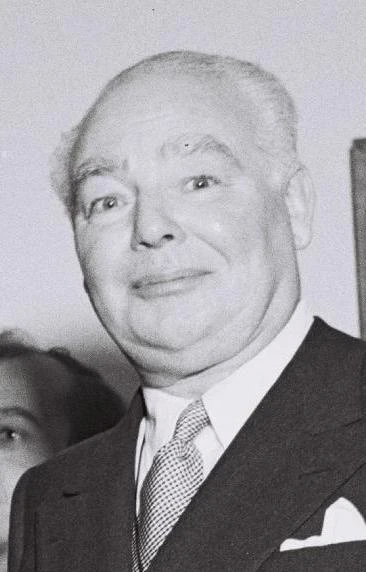
The Military Training Act
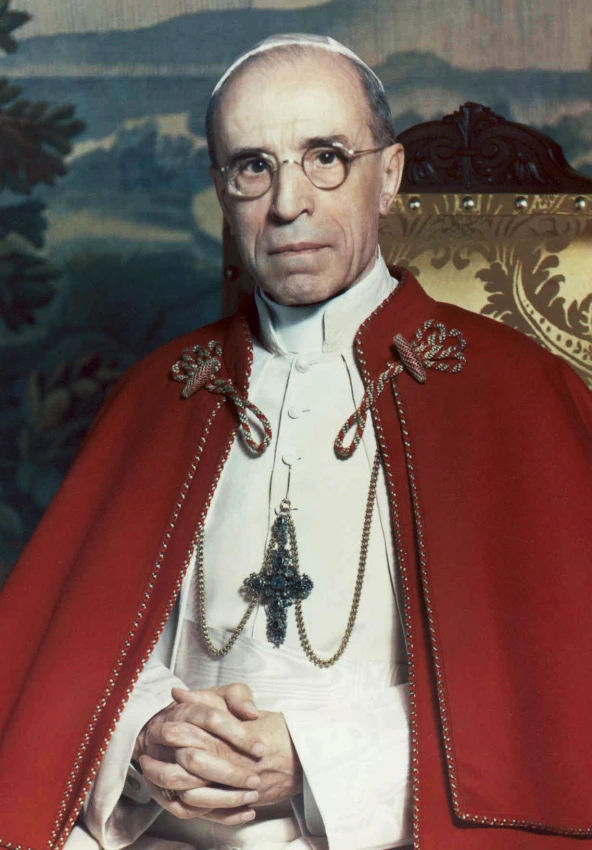
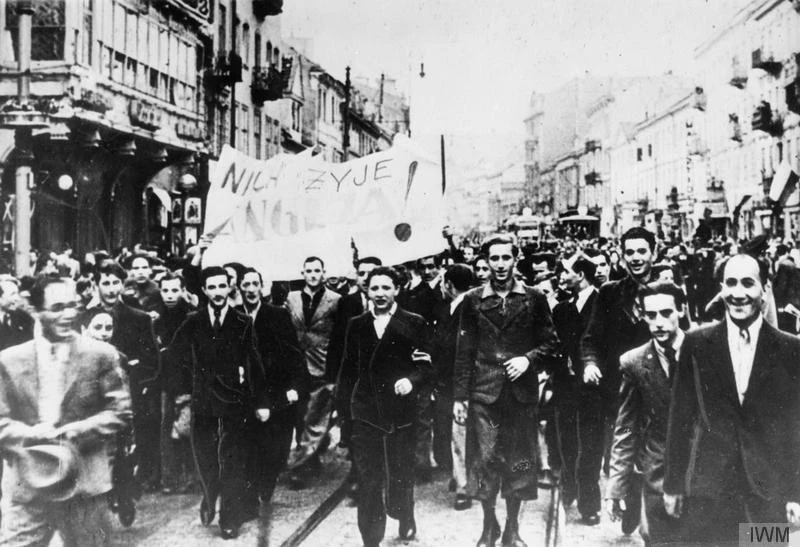
The Anglo-Polish Alliance
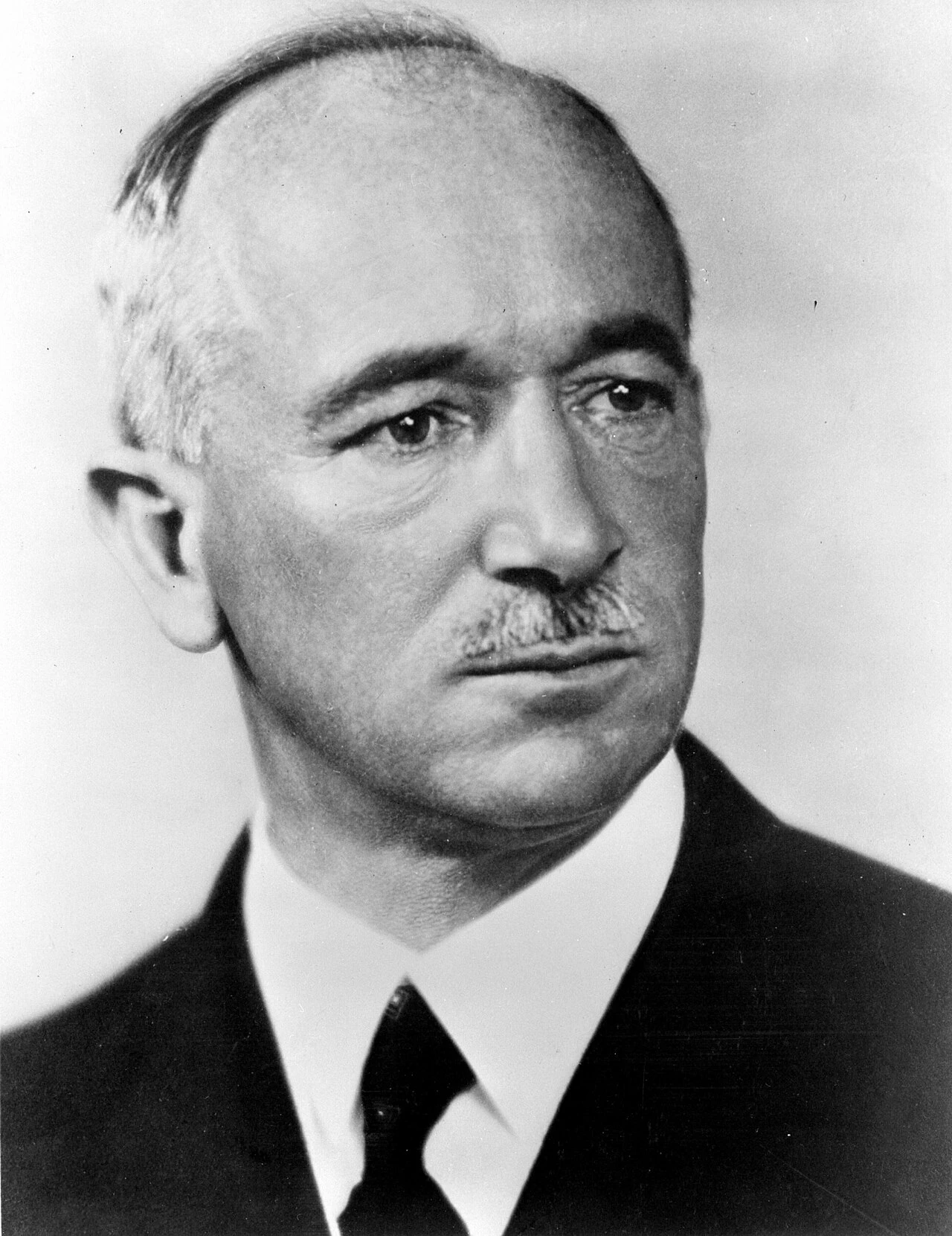
Beneš in London — autumn 1939
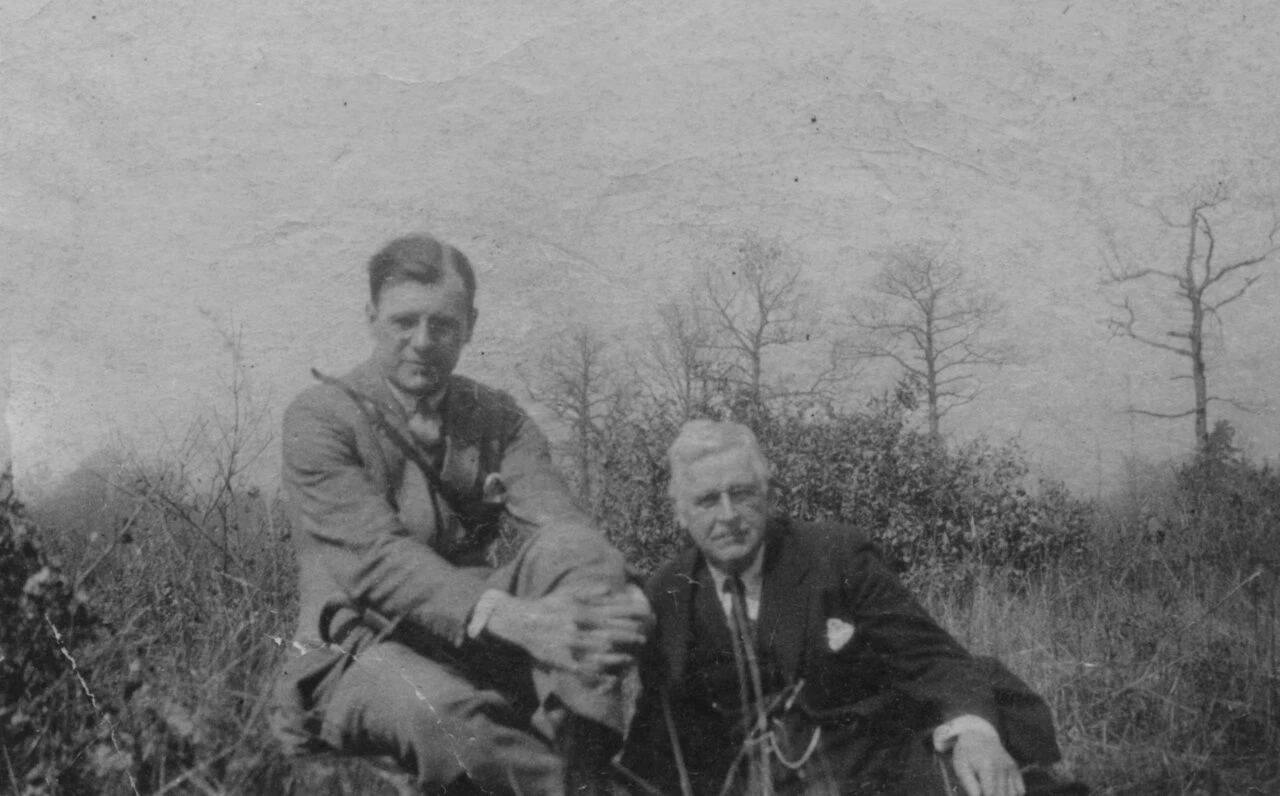
Cambridge, 1939: The Evacuated LSE Student and Conscription
Chamberlain — 11:15 BST
The Last-Chance Mediation
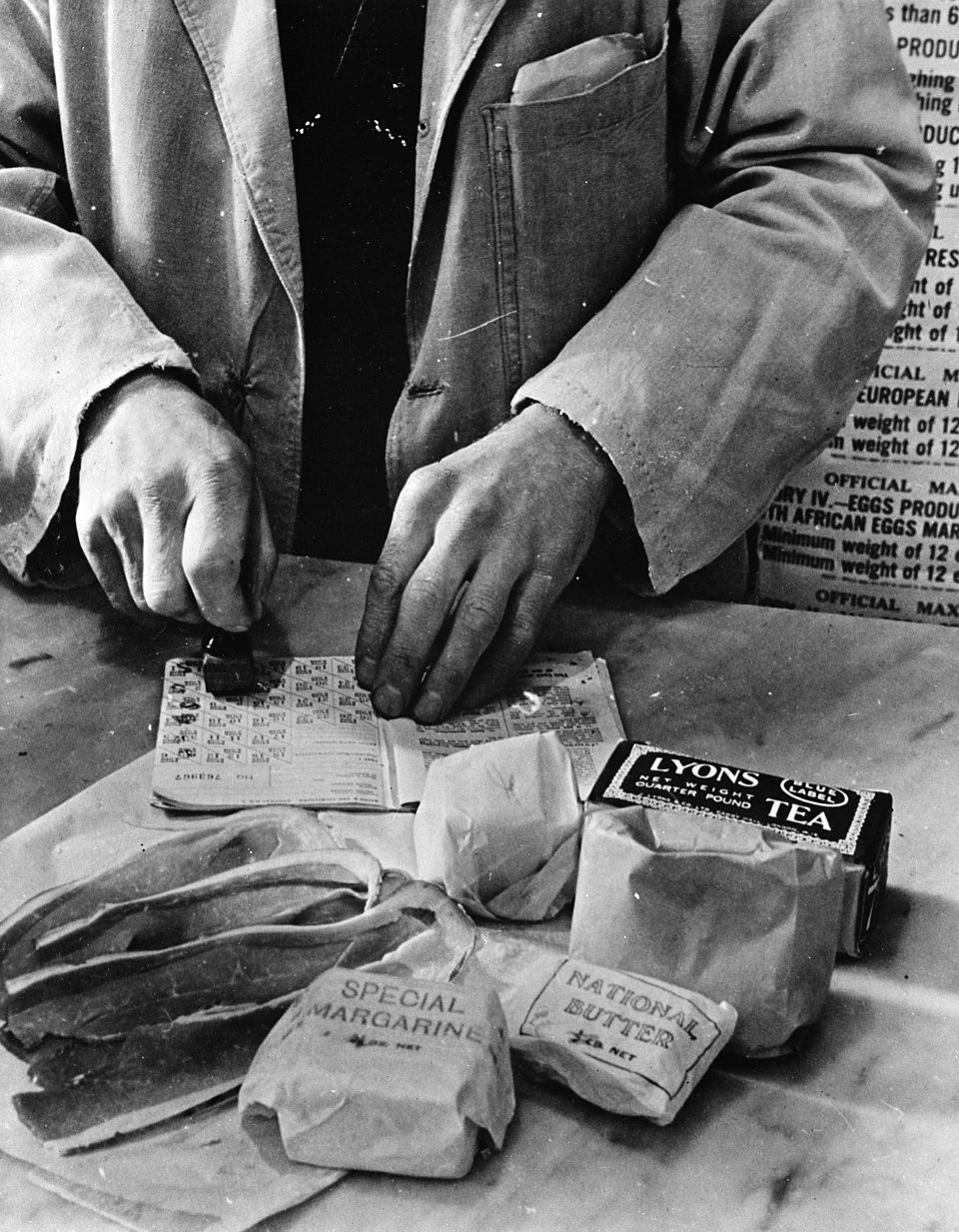
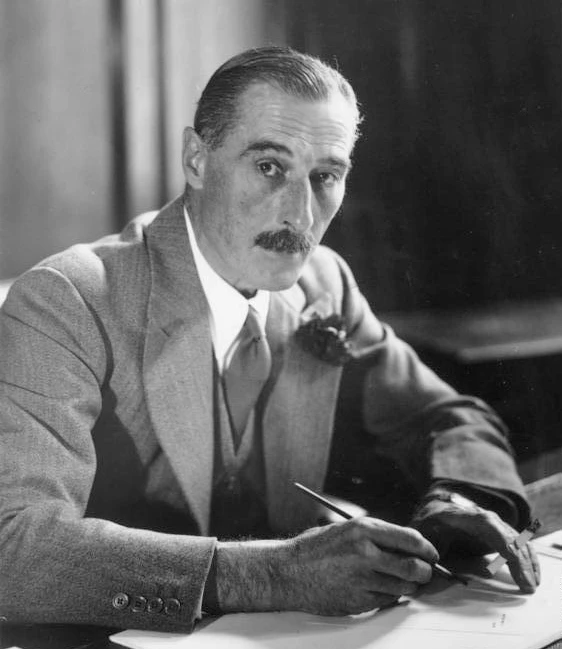
British rationing — Morrison and the principle
Auchinleck replaces Wavell
The Czech Gold
The White Paper on Palestine
The Military Training Act
The Anglo-Polish Alliance
Beneš in London — autumn 1939
Cambridge, 1939: The Evacuated LSE Student and Conscription
Chamberlain — 11:15 BST
The Last-Chance Mediation
British rationing — Morrison and the principle