
The Maginot surrenders
The armistice signed on 22 June 1940 came into force on the 25th. The great works of the Maginot Line, for the most part unconquered, found themselves in an unprecedented situation: they were ordered to cease fighting and surrender, even though they were still holding out and had not been taken by assault. For garrisons that had fought with pride, the order to capitulate was a wrench.
The commanders of the works faced one last choice. To obey the order to capitulate arising from the armistice, and hand over intact forts to an enemy that had not defeated them. To refuse and continue the fight, out of honour, in defiance of the armistice and at the risk of reprisals against all the prisoners. Or to negotiate the terms of the surrender (military honours, treatment of the men).
The bitterness was immense: to surrender a fortress one had not lost. But to disobey the armistice would expose the men and break discipline. It was the last, paradoxical act of a defeated army, part of which had remained unbeaten in the field.
Should the commanders of the works obey the order to capitulate, refuse and continue, or negotiate the terms of the surrender?
The garrisons chose A, often combined with C: in accordance with the armistice, the Maginot works capitulated at the end of June 1940 on the order of the French command, many obtaining the right to march out with military honours, colours unfurled, in testimony to their victorious resistance on the spot. Several commanders agreed to surrender only after explicit, written confirmation from their hierarchy, at first refusing to believe the order. The men went into captivity, unbeaten but prisoners. The surrender of the intact Maginot remains one of the most poignant symbols of 1940: the defeat of an army part of which had fought to the very end without yielding.
Learn more about this event
Related polls
10
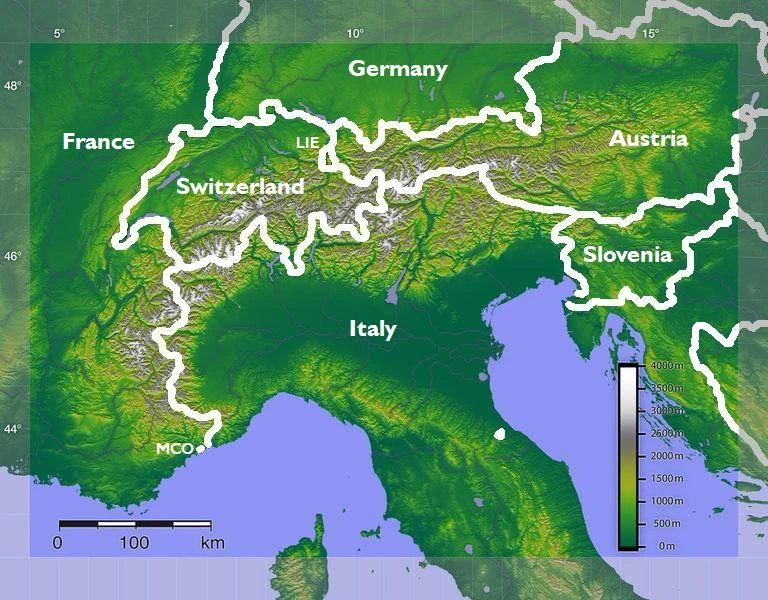
The Army of the Alps against the Italians
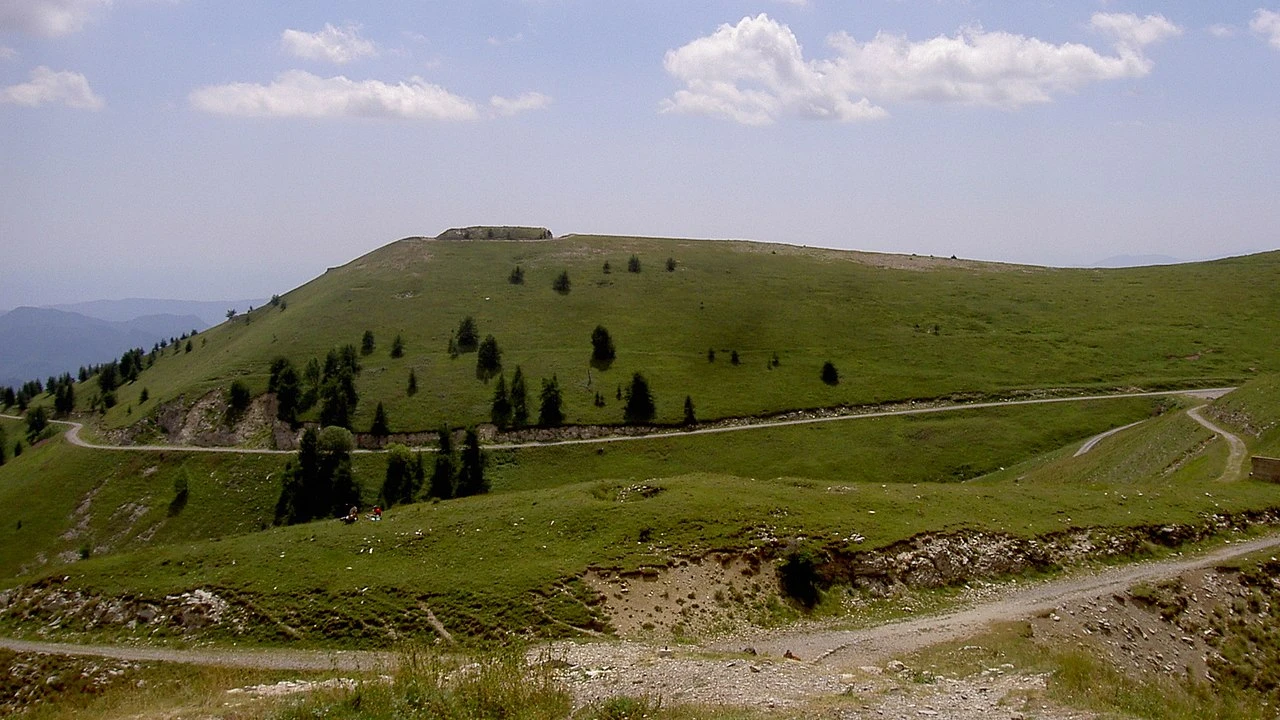
Boutmy at Mont-Cenis
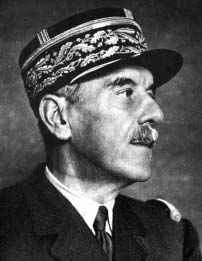
Olry and the Army of the Alps — Briançon
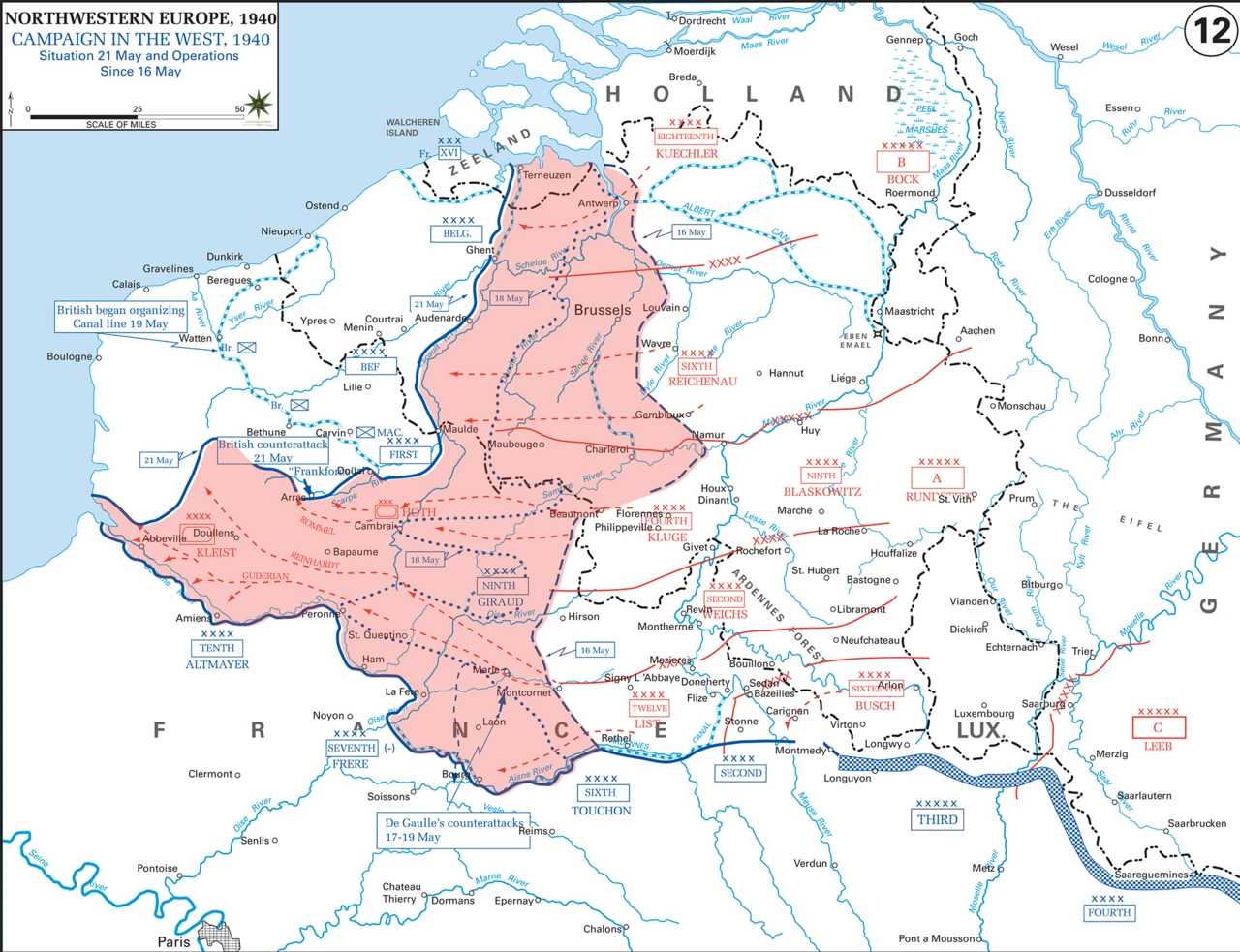
Boulogne — Fox-Pitt and the Guards facing the port
Bulson — Lafontaine and the 02:00 rumour
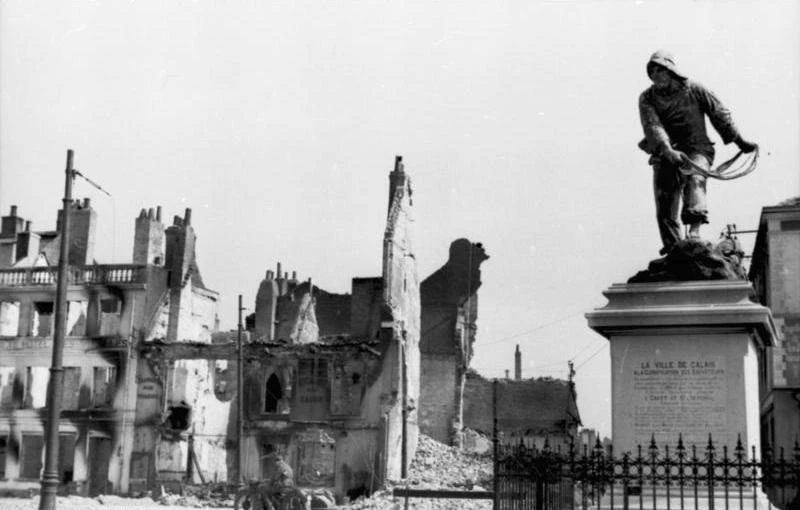
Calais — Nicholson facing the ultimatum
The Defence of Boulogne
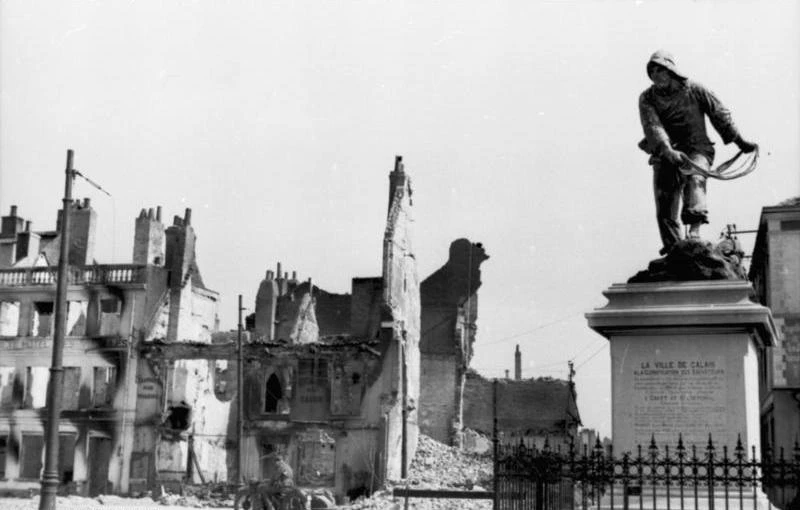
The Defence of Calais
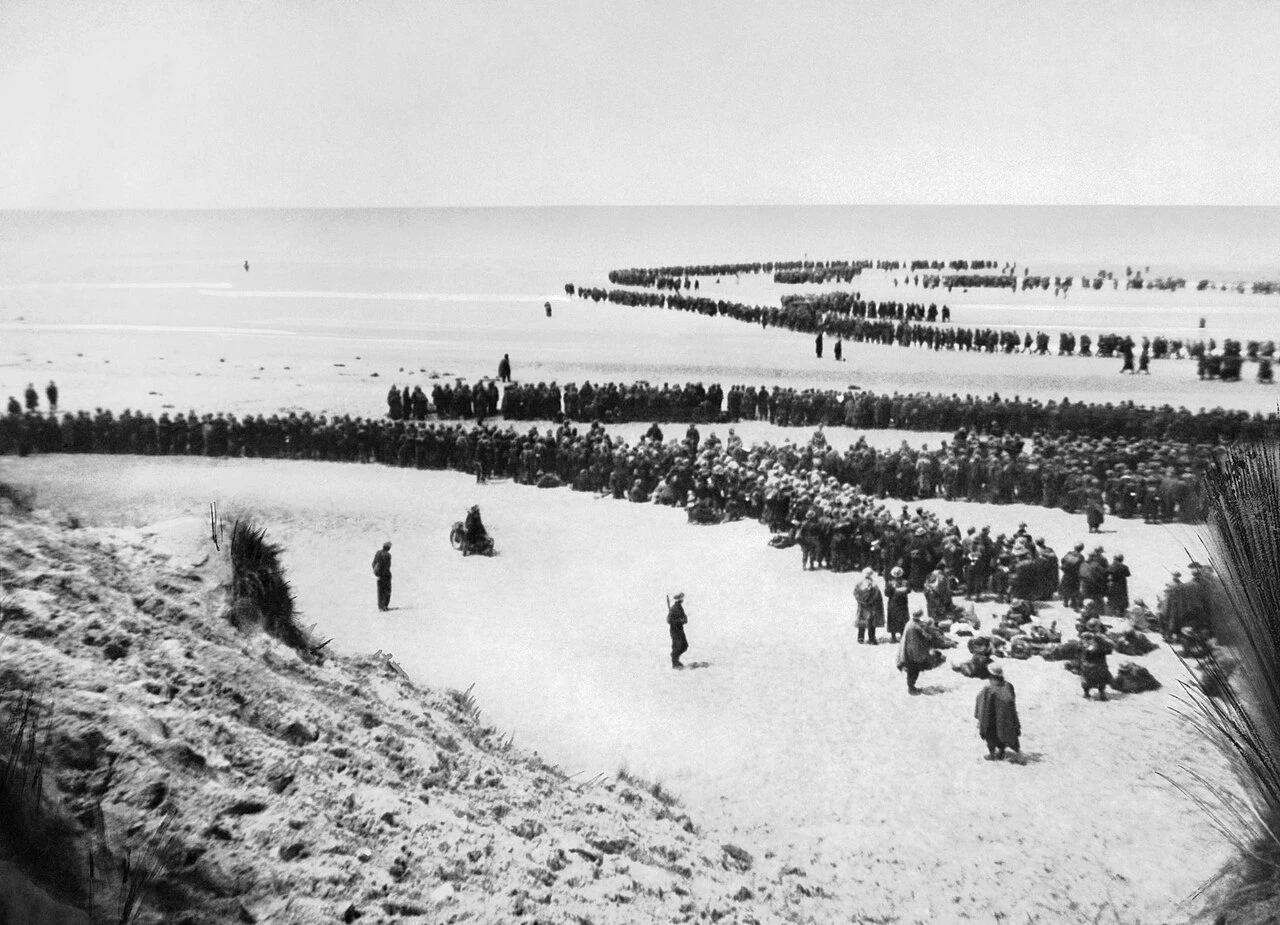
Dunkirk: holding the line under the bombs
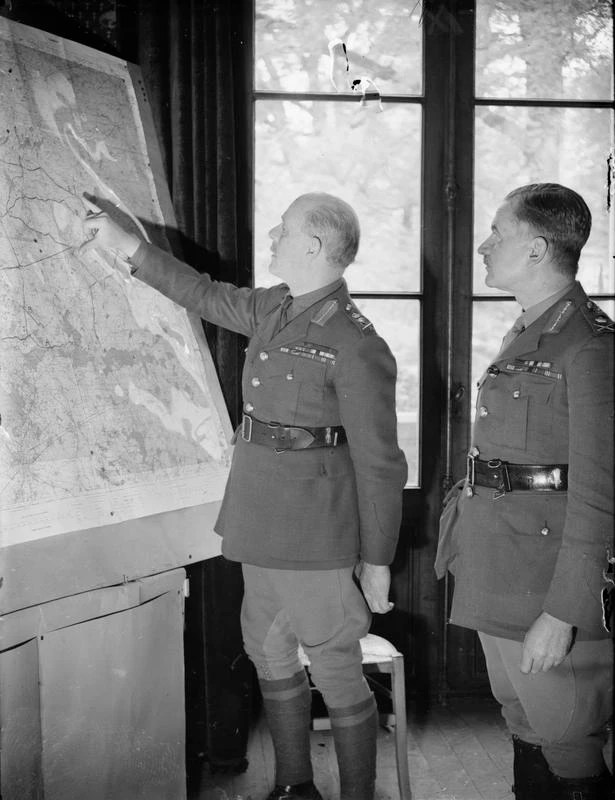
Gort at Habarcq — trust in the French plan
The Army of the Alps against the Italians
Boutmy at Mont-Cenis
Olry and the Army of the Alps — Briançon
Boulogne — Fox-Pitt and the Guards facing the port
Bulson — Lafontaine and the 02:00 rumour
Calais — Nicholson facing the ultimatum
The Defence of Boulogne
The Defence of Calais
Dunkirk: holding the line under the bombs