
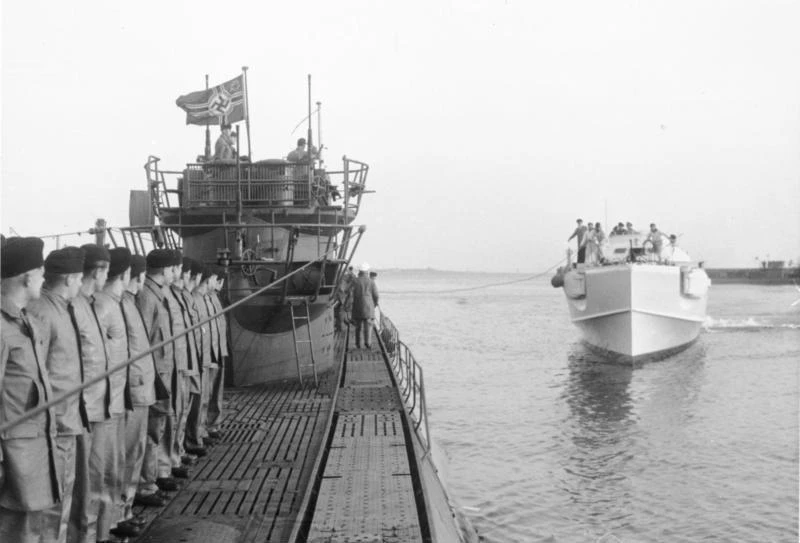
At the start of the war, one name embodied the terror of the U-boats: , the 'Bull of Scapa Flow'. In October 1939, his U-47 had slipped into the British anchorage of Scapa Flow to sink the battleship Royal Oak — one of the most daring submarine exploits in History. The first sailor of the Kriegsmarine to be decorated with the Knight's Cross with Oak Leaves, credited with more than thirty ships, Prien was a national idol.
On 7 March 1941, south of Iceland, the U-47 sent its last message. On the 8th, it vanished with all hands, in all likelihood sunk by the British destroyer Wolverine; the 45 crew members would never reappear.
For the command, this is a catastrophe on several counts. Prien fell almost at the same time as other aces such as Kretschmer and Schepke: the three brightest stars of the submarine fleet were extinguished within a few weeks. Admiral Dönitz is shaken, and Minister Goebbels dreads the devastating effect of such an admission on the morale of the population and the crews.
Should the death of the hero be publicly acknowledged, at the risk of a national shock, or concealed for as long as possible?
Should the Reich announce the loss of Prien at once, hide it for as long as nothing forces its hand, or invent a reassuring version of his disappearance?
The command chose A: against a background of Goebbels's fears for morale, the disappearance of Prien was passed over in silence for weeks. But the enemy would have none of it: Churchill mentioned the loss in the Commons, and British propaganda hammered towards Germany the nagging question 'Wo ist Prien?' ('Where is Prien?'). Cornered, the Reich ended by acknowledging the loss in the Wehrmacht communiqué on 24 May 1941 — burying the information amid the tonnages sunk by the U-boats, so as to soften the shock. The concealment had lasted nearly eleven weeks, combined with the near-simultaneous loss of the other great aces, dealing a real blow to the morale of the submarine arm.
Learn more about this event
Related polls
10
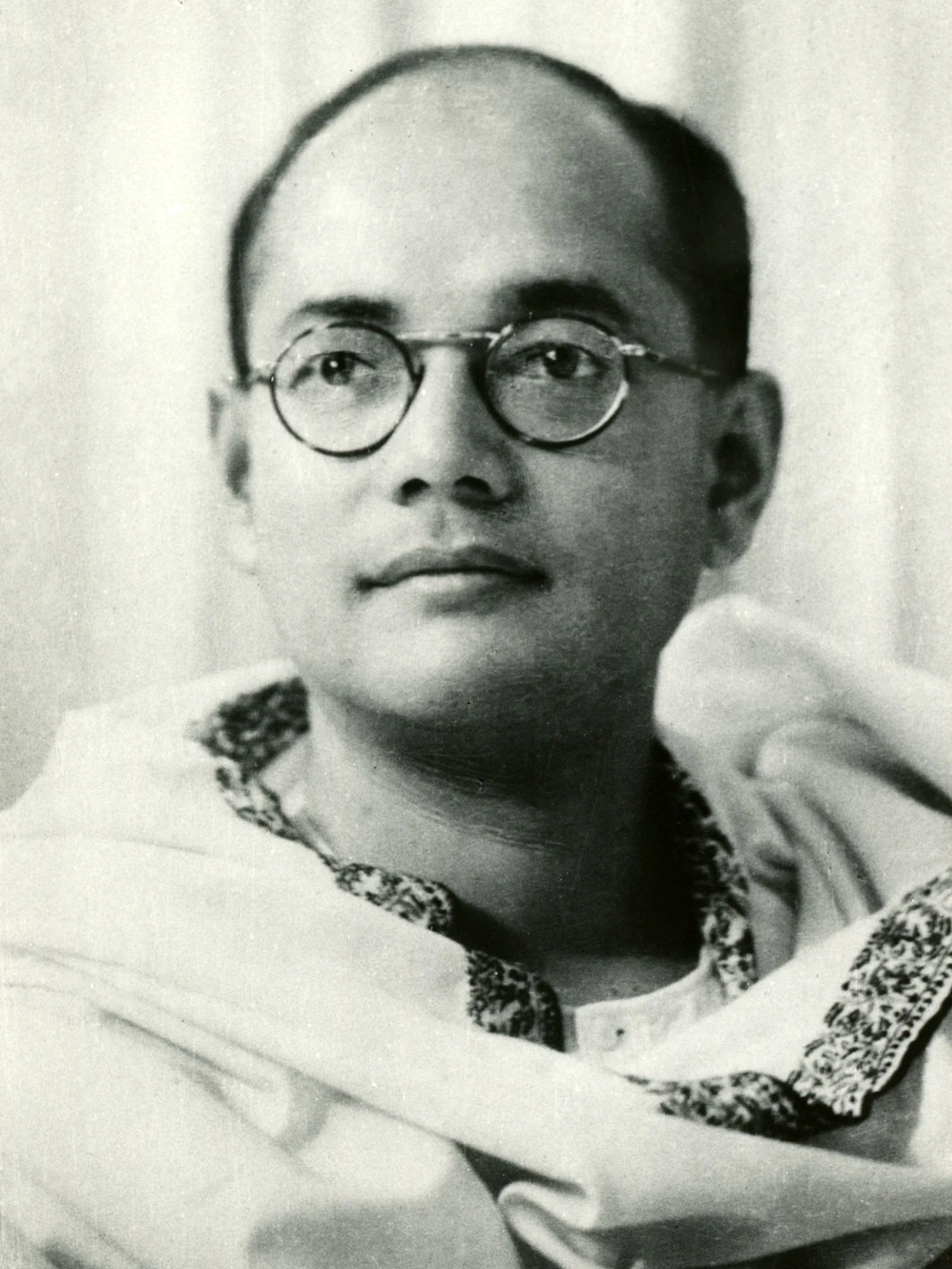
The Indische Legion — Subhas Chandra Bose in Berlin
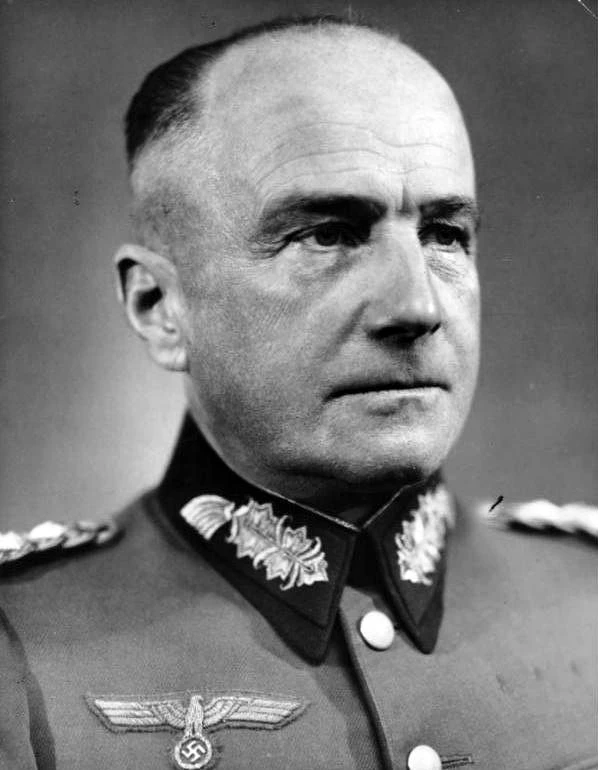
Brauchitsch — Reich Chancellery, 5 November
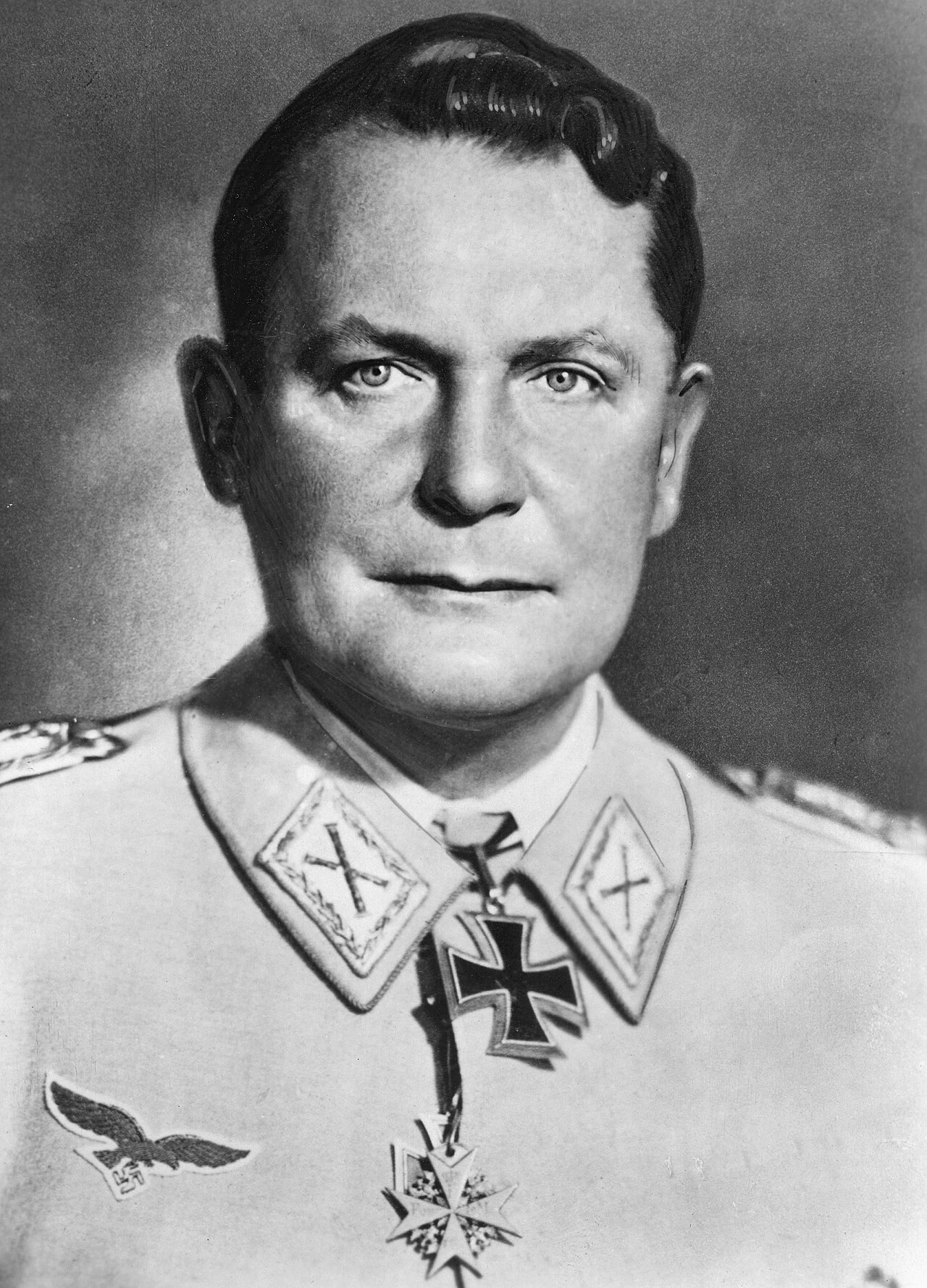
Goering at Carinhall — the promise to Hitler
Goering — the economic mobilization plan
Hitler at Compiègne — 22 June 4:30 p.m.
Berlin, October 1941: The Words of Victory
Hitler at the Sportpalast — 30 January, 8 pm
Hitler — the Reichstag Speech
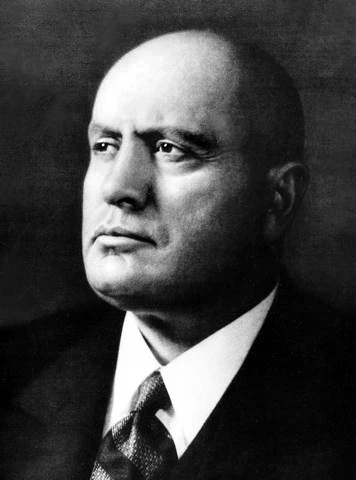
Mussolini in the winter of debacle
Speer at headquarters - Todt's portfolio
The Indische Legion — Subhas Chandra Bose in Berlin
Brauchitsch — Reich Chancellery, 5 November
Goering at Carinhall — the promise to Hitler
Goering — the economic mobilization plan
Hitler at Compiègne — 22 June 4:30 p.m.
Berlin, October 1941: The Words of Victory
Hitler at the Sportpalast — 30 January, 8 pm
Hitler — the Reichstag Speech
Mussolini in the winter of debacle