
The Channel Islands — open city?
The Channel Islands — Jersey, Guernsey and their neighbours — are dependencies of the British Crown off the coast of Normandy, a few dozen kilometres from a French shoreline now in Wehrmacht hands. They are administered by two bailiffs: on Jersey, on Guernsey, civil magistrates responsible for populations totalling about 90,000.
In late June 1940, France has fallen. London judges the islands indefensible and of no real strategic value: on 19 June the government secretly decides to demilitarise them and launches a partial evacuation, mainly of children. But the public announcement of the troop withdrawal is delayed, and the Germans are still unaware of it.
On 28 June, Luftwaffe bombers strike the harbours of St Peter Port (Guernsey) and St Helier (Jersey), believing they are hitting military targets: dozens of civilians are killed, many near lines of trucks loaded with tomatoes that were mistaken for troop transports.
The bailiffs must now decide the fate of their islands: declare them open to spare the civilians, or attempt a symbolic defence of British soil onto which the enemy is about to land at any moment.
Do you declare the islands demilitarised to spare civilians, or attempt a symbolic defence of this British soil?
The bailiffs apply A. After the 28 June bombing, white sheets are draped over official buildings and at crossroads. On 30 June the Luftwaffe lands unopposed at Guernsey airport; Jersey is occupied on 1 July, then Alderney and Sark. Coutanche and Carey remain in post to act as intermediaries between occupier and population, a path of 'administration under control' that will provoke bitter post-war debate about the limits of administrative collaboration. The Channel Islands will remain the only British territory occupied by Germany throughout the war, until liberation on 9 May 1945. The occupation will be marked there by deportations of inhabitants to camps in Germany and by the construction, at the cost of forced labour, of Atlantic Wall fortifications.
Learn more about this event
Related polls
10
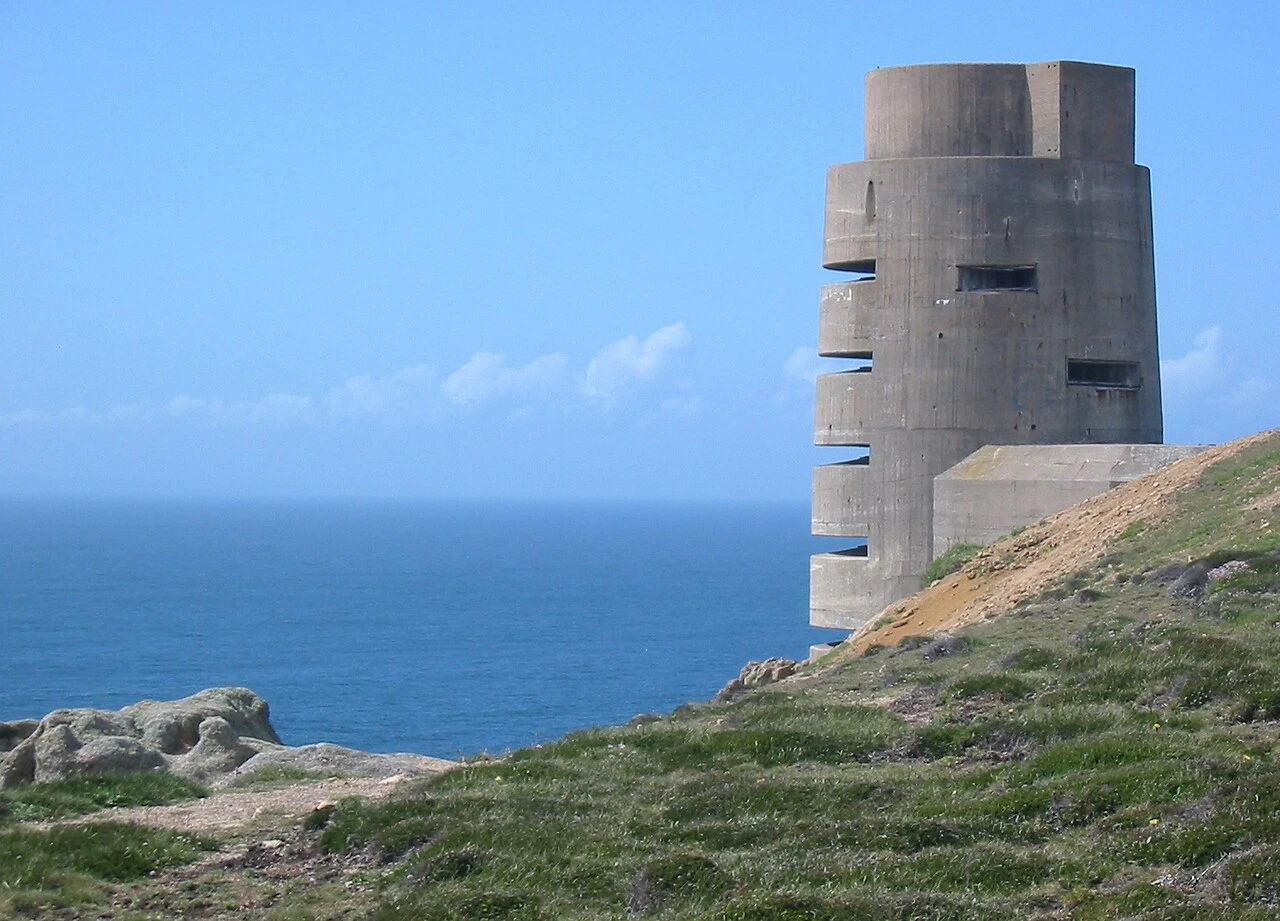
The fate of the Channel Islands
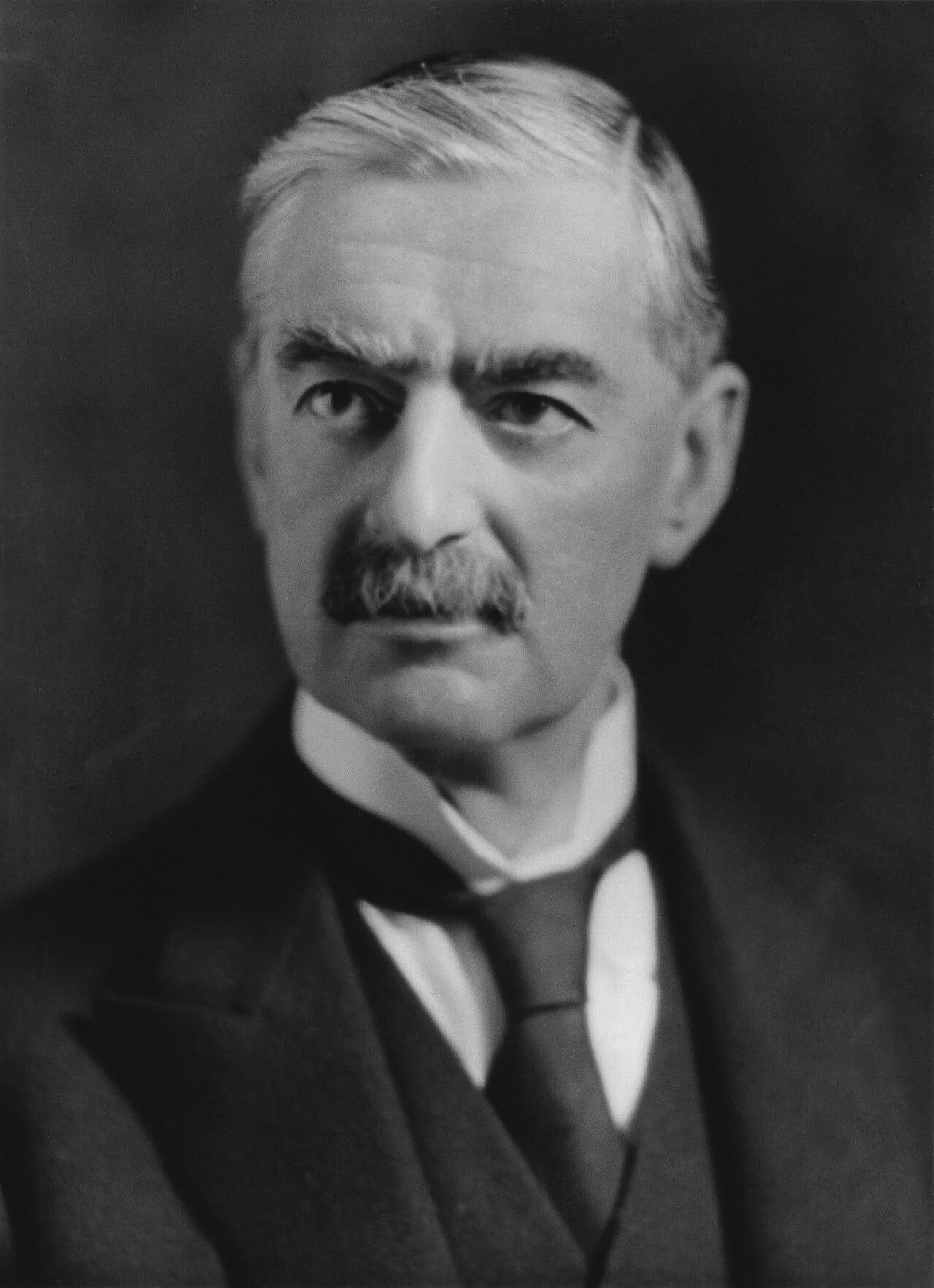
War council — leave central Norway?
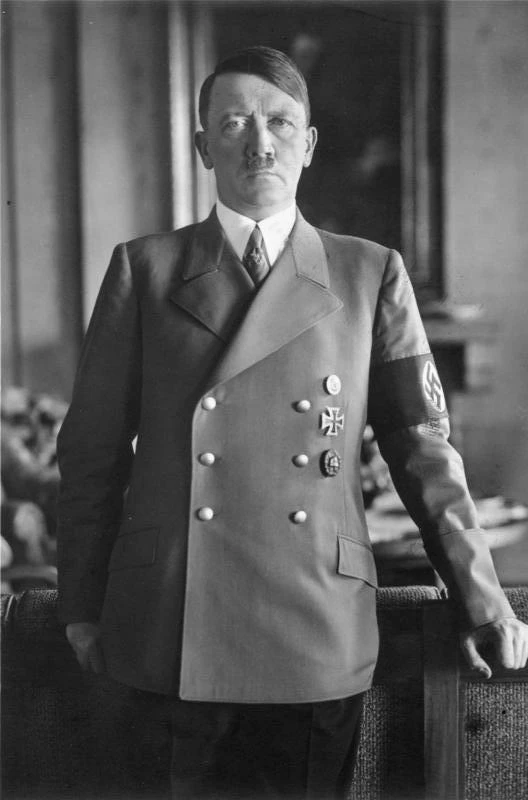
Coventry — the night of November 14
Cambridge, 1939: The Evacuated LSE Student and Conscription
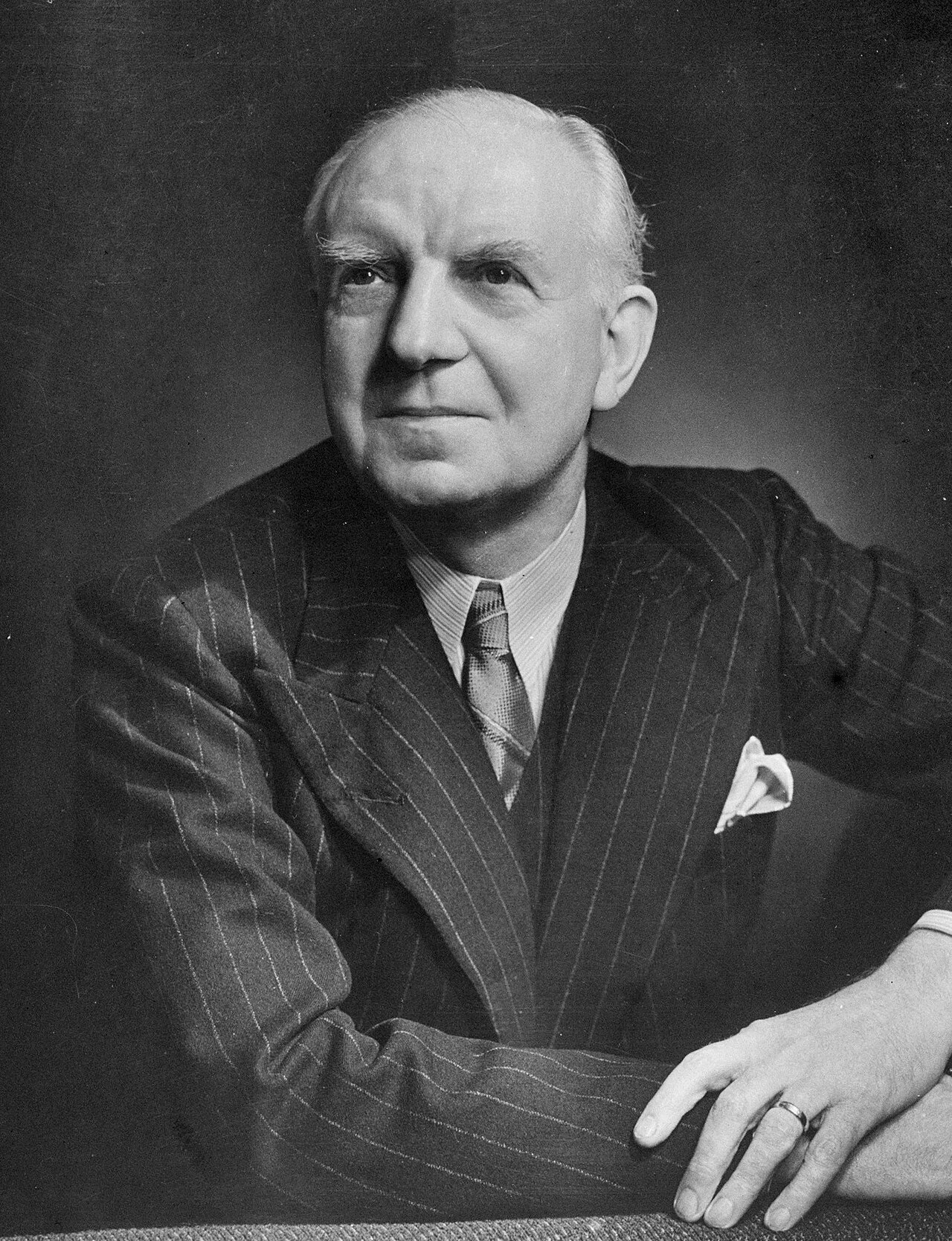
British rationing put to the test in 1941
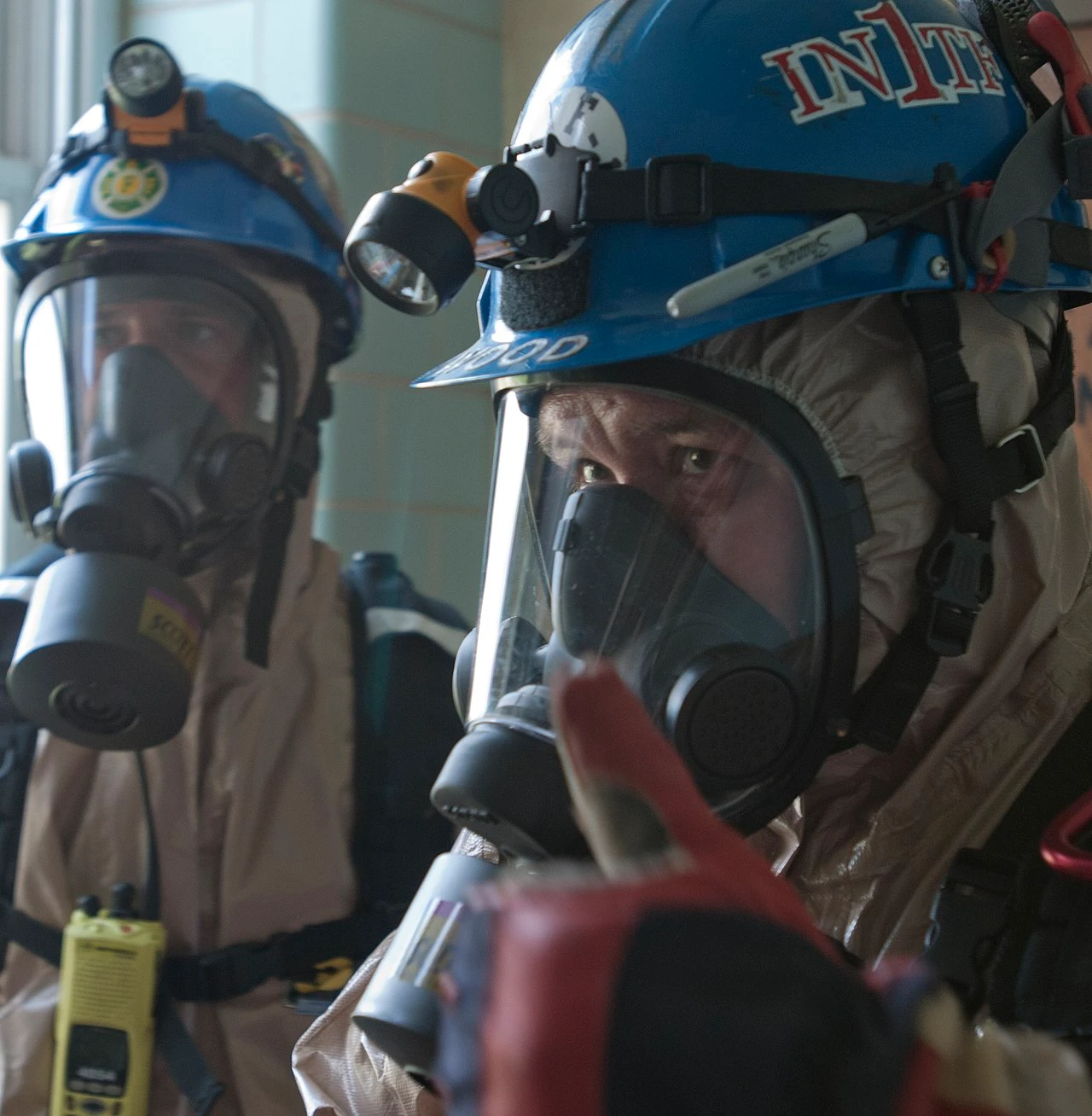
Gas Masks
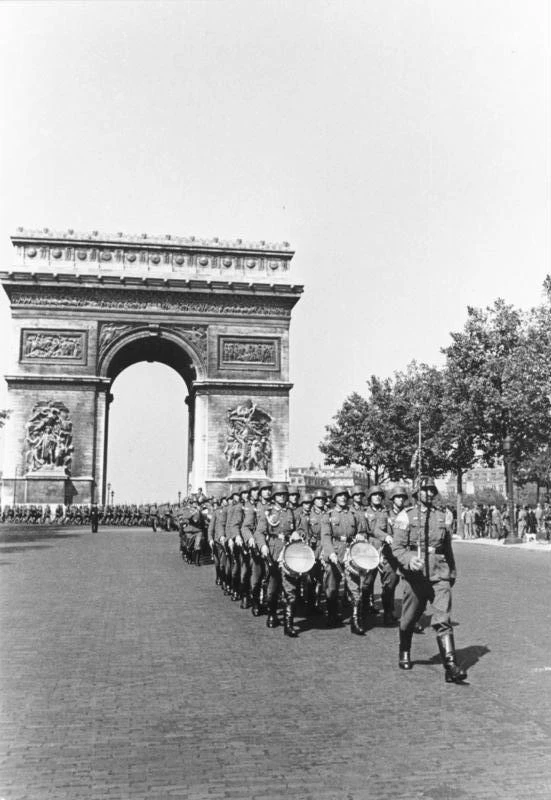
The Press under German Control
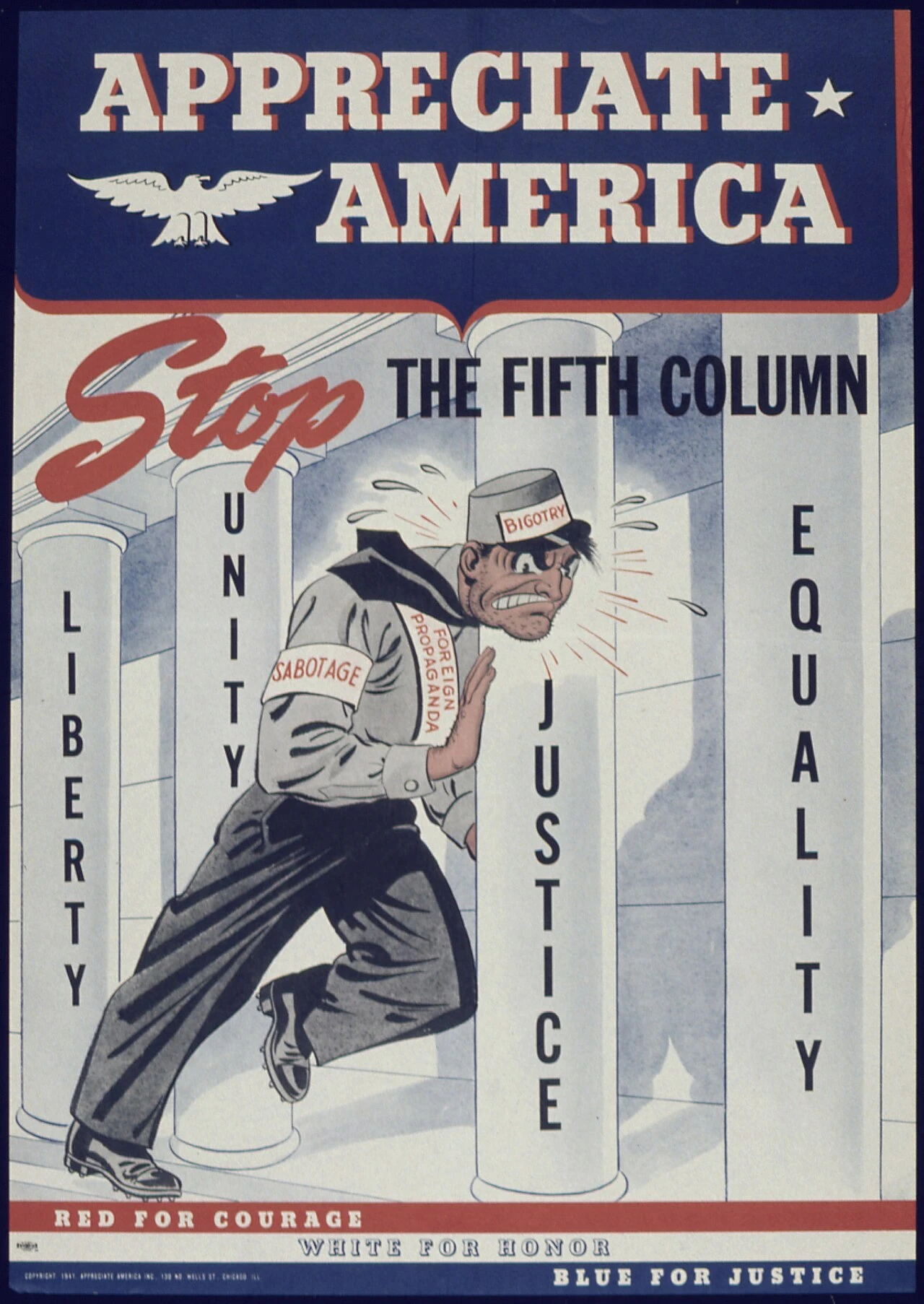
The fifth-column psychosis
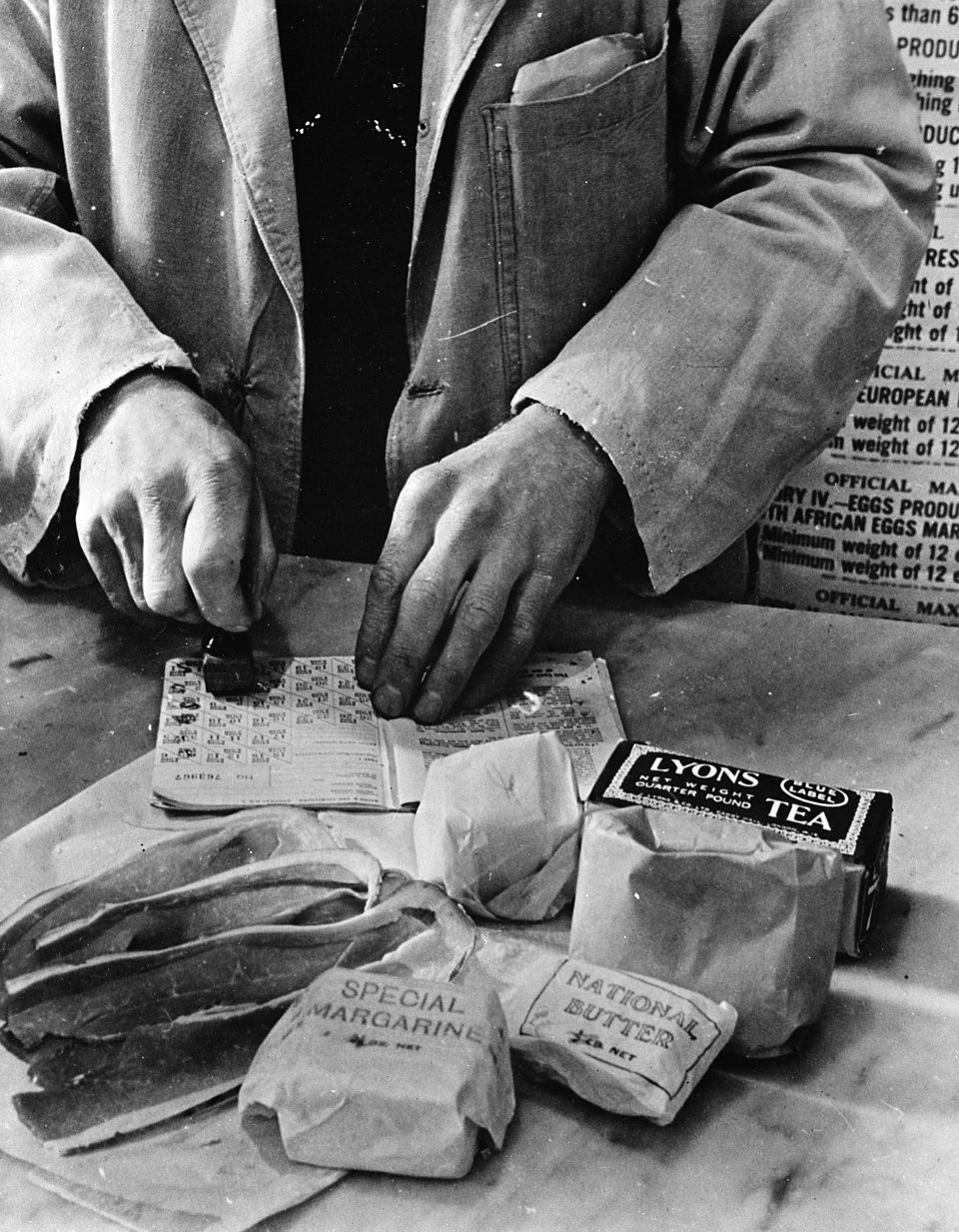
British rationing — Morrison and the principle
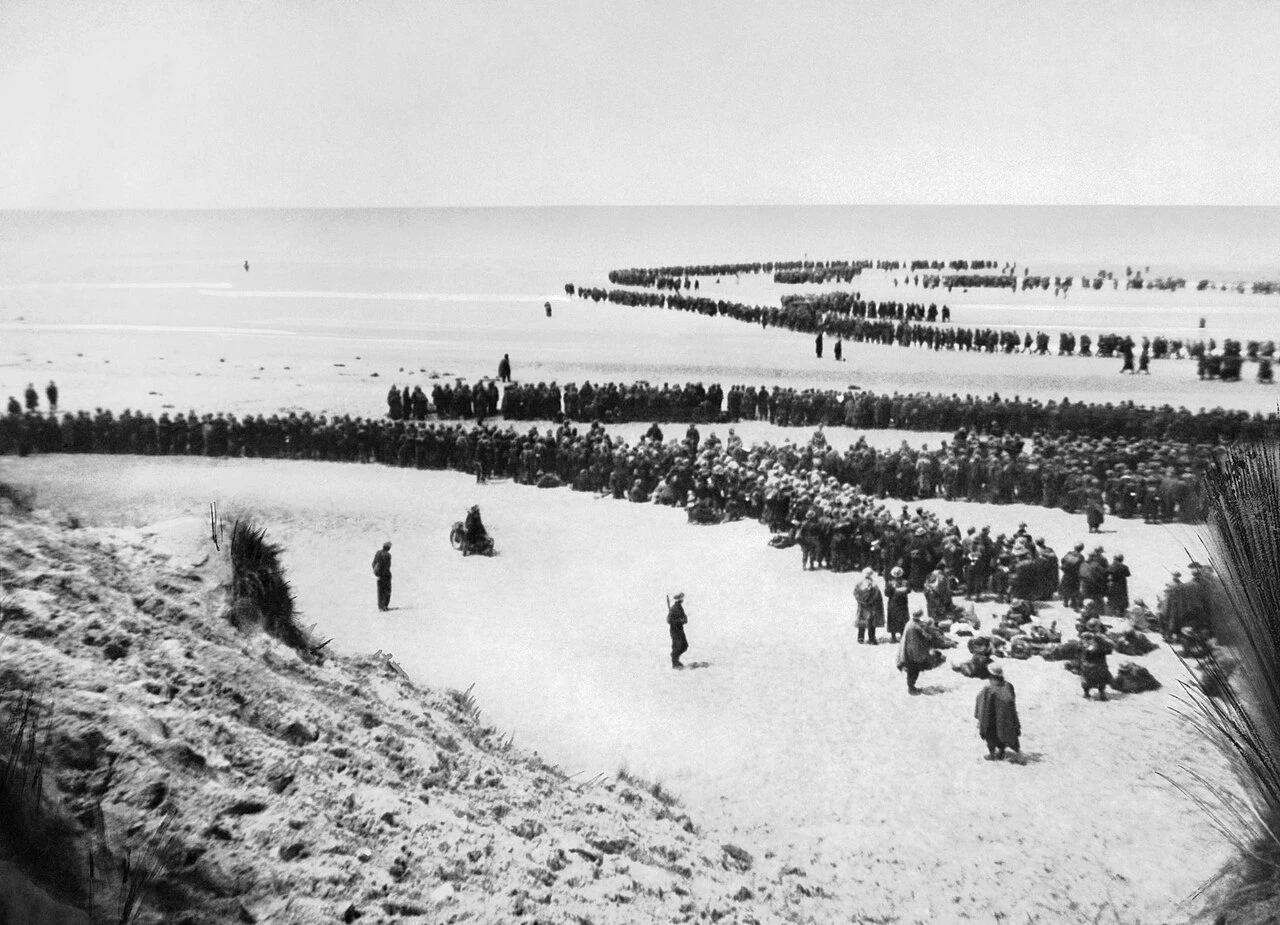
Dunkirk: holding the line under the bombs
The fate of the Channel Islands
War council — leave central Norway?
Coventry — the night of November 14
Cambridge, 1939: The Evacuated LSE Student and Conscription
British rationing put to the test in 1941
Gas Masks
The Press under German Control
The fifth-column psychosis
British rationing — Morrison and the principle