
On 28 April 1939, in a speech to the Reichstag, Hitler denounced the German-Polish non-aggression pact of 1934 and the naval agreement with London. Behind the rhetoric, one demand remains: the attachment of the free city of Danzig to the Reich and an extraterritorial corridor across Polish Pomerania linking Germany to East Prussia.
For the Poland of Colonel , Foreign Minister and heir to the line of Piłsudski, the stake is vital. To cede Danzig is to open the door to new demands and to accept the status of a vassal state; to refuse is to risk confrontation with a militarily overwhelming power. The British guarantee of 31 March offers support, but also the danger of being dragged into a war.
On 5 May 1939, Beck mounts the rostrum of the Sejm to answer Hitler publicly. The whole country, and every chancellery, waits to learn whether Warsaw will negotiate, temporise, or oppose a flat refusal. The tone he chooses will commit Poland for the summer. On his reply depends not only the fate of Danzig, but the attitude Poland will adopt in the face of German pressure in the months to come.
Should Beck display firmness and refuse any cession over Danzig, or leave a door open to negotiation?
Beck chooses A: his speech of 5 May, heard throughout Europe, opposes a firm refusal to the German demands. In it he utters a phrase that has remained famous — there is one thing without price in the life of nations, honour — to justify the refusal to cede Danzig under threat. The speech raises enthusiasm in Poland and is hailed in France and the United Kingdom. It also seals the impasse: Warsaw will not negotiate under coercion, Berlin will not abandon its claims. The Danzig crisis becomes the possible trigger of a European war. The text, translated and commented upon throughout Europe, makes Beck the symbol of Polish resistance to German demands.
Learn more about this event
Related polls
10
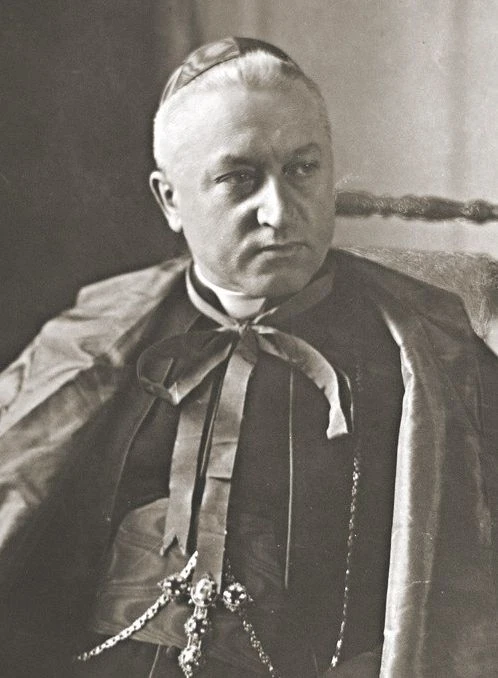
Cardinal Hlond — the Vatican's instruction
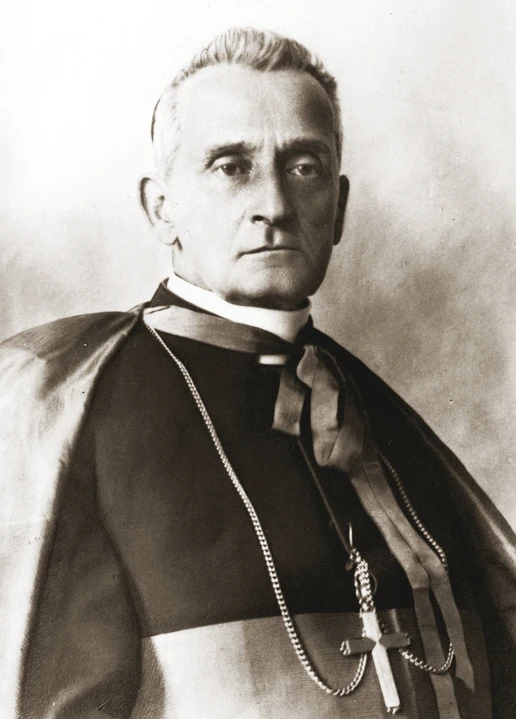
Cardinal Sapieha — Krakow under Occupation
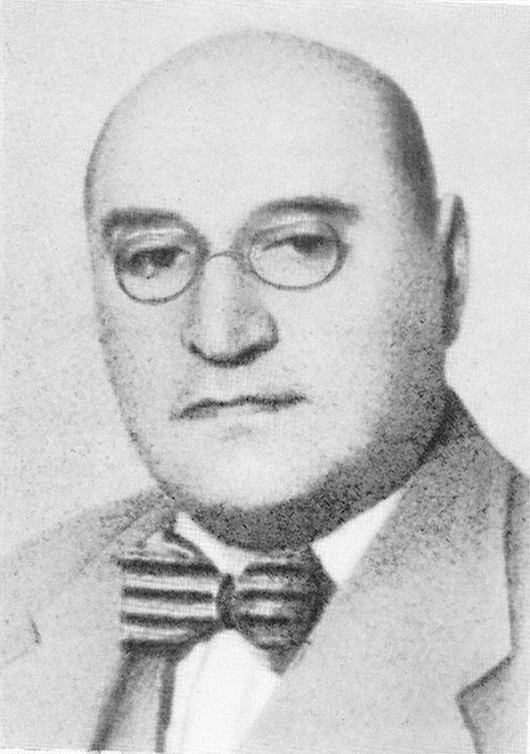
Czerniaków — the offer of the Judenrat
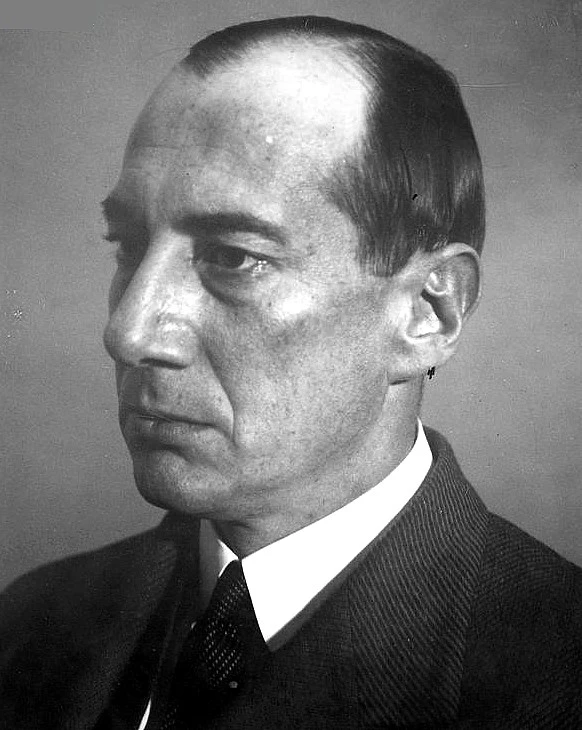
Danzig — the Escalation
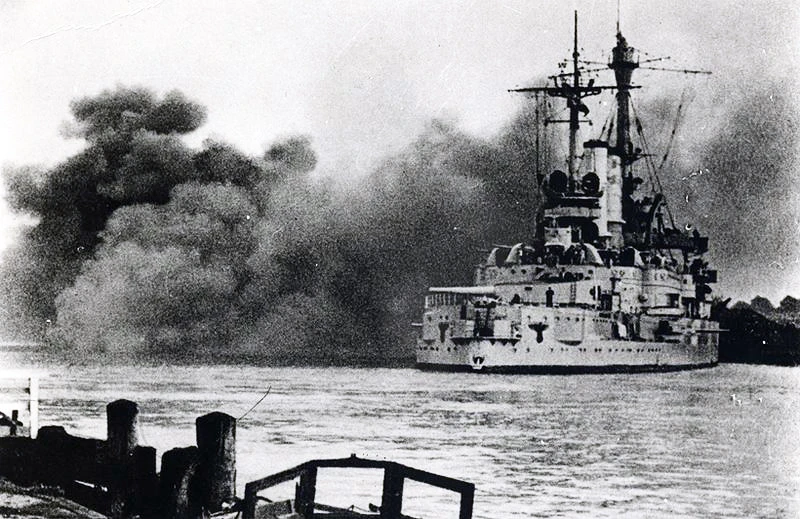
Danzig, September 1939 — the policeman of the Free City
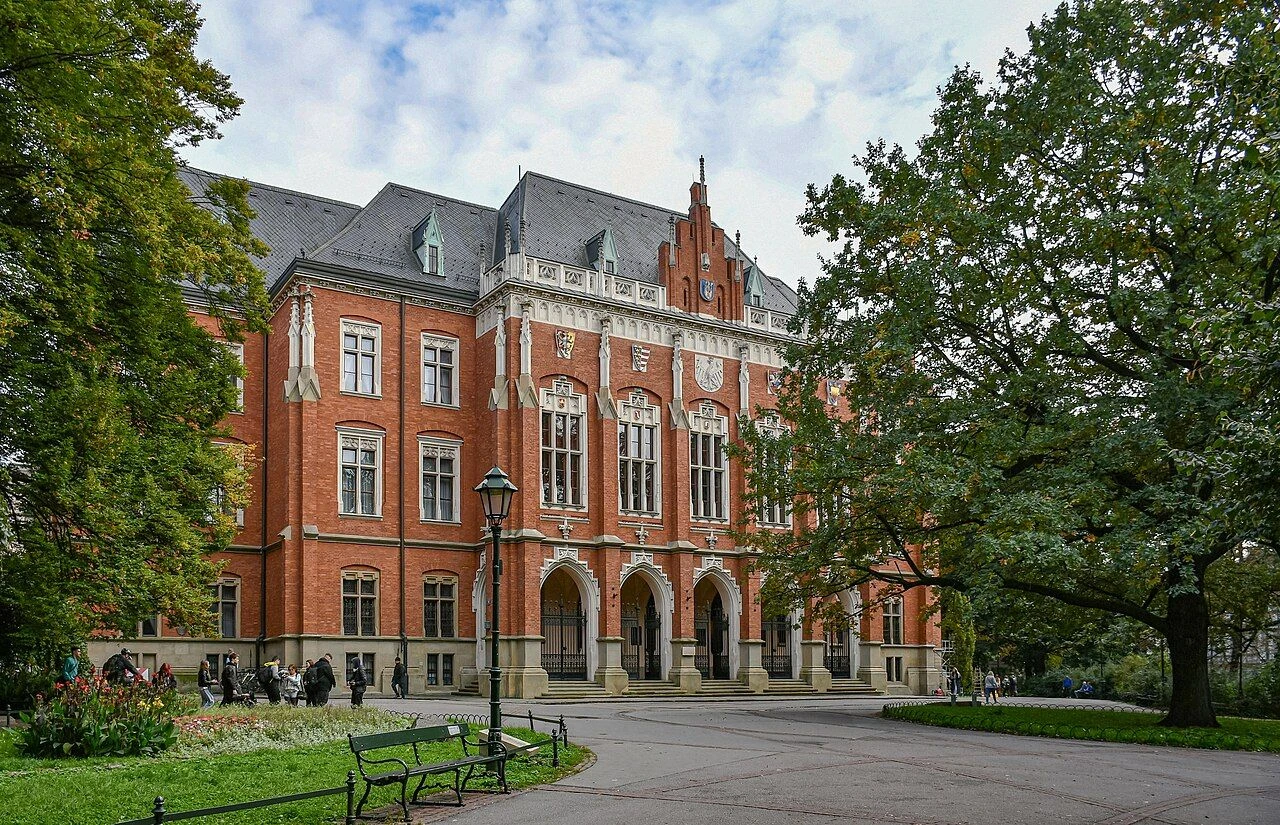
Hans Frank — the taking of the Wawel
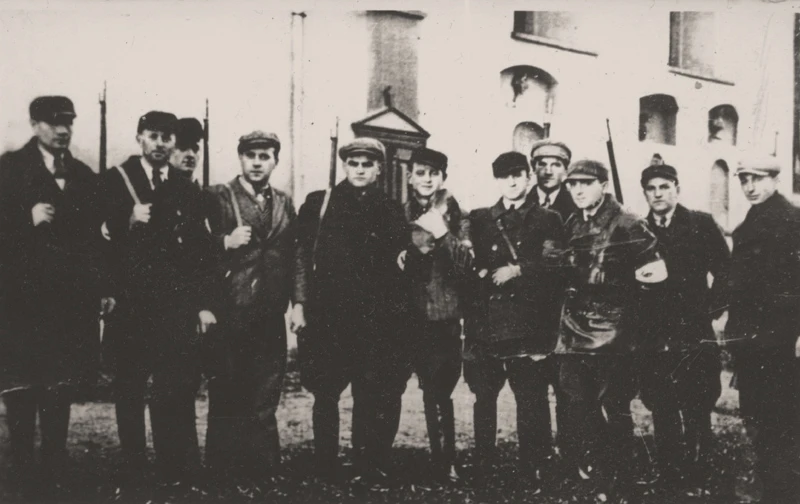
The Volksdeutsche Conscripted into the Selbstschutz
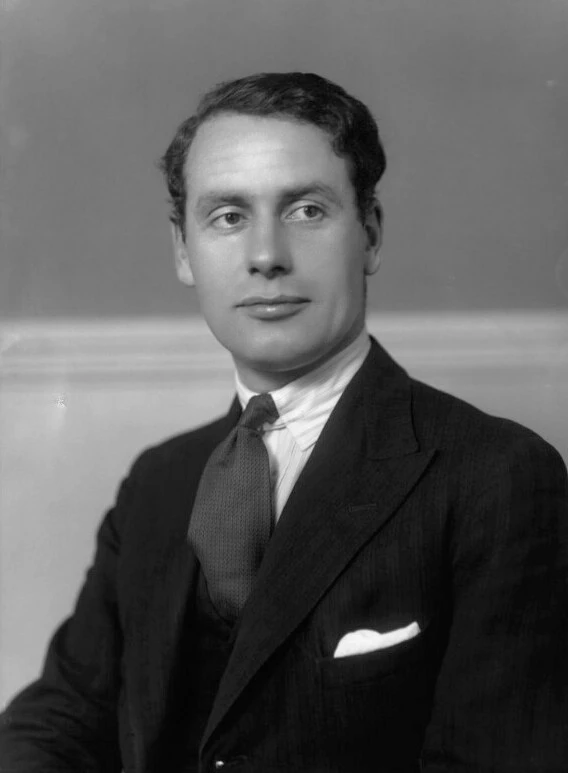
The White Paper on Palestine
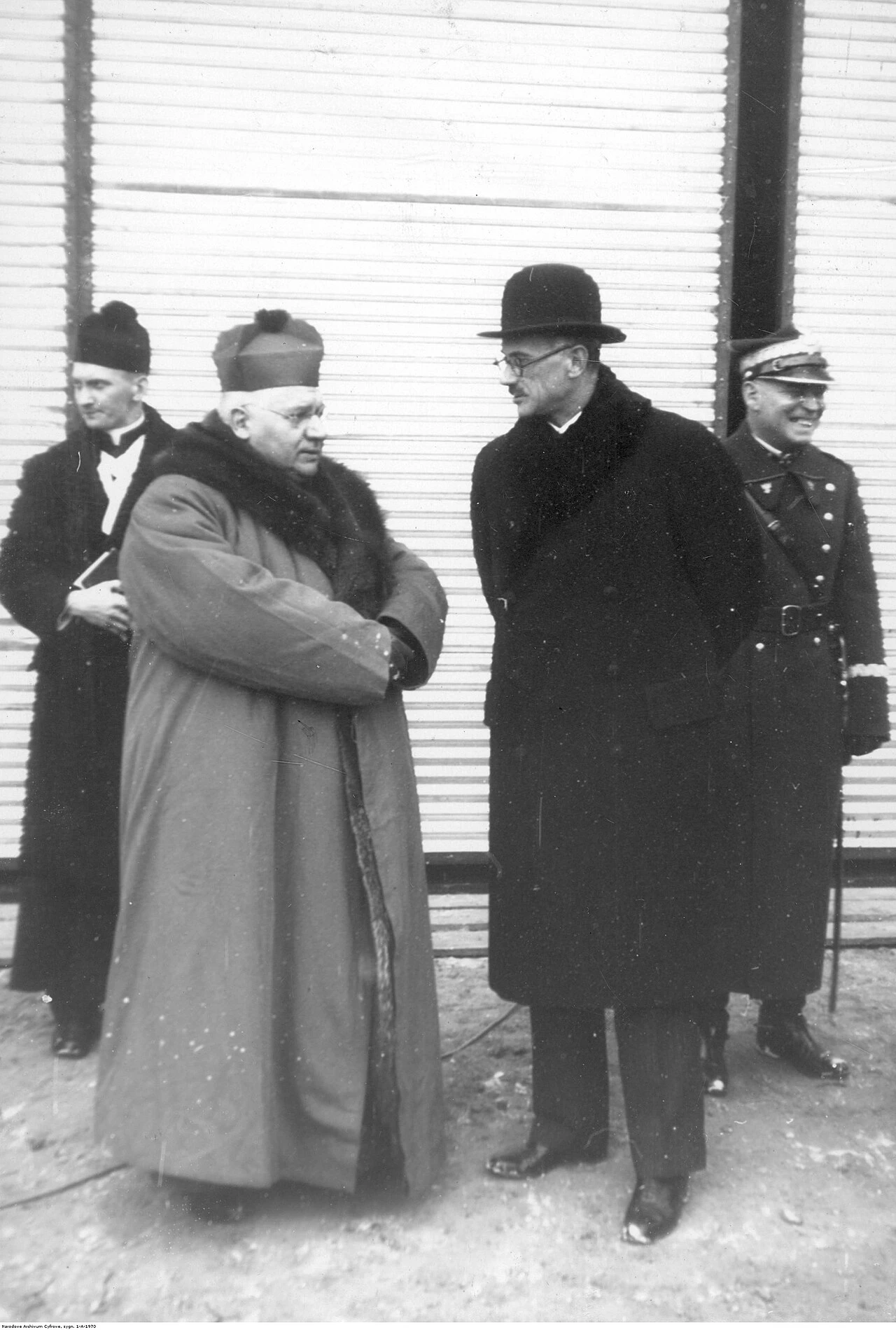
Bishop Adamski in annexed Katowice
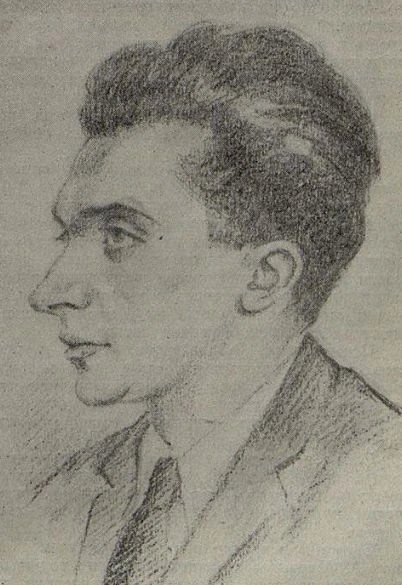
Mieczysław Niedziałkowski — after the arrest
Cardinal Hlond — the Vatican's instruction
Cardinal Sapieha — Krakow under Occupation
Czerniaków — the offer of the Judenrat
Danzig — the Escalation
Danzig, September 1939 — the policeman of the Free City
Hans Frank — the taking of the Wawel
The Volksdeutsche Conscripted into the Selbstschutz
The White Paper on Palestine
Bishop Adamski in annexed Katowice