
The Evacuation of the Children
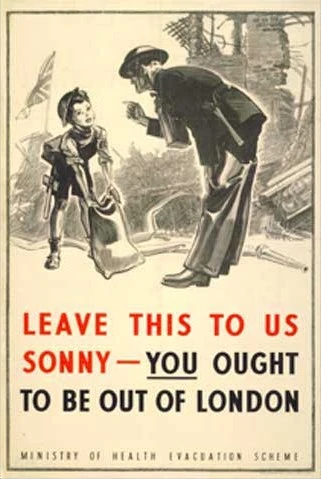
Convinced that war will be accompanied by massive bombing of the cities, the British government has long prepared the evacuation of the vulnerable populations. On 31 August 1939, on the eve of the invasion of Poland, the order is given to launch Operation « Pied Piper »: from the next day, trains will carry the children of the great cities towards the countryside, accompanied by teachers, mothers of young children and the infirm.
For urban families, it is a heart-rending decision that presents itself within a few hours. To entrust one's child to the evacuation is to remove it from the danger of bombs, but to separate it from home and entrust it to unknown hosts, in the countryside.
You are a London family. Should you register your child for the official evacuation and let them leave for a distant village, among strangers, to be put out of harm's way? Keep them at home in the city, gambling that the bombing will be slow to come or will not happen at all? Or should you attempt to send them to relatives in the countryside, outside the official scheme? The choice bears on the safety of your child and the unity of your family.
Should our family send its child to the official evacuation, keep it in the city, or send it to relatives?
Many families choose A: in the very first days of September 1939, Operation « Pied Piper » evacuates within a few days about a million and a half people — mostly children — from the cities to the British countryside. The separation is harsh, the organisation at times chaotic, and the reception uneven. For want of bombing during the « Phoney War », some of the children will return home in the following months — before being evacuated again during the Blitz of 1940. The evacuation of 1939, one of the largest organised displacements in British history, leaves a lasting mark on an entire generation and mixes the country's social classes.
Learn more about this event
Related polls
10

The Conscientious Objector
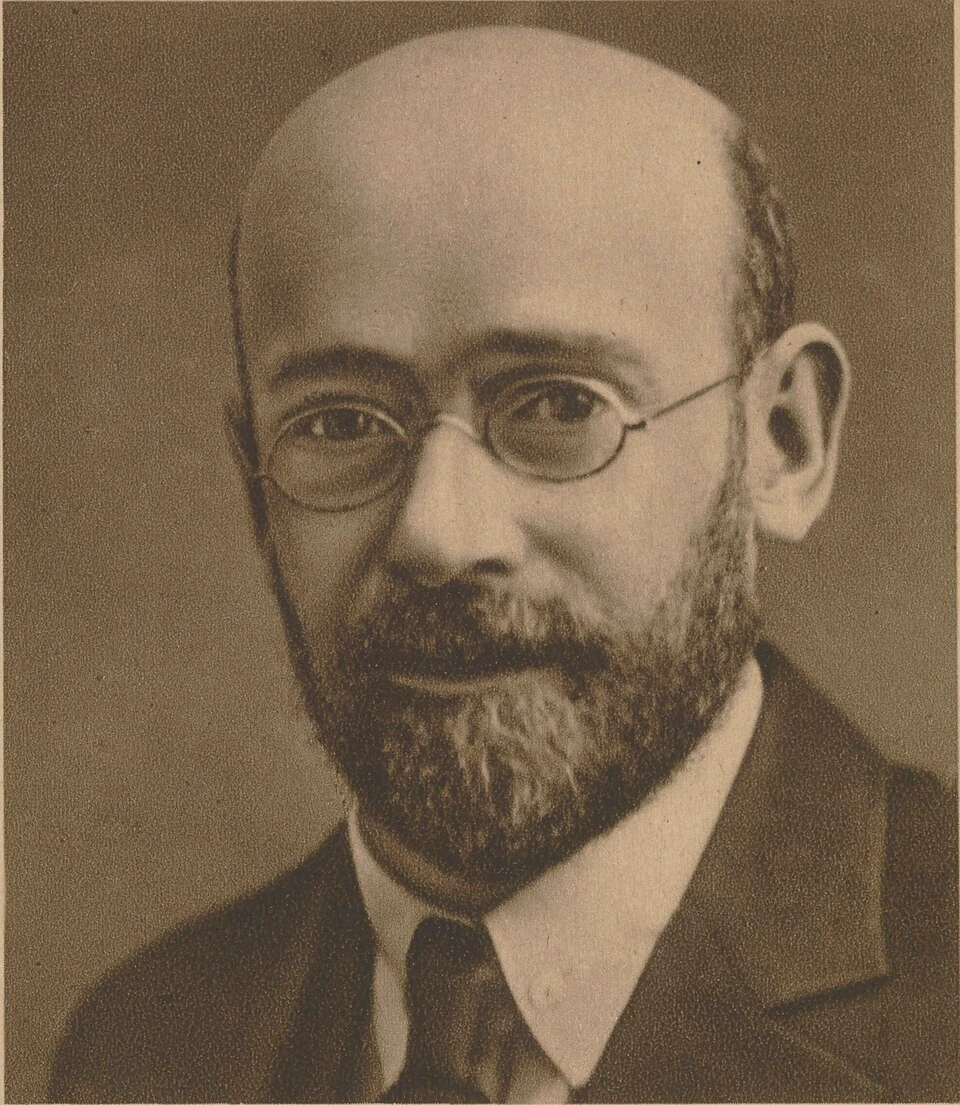
Korczak — facing the siege of Warsaw
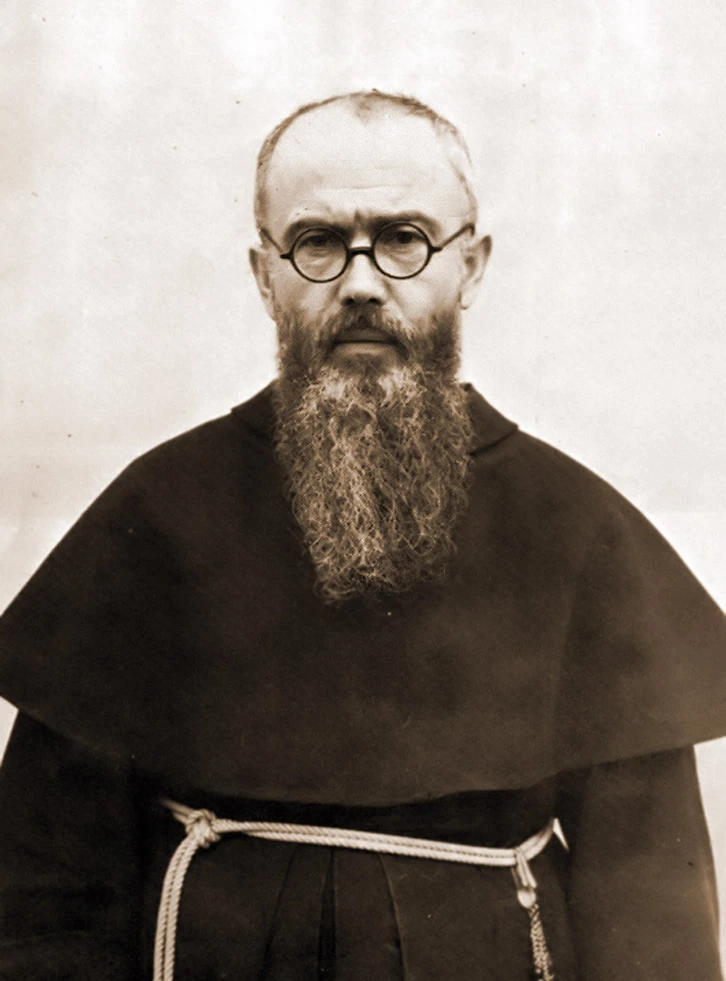
Father Kolbe — the Wehrmacht arrives at Niepokalanów
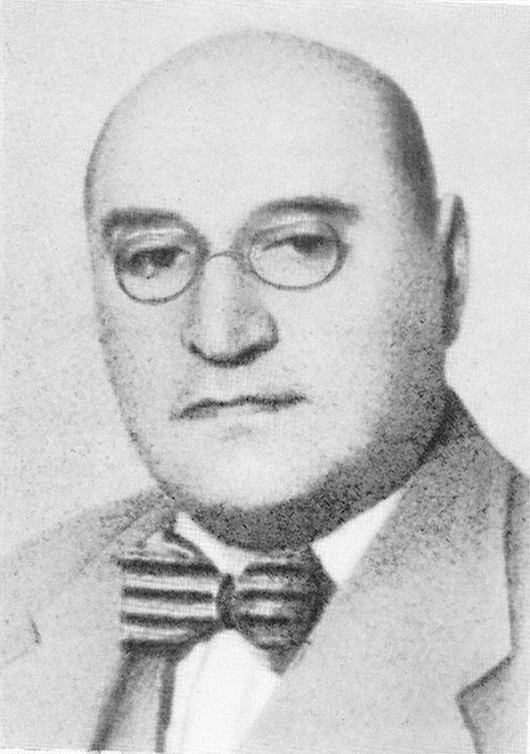
Czerniaków — the offer of the Judenrat
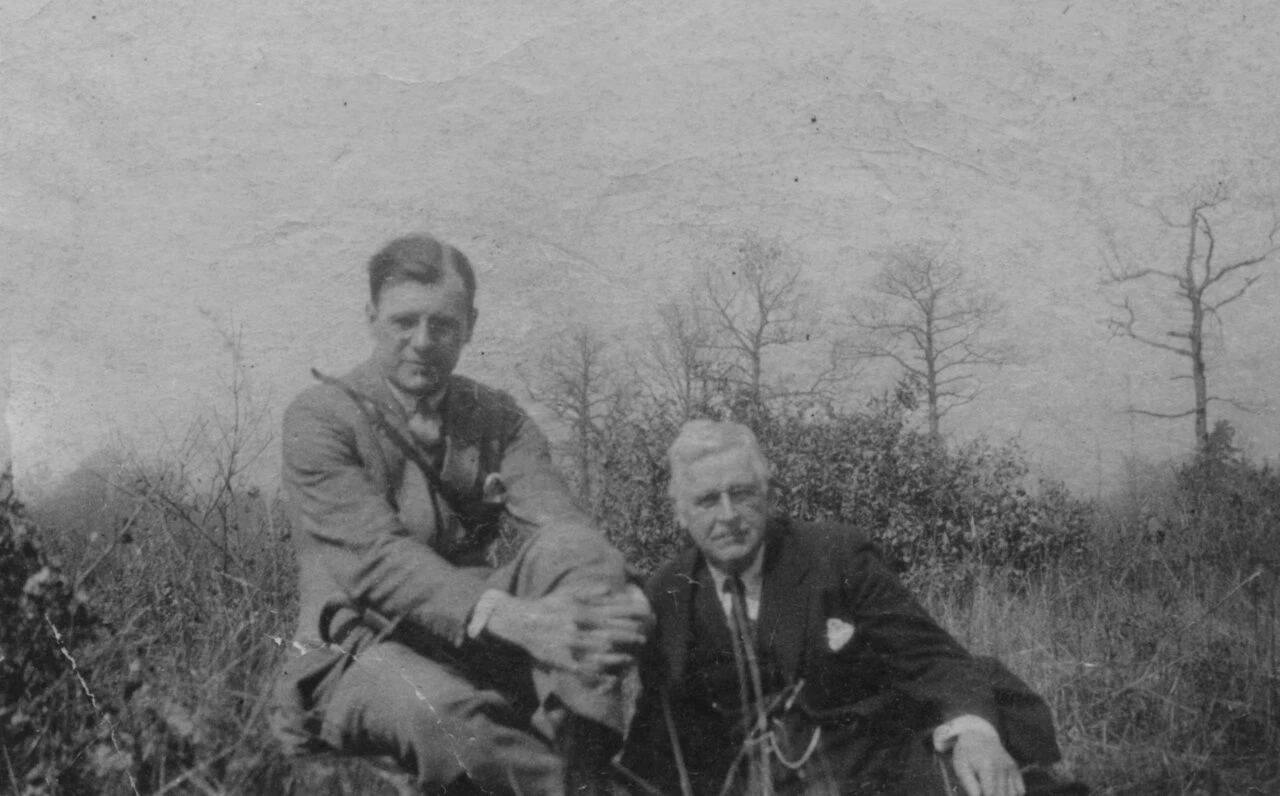
Cambridge, 1939: The Evacuated LSE Student and Conscription
Chamberlain — 11:15 BST
Operation Pied Piper — Womersley and the evacuation
Warsaw Under Siege: Feeding the City or the Front
Beneš in London — autumn 1939
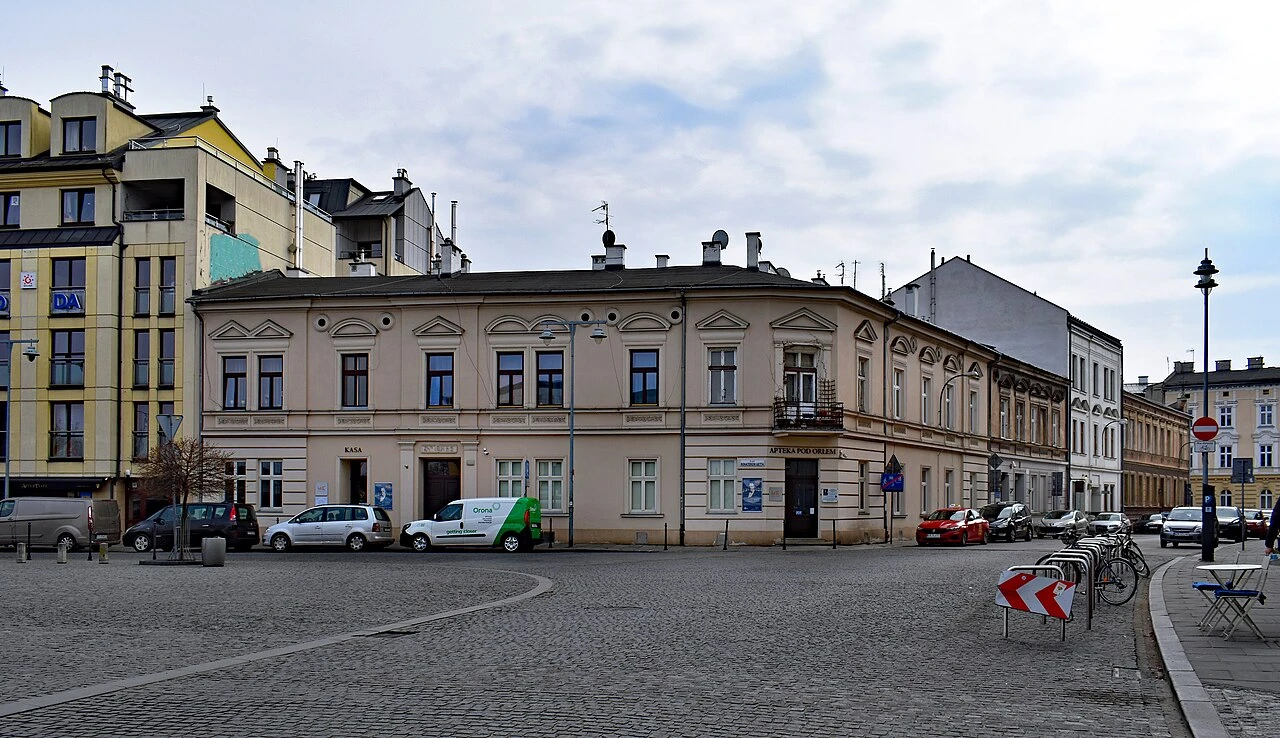
The apothecary of the Kraków Ghetto
The Conscientious Objector
Korczak — facing the siege of Warsaw
Father Kolbe — the Wehrmacht arrives at Niepokalanów
Czerniaków — the offer of the Judenrat
Cambridge, 1939: The Evacuated LSE Student and Conscription
Chamberlain — 11:15 BST
Operation Pied Piper — Womersley and the evacuation
Warsaw Under Siege: Feeding the City or the Front
Beneš in London — autumn 1939